
Small Modular and Micro‑Reactors (SMRs) for AI and Data‑Centre Power: global technologies, companies and deployment outlook
Small modular and micro-reactors are being wired directly into the AI power stack. A full Pattern Nexus deep dive on SMR technologies, timelines, and who will actually power the next wave of data centres.
Small Reactors, Big Appetite: How SMRs Will Feed the AI Power Supercycle
From NuScale and Oklo to Rosatom’s floating plants, this is a full Pattern Nexus map of how small modular and micro-reactors will plug directly into the AI grid – who’s real, who’s hype, and when the first electrons actually hit data-centre racks.
Why AI is dragging nuclear back onto the main stage
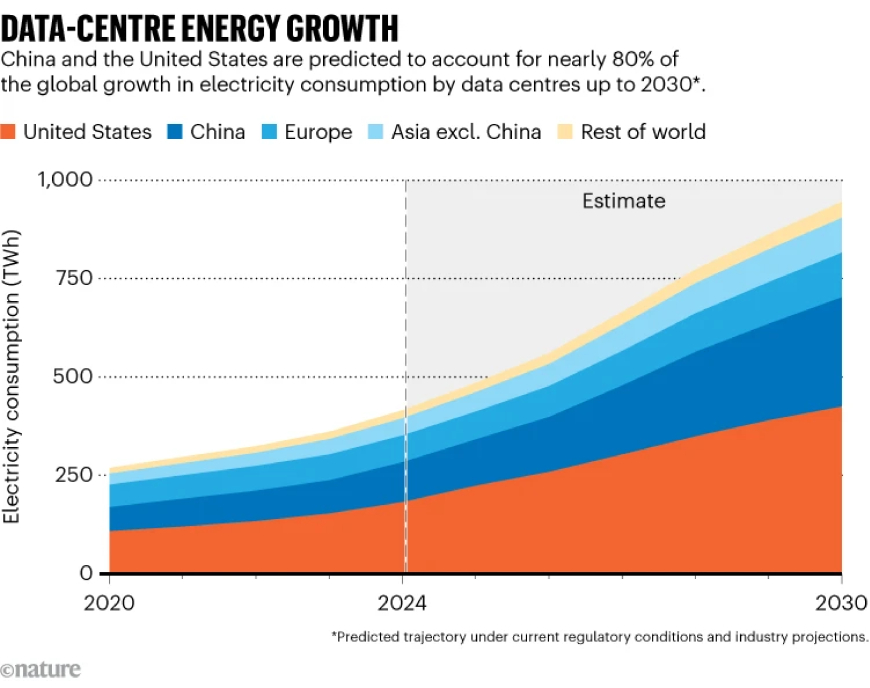
Start with a simple picture: AI workloads and cloud computing are turning data-centres into electricity black holes. The International Energy Agency now expects data-centres to chew through roughly 945 TWh of electricity by 2030 – on par with the current entire electricity consumption of Japan. U.S. data-centres alone used around 17 GW of power in 2022, and the curve isn’t flattening; it’s steepening.
We are not in a “more data-centres” world; we are in a new class of power consumer world. Hyperscale AI campuses are quietly morphing into their own grid entities – and they don’t want to be at the mercy of everyone else’s power problems.
If you’re an AI giant, you only really care about three things:
- Five-nines uptime – power that doesn’t blink, ever.
- Predictable costs for 20–40 years – not gas-price roulette.
- Low-carbon optics – because regulators, ESG, and public opinion now sit on the board too.
That combination pushes you into a corner. Solar and wind are cheap but intermittent and land-hungry. Large legacy nuclear is slow, expensive, and politically radioactive. So the system does what it always does: it looks for a modular, financeable, “just big enough” solution.
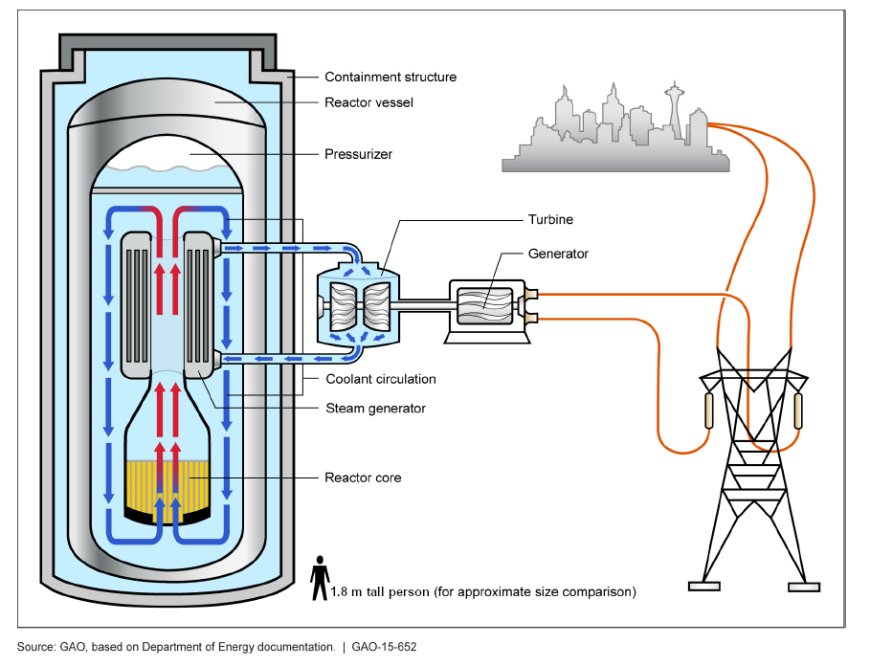
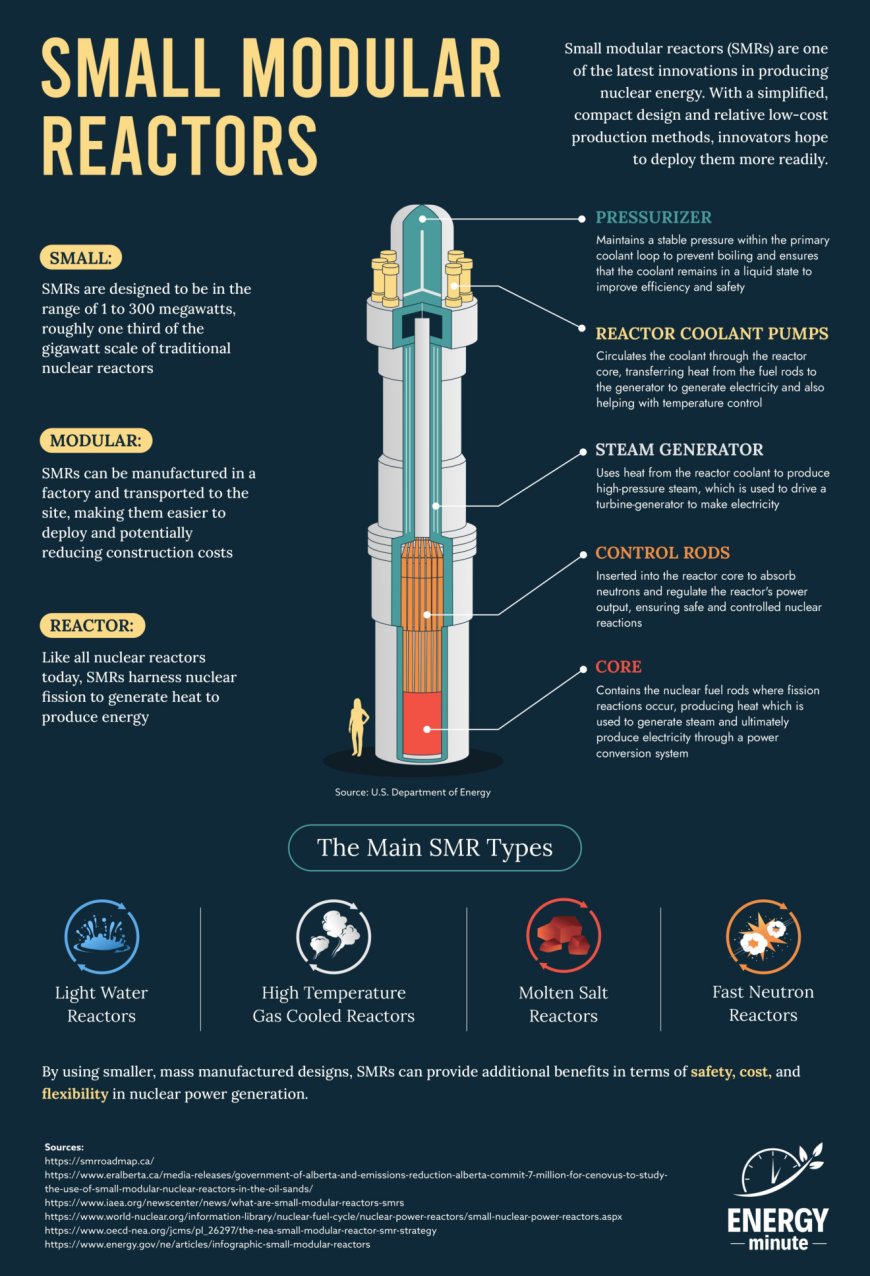
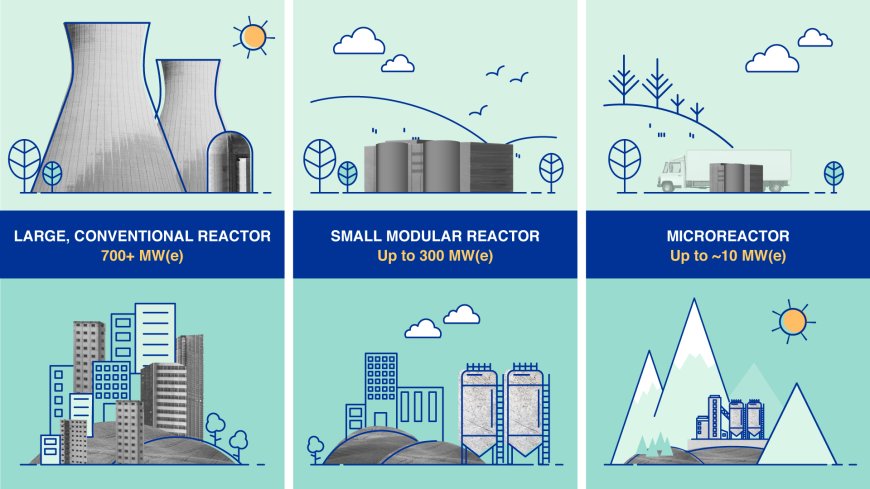
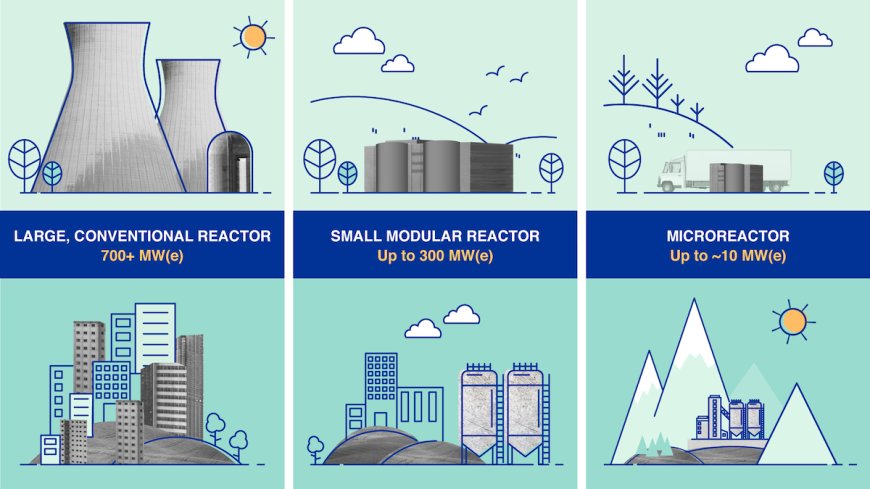
Enter small modular reactors (SMRs) and micro-reactors – nuclear power units from roughly 1 MW up to a few hundred MW, designed to be:
- Factory-built instead of fully stick-built on site.
- Modular, so you can add capacity like Lego blocks.
- Passively safe, so exclusion zones shrink and siting becomes politically easier.
- Run for years between refuellings – some designs target 6–20 years or more.
This article is the Pattern Nexus deep map of that landscape: technologies, companies, deployment strategies, data-centre/AI linkages, timelines, and who is realistically positioned to matter in the 2030s AI power stack. Everything below is built out of the full research report – no details dropped, just reorganised and layered with context.
What actually counts as an SMR or micro-reactor
“SMR” gets thrown around like “AI” – often incorrectly. Under the hood, the landscape breaks into a few main technology families, each with different risk profiles, timelines, and relevance for AI/data-centres.
Light-water SMRs (the “fastest path to yes” category)
These are miniaturised versions of conventional pressurised-water or boiling-water reactors – same basic physics, just shrunk and modularised.
- Examples: NuScale VOYGR (77 MWe modules), GE Hitachi’s BWRX-300 (300 MWe), Rolls-Royce SMR (~470 MWe), Holtec SMR-300 (300 MWe).
- Coolant & fuel: Light-water, low-enriched uranium (LEU).
- Design features: Natural circulation in many designs (fewer pumps), below-grade placement, large use of passive safety.
- Why they matter first: Regulators know LWRs. That familiarity means earlier deployments – late 2020s for the front-runners.
High-temperature gas-cooled and salt-cooled reactors (process heat + power)
These reactors push temperature up and pressure down. They trade water coolant for helium or molten salts, and they use ultra-robust fuels such as TRISO.
- HTGR / FHR examples: X-energy’s Xe-100 (80 MWe per module), Kairos Power’s Hermes & Hermes 2 (low-pressure fluoride-salt-cooled high-temperature reactors).
- Fuel: TRISO particles or coated fuel pebbles capable of tolerating high temperatures.
- Use-case: Combined electricity and very high-temperature process heat (hydrogen, chemicals, industrial heat), which can also be leveraged for cooling architectures around dense AI campuses.
Molten-salt reactors (fuel or coolant in liquid form)
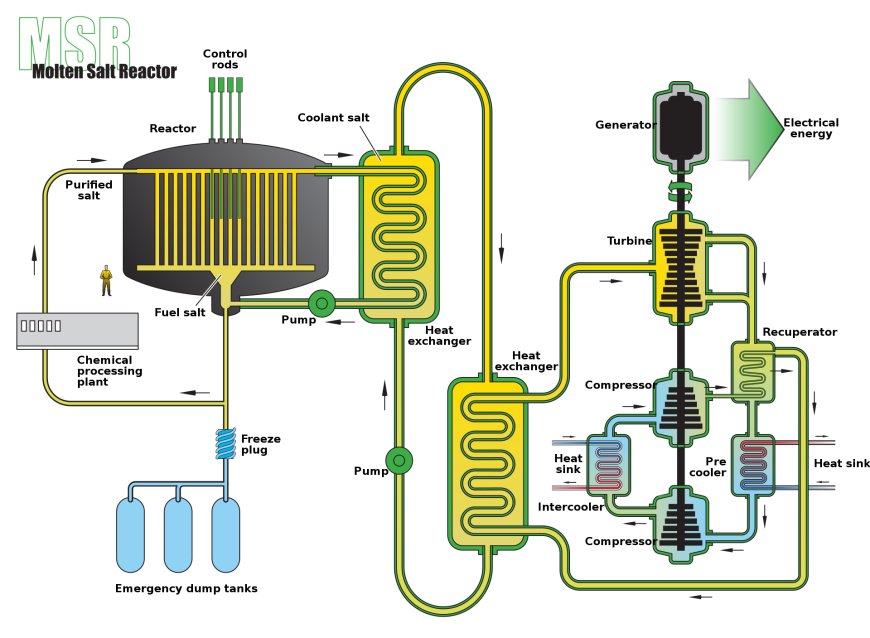
Here, the core literally runs on molten salt – either as the fuel itself or as the primary coolant. This opens up high efficiency and excellent load-following, but at the cost of more novel materials and licensing challenges.
- TerraPower Natrium: a sodium-cooled fast reactor tied to a molten-salt thermal storage system. Nominal 345 MWe, can ramp to 500 MWe during peak demand.
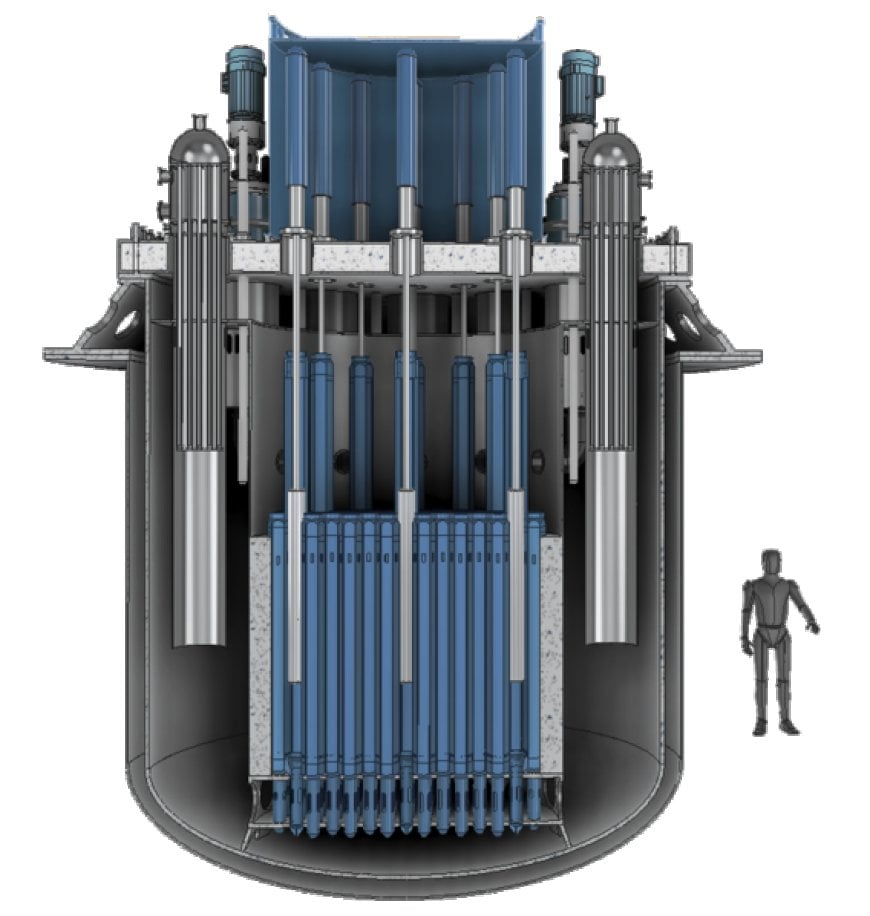
- Terrestrial Energy IMSR: liquid fuel salt in an “integral” reactor vessel; plant layout with twin 390 MWe modules, core vessel replaced roughly every seven years.
- Benefit for AI: built-in energy storage and flexible ramping are ideal for dynamic, bursty AI loads.
Lead- and sodium-cooled fast reactors (burning the hard stuff)
Fast reactors run at higher neutron energies, enabling high fuel burn-up and the ability to consume transuranic waste. For AI/data-centres the appeal is less “waste-burning” and more very long fuel cycles and compact, high-power units.
- Newcleo: lead-cooled fast reactors – 30 MWe demonstrator and 200 MWe commercial design.
- ARC-100: 100 MWe sodium-cooled reactor based on the EBR-II heritage, >20-year fuel cycle.
- Natrium: overlaps here as a sodium-cooled fast reactor wrapped in a molten-salt storage system.
Micro-reactors and heat-pipe designs (1–20 MWe “reactor appliances”)
At the smallest scale, you get reactors designed like industrial appliances: 1–20 MWe units, factory-built, truckable, and designed to run for years unattended.
- Westinghouse eVinci: ~5 MWe / 13 MWth heat-pipe reactor; no moving coolant pumps, eight-year refuelling interval, installable in under 30 days.
- Radiant Kaleidos: ~1 MWe portable micro-reactor, designed to be air-transportable and deployed in days for remote or military sites.
- Oklo Aurora: fast micro-reactor, scaled to 75 MWe for data-centre use, with ~10-year fuel cycles.
- Last Energy: 20 MWe “power plant in a box” micro-reactor concept, focused initially on Europe.
Why SMRs are built for data-centre power
When you overlay SMR design choices on AI’s power needs, the fit is surprisingly tight.
The AI campus is modular; the reactor should be too
Hyperscale campuses don’t arrive at 1 GW on day one. They grow in tranches – 50 MW, 100 MW, another 200 MW after the next GPU order clears. SMRs mirror that:
- NuScale VOYGR: 77 MWe modules up to 12-pack (924 MWe).
- GEH BWRX-300: 300 MWe blocks for industrial parks and clusters.
- Deep Atomic MK60: 60 MWe units explicitly designed to scale into >1 GW data-centre clusters with integrated cooling.
Construction risk and timeline
The traditional nuclear story is “10–15 years and billions over budget.” SMR developers are trying to flip that with:
- Factory-fabricated modules rather than bespoke on-site builds.
- Standardised designs across multiple sites.
- Targeted build windows of roughly 24–36 months for leading LWR SMRs like BWRX-300 and NuScale modules.
Does that always hold in reality? We’ll find out in the 2028–2032 demo window. But from a tech-giant perspective, even a 3- to 4-year build for long-term, low-carbon baseload is acceptable if the rest of the stack (grid, permits, public acceptance) lines up.
Passive safety and siting near the load
Many advanced designs simplify emergency planning zones by using:
- Below-grade reactor vessels.
- Gravity-based emergency cooling and natural circulation.
- Low-pressure coolants (helium, molten salt) with very low risk of large releases.
That matters for AI because it pushes nuclear from “remote big plant feeding the grid” toward “co-located baseload next to your compute campus.” Think of small NPPs sharing a security perimeter with data-centres rather than a distant power plant that has to fight its way through constrained transmission corridors.
Long fuel cycles and uptime
Several advanced designs advertise fuel cycles measured in years to decades:
- RITM-200 series reactors: roughly six-year fuel cycles on floating or land-based plants.
- ARC-100: 20-plus-year fuel cycle based on EBR-II heritage.
- Micro-reactors (eVinci, Oklo, Kaleidos): multi-year sealed cores with no on-site refuelling.
For AI operators, that translates to very high capacity factors, minimal fuel-logistics exposure, and contracts that look more like a “long-duration infrastructure annuity” than commodity exposure to fossil prices.
Integrated cooling and heat recovery
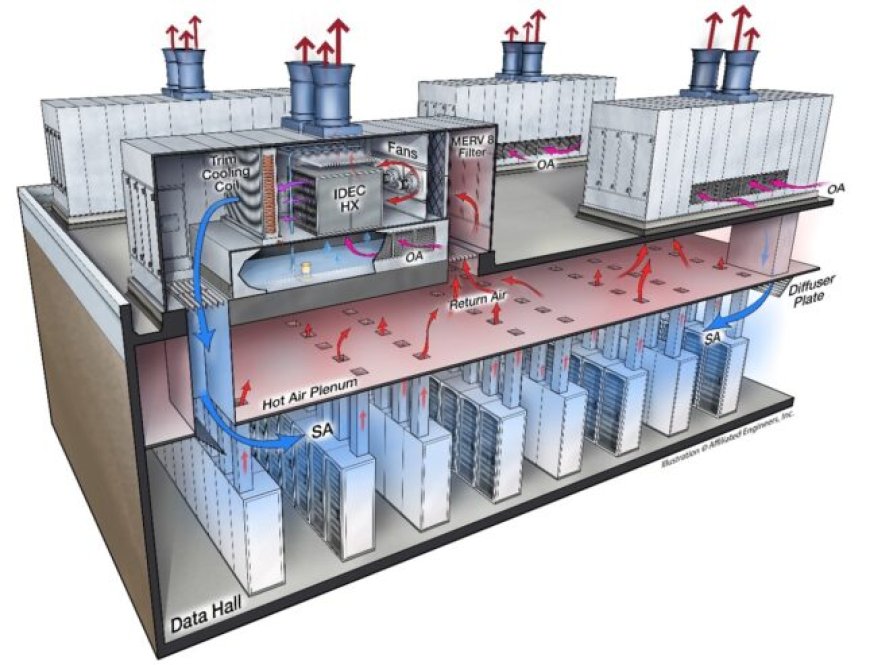
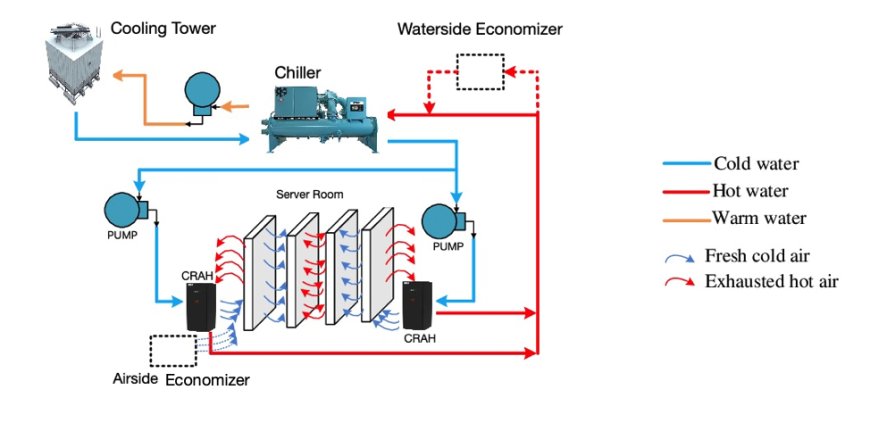
AI campuses don’t just need power – they need to get rid of heat. Deep Atomic’s MK60 explicitly integrates a 60 MW absorption chiller with its 60 MWe reactor, reducing water and grid requirements for cooling. High-temperature designs can drive chilled-water systems or district-cooling loops using heat pumps.
The SMR + AI story isn’t just “nuclear for power.” It’s thermal architecture. Whoever nails the combined power-and-cooling package for 500 MW–2 GW AI zones wins a very sticky customer for decades.
Company landscape – U.S. & Canada
The U.S. and Canada are where most of the private-capital, Big Tech, and DOE money is currently converging. Below is the core stack of players – SMRs, micro-reactors, and their AI/data-centre pathways – exactly as laid out in the research report, expanded with narrative and Pattern Nexus framing.
NuScale Power – the first NRC-certified SMR
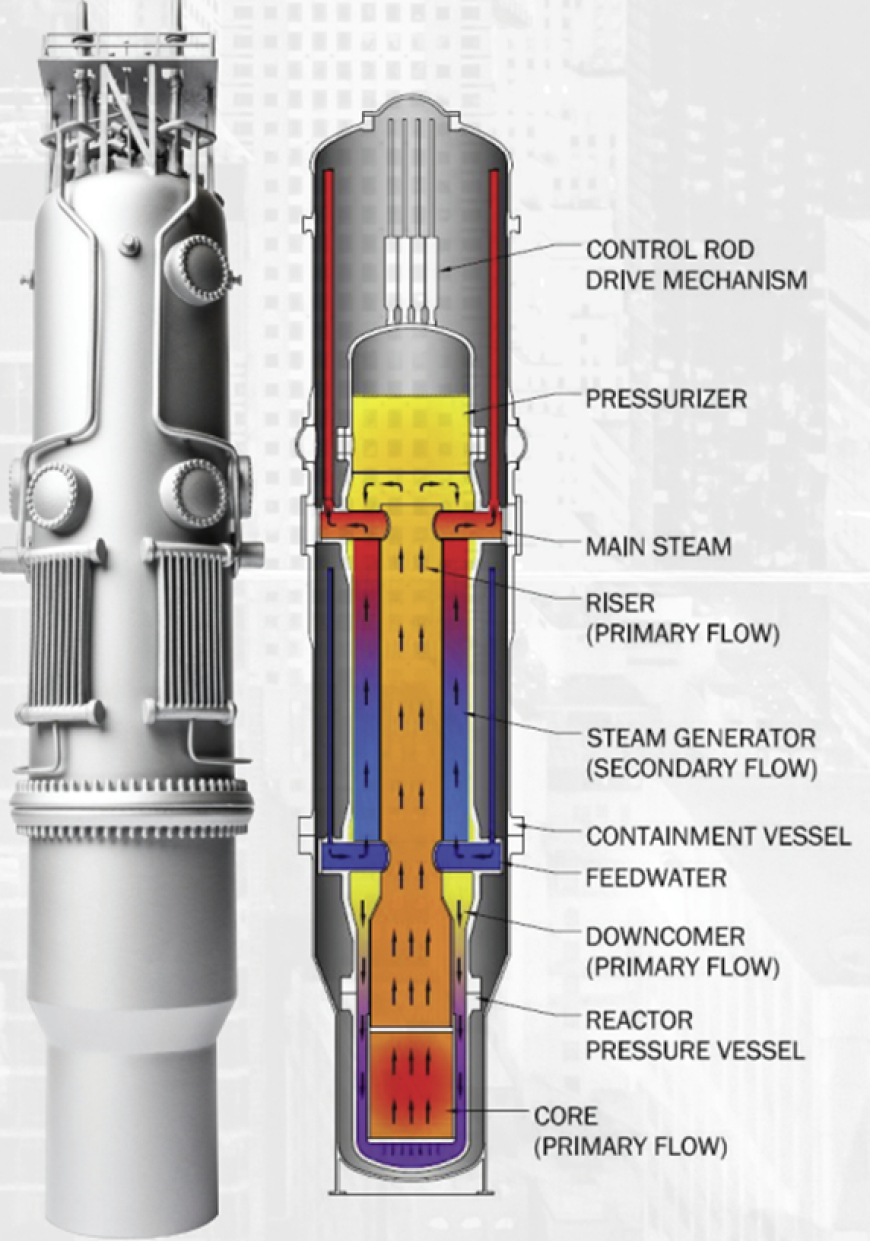
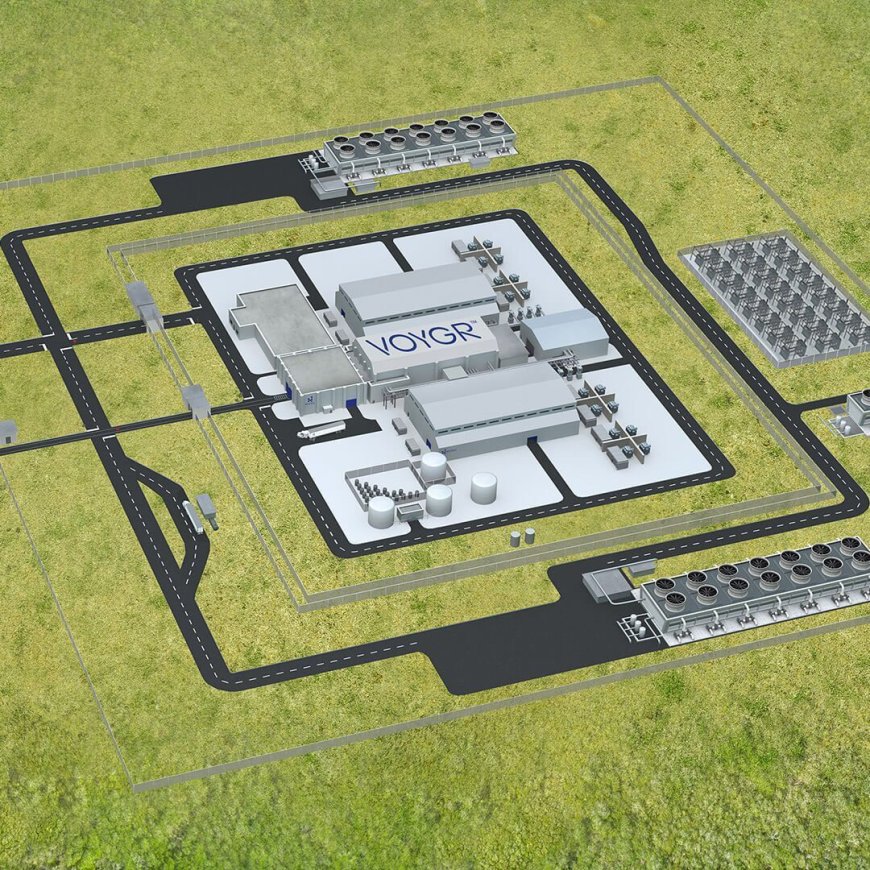
Reactor: VOYGR-6 / VOYGR-12 plants built around 77 MWe PWR modules (upgraded from the earlier 50 MWe design). Up to 12 modules combine for ~924 MWe. Natural circulation removes the need for many primary pumps, and the modules sit below grade in a large pool.
Status & funding: NuScale is still the only SMR design formally certified by the U.S. NRC (for the 50 MWe design; the 77 MWe upgrade is under review). Various international agreements are in play:
- Poland (KGHM), Nova Scotia, Ghana, and Romania exploring deployments.
- Targeting first commercial plants late 2020s, with 2029 often cited as a realistic window.
- December 2024: raised roughly $227.7 million via warrant exercises.
- September 2025: NuScale, TVA, and ENTRA1 announce a 6 GW SMR program in the U.S. Southeast using off-balance-sheet project finance structures.
AI/data-centre alignment: NuScale’s marketing explicitly targets industrial parks and data-centres, with plant assembly times quoted in the 24–36 month range and levelised costs in the ~$3,000–6,000/kW band. Expect early NuScale–AI experiments around 2030 if the TVA/ENTRA1 program hits its milestones.
GE Hitachi – BWRX-300 as the workhorse LWR SMR
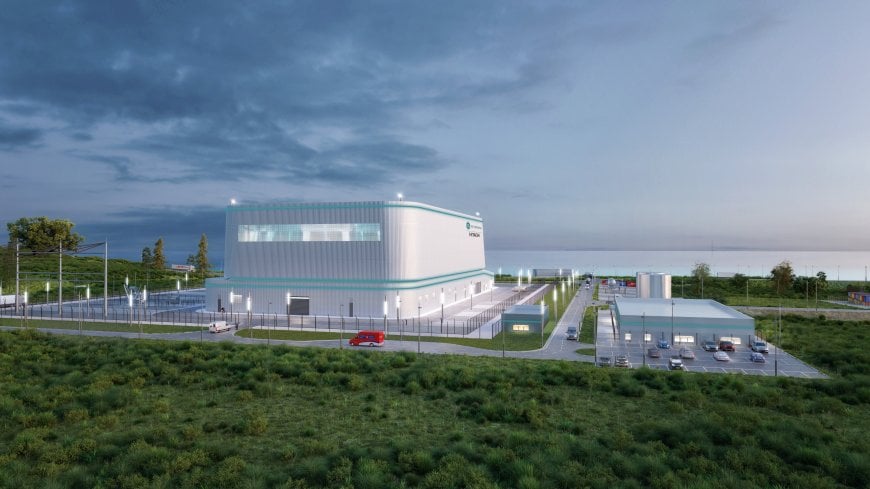
Reactor: BWRX-300 – 300 MWe boiling-water SMR with natural circulation and aggressive cost-down claims (up to ~60 % lower capital cost versus earlier BWR designs). It leans heavily on proven BWR tech, just with modern simplifications and modular construction.
Status:
- Ontario Power Generation (OPG) received a licence to prepare the Darlington site; target first unit online ~2028.
- Poland (Synthos Green Energy) and Romania have lined up BWRX-300 projects for industrial and grid use.
- Entered Step 2 of the UK Generic Design Assessment in 2025.
- TVA is targeting a Clinch River deployment around 2033.
AI link: BWRX-300 is effectively a 300 MWe Lego brick for industrial + digital clusters. Synthos and other partners are openly targeting industrial and data-centre hubs in Poland, Romania, and Hungary, with an LOI for up to 10 BWRX-300 units in Hungary alone.
If someone in the West deploys an LWR SMR at scale first, BWRX-300 is a top candidate. It doesn’t try to be exotic. It tries to be bankable.
TerraPower – Natrium as “nuclear with a built-in battery”
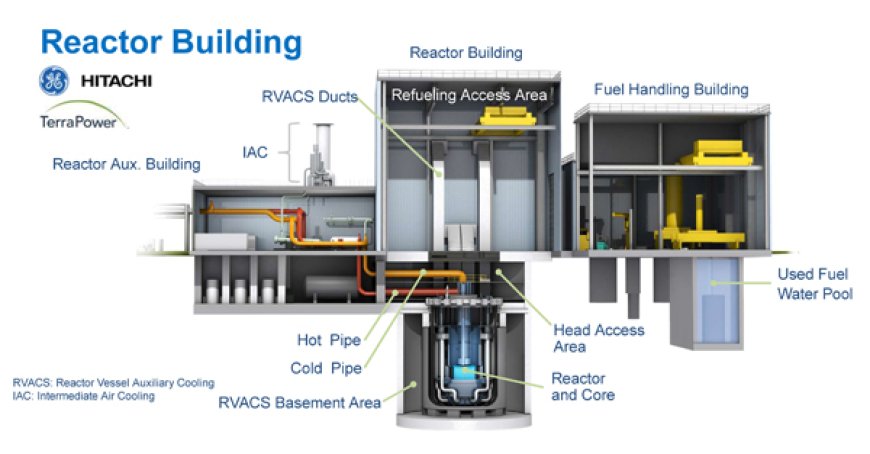
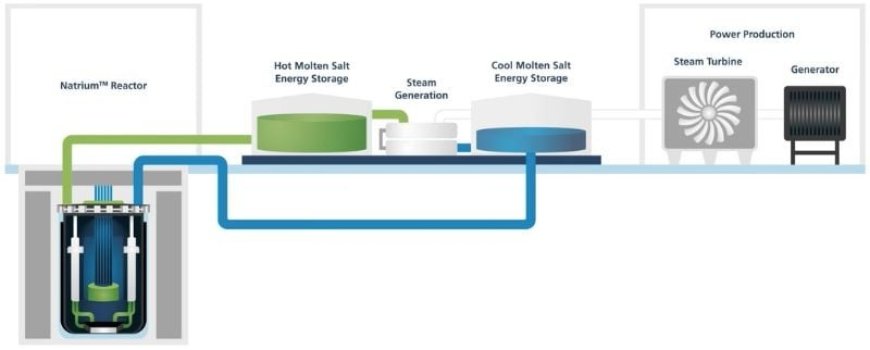
Reactor: Natrium – a 345 MWe sodium-cooled fast reactor coupled to a molten-salt thermal storage system capable of spiking output up to 500 MWe during peak demand.
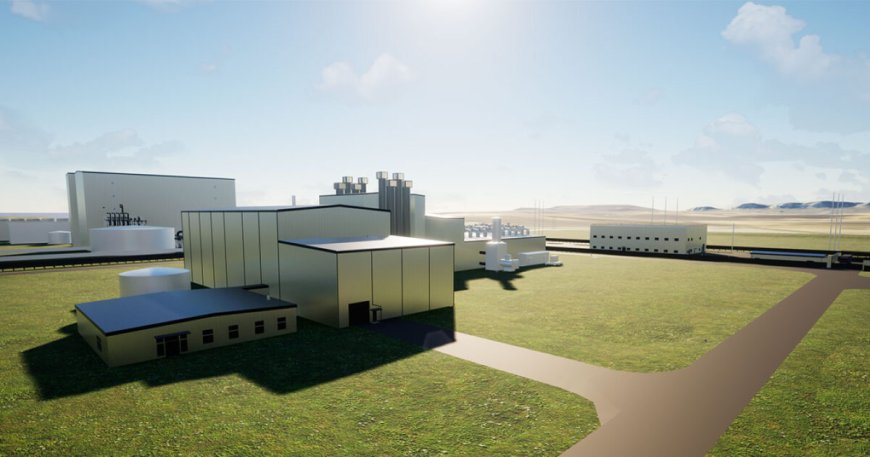
Status:
- Demonstration plant underway in Kemmerer, Wyoming, with operation targeted around 2030.
- DOE support up to ~$2 billion in cost-sharing.
- NRC safety evaluation expected mid-2026.
AI/data-centre angle: TerraPower has teamed with Sabey to explore AI-adjacent data-centre deployments. Natrium’s storage layer gives you nuclear baseload plus peak-shaving – a potential weapon in a grid with both volatile renewables and volatile AI loads.
The downside: HALEU fuel, sodium coolant complexity, and first-of-a-kind risk mean Natrium is not the first wave into AI campuses. It’s a 2030s–2040s story – but a powerful one if the demo proves out.
X-energy – TRISO heat for Amazon and friends
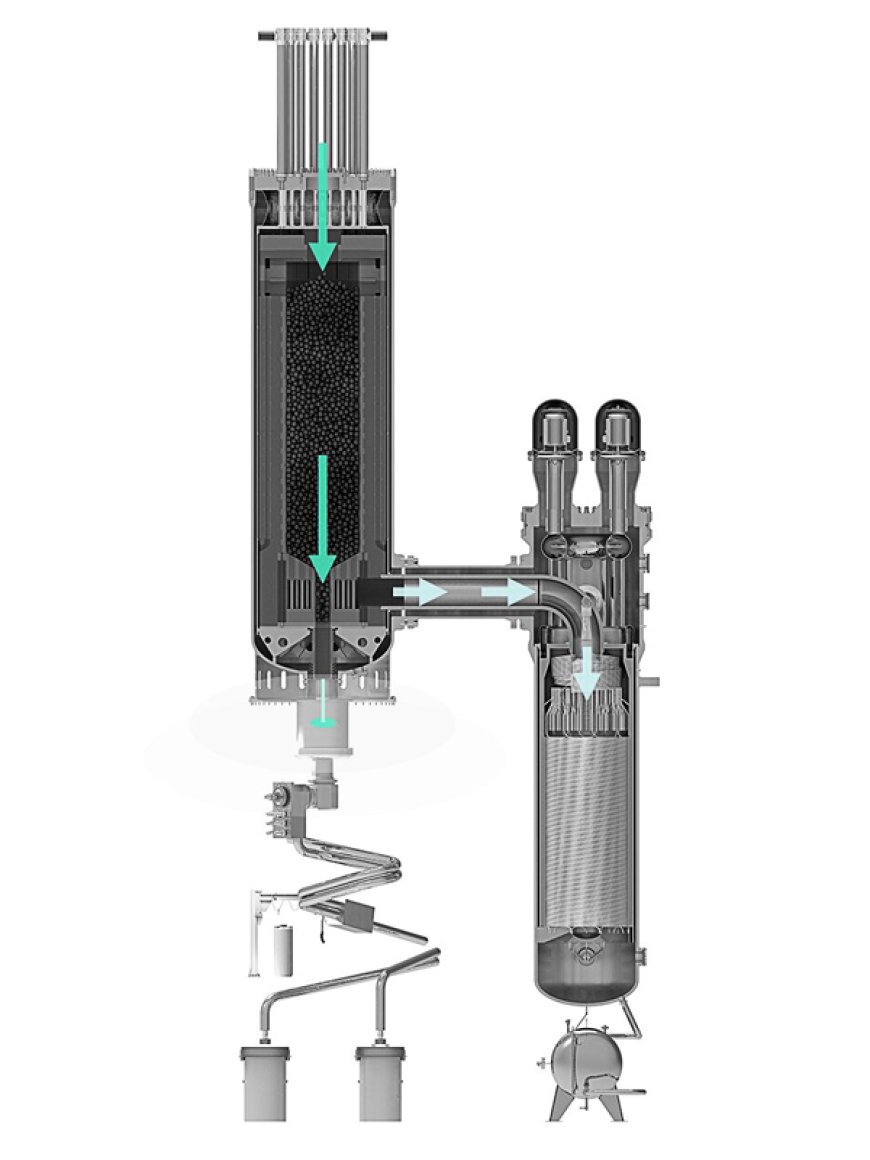
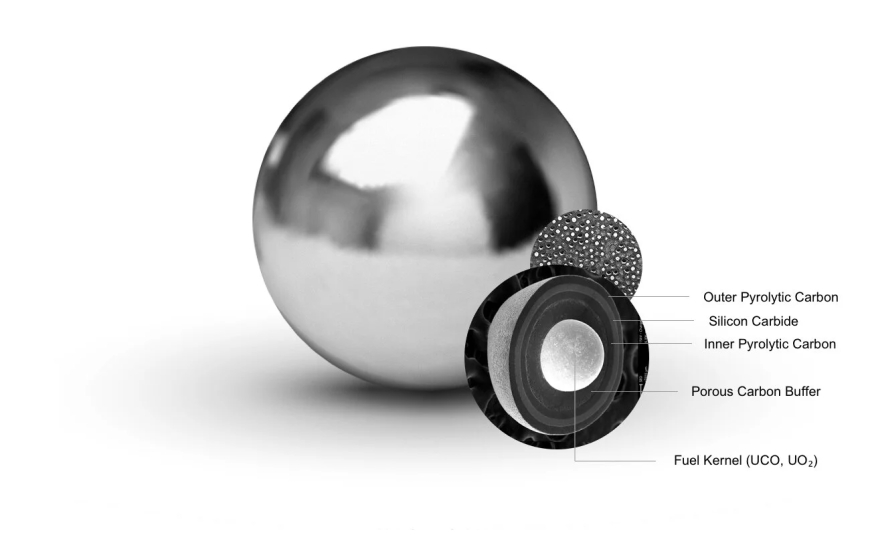
Reactor: Xe-100 – an 80 MWe / 200 MWth high-temperature gas-cooled reactor using helium coolant and TRISO fuel. Four reactors form a 320 MWe plant; multiple four-packs can scale up.
Status & funding:
- October 2024: Amazon leads a $500 million Series C-1 round; may reach $700 million.
- Demonstration plant planned at Dow’s Seadrift site in Texas by ~2030.
- TRISO fuel facility (TX-1) targeting ~8 metric tonnes/year output by 2027.
AI/data-centre alignment:
- Amazon & Energy Northwest plan an initial 320 MWe four-pack in Washington state, with potential to scale to 960 MWe by 2039.
- October 2025: X-energy, Amazon, Korea Hydro & Nuclear Power and Doosan announce plans to mobilise up to $50 billion to deploy Xe-100 SMRs specifically to meet AI data-centre loads.
Xe-100 is one of the clearest examples of Big Tech directly underwriting advanced nuclear. The catch is again HALEU supply and regulatory learning curves for HTGRs. But if the fuel factory comes online and the Dow + Energy Northwest projects hit milestones, Xe-100 becomes a prime AI partner in the early-to-mid-2030s.
Oklo – micro-reactors as a service (12 GW booked)
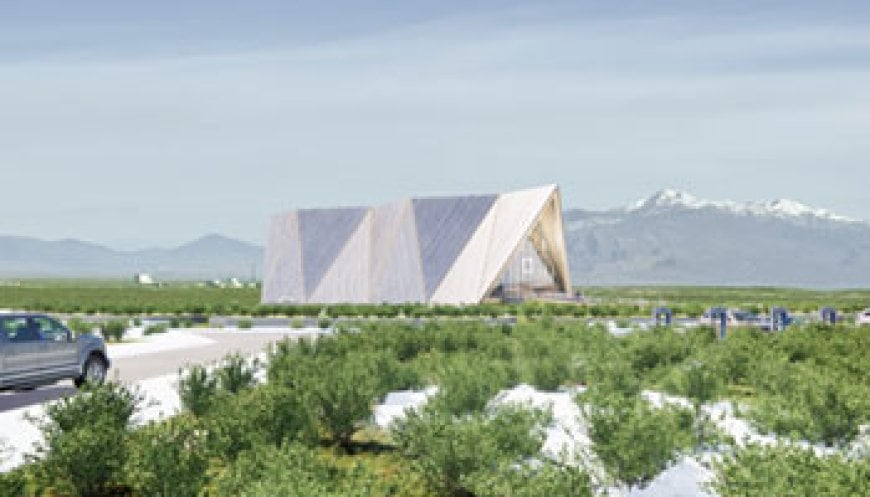
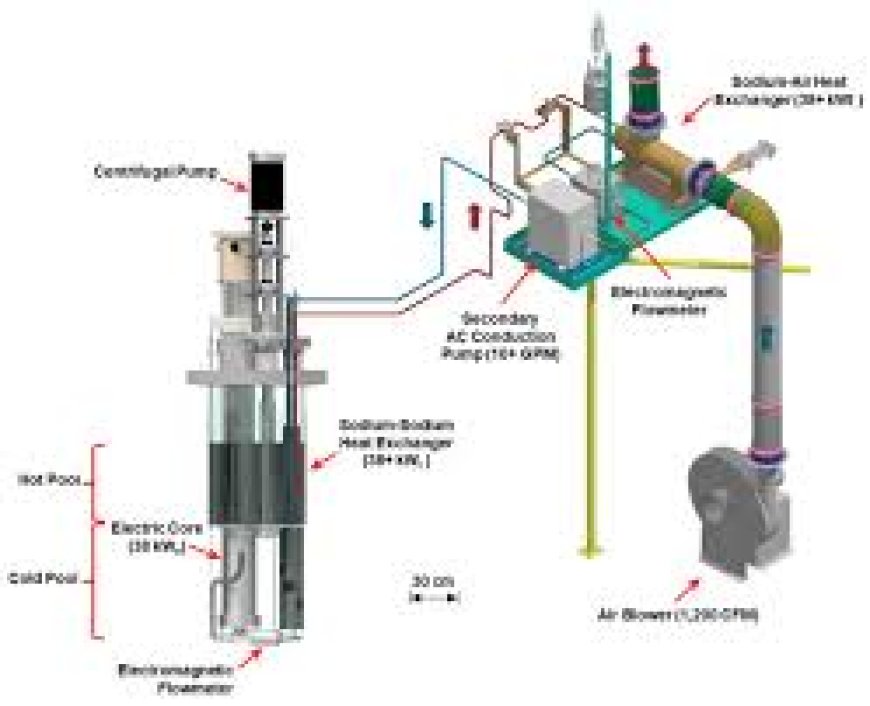
Reactor: Aurora – a 75 MWe liquid-metal-cooled fast micro-reactor (scaled up from 50 MWe specifically to meet data-centre demand). Metallic fuel, long (~10-year) fuel cycle, self-stabilising passive characteristics.
Status:
- Plans to resubmit a combined licence application to NRC in late 2025 after earlier rejection.
- First commercial plant targeted for Idaho National Laboratory around 2027–2028 (ambitious).
- December 2024: Oklo and Switch sign a master power agreement aligning up to 12 GW of Oklo units for Switch data-centre campuses through 2044.
- Total announced order pipeline around 14 GW.
- Selected by U.S. Air Force for a micro-reactor project at Eielson AFB in Alaska, targeting ~2030 operation if awarded.
Business model: Oklo leans heavily into “energy as a service”: it will own and operate the reactors, selling power to data-centre customers under long-term PPAs while keeping nuclear licensing in-house.
Kairos Power – Hermes and Google’s 50 MW beachhead
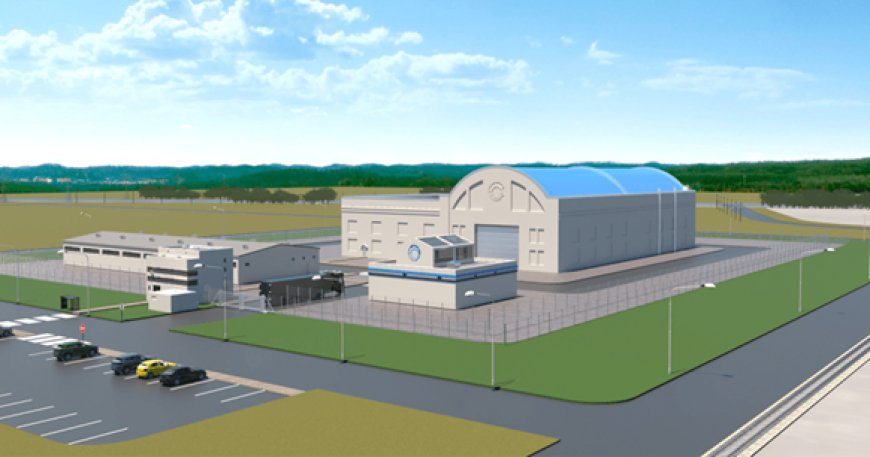
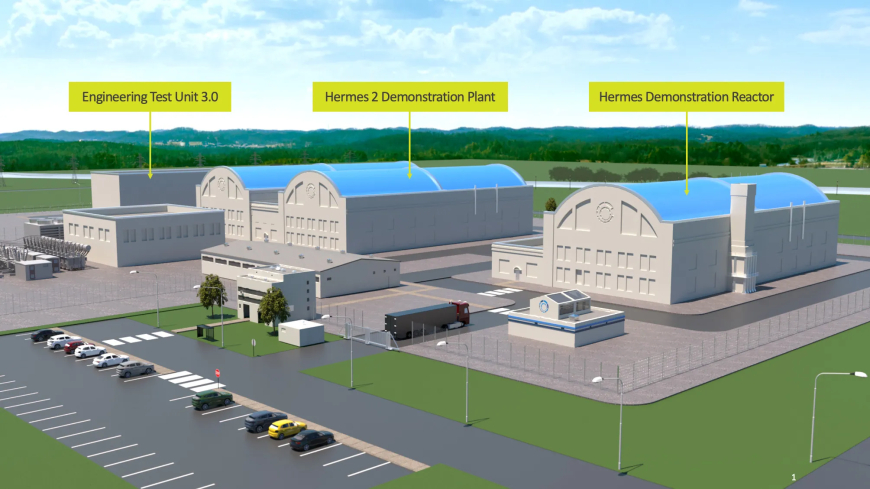
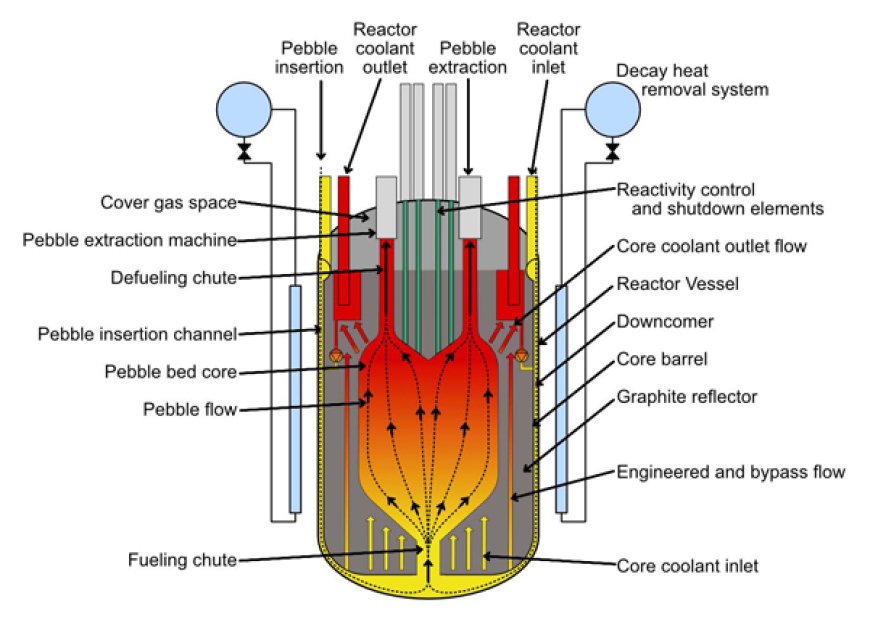
Reactors: Hermes – low-power, 35 MWth fluoride-salt-cooled high-temperature reactor (FHR) demonstration; Hermes 2 – scaled unit (~50 MWe) for grid power.
Status:
- NRC issued construction permits in late 2023; nuclear construction on Hermes started May 2025.
- Hermes demo targeted to operate before 2030.
- September 2025: Google, TVA, and Kairos sign a power purchase agreement for Hermes 2 to deliver 50 MW to Google data-centres in Tennessee and Alabama starting around 2030.
AI angle: Google has openly stated a goal to secure ~500 MW of SMR capacity by 2035, and Hermes is its early laboratory. Kairos uses LEU fuel and a low-pressure fluoride salt coolant, giving high thermal efficiency with passive safety – a potentially attractive combo for AI + process-heat hubs.
Westinghouse eVinci – micro-reactor “appliance”
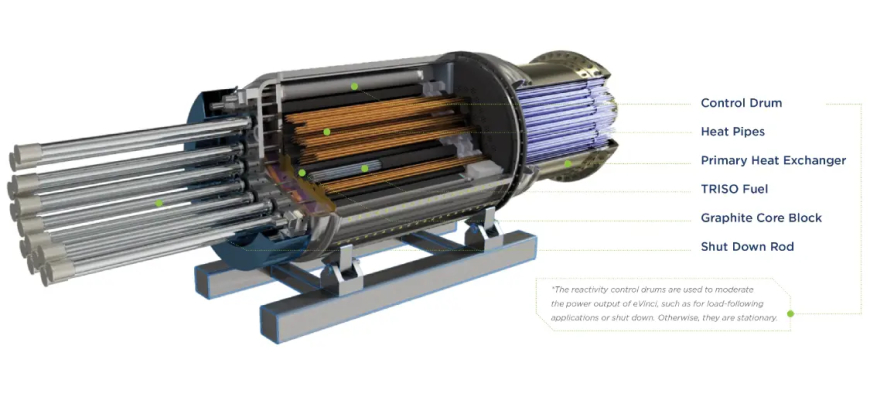
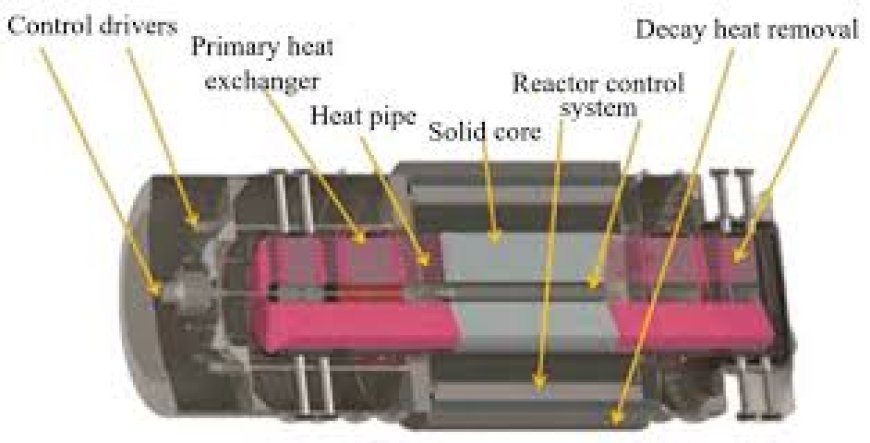
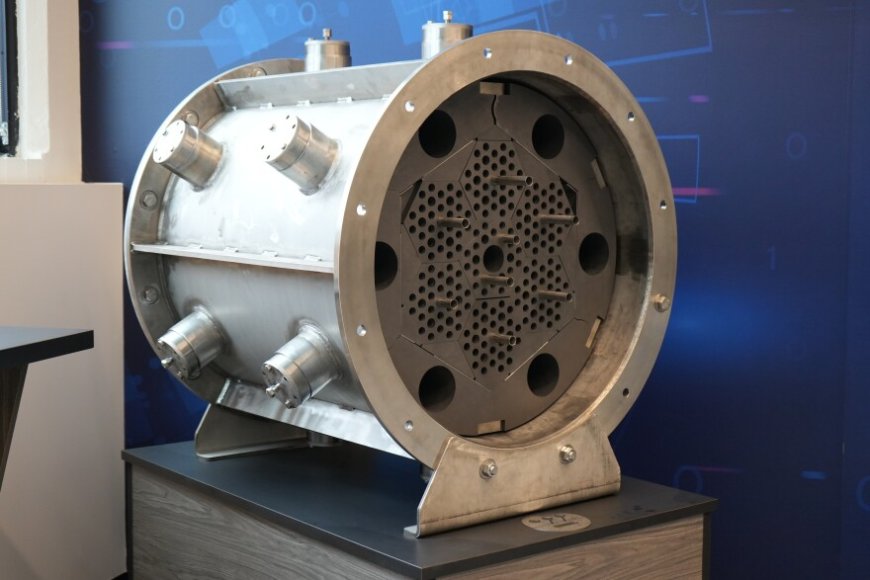
Reactor: eVinci – ~5 MWe / 13 MWth heat-pipe micro-reactor, sealed core, no liquid primary coolant loops, and an eight-year refuelling interval, all packaged for rapid (<30 day) on-site installation.
Status:
- Instrumentation and control system approved by NRC in December 2024.
- Demonstration planned at Idaho National Laboratory around 2026.
- Commercial deployment targeted for 2029.
AI use-case: Remote or edge data-centres, telecom clusters, military compute nodes – anywhere the grid is weak or non-existent. No headline AI customer yet, but structurally the product is very much built around that “drop-in power block” idea.
Deep Atomic – MK60: power + 60 MW cooling in one box
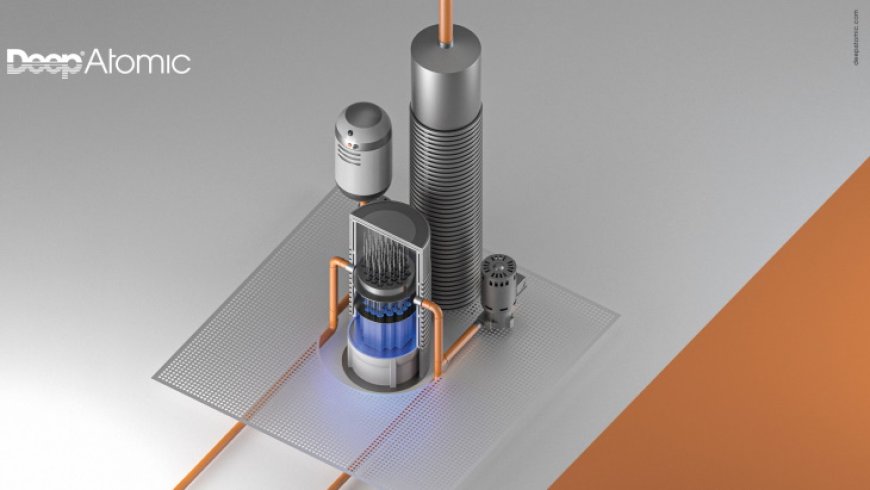
Reactor: MK60 – 60 MWe light-water SMR paired with a 60 MW absorption chiller, explicitly aimed at data-centres. LEU fuel, modular architecture, integrated passive safety.
Status:
- Entered NRC pre-application in March 2025 to begin regulatory engagement early.
- June 2025: signs MOU with ARC Clean to deploy ARC-100 sodium-cooled fast reactors alongside MK60 units for AI infrastructure.
AI link: MK60 is one of the purest “AI-first” nuclear products in the market today: it bakes in cooling and is marketed as plug-and-play for hyperscale campuses that can’t get enough grid capacity or cooling water.
ARC Clean Technology – ARC-100 with a 20-year fuel cycle
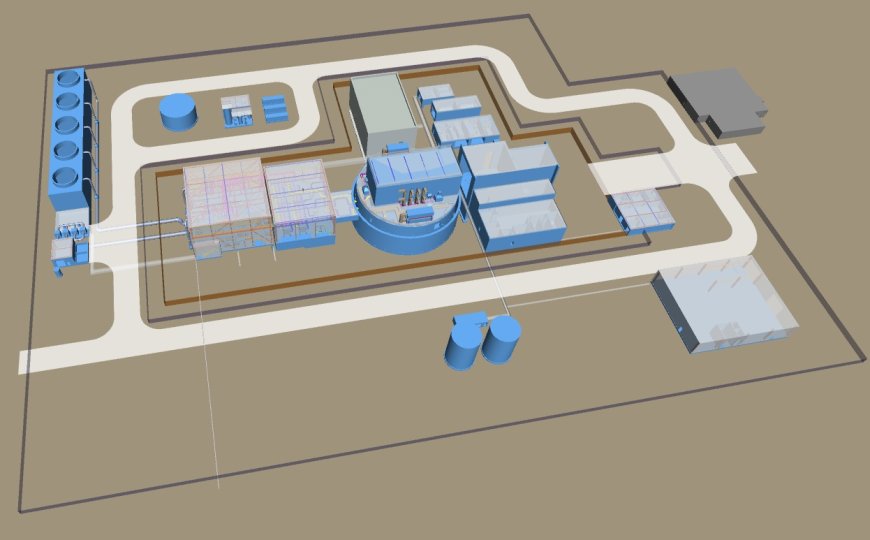
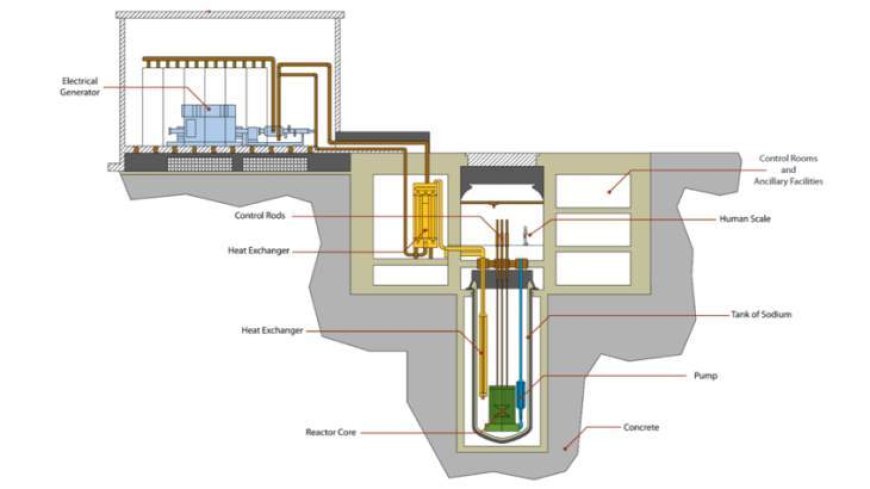
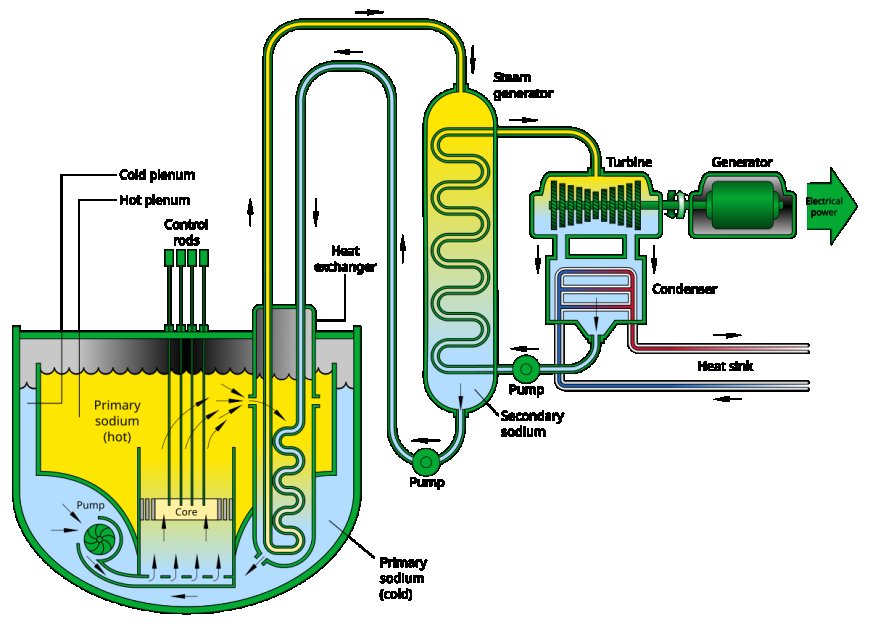
Reactor: ARC-100 – 100 MWe sodium-cooled fast reactor, based on the EBR-II design, with an advertised fuel cycle of over 20 years.
Status:
- Canada’s New Brunswick Power is evaluating ARC-100 for deployment at Point Lepreau.
- Partnering with Deep Atomic as part of its AI infrastructure offering.
AI angle: ARC-100 brings ultra-long-cycle, compact, baseload nuclear; paired with MK60’s integrated cooling, the combo is designed to look like a “nuclear utility in a box” for AI/industrial clusters.
Holtec International – SMR-300 and “Mission 2030”
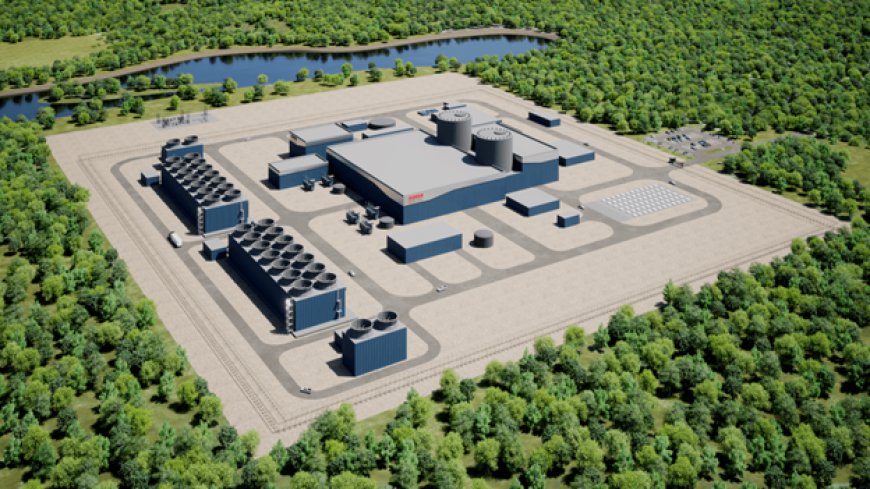
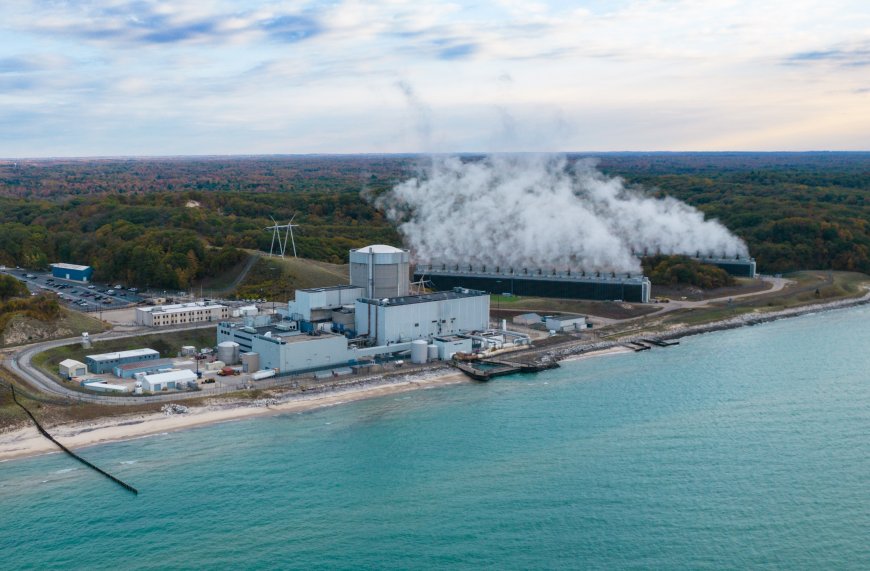
Reactor: SMR-300 – 300 MWe pressurised-water SMR, underground reactor vessel, water-filled annulus for passive cooling, forced circulation with natural-circulation backup.
Status:
- “Mission 2030” aims for a 10 GW SMR-300 fleet in North America.
- First two SMR-300s planned at the Palisades site in Michigan after restarting the existing large unit.
- Holtec targets Palisades restart around 2025 and SMR-300 operations around 2030.
- Mitsubishi Electric will provide I&C systems.
AI angle: Underground placement and air-cooled condensers mean SMR-300 can be sited in water-constrained regions and built close to industrial or AI hubs. No marquee AI deals yet, but structurally the design is well suited to Midwestern data-centre clusters.
NANO Nuclear Energy – Kronos and the micro-grid cluster model
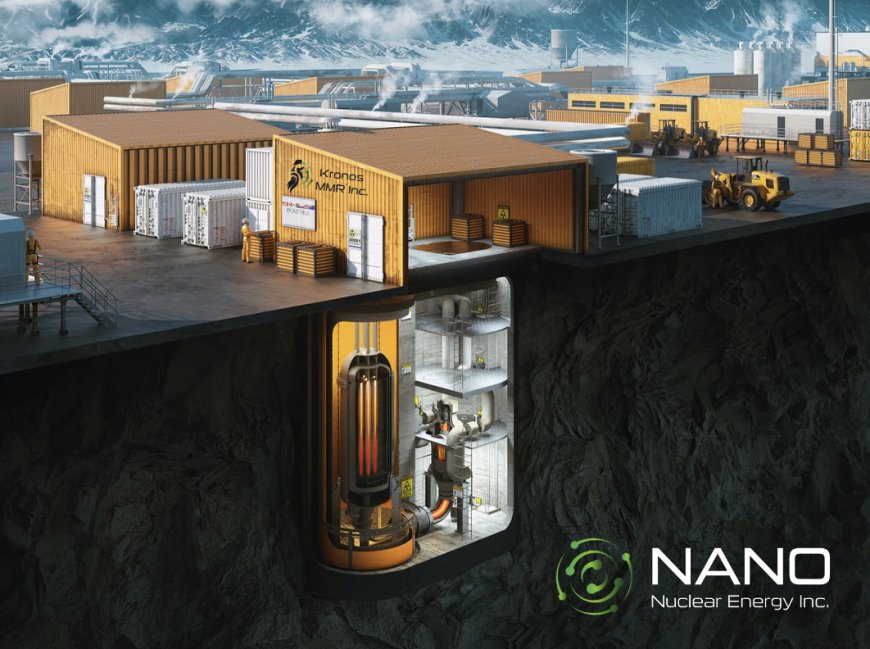
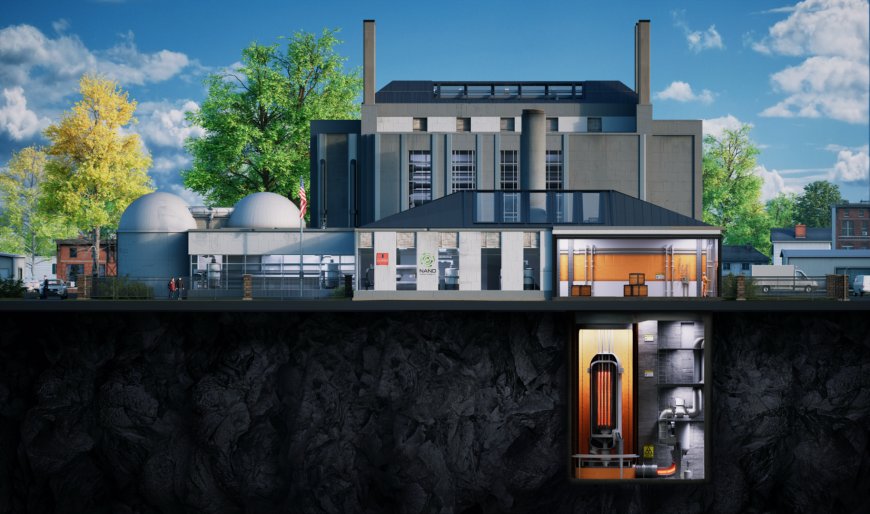
Reactors:
- Kronos MMR: ~15 MWe high-temperature gas-cooled reactor for micro-grids and data-centres, designed to be co-located and deployed as multi-unit clusters reaching gigawatt-scale.
- Zeus: solid-core “battery” reactor concept.
- Odin: low-pressure coolant reactor concept.
- Loki: portable micro-reactor concept aimed at space and remote use.
Status:
- 2025: University of Illinois announces a Kronos MMR demonstration on campus.
- Illinois awards NANO Nuclear ~$6.8 million for manufacturing and R&D facilities.
- Pursuing licensing pathways in Canada and the U.S.
- First commercial deployments targeted in the early 2030s.
- New York’s Blue Energy is exploring a 1.5 GW campus for Crusoe’s AI data-centre, starting on gas and transitioning to SMRs (including Kronos) by ~2031.
AI angle: Kronos is explicitly designed for data-centre co-location. Think clusters of 15 MWe blocks around compute campuses, gradually displacing gas as reactors come online.
Radiant, Last Energy, BWXT and the micro-reactor swarm
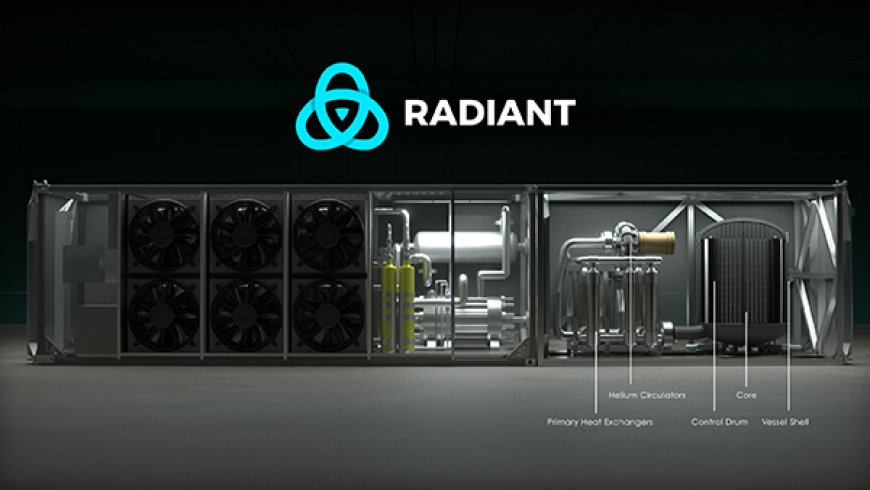
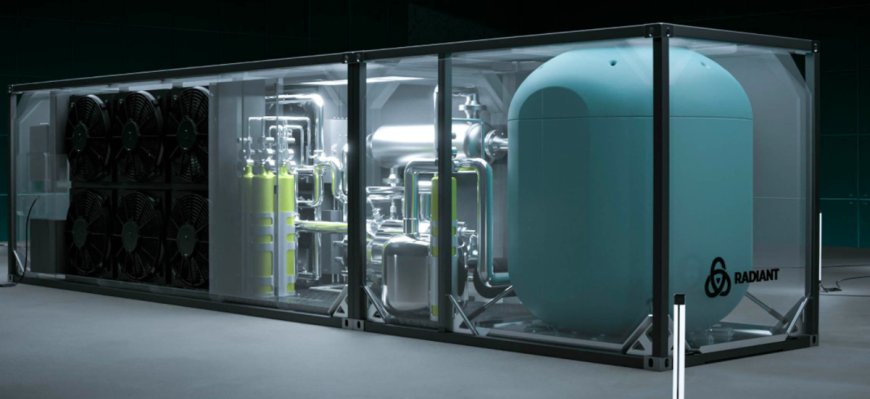
Radiant Nuclear:
- Kaleidos micro-reactor (~1 MWe), portable and air-transportable, with multi-year sealed core.
- Test at Idaho National Laboratory’s DOME facility planned around 2026.
- First deliveries to a U.S. military base targeted for ~2028.
- Equinix has pre-ordered 20 Kaleidos units and signed an LOI for up to 250 MWe of Rolls-Royce SMR capacity for its European data-centres – mixing micro-reactors and larger SMRs in one portfolio.
Last Energy:
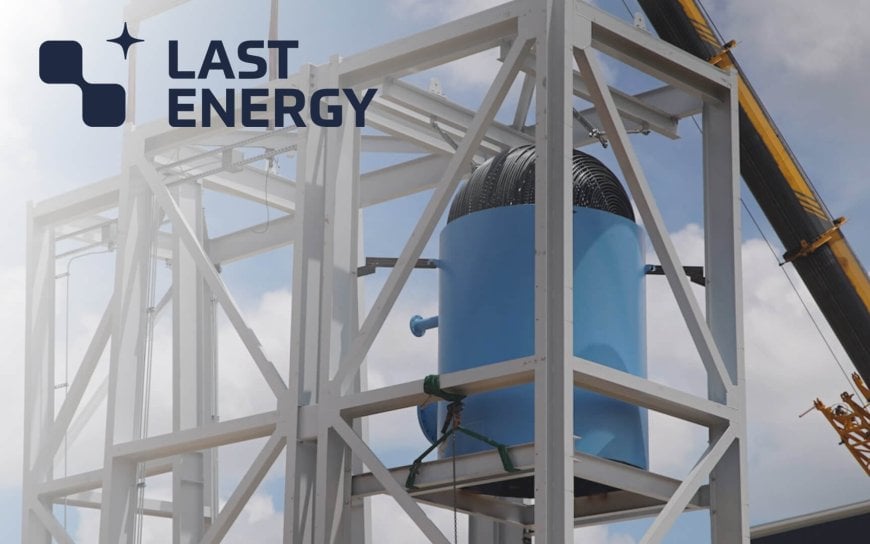
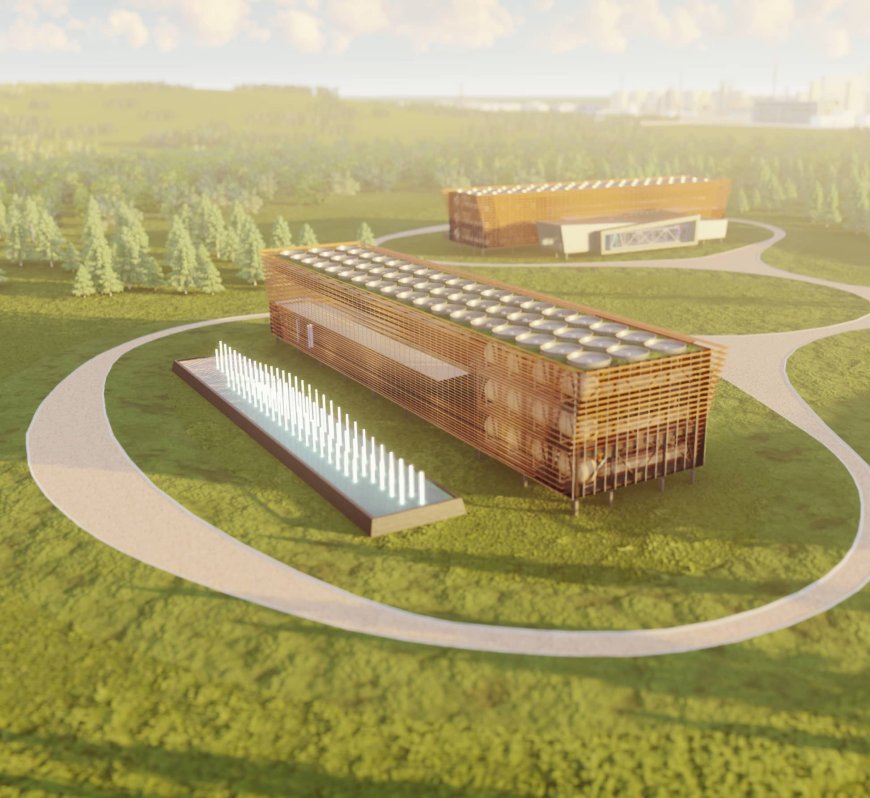
- 20 MWe micro-reactor built entirely in factory modules.
- Applied for a UK site licence to build four units in South Wales, first unit aiming for 2028.
- Business model built on “power plant in a box” plus long-term PPAs.
BWX Technologies (BWXT):
- Designing a ~5 MWe micro-reactor for the U.S. DoD’s Project Pele – TRISO-fuelled, transportable.
- Heavily involved in naval reactors and TRISO fuel manufacturing.
All three sit at the intersection of military, remote infrastructure, and edge compute. Over time, those deployments will bleed into commercial AI edge sites in places where the main grid simply cannot economically follow.
Company landscape – UK & Europe
Rolls-Royce SMR – 470 MWe “compact big iron” for Europe
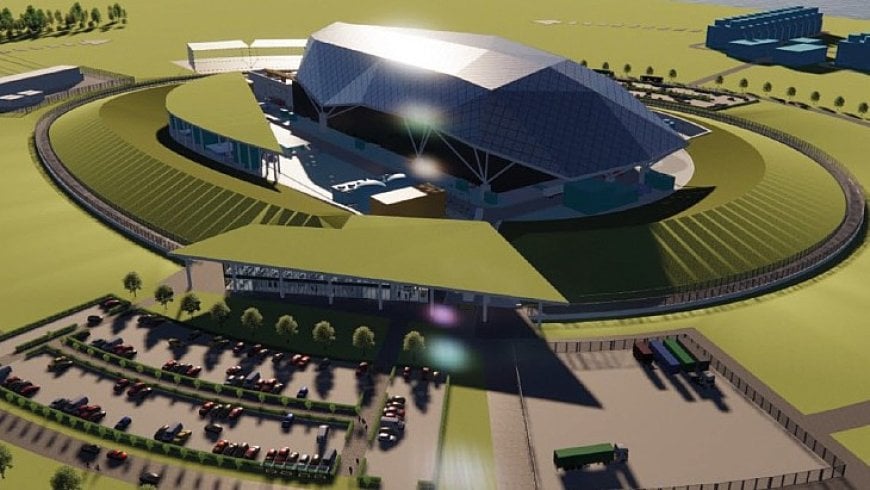
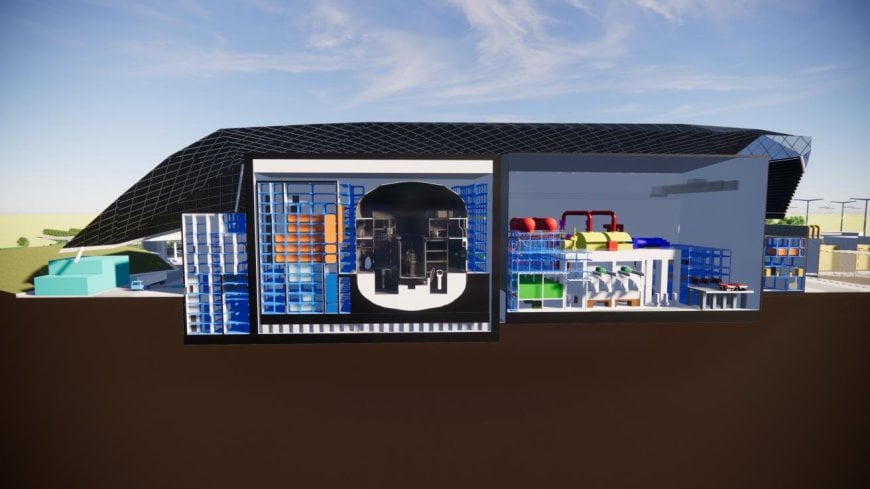
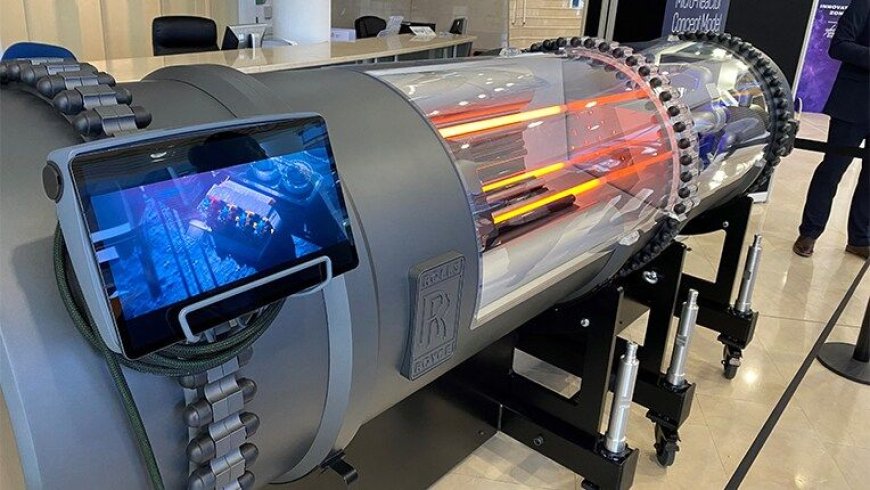
Reactor: Rolls-Royce SMR – around 470 MWe, three-loop PWR, with a high degree of off-site modular fabrication (Rolls-Royce claims ~80 % of the plant can be built in factories).
Status:
- In the final stages of the UK Generic Design Assessment as of 2025.
- Targeting first commercial deployment in the mid-2030s.
- Has signed MOUs with Czech suppliers; aiming at Central & Eastern European export markets.
- Equinix LOI for up to 250 MWe of Rolls-Royce SMR capacity for Dutch data-centres.
AI angle: At ~470 MWe, a single Rolls-Royce unit can feed an entire regional AI campus or mix compute + general grid load. Equinix’s LOI is an early signal that European data-centre players see SMRs as part of their 2030s decarbonisation path.
Newcleo – lead-cooled fast reactors with recycled fuel
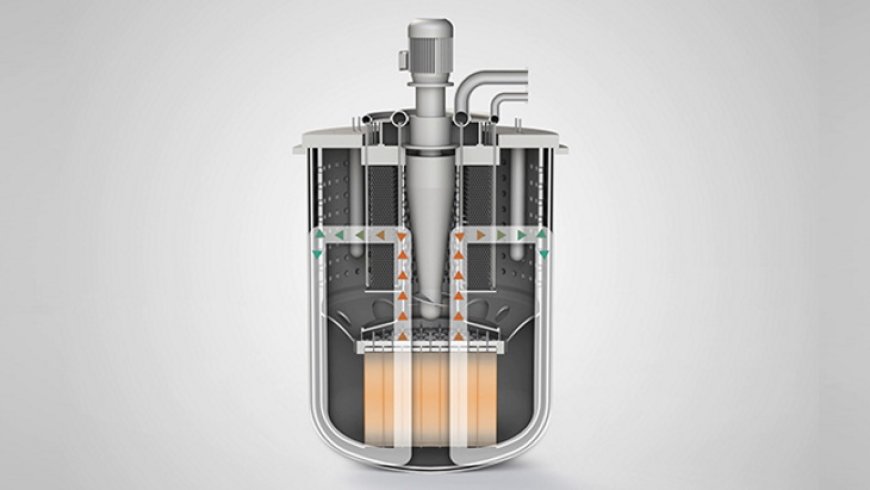
Reactors: LFR-AS-30 (~30 MWe demonstrator) and LFR-AS-200 (~200 MWe commercial). Both are lead-cooled fast reactors using recycled MOX fuel.
Status:
- Planned 30 MWe prototype in France by 2030 and 200 MWe unit in the UK by 2033.
- July 2025: suspends UK programme due to policy/financial support gaps; pivots toward Slovakia and Lithuania, partnering with local nuclear entities.
AI angle: No direct AI deals yet. But if Newcleo can turn waste MOX into baseload power at scale, Eastern European AI/industrial clusters could be a natural match.
Blykalla (LeadCold) – SEALER in the Nordic north
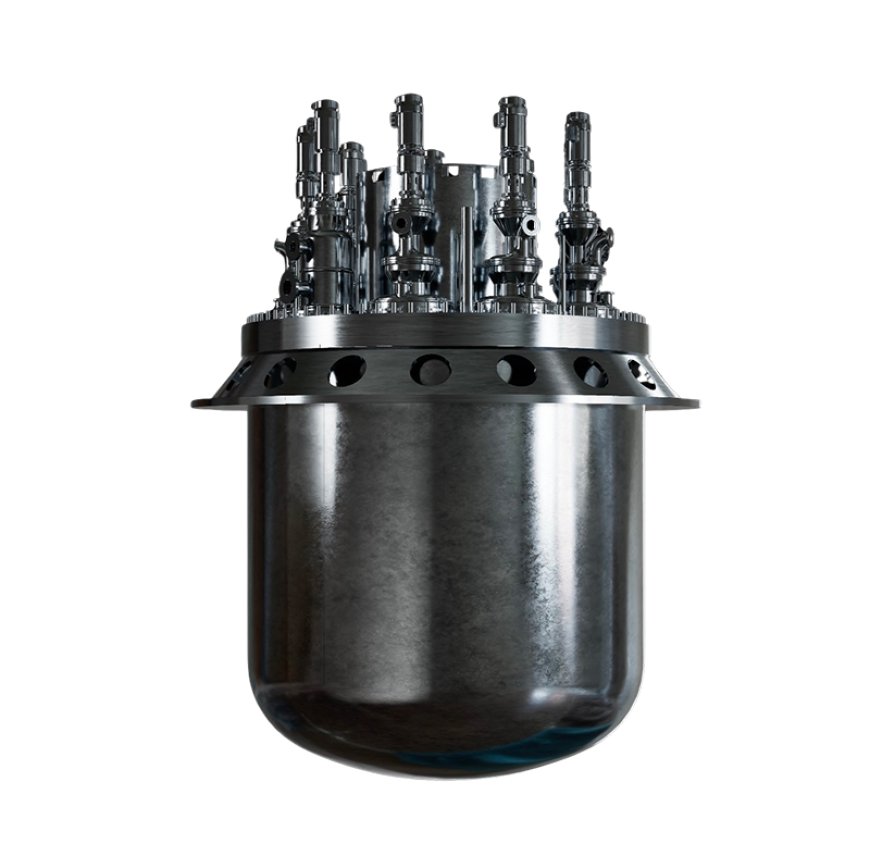
Reactor: SEALER – ~55 MWe lead-cooled SMR, LEU fuel, aimed initially at remote/off-grid applications.
Status:
- Construction of Sweden’s advanced reactor test facility began early 2025.
- Testing scheduled to start around Q3 2025.
- Commercial SEALER units targeted for the early 2030s, with the ability to deploy multiple units for higher power.
AI angle: Nordic data-centres already exist because of cool climates and cheap power. SEALER could become an additional baseload option in the 2030s, especially for remote northern sites.
Terrestrial Energy – IMSR and high-temperature nuclear heat
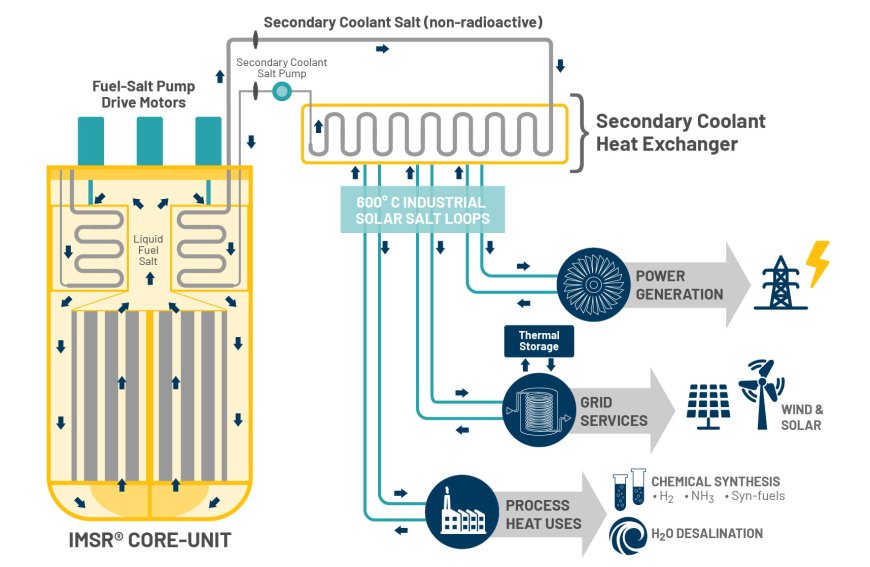
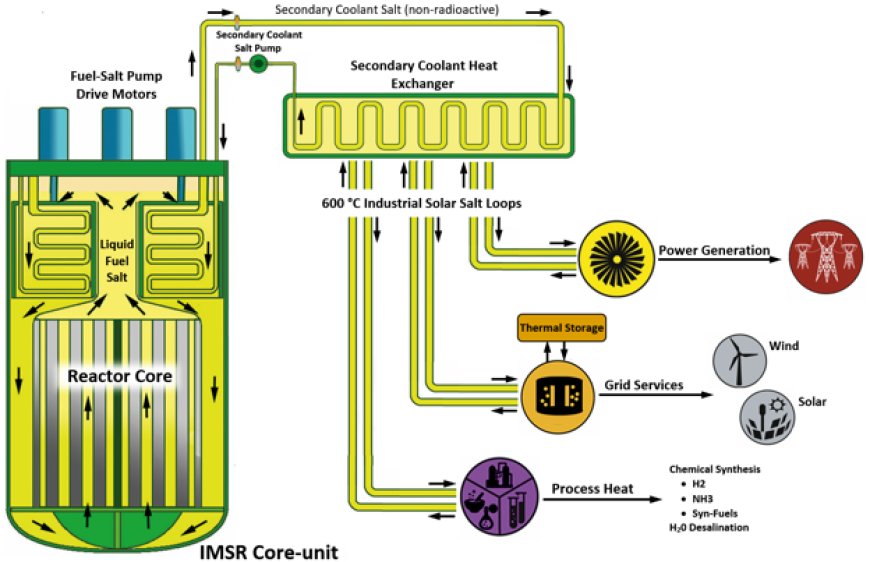
Reactor: Integral Molten Salt Reactor (IMSR) – plant layout based on two 390 MWe modules (822 MWth total), liquid fuel salt in an integral vessel, with the core vessel replaced every ~7 years.
Status:
- Completed Phase 2 of the Canadian vendor design review in 2023.
- Went public via SPAC in 2025, raising about $280 million.
- Texas A&M selected Terrestrial to build a 1 GW IMSR plant at its RELLIS campus by the mid-2030s.
- Commercial fleet plants targeted throughout the 2030s.
AI angle: IMSR’s real superpower is high-temperature heat (~700 °C), which can drive hydrogen, industrial processes, and even advanced cooling cycles. No headline AI partnership yet, but IMSR could be the backbone of heavy industry + AI hybrid campuses.
Company landscape – Russia & Asia
Rosatom – KLT-40S, RITM-200, and floating SNPPs for data-centres
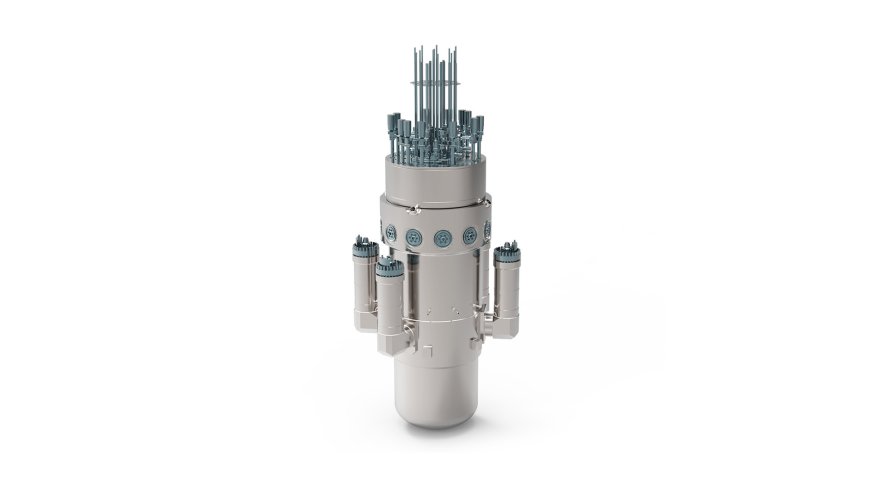
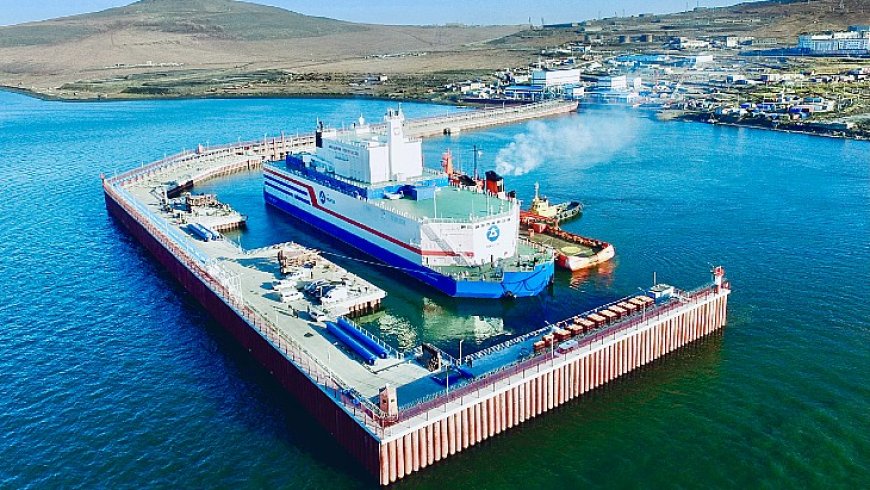
Reactors:
- KLT-40S: 35 MW modules used on the floating plant Akademik Lomonosov (70 MW total).
- RITM-200N/M: land-based and floating SMRs producing ~55–100 MW per module; used on Russia’s nuclear icebreakers.
Status:
- Akademik Lomonosov has been operating in the Arctic for several years.
- First land-based RITM-200N plant under construction in Ust-Kuyga (Yakutia), scheduled to come online in the next few years.
- Floating RITM-200M units are being marketed as export products for coastal power needs.
AI/data-centre strategy: Rosatom explicitly pitches small nuclear power plants (SNPPs) as solutions for data-centres, especially in regions with weak grids:
- 2024: modular data-centre pilot at the Kola NPP to act as a template for remote energy-intensive facilities.
- Floating RITM-200M units (up to 100 MW) positioned for coastal data-centres in South/Southeast Asia, Africa, and Latin America.
- Land-based RITM-200N units targeted at continental data-centre or industrial clusters.
Rosatom’s five-to-ten-year horizon is clear: build a portfolio of SNPPs and floating units and capture 15–20 % of the emerging SMR market, with data-centres as one of the core export verticals.
China – Linglong One and 4th-gen HTGRs
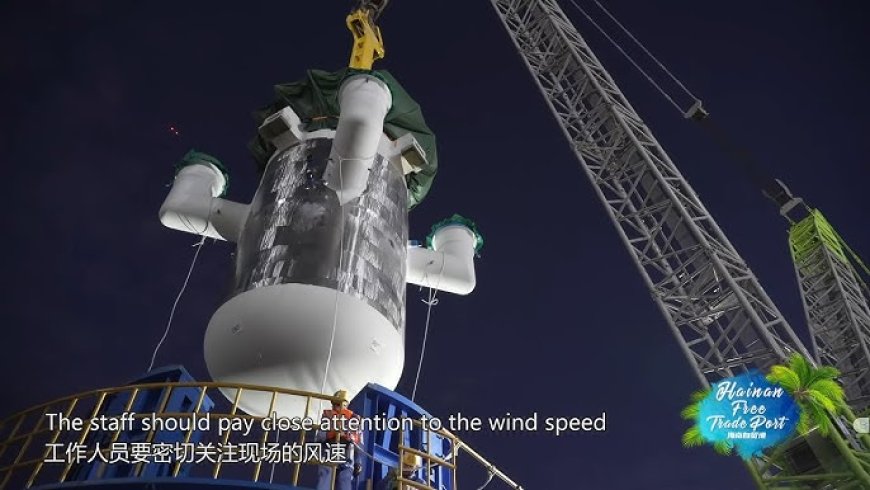
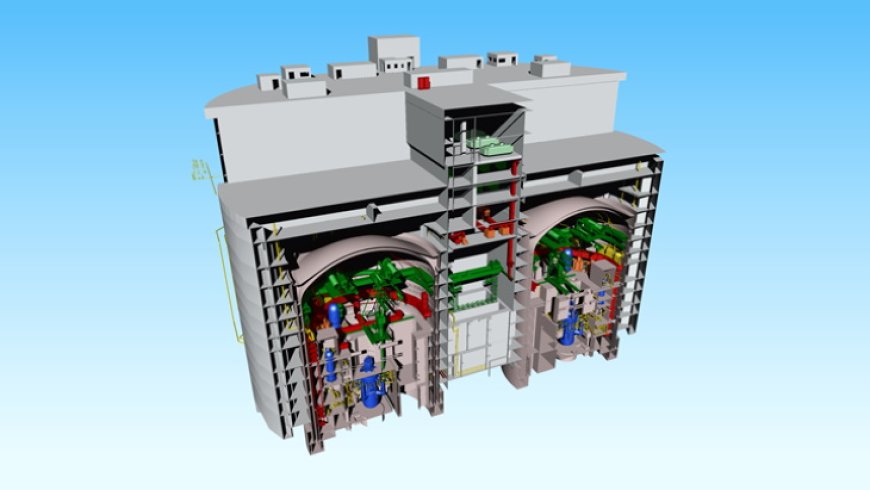
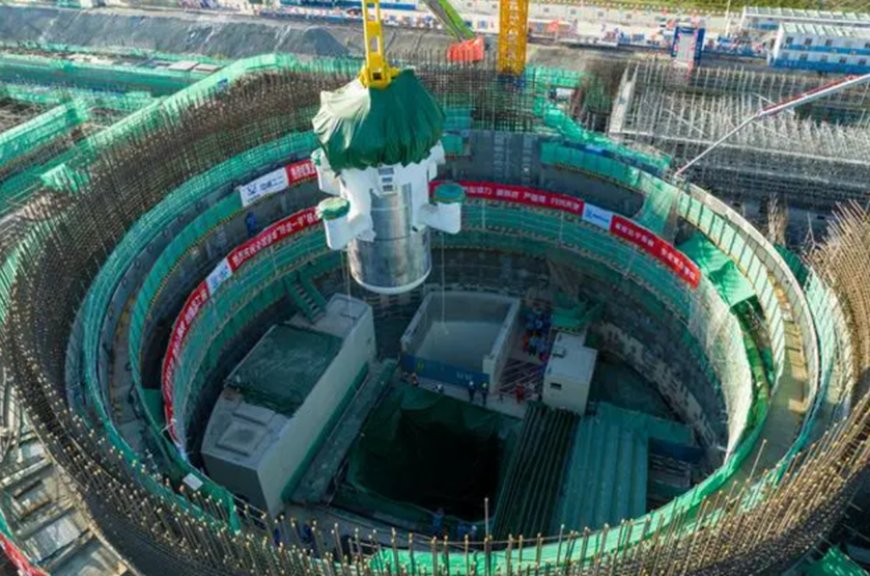
Reactors & status:
- World’s first commercial 4th-generation high-temperature gas-cooled reactor entered operation in 2023.
- Linglong One (ACP100) – land-based PWR SMR in Hainan province, construction targeted for completion around 2026.
- Linglong One is positioned as the first commercial land-based SMR of its type globally.
AI/data-centre trajectory:
- China expects SMR deployments after 2030 to supply a significant share of the power for its rapidly growing data-centre fleet.
- By 2035, combined renewables + nuclear are projected to account for nearly 60 % of electricity used by Chinese data-centres.
Net-net: China is not just building nuclear to “keep the lights on.” It is explicitly steering SMRs toward AI and cloud infrastructure, backed by a policy machine that can actually execute on 10-reactors-per-year build rhythms.
South Korea and Japan – SMRs as strategic complements
South Korea:
- Plans to add ~700 MW of SMR capacity by 2038 under its 11th Basic Power Supply and Demand Plan.
- Investing ~480 billion won (≈$349 million) in AI-related industries and next-generation nuclear.
- Nuclear share in the mix expected to rise from ~30.7 % to ~35.2 % by 2038.
Japan: major utilities are exploring advanced reactors and micro-reactors as part of a decarbonisation and hydrogen-production strategy – less publicly linked to AI than in the U.S. or China, but pointing in the same direction: nuclear as a stabilising anchor in an increasingly electrified economy.
India – BSMR-200 and indigenous SMR strategy
India’s Nuclear Power Corporation (NPCIL) and Engineers India Ltd signed an MoU in 2025 to develop the BSMR-200, a 200 MWe pressurised heavy-water SMR. It’s early-stage, but the ambition is clear: leverage India’s heavy-water reactor experience into a modular SMR that can power industrial clusters and, ultimately, data-centres in an exploding digital market.
Fuel, supply-chain & other enablers
Fuel innovations – Lightbridge and advanced fuels
Lightbridge: developing metallic nuclear fuels that can increase power output of existing reactors by roughly 17 %, and improve safety margins. Partnering with Oklo on a co-located fuel fabrication facility. Not an SMR vendor itself, but relevant because better fuel extends refuelling intervals and reduces operational risk.
HALEU bottleneck – Centrus and the HALEU race
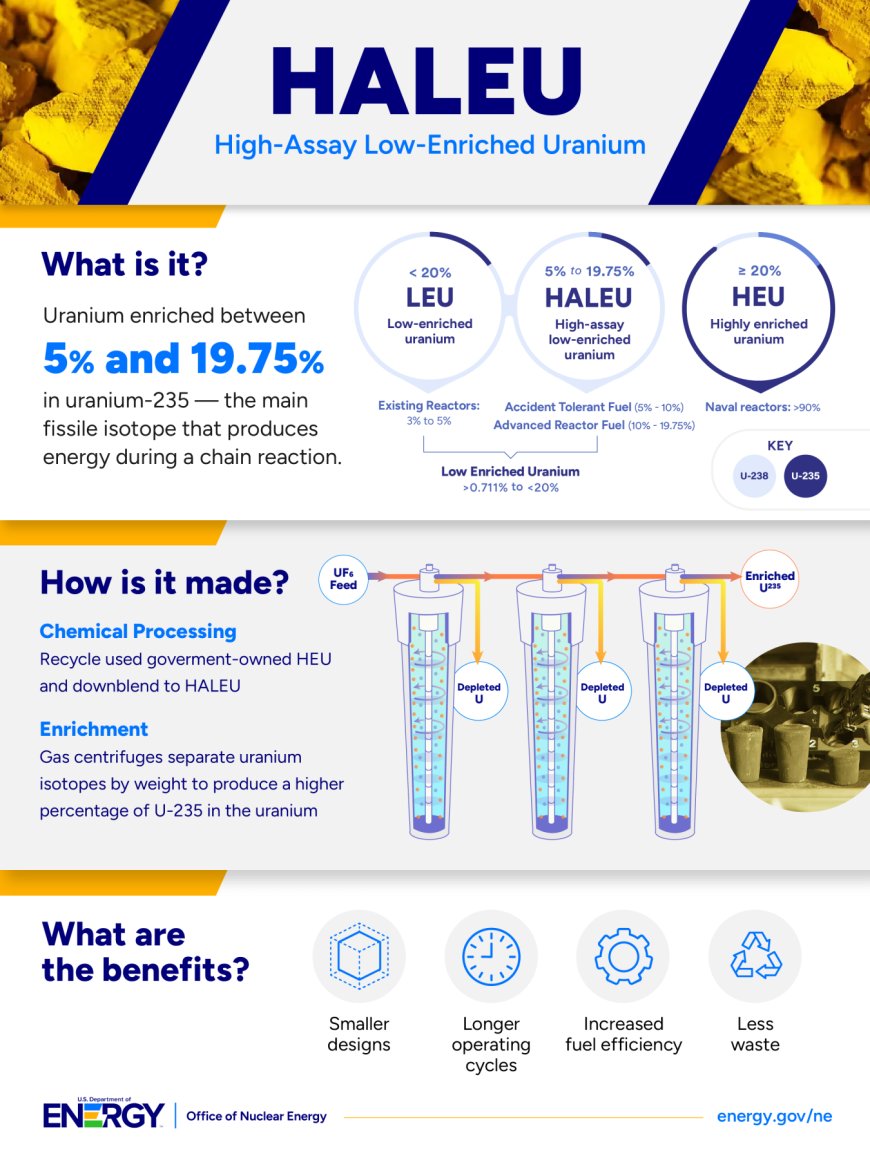
Many advanced reactors – Natrium, Xe-100, Oklo, some micro-reactors – require high-assay low-enriched uranium (HALEU), enriched to 5–20 % U-235. Today, Russia largely dominates HALEU supply.
Centrus Energy:
- As of mid-2025, the only U.S. producer of HALEU at meaningful scale.
- Delivered ~900 kg of HALEU to DOE.
- Holds an order book of roughly $3.6 billion tied to advanced reactor and fuel contracts.
If HALEU production doesn’t scale in the West, a big chunk of the “advanced” SMR cohort – especially fast reactors and HTGRs – will slip right, time-wise.
BWXT, TRISO, and defence-driven micro-reactors
BWX Technologies (BWXT):
- Major manufacturer of naval reactors and a key player in TRISO fuel supply.
- Secured a $1.5 billion contract with the U.S. NNSA for uranium processing.
- Deeply involved in Project Pele and other micro-reactor programmes with dual military/civilian potential.
Defence money is quietly funding the R&D for the micro-reactor tier that can later bleed into remote AI and edge-compute deployments.
Deployment timelines & the AI grid path
All the designs above sound impressive, but AI doesn’t live on PowerPoint. It lives on electrons. So the real question is: when do meaningful amounts of SMR power actually show up on AI grids?
| Company / Design | Target commercial operation | AI / data-centre deployment notes |
|---|---|---|
| NuScale VOYGR | Late 2020s–2029 | First NuScale-powered data-centre projects around ~2030; 77 MWe modules scale with campus growth. |
| GEH BWRX-300 | Darlington ~2028; Poland ~2029; TVA ~2033 | Partners in Poland/Romania/Hungary target industrial and data-centre clusters. |
| TerraPower Natrium | ~2030 | Exploring data-centre deployments with Sabey. Storage enables AI-peak load-following. |
| X-energy Xe-100 | Demo ~2030; WA plant ~2033 | Amazon + Energy Northwest plan 320 MWe, scaling to 960 MWe; $50 billion partnership aimed at AI load. |
| Oklo Aurora | First unit 2027–2028 (ambitious) | 12 GW master agreement with Switch for data-centres through 2044. |
| Kairos Hermes 2 | ~2030 | PPA with Google/TVA for 50 MW to data-centres in TN/AL; part of 500 MW SMR goal by 2035. |
| Westinghouse eVinci | Demo 2026; commercial ~2029 | Ideal for remote or edge data-centres; no flagship deals yet, but built for that niche. |
| Holtec SMR-300 | Palisades units by ~2030 | Mission 2030 envisions 10 GW; candidate for Midwestern AI/industrial clusters. |
| Rolls-Royce SMR | Mid-2030s | Equinix LOI for 250 MWe; targeting European data-centre and industrial axes. |
| Newcleo LFR | Demo ~2030; 200 MWe ~2033 | UK programme paused; shifting to Eastern Europe. Longer-dated AI relevance. |
| Blykalla SEALER | Early 2030s | Potential Nordic data-centre baseload; no deals yet. |
| Radiant Kaleidos | Test 2026; first deliveries ~2028 | Equinix pre-ordered 20 units for data-centres; strong edge-compute fit. |
| Last Energy micro-reactor | First UK unit ~2028 | “Plant in a box” – could be slotted into European data-centre PPAs. |
| NANO Nuclear Kronos | Early 2030s | Designed for data-centre co-location; Blue Energy exploring 1.5 GW AI campus transition to SMRs by ~2031. |
| Rosatom RITM-200N | Ust-Kuyga plant early 2030s | Floating and land-based SNPPs explicitly marketed to power remote data-centres. |
| Linglong One / China SMRs | Construction complete ~2026; broader SMR role post-2030 | China aims for SMRs to provide a large share of AI/data-centre power by the 2030s. |
| ARC-100 | Mid-2030s | Partnered with Deep Atomic for AI infrastructure packages. |
Realistically, the first meaningful nuclear-for-AI deployments in the West land in a 2028–2033 window – and they’ll start as single-site pilots, not 10-GW fleets. But once one or two of these hit stable operation with credible economics, the copy-paste effect kicks in hard.
Bottlenecks: fuel, regulation, financing, public risk & grid reality
Fuel & HALEU
Many of the “sexy” SMR designs – fast reactors, HTGRs, some micro-reactors – need HALEU. At the moment:
- Russia dominates HALEU production.
- Centrus is ramping U.S. supply but from a tiny base.
- TerraPower, X-energy, Oklo and others are all competing for the same scarce enrichment and fabrication capacity.
That makes light-water SMRs (NuScale, BWRX-300, SMR-300, Rolls-Royce SMR) structurally more attractive in the near term: LEU, existing fuel vendors, fewer geopolitical dependencies.
Regulatory drag
Even in “friendly” regimes, nuclear licensing is slow:
- NRC is working on advanced reactor rules, but each first-of-a-kind still eats years.
- Europe is attempting parallel evaluations of multiple SMRs at once; institutional bandwidth is limited.
- Fast reactors, molten-salt designs, and lead-cooled systems all require new regulatory playbooks.
That is why so many near-term AI deals are anchored on LWR SMRs or on micro-reactors with heavy defence backing: those are the designs most likely to survive the regulatory gauntlet on a realistic timeline.
Financing & first-of-a-kind risk
Building the first of anything in nuclear is expensive. So we’re seeing new financial structures emerge:
- Off-balance-sheet project finance: ENTRA1’s approach with NuScale and TVA.
- Energy-as-a-service: Oklo and Last Energy, where the reactor developer owns and operates the plant and sells power under long PPAs.
- Big Tech equity and offtake: Amazon, Google, Microsoft and others injecting capital into vendors and signing long-dated PPAs.
The first units at each site still carry cost overrun risk. But once two or three copies have been built, the learning curve kicks in – and that’s where capital gets comfortable scaling from hundreds of MW to tens of GW.
Public acceptance & waste
SMRs do not magically erase nuclear politics:
- Local opposition still exists, especially near urban areas.
- Long-term waste repositories remain unresolved in many countries.
- Fast reactors and advanced fuels raise proliferation and waste-handling questions regulators cannot ignore.
That said, smaller sites, underground containment, and co-location with existing nuclear or industrial zones all reduce the visibility and risk perception compared with greenfield gigawatt-scale plants.
Grid integration & cyber
Finally, even if the reactor is ready, the grid may not be:
- Transmission capacity into key AI hubs is already constrained.
- Permitting new HV lines often takes longer than building the SMR itself.
- Co-located SMRs need careful design of internal microgrids, islanding capability, and black-start strategies.
- Cyber-security at the interface of nuclear systems and data-centre networks becomes a high-stakes attack surface.
The bottleneck is not just “can we build the reactor?” It’s: Can we build the entire nuclear-AI stack – fuel, finance, licensing, grid, and cyber – fast enough to matter before AI power demand outruns everything?
Pattern Nexus outlook: who actually wins, and when
Pull all of this together and a rough hierarchy emerges.
First wave (late 2020s – early 2030s)
- Light-water SMRs: NuScale, BWRX-300, SMR-300, and Linglong One variants in China.
- Micro-reactors with defence support: eVinci, Kaleidos, BWXT’s Pele designs.
These are the first reactors realistically powering AI campuses, at least as pilots: a couple of tens to hundreds of MW at a handful of sites in the U.S., Canada, Europe, Russia, and China.
Second wave (early–mid 2030s)
- Advanced HTGRs and FHRs: Xe-100, Hermes 2.
- Molten-salt and fast reactors: Natrium, IMSR, ARC-100, Newcleo, SEALER.
- SMR clusters around AI “super-regions”: e.g., Washington state, Virginia, Texas, the Netherlands, Eastern China, Eastern Europe.
This is when SMRs stop being science projects and start being a category of generation capacity in capacity-planning models.
Third wave (mid-2030s onward)
Once the fuel bottlenecks are eased and enough reference plants exist, you get:
- Mixed fleets of SMRs + micro-reactors feeding multi-GW AI zones.
- Heat-integrated designs where reactors feed both compute and industrial facilities.
- Floating SMR platforms supplying coastal AI/compute + industrial energy hubs.
By that point, the bigger question isn’t “nuclear vs. renewables,” it’s how to orchestrate a grid where AI demand, renewables, and nuclear all feed into each other’s constraints.
SMRs will not “solve” AI’s power problem alone. But they’re one of the very few tools that can:
- Deliver massive uptime.
- Lock in multi-decade power prices.
- Drop into constrained grids closer to where the load actually lives.
- Light-water SMR vendors with clean regulatory paths and strong offtakers.
- Micro-reactor players who prove field-deployable units under defence or remote-site programmes.
- Fuel and HALEU suppliers who quietly become indispensable to everyone else’s roadmap.
The data-centre curve is already locked in. The only question is who gets paid to keep it powered – and who owns the reactors behind the curtain when the lights never blink in a 2 GW AI campus.
Sources
Hyperlinks are provided here only, with no in-text external linking per Pattern Nexus style. These sources underpin the data, timelines, and company details discussed above.
- Nuclear Business Platform – SMR technology overviews and “Top SMR tech to watch” insights
- Russian International Affairs Council – “Could Small Modular Reactors Soon Power Data Centers?”
- Introl – “Small Modular Nuclear Reactors Power the AI Revolution 2025”
- World Nuclear News – coverage of Newcleo, Blykalla, ARC, Linglong One, and global SMR developments
- American Nuclear Society – industry updates, SMR company developments, ARC-100, BWRX-300, Blykalla, etc.
- Utility Dive – reporting on Oklo’s 75 MWe Aurora design and data-centre partnerships
- Neutron Bytes – analysis of Terrestrial Energy IMSR, Oklo, Blue Energy SMR plans, and related projects
- Oklo – corporate announcements and power agreements with Switch
- Kairos Power – Hermes and Hermes 2 project information and PPA details
- Radiant Nuclear – Kaleidos micro-reactor specifications and deployment roadmap
- Equinix Investor Relations – LOIs and pre-orders for micro-reactors and Rolls-Royce SMRs
- Reuters – reporting on Last Energy, SMR policy developments, and Newcleo programme changes
- U.S. Department of Energy – information on SMR-300, Natrium funding, and HALEU initiatives
- Centrus Energy – HALEU production milestones and order book disclosures
- BWX Technologies – TRISO fuel, Project Pele, and micro-reactor programmes
- Terrestrial Energy – IMSR design and Texas A&M RELLIS campus project information
- CNNC – Linglong One (ACP100) project information and Chinese SMR plans
- Rosatom – RITM-200, KLT-40S, and floating nuclear power unit export strategy
- Lightbridge – advanced metallic fuel development and partnerships
Jaká je vaše reakce?
 Líbí se
0
Líbí se
0
 Nesouhlasím
0
Nesouhlasím
0
 Láska
0
Láska
0
 Vtipné
0
Vtipné
0
 Wow
0
Wow
0
 Sm sad
0
Sm sad
0
 Rozčílený
0
Rozčílený
0

Founder of Pattern Nexus. I research markets, macro, geopolitics, AI, history, ancient systems, and the patterns most people overlook. I’m also building Market Radar, a trading scanner designed to read pressure, risk, confirmation, and setup quality before chasing a move. Pattern Nexus is where I connect the dots between data, history, technology, and the bigger system playing out around us.
















Komentáře (0)