
January 7, 2026 — Rates Lead, Metals Diverge, Geopolitics Pressures the Tape
Equities faded, volatility rose, yields fell, and commodities cracked on January 7, 2026. Gold slipped while silver broke harder. Geopolitical headlines centered on Ukraine, the Middle East, and Venezuela-linked energy flows.


When bonds rally and the curve shifts while equities soften, the system is repricing growth and risk, not celebrating inflation.
Silver and copper weakness together is not a meme. It’s the industrial layer rolling over.
Gold can fall on a “rates down” day if the driver is deleveraging, dollar firmness, and broad commodity liquidation.
Geopolitics doesn’t need a one-day spike to matter. Enforcement and permissions show up as friction and risk premium.
If shipping becomes a contested domain again, commodities can fall on “more supply” headlines while the real risk migrates into insurance, routing, and counterparty trust.
Equities: Weak Breadth, Quiet Distribution
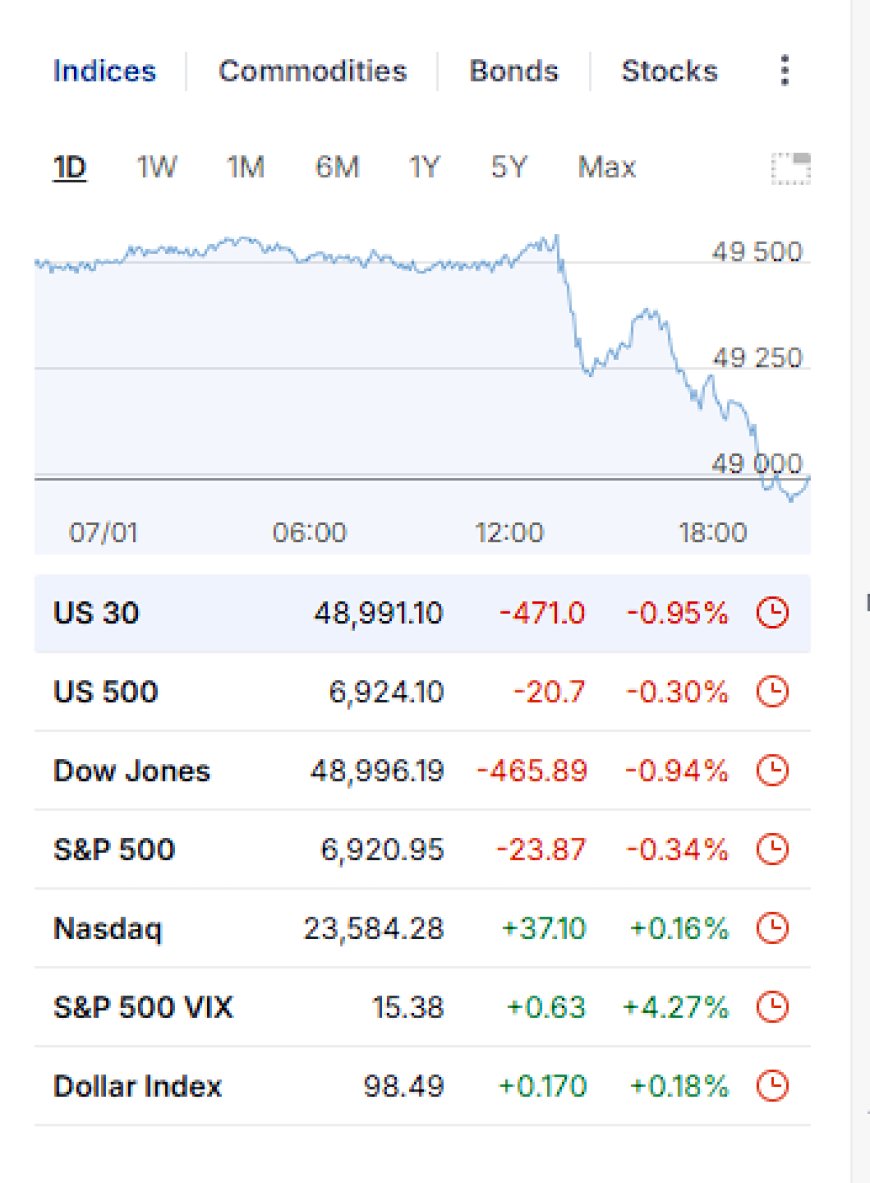
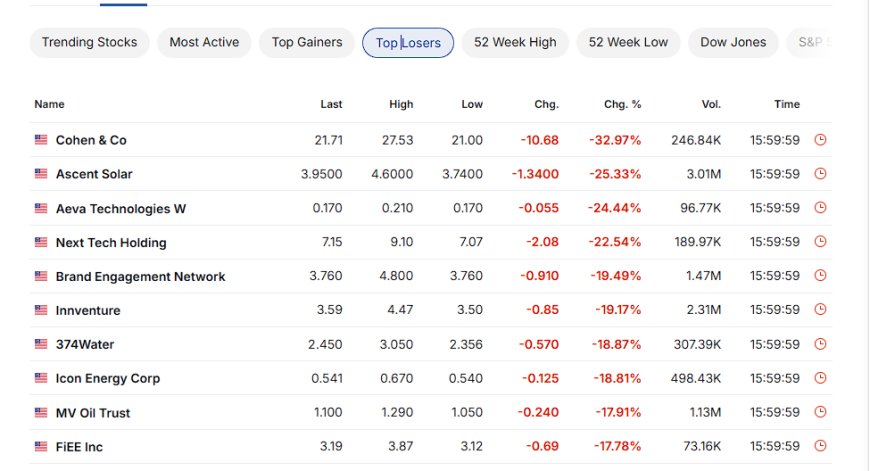
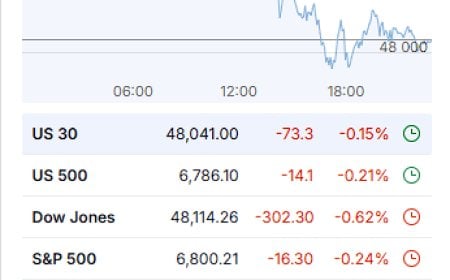
U.S. equities faded, but the distribution was the story. The Dow was the weak link while Nasdaq held up better. That is not random. It is a classic “risk budget tightening” profile: the market trims economically sensitive exposure, leans into index-propping leadership, and pays up for protection.
Breadth weakness matters more than one index print because it tells you how participation is behaving beneath the headline. On days like this, the market looks stable until you zoom in. Then you see the real mechanics: fewer names doing the work, more hedging, and a rotation away from the parts of the market that behave like a proxy for the real economy.
The VIX rose even though price action stayed orderly. That is the market buying insurance and compressing risk budgets, not the market breaking.
Another subtle tell: when you see the Dow underperform and the tape feels “fine,” it often means the market is shifting its definition of safety. It’s not necessarily bullish. It’s defensive preference disguised as calm.
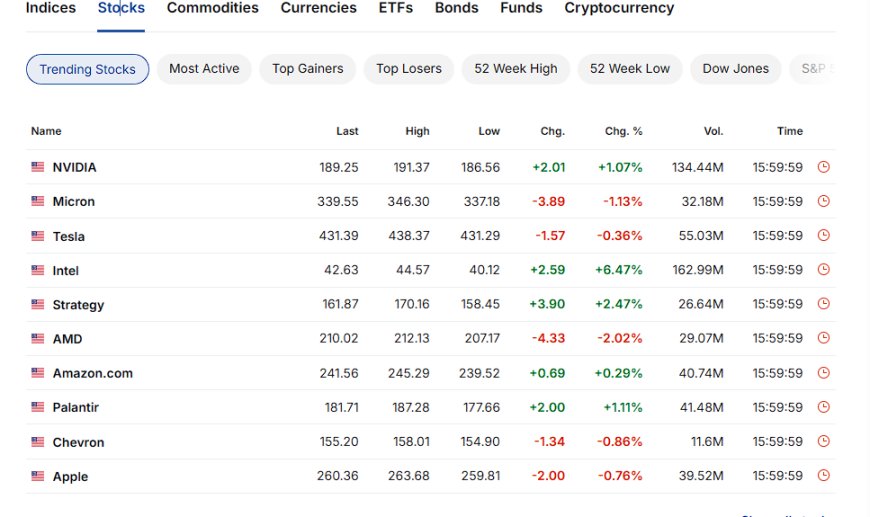
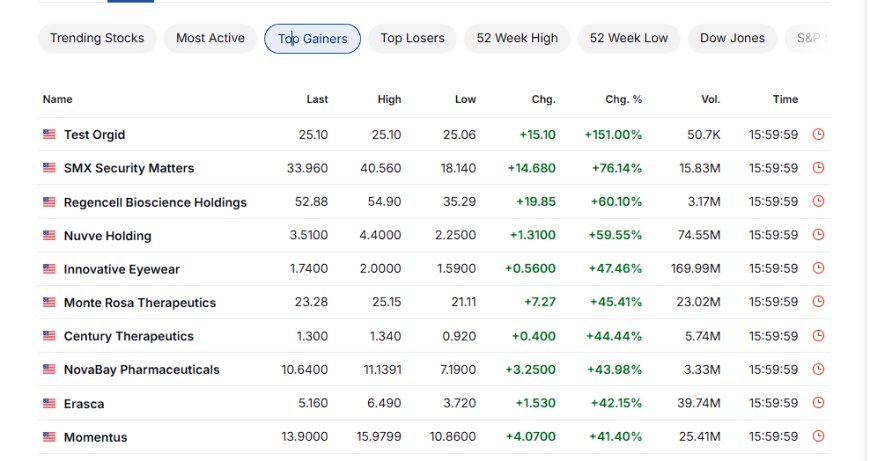
Rates & Curve: The Market’s Actual Headline
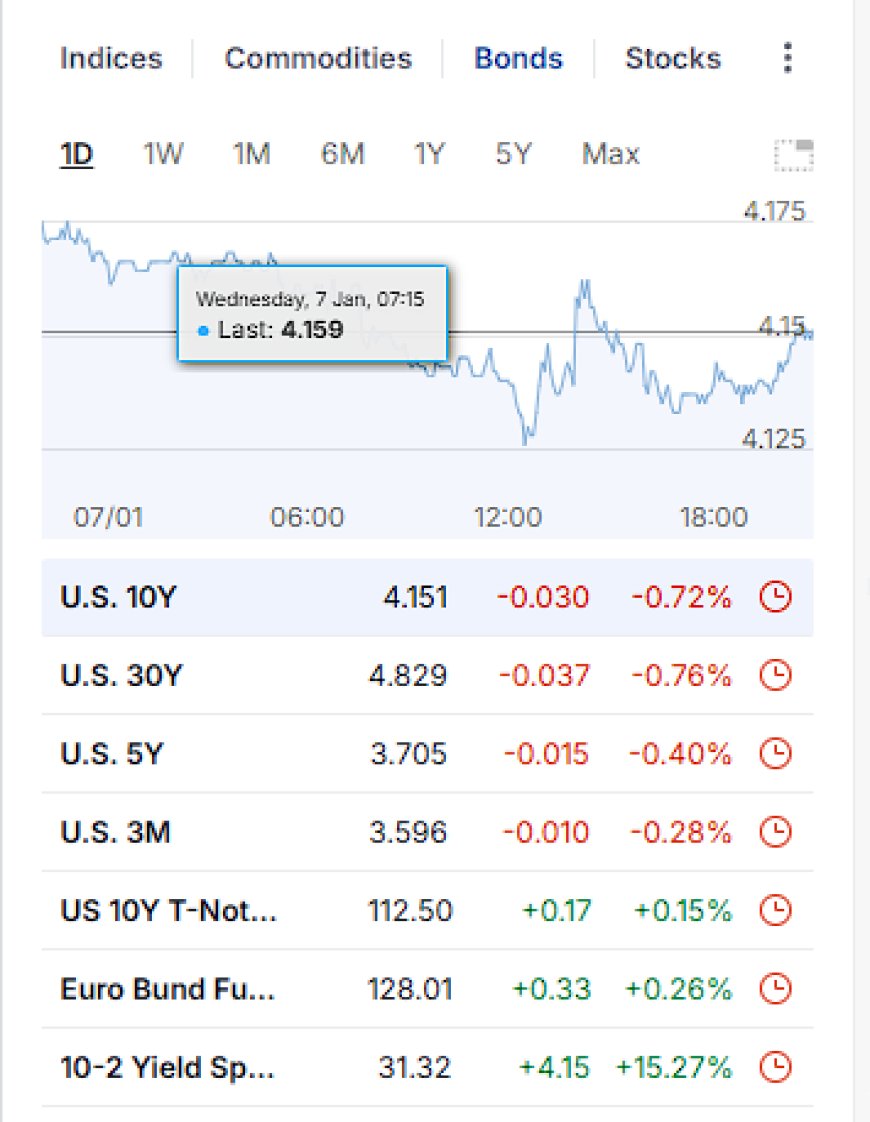
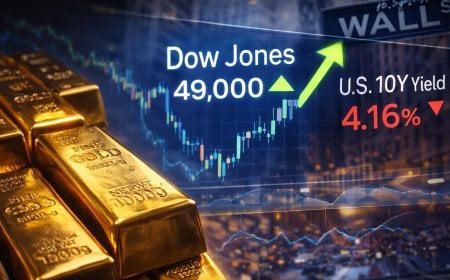
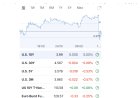
Treasuries caught a bid and the curve did the talking. The 10-year printed around the low 4s on your panel, and the shape of the curve shifted enough to matter. Rates are the governor on leverage, valuation, and liquidity velocity. When rates move with purpose and the equity tape goes soft, the bond market is usually the better narrator.
The macro setup today was straightforward. Labor data came in patchy and cooling, and that matters because the market is hyper-sensitive to anything that changes the trajectory of growth expectations. If hiring momentum is fading and uncertainty is rising, duration becomes the cleanest expression of caution.
When the curve shifts while equities soften and volatility rises, risk budgets are tightening and growth confidence is getting marked down.
In plain English: the system chose protection over participation. The market did not need a recession headline to buy Treasuries. It only needed enough uncertainty for “less risk” to become the dominant trade.
Gold & Silver: The Divergence That Matters
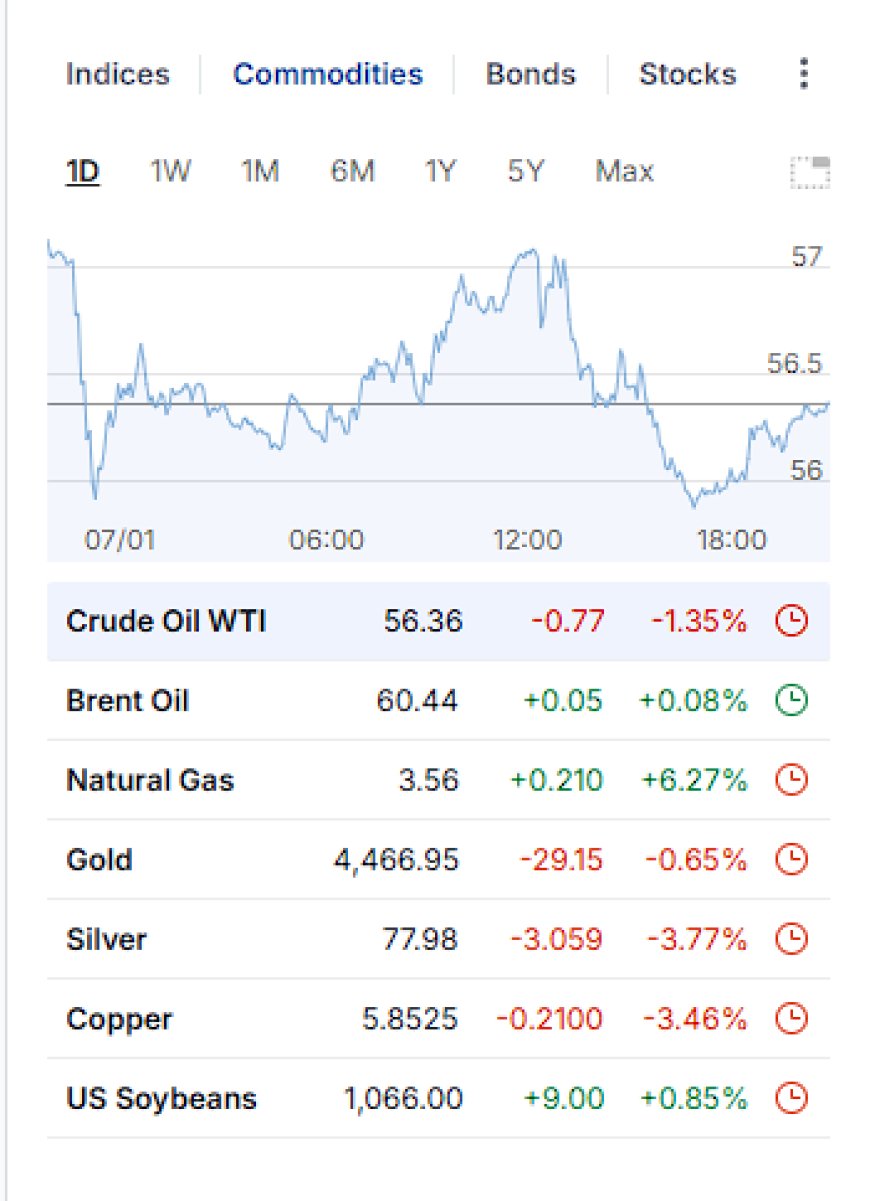
Gold and silver both sold off on the panel, but silver was the headline. Gold was down modestly. Silver was down materially more. That ratio move is not cosmetic — it’s a regime tell.
Gold is the monetary hedge. Silver is the monetary hedge that trades like an industrial contract with leverage on top. In risk-on, silver behaves like “gold plus growth plus momentum.” In risk reduction, it often behaves like “something liquid that gets sold to reduce volatility.” That’s why silver can get hit hardest on days that feel “not that bad” in equities.
Lower yields don’t automatically mean higher gold on a one-day horizon. If the driver is deleveraging, dollar firmness, or broad commodity liquidation, gold can dip with everything else — especially when managers trim liquid hedges to rebalance risk.
The cleaner macro message is the pairing: silver down and copper down in the same session. Silver weakness by itself can be positioning. Silver weakness plus copper weakness is closer to a throughput warning. That’s the “growth layer” blinking.
The framing is simple. Gold is monetary insurance. Silver is monetary insurance with an economic engine attached. When that engine sputters — or when risk budgets get cut — silver is the first precious metal to trade like a growth asset.
Commodities: Oil, Copper, and the Growth Bid Unwinding
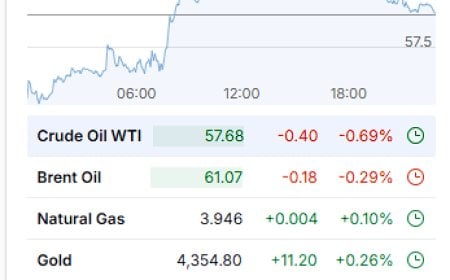
Commodities leaned risk-off broadly. WTI rolled over and industrial metals cracked. This is what it looks like when markets reduce confidence in near-term demand and tighten risk at the same time.
Copper was not noise. Copper is the economic wiring. When copper sells off alongside silver, the market is shading toward slower throughput. A recession narrative isn’t required for that trade to exist. Enough uncertainty is all it takes for “less exposure” to become the default posture.
Oil weakness wasn’t just macro. Venezuela headlines injected a “more barrels” psychological layer while enforcement actions and shipping risk injected a “more friction” layer. On days like this, oil can fall even when geopolitics is loud because the market is trading supply expectation first and pricing friction in the background through insurance and routing.
When oil is down, copper is down, and silver is down, it’s not a clean inflation impulse. It’s demand uncertainty and tighter risk tolerance showing up in the most macro-sensitive contracts.
Crypto & FX: Risk-Off Confirmation, Not Capitulation
Crypto sold off in a classic risk-off profile. Bitcoin and Ethereum were down, and high beta alts underperformed. The structure looked like de-risking rather than panic: stablecoins were stable, and the move was directional, not disorderly.
This matters because crypto is often the purest “risk budget” instrument. When broader portfolios tighten volatility, crypto is one of the first places managers reduce exposure. Not because crypto is uniquely broken, but because it’s liquid beta.
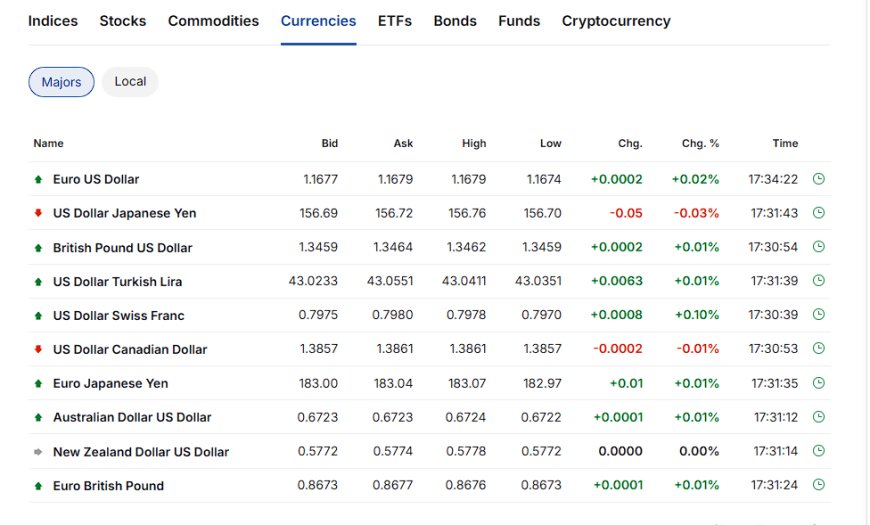
On FX, majors stayed relatively contained while the dollar index was modestly higher. That fits the pattern: tighter risk tolerance, a duration bid, and broad commodity softness. It’s the same mechanism across markets — risk budgets get cut, and the most liquid beta exposures get trimmed.
When crypto fades while the dollar firms and metals soften, it usually points to one root cause: risk budgets are tightening and portfolios are reducing volatility.
Geopolitics: Enforcement, Control, and the Risk-Premium Layer
Geopolitics did not hit the tape as a single “shock” headline. It showed up the way it shows up in mature risk regimes: as pressure. Not a crash catalyst. A risk premium that quietly caps the bid on growth, tightens positioning, and increases demand for protection.
The key shift this week is enforcement. When “control” moves from sanctions language to physical action — boarding, seizure, interdiction, escort — that changes how the world prices shipping, energy flows, and counterparty trust. That is not theory. That is plumbing.
The U.S. seized two tankers tied to Venezuelan oil flows on January 7, including a Russian-flagged vessel intercepted in the North Atlantic after an extended pursuit and another interdiction in the Caribbean. This escalates the regime from financial restriction into physical enforcement, and it forces every actor in the gray shipping network to reprice risk.
Simultaneously, U.S. messaging around controlling Venezuelan oil sales and directing proceeds reinforced the core theme: the energy story is no longer just supply and demand. It is permissions, enforcement, and who controls the settlement path.
Russia condemned the seizure as illegal and framed it as piracy, while reporting highlighted Russian naval posture around the operation, including submarine escort signaling. Even without a kinetic confrontation, the message is clear: contested shipping is back on the menu, and enforcement actions have second-order effects far beyond the seized hull.
Reports described renewed strikes triggering power and water disruptions in southeastern Ukraine and attacks affecting ports in the Odesa region. Markets don’t need a turning point to reprice. Persistence and uncertainty are enough to keep logistics risk elevated and keep the risk premium present.
Clashes in Syria and escalating political-military tension in Yemen reinforced the same theme: the region remains structurally unstable. This matters for markets even when oil is down, because the risk migrates into shipping confidence, insurance pricing, and the probability of corridor disruption.
Greenland headlines escalated again as U.S. officials reiterated options to acquire the territory, with discussion openly acknowledging military as an option. The response layer mattered: senators signaled an effort to rein in unilateral authority, and European officials emphasized Greenland’s sovereignty and EU support. The market takeaway is not the politics. It’s that the Arctic is being treated like strategic infrastructure: minerals, basing, shipping lanes, and deterrence.
Japan condemned China’s ban on dual-use exports as unacceptable amid rising Taiwan-linked tension and fears of extended restrictions. China also expanded punitive actions against Taiwan officials and reinforced messaging around its war games. This is control systems in motion: trade permissions become leverage, and leverage becomes a structural tail risk the market has to carry.
Iran’s protest wave remains a live variable, driven by currency weakness and inflation pressure. Rights groups reported at least 25 deaths over the first days of unrest, and the broader narrative hardened: internal economic stress is translating into political stability risk. Even when markets don’t react immediately, this is the type of instability that changes regional posture and increases tail risk.
The unified message is simple. This is not a “news cycle.” It is a control-of-flows regime. Energy, shipping, trade permissions, and sovereign posture are being exercised more aggressively at the same time the market is already sensitive to growth cooling. That combination is why the tape can feel heavy even when the calendar is quiet.
Pattern Nexus Lens
This tape was a layered signal. Rates led, commodities confirmed, and equities followed. The curve was the headline because it tells you what the system is doing with risk. The silver and copper break mattered because it linked “precious” to “industrial” and exposed the growth layer weakening in real time.
The geopolitical overlay is not optional right now. Enforcement actions around Venezuelan oil flows, contested shipping posture, Greenland as strategic infrastructure, and Asia-Pacific trade controls are all the same mechanism wearing different uniforms: permissions, routing, and control of settlement are becoming the battlefield.
Watch the curve, watch copper, watch gold versus silver behavior, and watch whether energy can find a bid without a demand story. If enforcement keeps expanding, the market will price friction even when oil prints red.
FAQ
Was this a risk-off day?
Yes, but orderly. This looked like risk budgets being reduced and hedges being added, not a forced liquidation event.
Why did silver drop so much more than gold?
Silver trades with industrial sensitivity and higher beta. When growth expectations soften and volatility rises, silver often gets hit harder than gold.
Why can gold fall even when yields fall?
Because gold is not a one-factor trade. Dollar firmness, broad commodity liquidation, and portfolio deleveraging can override the “lower yields = higher gold” relationship in the short term.
Did geopolitics drive the day?
Not as a single shock headline. It mattered through enforcement, shipping risk, trade permissions, and the background risk premium layer.
What is the highest-signal watch for tomorrow?
The curve, copper, gold versus silver behavior, and whether risk assets can stabilize without commodities participating.
Sources
Market moves are based on the embedded screenshots. The links below support the key macro and geopolitical headlines referenced in this wrap.
- AP (Jan 7, 2026): How major U.S. stock indexes fared
- Reuters (Jan 7, 2026): Wall Street mixed as investors assess labor data
- Reuters (Jan 7, 2026): ADP private payrolls rise 41,000 in December
- Reuters (Jan 7, 2026): U.S. seizes two tankers tied to Venezuelan oil flows
- Reuters (Jan 7, 2026): Russia submarine escort signaling around tanker seizure
- Reuters (Jan 7, 2026): Russia calls tanker seizure illegal, piracy claim
- Reuters (Jan 7, 2026): UK supported U.S. mission to seize tanker
- Reuters (Jan 6, 2026): White House says military is always an option for Greenland acquisition
- Reuters (Jan 7, 2026): Senators foresee vote to rein in Trump over Greenland
- Reuters (Jan 7, 2026): EU support statement on Greenland sovereignty
- Reuters (Jan 7, 2026): Japan condemns China’s dual-use export ban
- Reuters (Jan 7, 2026): China bans Taiwan ministers, escalates punitive actions
- Reuters (Jan 7, 2026): Taiwan security agency on China war games and hybrid campaign
- Reuters (Jan 6, 2026): Rights groups say at least 25 dead in Iran protests
- Reuters (Jan 7, 2026): Power and water cuts after strikes in southeastern Ukraine
- Reuters (Jan 7, 2026): Attacks affecting Ukrainian ports
Not financial advice. Information is compiled from public reporting and market snapshots at the time of publication.
Ποια είναι η αντίδρασή σας;
 Μου αρέσει
0
Μου αρέσει
0
 Μη Αγαπημένο
0
Μη Αγαπημένο
0
 Αγάπη
0
Αγάπη
0
 Αστείο
0
Αστείο
0
 Ουάου
0
Ουάου
0
 Λυπημένος
0
Λυπημένος
0
 Θυμωμένος
0
Θυμωμένος
0

Founder of Pattern Nexus. I research markets, macro, geopolitics, AI, history, ancient systems, and the patterns most people overlook. I’m also building Market Radar, a trading scanner designed to read pressure, risk, confirmation, and setup quality before chasing a move. Pattern Nexus is where I connect the dots between data, history, technology, and the bigger system playing out around us.











Σχόλια (0)