 Editor-written summary
Copper has entered a new macro-industrial regime. AI data centers, global grid expansion, renewable infrastructure, collapsing ore grades, and a decade of underinvestment have fused into a structural deficit that will define the next decade. This is the deep technical and strategic picture as of November 2025.
Inside this report
- Copper in the AI-Industrial Era: Why the World Is Running Out of the Metal That Powers Everything
- The 2025 Shift: Copper Snaps Into a New Regime
- The Demand Stack: Energy, Grids, AI, and Legacy Construction
 Editor-written summary
The U.S. Navy is collapsing under delays, cost overruns, and a shrinking shipbuilding workforce. Programs slip years, budgets balloon, and the fleet flatlines while China’s shipyards pump out steel like an industrial firehose. Into that mess steps Saronic, a 2022 startup backed by hundreds of millions in venture capital, promising to build autonomous warships faster and cheaper from a new complex called Port Alpha. This isn’t just a cool drone story. It’s a quiet attempt to reboot American sea power through a startup shipyard.
Inside this report
- The Shipyard Crisis Beneath the Surface
- Inside the Industrial Breakdown
- China’s Shipyard Firehose vs America’s Trickle
 Editor-written summary
Between 1968 and 1979, the collapse of the gold window, the rise of the Eurodollar, and the Petrodollar shift transformed the global monetary system. Nixon’s 1971 shock, oil crises, offshore dollar expansion, and financial deregulation rewired the world’s liquidity architecture and created the modern dollar empire.
Inside this report
- In This Article
- The Late-1960s Stress: Triffin’s Dilemma Goes Live
- The Nixon Shock: Closing the Gold Window
 Editor-written summary
For the first time in history, the International Space Station reached full capacity with eight spacecraft docked simultaneously. A milestone in orbital logistics that signals the next era of human spaceflight."
Inside this report
- The Day the ISS Filled Every Port
- Who’s Parked at the Station?
- Why This Configuration Matters
 Editor-written summary
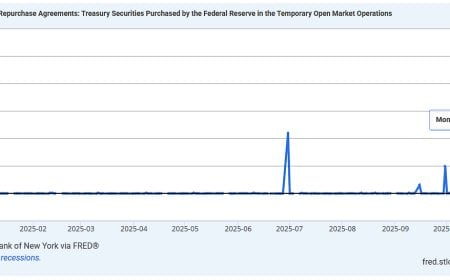
QT officially ended on December 1, 2025 — but the real story happened in the plumbing. With the RRP buffer nearly gone, SOFR volumes exploding, and the Standing Repo Facility pulling in Treasuries, agencies, and MBS, the Fed quietly shifted from balance-sheet tightening to balance-sheet backfilling. This was the moment the liquidity regime flipped.
Inside this report
- The Critical Pattern: QT Ends and the Fed Backfills the System
- Why the MBS Repo Prints Matter So Much
- What Actually Changed on December 1
 Editor-written summary
The United States has quietly shifted from restricting crypto to absorbing it. Trump’s Strategic Bitcoin Reserve, the Digital Asset Stockpile, the GENIUS Act, Treasury acquisition strategies, and Federal Reserve integration signal the construction of a sovereign digital asset regime designed to reinforce the Dollar Superstructure.
Inside this report
- Trump’s Executive Orders and the Strategic Reserve Shift
- The Exact Language: What the Orders Actually Say
- What the Language Enables
 Editor-written summary
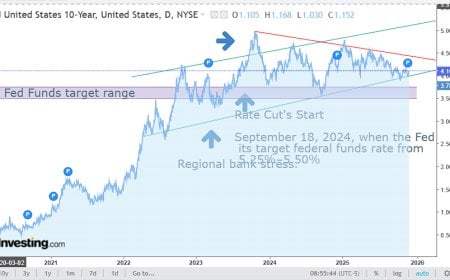
The U.S. 10-year yield is rising into rate cuts — not because the market is irrational, but because the financial system is operating on the liquidity floor. This article explains how regional bank failures, QT exhaustion, and the September 18, 2024 rate-cut pivot created the wedge pattern now signaling the next major regime shift.
Inside this report
- Introduction: The Chart That Changes the Narrative
- The Two Anchors: Bank Stress and Rate Cuts
- The Wedge Is Not Technical — It’s Liquidity
 Editor-written summary
After World War II, the Bretton Woods system, the Marshall Plan, and the 1951 Treasury–Fed Accord fused into a single architecture: the dollar anchored to gold, capital controls, and state-directed credit. Between 1947 and 1953, this “Dollar Fortress” quietly set the rules of global liquidity that still shape markets today.
Inside this report
- In This Article
- The Setup: A Ruined World and a Blank Monetary Canvas
- Bretton Woods Architecture: Pegs, Gold, and the Dollar Hub
 Editor-written summary
The National Association of Realtors is projecting a 14% rebound in existing-home sales for 2026 — but their forecast depends on a fragile monetary backdrop, a controlled collapse in mortgage rates, and a hidden liquidity intervention. This Pattern Nexus deep dive breaks down the real mechanics behind the “housing comeback” narrative.
Inside this report
- The Headline: What NAR Actually Said
- 2025-11-research-update-report-11-25-2025.pdfAsk the Economist: Is There a Connection Between Gold Prices and Real Estate Values?
- Why Their Forecast Is Really a Liquidity Call
 Editor-written summary
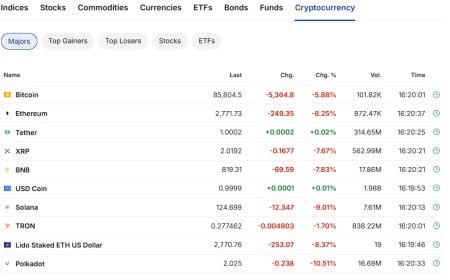
Equities slipped, yields climbed, crypto bled out, and hard assets quietly caught a bid.
December opens with a classic risk-off rotation under a tightening-liquidity sky
Inside this report
- Session Overview — Risk-Off With a Hard-Asset Bid
- Indices & Volatility — Red Tape, VIX Up
- Commodities & Metals — Energy and Silver Take the Lead
 Editor-written summary
The most in-depth analysis of the 2025 Venezuela escalation: FAA NOTAMs, airspace closure, U.S. naval buildup, covert operations, cartel-state networks, GPS interference, and the strategic implications heading into 2026.
Inside this report
- Flashpoint Update – December 10, 2025
- What Just Happened
- How This Changes the Flashpoint
 Editor-written summary
Between 1870 and 1914, steel, railroads, electricity, and global capital markets fused into the first true industrial supercycle. This era built the financial and energy architecture we still live inside today—and it looks uncannily like the AI–data-center–SMR boom now unfolding into 2025–2035.
Inside this report
- The First AI Age: How the 1870–1914 Industrial Supercycle Built the Modern World — And Why 2025–2035 Rhymes With It
- In This Article
- The Supercycle: 1870–1914 In One Picture

