

procurement
Automatically indexed from the existing article tag.
Theses, forecasts, models, and paths
No published research objects yet
This topic is ready for editors to connect a thesis, forecast, model, or research path.
Latest articles
 Article · related
Google Turns PJM Nuclear Uprates Into a 3.6-Gigawatt AI-Grid Power Rail
Google and Constellation announced a long-term PJM power package on October 6, 2026, centered on 890 MW of new nuclear capacity from uprates at existing reactors and 2,700 MW of additional supply. The structure matters because it links AI data-center growth to new firm capacity, demand flexibility, and AI-assisted grid operations rather than treating clean power as a certificate-only procurement exercise.
Published Oct 7, 2026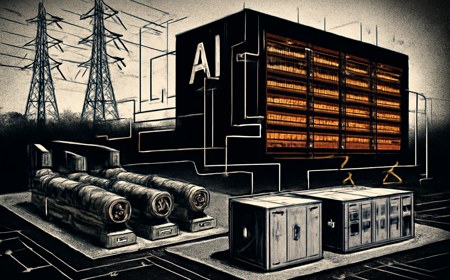 Article · related
Vertiv Turns Microgrids Into an AI-Data-Center Time-to-Power Stack
Vertiv agreed to acquire UtilityInnovation Group for about $1.45 billion in cash at closing, with up to $1.15 billion more tied to EBITDA targets over 12- and 24-month periods. The deal adds microgrid controls, onsite generation and storage orchestration, microgrid switchgear and behind-the-meter design to Vertiv’s AI data-center infrastructure stack. The system signal is that time to power is becoming a strategic control point in the AI industrial buildout, not just a utility-procurement issue.
Published Sep 2, 2026 Article · related
Federal Court Turns Anthropic’s Pentagon Blacklist Into an AI-War Powers Test
A U.S. District Court judge ruled for Anthropic after the Pentagon labeled the company a supply-chain risk over its refusal to permit unrestricted military uses of Claude. The decision found the government’s actions unlawful and framed the dispute as a constitutional, procurement, and AI-safety fight. The Pattern Nexus read: the ruling does not settle whether the military may demand more permissive AI systems, but it limits how national-security procurement tools can be used against vendors that publicly resist those demands.
Published Aug 28, 2026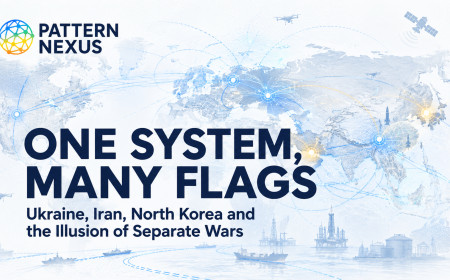 Article · related
One System, Many Flags: Ukraine, Iran, North Korea and the Illusion of Separate Wars
The United States can arm Ukraine while temporarily easing pressure on Russian oil, convert stockpile transfers into new procurement, court North Korea while Pyongyang supplies Russia, and fight Iran while Russia and China-linked systems help Tehran. The contradictions resolve when the wars are mapped as one connected system of energy, munitions, intelligence, shipping, sanctions and leverage.
Published Aug 22, 2026 Article · related
AI Security Theater Gets Its Liability Test in Nashville
Antioch High School shooting survivor Antonyous Henin has sued Omnilert and System Integrations, alleging an AI-powered gun-detection system was installed and operating but failed to detect the shooter’s handgun before shots were fired. Local reports and the complaint say the system had been marketed around early firearm detection, while Ars Technica framed the case as a national tech-policy test of how accurate AI public-safety systems must be when deployed in schools. The verified facts are still allegations at this stage; the broader signal is that AI safety tools are moving from procurement promises into courtroom accountability.
Published Jun 7, 2026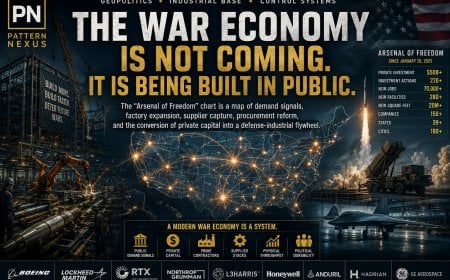 Article · related
The War Economy Is Not Coming. It Is Being Built in Public.
The Arsenal of Freedom chart is not just a defense graphic. It shows the United States shifting from peacetime procurement into a public-private war economy built around factories, missiles, suppliers, and long-term demand signals.
Published May 14, 2026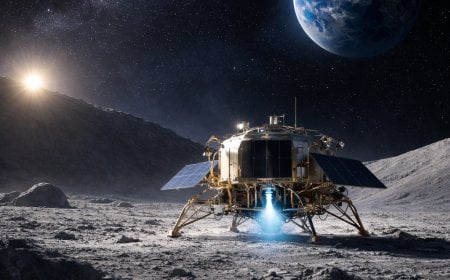 Article · related
NASA Confirms a Private U.S. Spacecraft Landed on the Moon — Why Blue Ghost Matters
Firefly’s Blue Ghost Mission 1 stuck the landing in Mare Crisium with 10 NASA payloads. The milestone is bigger than a touchdown: it’s about procurement rails, navigation standards, and the early shape of a lunar economy.
Published Jan 24, 2026