

Reserves
Automatically indexed from the existing article tag.
Theses, forecasts, models, and paths
No published research objects yet
This topic is ready for editors to connect a thesis, forecast, model, or research path.
Latest articles
Fed Just Hiked Into a 5% 10-Year: Why the Next Liquidity Cycle May Arrive Faster
The Federal Reserve just raised the federal-funds target to 3.75%–4.00% while the 10-year Treasury closed at 5.01%, the 30-year at 5.35%, and the real 30-year at 3.09%. Pattern Nexus correctly identified the September hike risk and the developing QE/liquidity cycle, but underestimated the Fed’s willingness to raise rates against an already enormous debt and refinancing burden. This report asks the question almost nobody asks after a rate decision: what does the hike eventually break? It connects the September decision to the $40-trillion-plus federal debt structure, more than $1 trillion of annual federal net interest expense, Treasury issuance, long-end buybacks, Federal Reserve reserve-management purchases, hedge-fund leverage, the Treasury basis trade, private credit, housing, commercial real estate, household cashflow and the 2019 repo-market precedent. The conclusion is not that the Fed has deliberately chosen to create a crash. It is that monetary architecture now allows the Fed to tighten the price of credit while separately protecting reserves and market plumbing. The hike therefore does not invalidate the Pattern Nexus QE thesis. If long rates remain near current levels, it accelerates the transmission mechanism that can eventually force the next phase of liquidity support.
Published Sep 17, 2026 Article · related
Washington Turns Stablecoins Into a Weekly Call-Report System
The OCC comment period closes Aug. 11, 2026 for proposed GENIUS Act reporting forms covering OCC-supervised permitted payment stablecoin issuers and foreign payment stablecoin issuers. The proposal would create confidential weekly coin-level reporting and quarterly financial-condition reporting, moving stablecoins closer to bank-style supervisory data collection. The important shift is not only what reserves stablecoins may hold, but how often issuers would have to turn their payment systems into regulator-readable reports.
Published Aug 11, 2026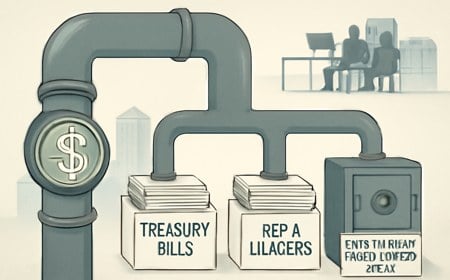 Article · related
Wall Street Turns Stablecoin Reserves Into a Money-Market Collateral Stack
Fidelity has entered the stablecoin-reserve business with a money-market vehicle designed around GENIUS Act-eligible assets, according to SEC filings and Fidelity’s institutional fund table. The move follows State Street’s June 16 launch of a similar GENIUS Act-aligned government money-market fund, with State Street Bank and Anchorage Digital named as initial investors. The signal is that stablecoin backing is migrating from crypto balance sheets into traditional cash-management infrastructure controlled by large asset managers, banks, and federally regulated crypto institutions.
Published Jun 19, 2026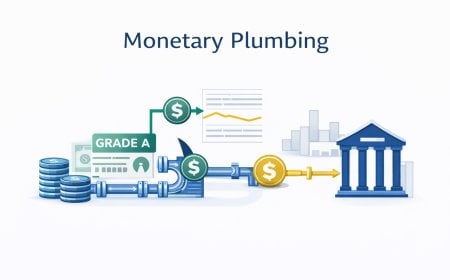 Trivia Quiz · related
Do You Understand Bank Reserves — or Just the Headline Version?
Most people think banks lend deposits. That’s not how the system works. Test your understanding of reserves, collateral, and Grade-A assets.
Published Jan 4, 2026 Article · related
Building a Scalable Real Estate Portfolio: The Cash-Flow Formula, DSCR Lending, and the Operating System That Gets You From 1 Property to 10
A real-world, systems-based blueprint for building a rental portfolio without relying on hype or appreciation narratives. Covers deal math, DSCR loans, reserves, tenant operations, vendor stacks, communications, money flows, and how to scale from one unit to ten while maintaining control.
Published Dec 17, 2025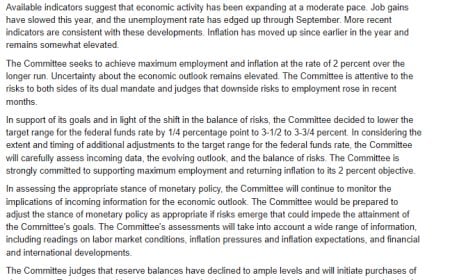 Article · related
December 10, 2025: QT Ends, QE-Lite Begins
The Fed cut rates by 25 bps, acknowledged rising downside risks to employment, and quietly ended QT by initiating short-term Treasury purchases to maintain reserves, marking the start of a new liquidity regime.
Published Dec 10, 2025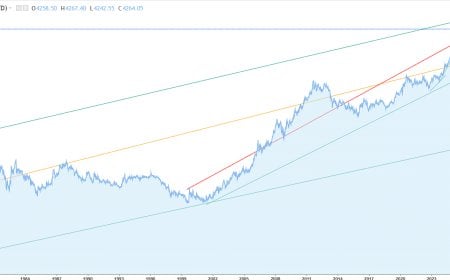 Article · related
Gold Didn’t Moon — It Locked Into a New Liquidity Rail
QT ends tomorrow and the Fed pivots to managing reserves with T-bills and MBS roll-off. Gold already snapped into a new liquidity rail, pricing faster debasement and rising bank stress.
Published Nov 30, 2025 Article · related
QT Ends, Liquidity Returns: Why 2026 Is Almost Certainly the Next Balance-Sheet Expansion Cycle
Quantitative Tightening ends December 1st, and the plumbing shows reserves are already near scarcity. This article explains why 2026 is shaping up to be the next major liquidity-injection cycle, driven by heavy Treasury issuance, reserve demand, and Fed policy shifts.
Published Nov 25, 2025 Article · related
The Hidden Liquidity Crunch: Repo Stress, QT’s End, and the Dollar’s Trap
A systems-level map of the liquidity squeeze beneath the dollar: repo stress, falling reserves, structural deficits, and the QT halt—why the next policy turn likely means balance-sheet expansion, inflation risk, and a distributional regime shift.
Published Nov 12, 2025 Article · related
QT Is Over: The System Just Crossed Its Reserve Floor
The liquidity cycle has flipped. QT exhausted the reserve buffer, pushing the system into structural limits the Fed can’t ignore. This isn’t a debate — it’s a regime shift. From banking reserves to tokenized collateral, here’s what comes next.
Published Oct 23, 2025