

Project Suncatcher
Automatically indexed from the existing article tag.
Theses, forecasts, models, and paths
No published research objects yet
This topic is ready for editors to connect a thesis, forecast, model, or research path.
Latest articles
 Article · related
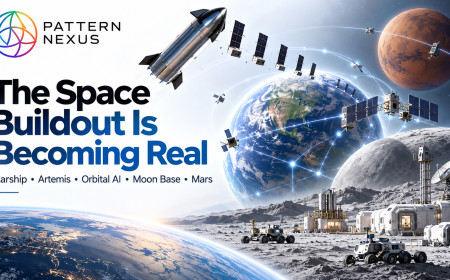
The Space Buildout Is Becoming Real: Starship Reaches Orbit, Artemis Rewrites the Moon Plan, Orbital AI Goes Live, and Mars Infrastructure Expands
Since the September 23 Pattern Nexus space update, several themes that were still forecasts have crossed into hardware and operations. Starship reached Earth orbit for the first time and deployed 26 Starlink V3 satellites. NASA rewrote Artemis III into a 2027 low-Earth-orbit systems test and shifted the first Artemis surface landing to Artemis IV in 2028, while revealing much more explicit Starship and Blue Moon lunar logistics architectures. NASA also moved Moon Base utilities into contracted development: 5G/Wi-Fi surface communications, lunar terrain vehicles, new science payloads, resource extraction, manufacturing, and nuclear power. Google launched the first Project Suncatcher orbital TPU prototype and confirmed it is operating, while larger orbital-data-center concepts are moving from theory toward hardware tests but remain economically unproven. Japan launched MMX to Phobos, NASA advanced the fission-powered SR-1 Freedom/SkyFall Mars architecture, commercial downmass and satellite servicing continued to mature, sovereign networks expanded, and military proliferated LEO added another 21 transport satellites. The Pattern Nexus update is no longer merely that space is becoming infrastructure. The infrastructure is beginning to acquire utilities: power, bandwidth, mobility, compute, maintenance, return logistics, resource processing, and strategic control.
Published Oct 28, 2026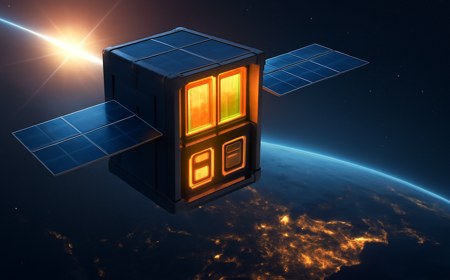 Article · related
گوگل نے اوربٹل ٹی پی یوز کو ایک AI-انفراسٹرکچر بچاؤ کے راستے میں تبدیل کر دیا
SpaceX کا ہدف 1 اکتوبر 2026 ہے، Vandenberg سے Transporter-18 rideshare کے لیے، جس میں Project Suncatcher M1 کو Planet Labs کے تیار کردہ payload کے طور پر تعیناتی کے تسلسل میں درج کیا گیا ہے۔ Google کا کہنا ہے کہ یہ مشن لانچ کے دباؤ، تابکاری، اور حرارتی انتہاؤں کے تحت TPU کے رویے پر مدار میں ڈیٹا جمع کرے گا۔ بڑا اشارہ یہ ہے کہ AI بنیادی ڈھانچے کی رکاوٹیں ہائپر اسکیلرز کو زمینی ڈیٹا سینٹر کے مفروضات سے آگے بڑھا رہی ہیں اور انہیں خلا کی طاقت، لانچ کی رفتار، اور مداری نیٹ ورک کے تجربات کی طرف لے جا رہی ہیں۔
Published Oct 1, 2026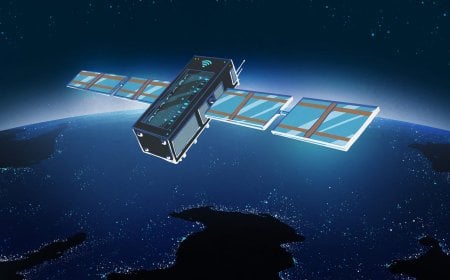 Article · related
گوگل کا خلا میں مبنی AI ڈیٹا سینٹر منصوبہ: پروجیکٹ سنکچر اور نئی کمپیوٹ سرحد
گوگل نے پہلے خلا میں مبنی AI ڈیٹا سینٹر کنسٹیلیشن بنانے کے منصوبے کا انکشاف کیا ہے — ایک شمسی توانائی سے چلنے والا مداری کمپیوٹ کلسٹر جو زمین کی توانائی کی حدود سے بچنے کے لیے ڈیزائن کیا گیا ہے۔ یہ تجزیہ انجینئرنگ، طبیعیات، گرڈ کے اثرات، اور یہ کہ یہ AI-Industrial Flywheel میں کس طرح براہ راست فٹ بیٹھتا ہے، کی وضاحت کرتا ہے۔
Published Nov 16, 2025