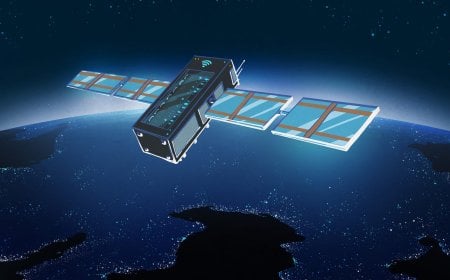
Google just revealed plans to build the first space-based AI data-center constellation — a solar-powered orbital compute cluster designed to escape Earth’s power limits. This breakdown explores the engineering, physics,…
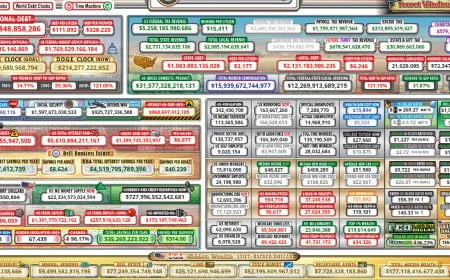
A 35-year walkthrough of the US Debt Clock—from 1990 to 2029—showing how debt, GDP, and government spending really scale, why there is no magic “debt cliff,” and how this ties into CBDCs and tokenised Treasuries.
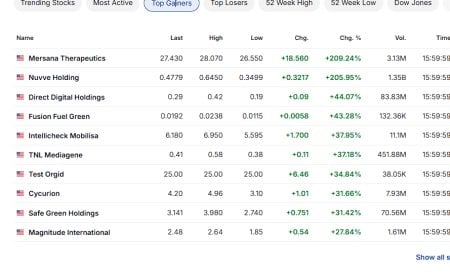
U.S. markets had their worst day in a month as the Dow fell nearly 800 points, AI stocks sold off, and Fed cut odds briefly slipped to a coin toss. By evening, futures had already drifted back toward a December cut and …
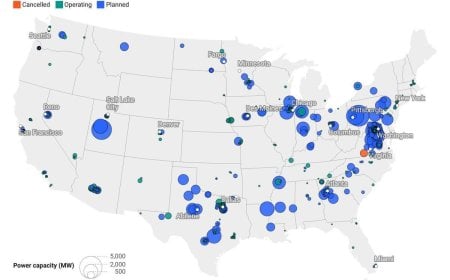
A single map of U.S. data centers reveals the real AI-industrial build-out: clustered power demand, a 40–50 GW grid shortfall, forced nuclear restarts, and a new liquidity regime that makes QE-style support inevitable.
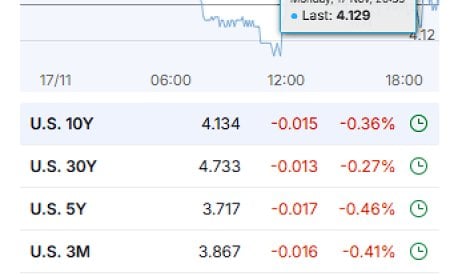
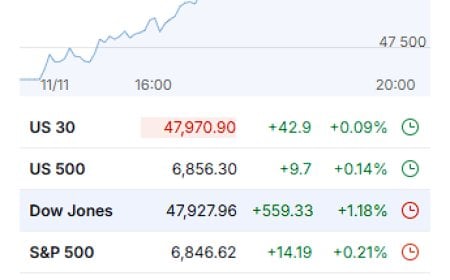
The Dow climbed above 48,000 as long-end yields slipped and oil tumbled. Tech cooled while value and industrials led. Bond markets confirmed the ongoing liquidity realignment Pattern Nexus has tracked since Q3.
A deep Pattern Nexus investigation into the 2025 AI industrial build-out — tracking every major compute deal, hyperscaler expansion, and the rebirth of nuclear power as the energy backbone for machine intelligence. Cove…
The Trump administration is preparing massive federal lending for new nuclear reactors to meet accelerating AI-era power demand. Here’s the full breakdown.
IMF baselines through 2024 combined with S-curve tokenization, AI industrial concentration, demographic drag, and reserve plumbing reveal the most realistic map of global power through 2040 — a world where programmable …
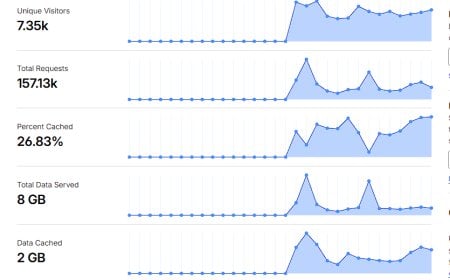
A factual breakdown of Pattern Nexus’ first 18–19 days online, covering traffic, indexing, search visibility, user behavior, engagement metrics, and early growth patterns across Google, Cloudflare, AWStats, and Facebook…
If Pattern Nexus has been useful to you, help keep it growing.
Pattern Nexus is independently built and operated.
Most of the research remains publicly available,
but the data, servers, tools, research and time behind it all
have real costs.
Books, memberships and direct support help fund the next stage
without putting everything behind a paywall.