
Market Wrap: Liquidity Wins, Commodities Fade, and the 50K Dow Signal
A liquidity-driven session pushes equities higher, compresses volatility, pulls yields down, and pressures commodities. Pattern Nexus breaks down what actually moved markets on January 6, 2026—and why it matters.
Falling yields plus rising equities is a liquidity signal—not a growth signal.
Volatility compression at elevated index levels increases fragility, not stability.
Commodities selling off alongside equities is a warning about real demand.
Equities: Melt-Up Mechanics
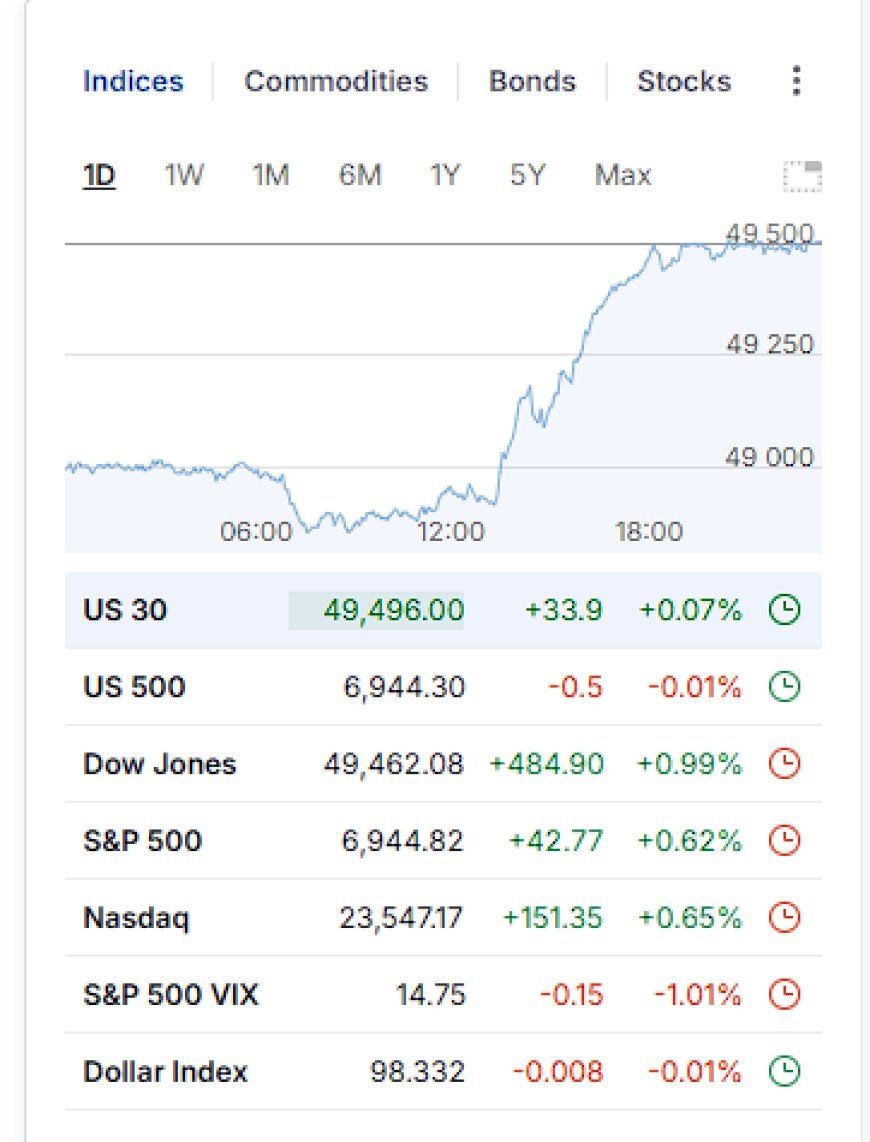
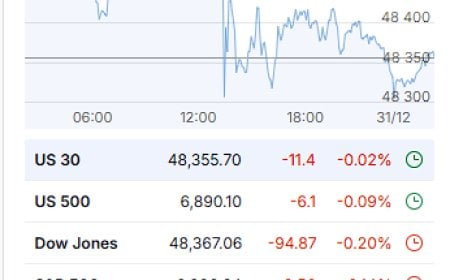
U.S. equities moved higher across the board, led by the Dow, which is now pressing directly into the 50,000 psychological threshold. This was a broad participation session—not narrow leadership—and it coincided with falling yields and collapsing volatility.
That combination matters. Equity rallies driven by earnings or growth usually come with higher yields. Today was the opposite. This was positioning responding to easier financial conditions, not improving fundamentals.
When equities rise because yields fall, liquidity is doing the work—not the economy.
Commodities: Demand Signal Weakness
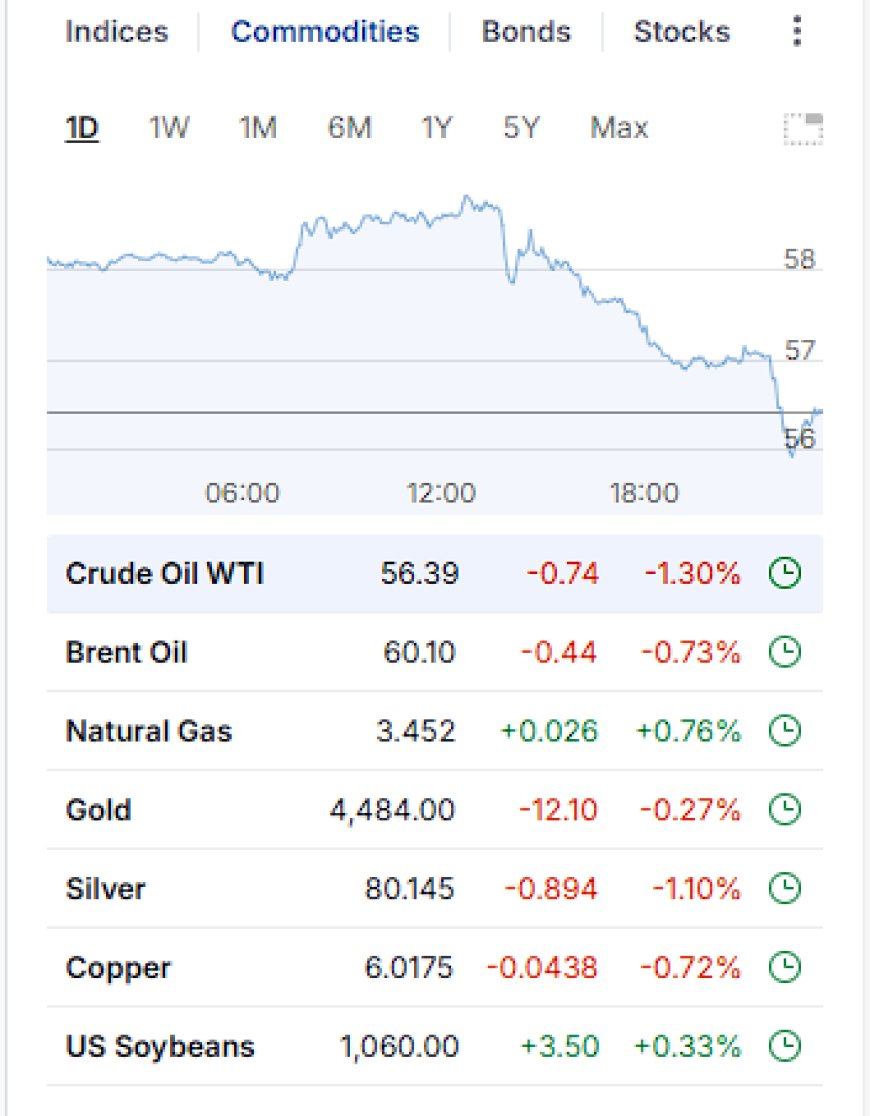
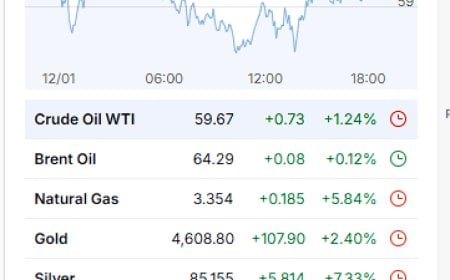
Crude oil sold off sharply, metals rolled over, and even gold slipped. This matters because commodities are demand-sensitive. When they fall during an equity rally, it suggests the move is financial, not physical.
- WTI crude dropped below $57
- Gold and silver weakened
- Industrial metals remained under pressure
This is consistent with a system where financial assets are being bid due to easing conditions while real-economy throughput remains constrained.
Bonds & Rates: The Real Driver
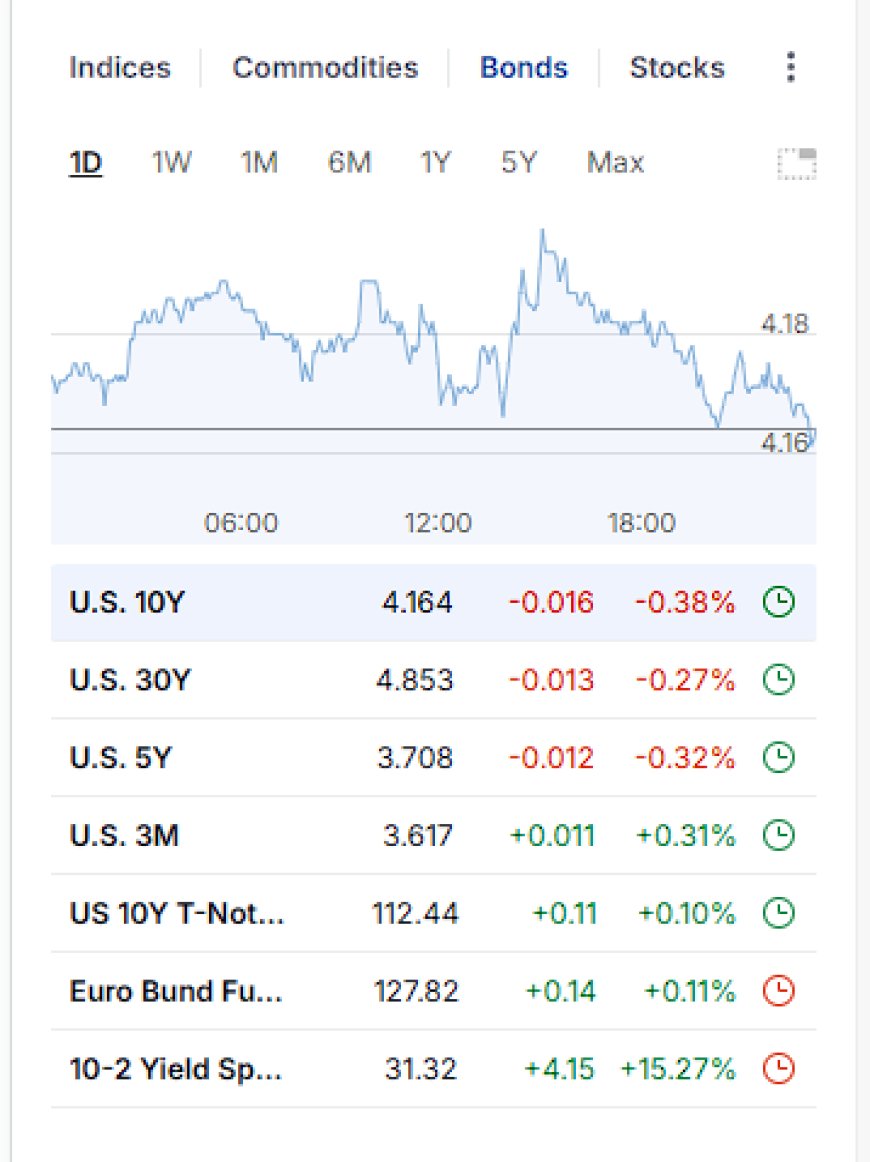
The most important move of the day was not in equities—it was in rates. The 10-year yield moved lower, long-duration bonds caught a bid, and the curve steepened modestly from deeply inverted levels.
This is the plumbing. Lower long-end yields relax financial conditions, lower discount rates, and mechanically lift equity valuations—especially at elevated index levels.
Pattern Nexus Lens
This session fits cleanly into the liquidity framework. When the system senses relief—real or anticipated—it reallocates into financial assets first. Commodities lag because they require actual throughput, not balance-sheet expansion.
Liquidity lifts prices faster than fundamentals can justify—and volatility hides the risk until it doesn’t.
FAQ
Is this the start of a melt-up?
It could be the early phase. Melt-ups are driven by falling yields, compressed volatility, and positioning—not optimism.
Why are commodities falling if markets are strong?
Because the strength is financial, not demand-driven. Commodities price real activity.
What should I watch next?
Long-end yields and volatility. If both stay suppressed, equities can continue higher—until they don’t.
Sources
Market pricing, index performance, and Treasury yield data.
Mi a reakciód?
 Tetszik
0
Tetszik
0
 Nem tetszik
0
Nem tetszik
0
 Szeretet
0
Szeretet
0
 Vicces
0
Vicces
0
 Hűha
0
Hűha
0
 Szomorú
0
Szomorú
0
 Mérges
0
Mérges
0

Founder of Pattern Nexus. I research markets, macro, geopolitics, AI, history, ancient systems, and the patterns most people overlook. I’m also building Market Radar, a trading scanner designed to read pressure, risk, confirmation, and setup quality before chasing a move. Pattern Nexus is where I connect the dots between data, history, technology, and the bigger system playing out around us.















Hozzászólások (0)