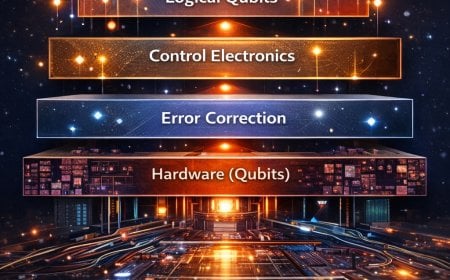
 Editor-written summary
Quantum computing is no longer a lab curiosity. It is becoming a control-layer technology with implications for security, money, and energy systems.
Inside this report
- Summary
- Key Takeaways
- Why This Matters
 Editor-written summary
Silver’s rapid rise threatens China’s manufacturing model, export margins, and capital controls. Unlike gold, silver is an embedded industrial input—making volatility, not price level, the real danger.
Inside this report
- Summary
- China’s Control-Based Economic Model
- Silver vs Gold: Two Very Different Problems
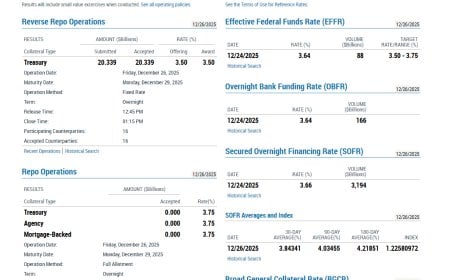 Editor-written summary
Repo markets remain orderly even as settlement fails and benchmark collateral strain emerge. This analysis explains why stable SOFR, modest ON RRP and MBS repo usage, and limited Fed operations can coexist with deeper stress in collateral mobility and dealer balance sheets.
Inside this report
- Orderly Stress: How a Stable Repo Market Is Masking a Deeper Collateral Constraint
- Summary
- What Repo Actually Looks Like Right Now
 Editor-written summary
Compute is a controllable chokepoint. Advanced chips require rare tools, rare know-how, and permissioned supply chains. Export controls, fab constraints, and cloud gates now throttle AI capabilities as a new layer of modern power.
Inside this report
- Compute Control
- Summary
- Compute as a Control Layer
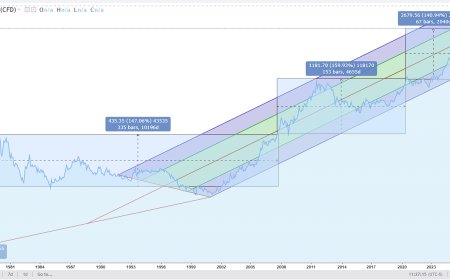 Editor-written summary
Gold’s long-term rise is not a speculative breakout or inflation panic. It reflects repeated policy constraint, failed normalization, and the permanent reintroduction of liquidity to preserve funding stability. This report explains why gold has become system infrastructure inside the modern liquidity regime.
Inside this report
- Executive Summary
- What the Chart Is Actually Measuring
- The Channel Is the Regime
 Editor-written summary
A systems-level framework for understanding modern economies beyond narratives. Pattern Nexus examines liquidity, assets, production, technology, and human behavior through structure, scale, and constraints rather than ideology or belief.
Inside this report
- Summary
- How This Framework Is Oriented
- First Principles
 Editor-written summary
The tax system taxes transactions, not wealth. Learn how borrowing against appreciated assets allows individuals to legally fund their lives without triggering income or capital gains taxes—and why this is a structural feature of modern finance, not a loophole.
Inside this report
- Executive Summary
- The Income Illusion
- Why Taxes Follow Events, Not Wealth
 Editor-written summary
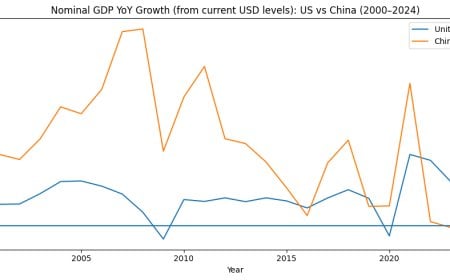
A data-driven breakdown of U.S. versus China economic growth from 2000–2024, showing why China failed to overtake the United States despite years of projections. Using GDP levels, growth rates, and scale mathematics, this report explains how demographics, housing collapse, trade regimes, and financial infrastructure reshaped the outcome — and why marginal U.S. growth now moves the global system.
Inside this report
- Summary
- The First Trick: What “Largest Economy” Even Means
- Currency Translation: Why Nominal USD Is a Different Game
 Editor-written summary
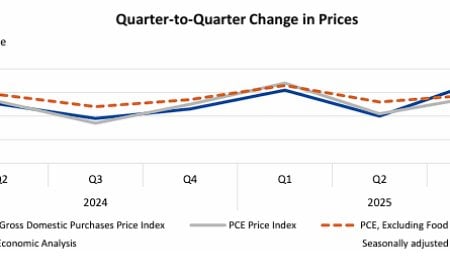
Q3 GDP says the economy is strong. The data says households stopped fixing cars, homes, and appliances to survive. This is the household maintenance recession — and it’s invisible in GDP.
Inside this report
- The Household Maintenance Recession
- Executive Summary
- The Headline vs the System
 Editor-written summary
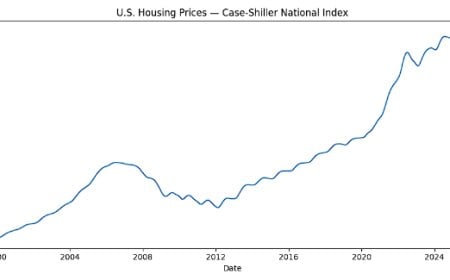
Gold’s 2025 repricing didn’t happen in isolation. Measured in gold, U.S. housing has quietly lost 40–50% of its value without a nominal crash. This article breaks down the hard-asset divergence, why it can’t persist, and how housing may reprice despite poor affordability.
Inside this report
- Gold Didn’t Just Reprice — It Forced a Housing Reckoning
- PN Executive Study
- Executive Summary
 Editor-written summary
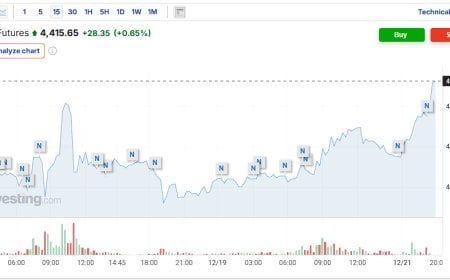
Gold didn’t fail or stall after QT ended — it repriced early and is now consolidating at a higher structural level. An updated Pattern Nexus breakdown on gold’s role in the current liquidity regime.
Inside this report
- Executive Summary
- Recap: The Original Thesis
- Phase Dynamics: Why QT Ending and QE-lite Don’t Produce Moonshots
 Editor-written summary
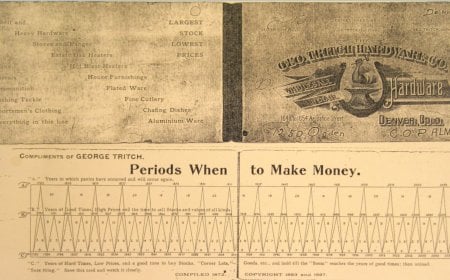
A deep Pattern Nexus breakdown of Samuel Benner’s 19th-century market cycle chart and why it still aligns with modern financial stress windows. This article explains the mechanics behind the “2026 crash chart,” why it appears accurate, what it gets wrong, and how to use it correctly as a risk-regime lens rather than a prediction tool.
Inside this report
- The “150-Year-Old Chart” That “Predicts” 2026
- Executive Summary
- What You’re Looking At

