 Editor-written summary
After World War II, the Bretton Woods system, the Marshall Plan, and the 1951 Treasury–Fed Accord fused into a single architecture: the dollar anchored to gold, capital controls, and state-directed credit. Between 1947 and 1953, this “Dollar Fortress” quietly set the rules of global liquidity that still shape markets today.
Inside this report
- In This Article
- The Setup: A Ruined World and a Blank Monetary Canvas
- Bretton Woods Architecture: Pegs, Gold, and the Dollar Hub
 Editor-written summary
The National Association of Realtors is projecting a 14% rebound in existing-home sales for 2026 — but their forecast depends on a fragile monetary backdrop, a controlled collapse in mortgage rates, and a hidden liquidity intervention. This Pattern Nexus deep dive breaks down the real mechanics behind the “housing comeback” narrative.
Inside this report
- The Headline: What NAR Actually Said
- 2025-11-research-update-report-11-25-2025.pdfAsk the Economist: Is There a Connection Between Gold Prices and Real Estate Values?
- Why Their Forecast Is Really a Liquidity Call
 Editor-written summary
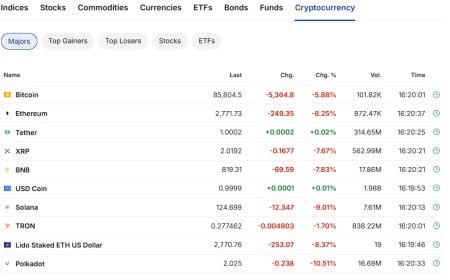
Equities slipped, yields climbed, crypto bled out, and hard assets quietly caught a bid.
December opens with a classic risk-off rotation under a tightening-liquidity sky
Inside this report
- Session Overview — Risk-Off With a Hard-Asset Bid
- Indices & Volatility — Red Tape, VIX Up
- Commodities & Metals — Energy and Silver Take the Lead
 Editor-written summary
The most in-depth analysis of the 2025 Venezuela escalation: FAA NOTAMs, airspace closure, U.S. naval buildup, covert operations, cartel-state networks, GPS interference, and the strategic implications heading into 2026.
Inside this report
- Flashpoint Update – December 10, 2025
- What Just Happened
- How This Changes the Flashpoint
 Editor-written summary
Between 1870 and 1914, steel, railroads, electricity, and global capital markets fused into the first true industrial supercycle. This era built the financial and energy architecture we still live inside today—and it looks uncannily like the AI–data-center–SMR boom now unfolding into 2025–2035.
Inside this report
- The First AI Age: How the 1870–1914 Industrial Supercycle Built the Modern World — And Why 2025–2035 Rhymes With It
- In This Article
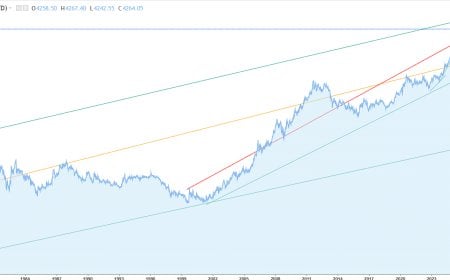
- The Supercycle: 1870–1914 In One Picture
 Editor-written summary
QT ends tomorrow and the Fed pivots to managing reserves with T-bills and MBS roll-off. Gold already snapped into a new liquidity rail, pricing faster debasement and rising bank stress.
Inside this report
- In This Article
- The Setup: QT Ends Tomorrow
- From the Old Channel to the New Rail
 Editor-written summary
America is entering the largest industrial construction boom since WWII — LNG, data centers, chip fabs, tunnels — creating massive $100K+ trade opportunities.
Inside this report
- The Hidden Boom: The U.S. Is Quietly Building the Largest Industrial Expansion Since WWII — And It’s Creating $100K+ Careers Overnight
- In This Article
- The Setup: A “Soft” Economy Hiding a Hard-Asset Boom
 Editor-written summary
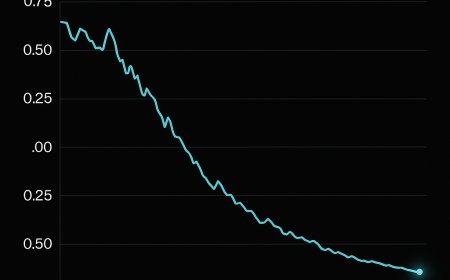
The ECB just issued a financial-stability warning while its systemic stress index (CISS) sits near zero.
This report breaks down what the ECB really sees, how bank–nonbank linkages, dollar funding, stablecoins
and sovereign risk fit together, and why this “calm” looks like the pre-fracture phase of the next global
liquidity cycle.
Inside this report
- In This Article
- The Setup: A Warning in the Quietest Part of the Cycle
- The Paradox
 Editor-written summary
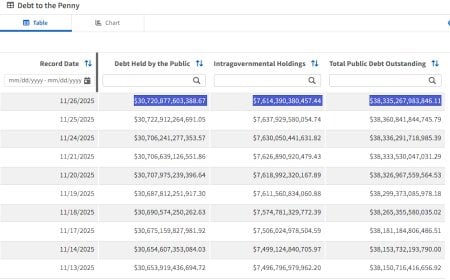
The U.S. added $1T in new debt in just 82 days. Here’s how rising federal, household, business, and state debts are overloading the economy and pushing rates higher.
Inside this report
- In This Article
- The Setup: $1 Trillion in 82 Days
- Treasury Data Snapshot: Debt Surges to $38.3 Trillion
 Automatically extracted excerpt
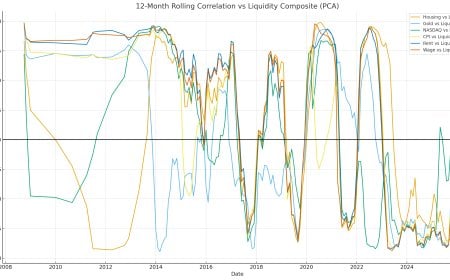
Hard Assets Follow Liquidity, Not Inflation — A Full Data Reconstruction A complete deconstruction of the Colombo chart, the housing bubble argument, and the real driver behind asset prices in the modern financial system. Most people still think housing, gold, and the stock market follow inflation, wages, or rents. Th…
Inside this report
- Hard Assets Follow Liquidity, Not Inflation — A Full Data Reconstruction
- On This Page
- Introduction — The Missing Variable in Every Mainstream Chart
 Editor-written summary
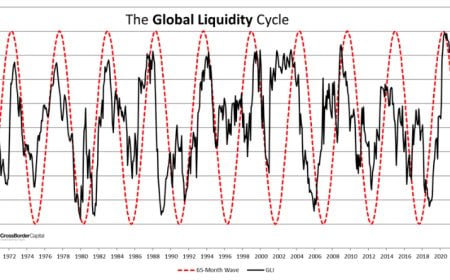
Recessions are not the catastrophe — they’re the mechanical pivot that flips the modern dollar system from contraction back into liquidity expansion. A deep dive into why doom prophets misread the cycle, why 2026 is structurally important, and how the funding plumbing actually drives markets.
Inside this report
- Recessions Aren’t the Crisis — They’re the Trigger
- On This Page
- The Great Misunderstanding in Modern Macro
 Editor-written summary
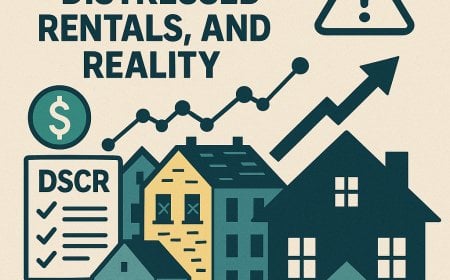
A deep, non-sugarcoated Pattern Nexus field guide explaining how small investors can use DSCR loans, distressed rentals, and targeted rehabs to scale a real-estate portfolio—and every major risk that can destroy the strategy if executed poorly.
Inside this report
- DSCR Loans, Distressed Rentals, and Reality
- On This Page
- Read This First: Not a Sales Pitch

