 Editor-written summary
The housing market was once a ladder — a path from one stage of life to the next. Now, for most people, it’s a plateau. The combination of high rates, tight credit, and structural scarcity has transformed homes from symbols of progress into instruments of leverage. But for those who understand the system, real estate remains one of the last tangible ways to grow wealth in a world where everything else is digitized and abstracted.
Inside this report
- The Psychological Shift: From Shelter to Strategy
- The Structural Transformation: How Finance Rewired the Home
- The Macro Mechanics: Liquidity, Credit, and the Pulse of Real Estate
 Editor-written summary
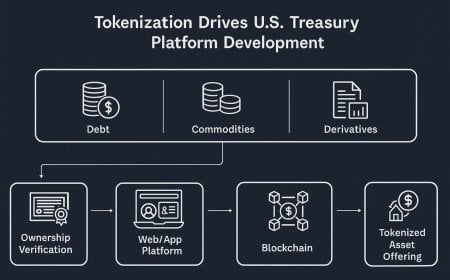
The dollar isn’t dying — it’s upgrading. The U.S. converts liabilities into globally demanded collateral (Treasuries), backstopped by the world’s largest official gold reserve and increasingly distributed over programmable rails (stablecoins, tokenized T-bills, institutional blockchains). This essay explains how that liquidity system actually works, why “hard pegs” like a BRICS gold currency would choke elasticity, and how the next easing cycle may flow through digital conduits.
Inside this report
- 🟩 The Dollar Isn’t Collapsing — It’s Evolving
- The Hard-Asset Backstop: Gold as Collateral, Not Currency
- The Liquidity Game: How the U.S. Exports Debt but Imports Demand
 Editor-written summary
Algorithms promised to connect humanity. Instead, they’ve divided it — not just politically or culturally, but psychologically. We are no longer living inside one shared reality; we’re living inside millions of overlapping digital ones, each optimized for engagement. The result isn’t just polarization — it’s a slow rewiring of what it means to be human.
Inside this report
- The Digital Mind Divide: How Algorithms Are Rewiring Human Values
- Sources & Further Reading
 Editor-written summary
The AI revolution isn’t just changing software — it’s rewriting the energy equation of civilization. As machine intelligence accelerates, Big Tech’s investment in nuclear fusion reveals an unspoken truth: the race for artificial intelligence is ultimately a race for power — in the most literal sense.
Inside this report
- Big Tech’s Fusion Bet: How AI’s Energy Demand Is Rewriting Physics
- Sources & Further Reading
 Editor-written summary
After Powell’s quiet remarks in Philadelphia about ending Quantitative Tightening (QT), subtle tremors are building across the repo and collateral markets. The system is whispering before it screams — and all signs suggest the next liquidity cycle is approaching.
Inside this report
- The Calm Before the Liquidity Storm
- The Liquidity Loop — Why Tightening Always Ends in Easing
- The Quiet Warning: Repo Stress Returns
 Editor-written summary
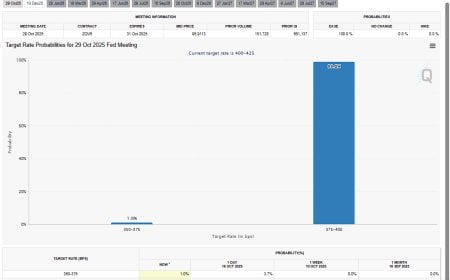
Markets now expect another 25 bps rate cut at the Fed’s Oct 28–29 meeting as unemployment rises and repo-market strains flicker. Powell signaled QT’s end is “coming into view,” Waller endorsed another cut, and Musalem said he could support one if inflation risks stay contained. This post connects those signals to the longer liquidity cycle and to where the next easing wave is headed: tokenized Treasuries, stablecoins, and programmable liquidity.
Inside this report
- Rising Job-Market Risks vs. Anchored Expectations
- Tariffs: One-Off Level Shift, Not a Spiral
- Plumbing Check: Repo, SRF, RRP, and Reserves
 Editor-written summary
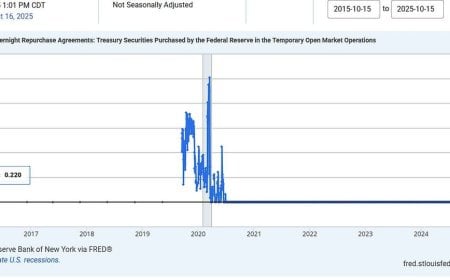
Federal Reserve Chair Jerome Powell’s recent comments on ending Quantitative Tightening signal that the liquidity cycle is turning again. With repo market stress quietly building, QE 2026 may arrive sooner than most expect. This time, the easing won’t just involve printed dollars — it will merge with the rise of tokenized assets, digital Treasuries, and programmable money.
Inside this report
- The Calm Before the Liquidity Storm
- 1. The Liquidity Cycle Never Dies
- 2. The Latest Repo Spike: The Quiet Alarm Bell
 Editor-written summary
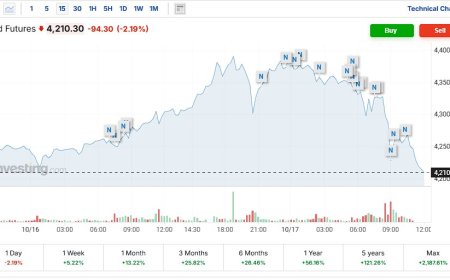
Gold is pulling back to $4,210 after its record-breaking rally above $4,400, but this retracement is part of the natural rhythm of the market. Behind the short-term volatility, the long-term structural forces driving gold higher — liquidity stress, repo tightening, QE speculation, and collateral repricing — remain firmly intact.
Inside this report
- Gold’s Rough Day Doesn’t Change the Bigger Picture
- 1. The Pullback Was Technically Inevitable
- 2. The Macro Context Hasn’t Changed
 Editor-written summary
A hidden liquidity crisis is forming under the surface of global markets. Repo markets are flashing stress, regional banks are reporting fraud-related losses, and gold is breaking all-time highs. This analysis connects the dots — showing how the system is quietly rebalancing through emergency liquidity, fiscal illusion, and a global flight to hard collateral.
Inside this report
- The Liquidity Crunch Nobody’s Talking About
- 1. The Repo Market: The System’s Plumbing Just Clogged
- 2. Regional Banks Are Cracking Under Pressure
 Editor-written summary
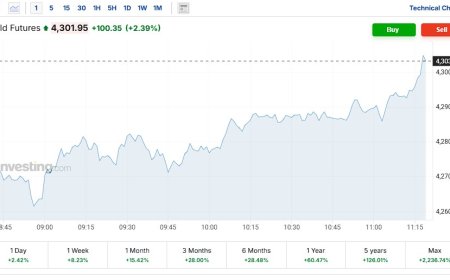
Gold breaking $4,300 isn’t a speculative rally — it’s a structural re-pricing of global value. This article explores the deeper mechanics behind gold’s surge, how digital tokenization and collateral systems are reshaping the monetary order, and why this marks the beginning of a new financial era.
Inside this report
- Gold at $4,300+: This Isn’t a Bull Run — It’s a System Reset
- The Move: Signal, Not Noise
- The System Is Rebalancing
 Editor-written summary
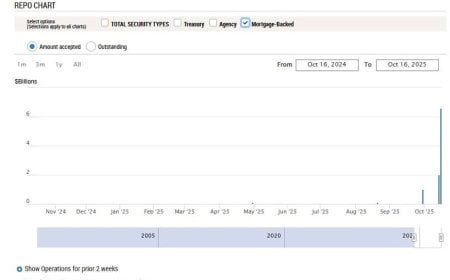
The Federal Reserve quietly conducted nearly $9 billion in mortgage-backed repo operations after months of inactivity — signaling early liquidity strain in U.S. funding markets. Historically, this is how quantitative easing begins: the Fed provides collateral support before publicly announcing policy shifts. This article examines the data, the 2019 precedent, the QE connection, and what it could mean for 2026.
Inside this report
- The Fed Just Tapped the MBS Repo Valve — Why That Matters More Than People Think
- What Just Happened
- Historical Backdrop & Why This Triggers Alarms
 Editor-written summary
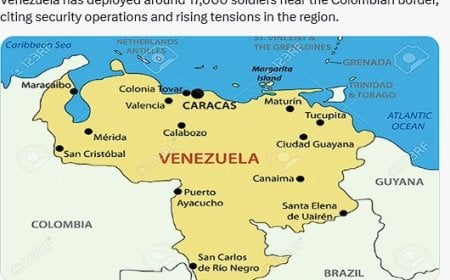
Escalation between the U.S. and Venezuela has moved from covert operations to direct confrontation. Strikes, intelligence activities, and regional shifts point toward a hybrid war developing in Latin America — with global implications.
Inside this report
- Venezuela on the Brink — From Quiet War to Open Confrontation
- 1. Timeline: Strikes, Authorizations, & Escalation
- 2. The Naval Buildup & Force Posturing

