 Editor-written summary
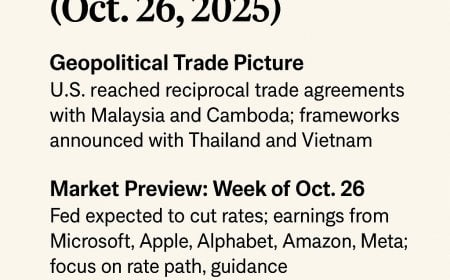
Geopolitics meets markets: new U.S. reciprocal trade deals in Southeast Asia, U.S.–China negotiations, a Fed preview, and what futures are signaling for the week of Oct 26, 2025.
Inside this report
- Trade Signal: Southeast Asia Deals, U.S.–China Talks, and the Week Ahead (Oct 26, 2025)
- The Geopolitical Trade Picture
- Market Preview: Week of Oct 26, 2025
 Editor-written summary
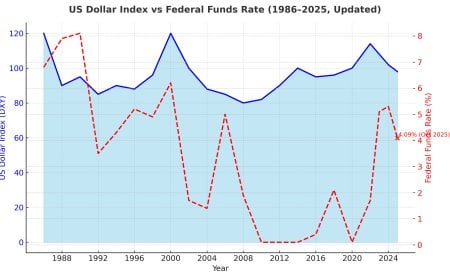
Even as Fed rates fall below 4%, the dollar remains firm. Here’s why its strength no longer depends on yields — and how tokenization, trade settlement, and real assets have redefined the dollar’s role in the global system.
Inside this report
- The Dollar Is No Longer Just About Yields
- The Dollar as Utility
- Hard Assets Have Taken the Store-of-Value Role
 Editor-written summary
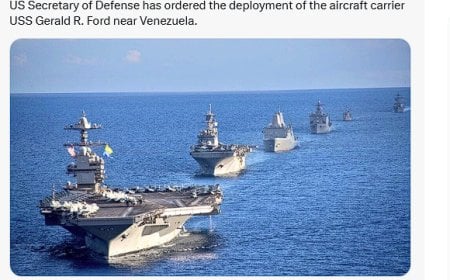
The U.S. Navy’s Gerald R. Ford carrier deployment near Venezuela isn’t about drug interdiction — it’s the next signal in a global realignment. From digital money to military logistics, this move marks the convergence of economic, narrative, and kinetic power inside the Pattern Nexus system.
Inside this report
- Signal in the System: The Ford Deployment and the Next Phase of U.S. Power Consolidation
- The System Repositions
- Corridors and Leverage
 Editor-written summary
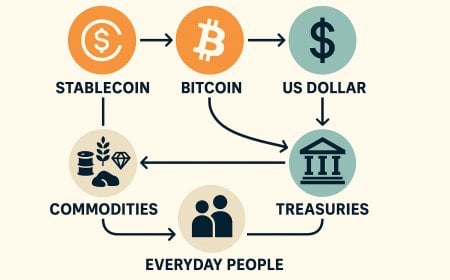
Exploring how CBDCs, tokenized stablecoins, and treasury-backed assets may reintroduce gold into the monetary system — digitally, not physically.
Inside this report
- Gold, CBDCs and the Digital Return to Real Money – Pattern Nexus Perspective
- The Digital Consolidation: Why CBDCs Are a Big Deal
 Editor-written summary
"3% CPI isn’t stability—it’s controlled volatility in a debt-saturated system, forcing the Fed toward rate cuts and stealth QE to keep credit flowing.
Inside this report
- Inflation at 3.0%: The Illusion of Stability and the Inevitable Liquidity Pivot
- My View: 3% Isn’t “Stable”—It’s Controlled Volatility
- Why 3% Forces the Pivot
 Editor-written summary
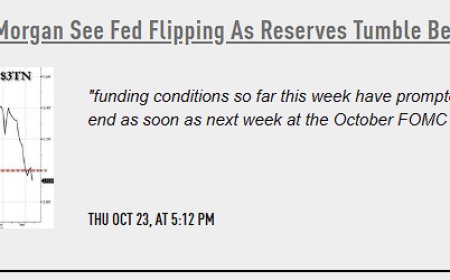
The liquidity cycle has flipped. QT exhausted the reserve buffer, pushing the system into structural limits the Fed can’t ignore. This isn’t a debate — it’s a regime shift. From banking reserves to tokenized collateral, here’s what comes next.
Inside this report
- QT Is Over: The System Just Crossed Its Reserve Floor
- The Reserve Floor Problem (Why QT Can’t Be Infinite)
- How This Shows Up in Markets
 Editor-written summary
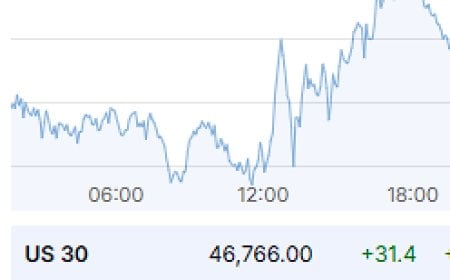
Wall Street rose on strong earnings and Trump–Xi optimism, gold rebounded after a sharp drop, and Japan’s Nikkei slipped on profit-taking. IMF raised growth outlook as global risks persist.
Inside this report
- Wall Street Rallies, Gold Rebounds, Nikkei Slips as Global Forces Diverge – Oct 23, 2025 Market Roundup
- U.S. Stocks Rise on Trump–Xi Optimism and Earnings Strength
- Gold Regains Footing After Biggest Drop in Five Years
 Editor-written summary
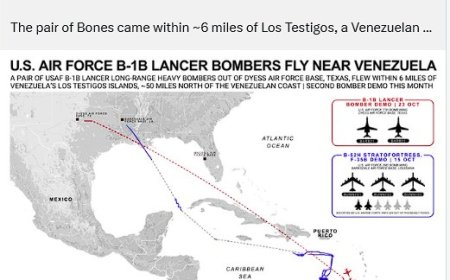
Two USAF B-1B Lancers staged a second bomber demonstration in the Caribbean, flying within ~6 miles of Venezuela’s Los Testigos. This isn’t routine—it’s signaling. Here’s the pattern and why it matters.
Inside this report
- Second Bomber Demo Near Venezuela: The Signal, Not the Show
- Why bring B-1Bs this close?
- The pattern: consolidation first, options second
 Editor-written summary
A deep investigation into the repeating patterns of American intervention—from world wars and Cold War coups to blockchain tokenization, AI warfare, and data-driven control. This piece exposes how power evolves but never disappears, urging a future built on wisdom over dominance.
Inside this report
- Part 1 – The Early 20th Century: War, Idealism and Isolationism
- America’s Reluctant Entry into World War I
- Wilson’s Fourteen Points and the Ill-Fated League of Nations
 Editor-written summary
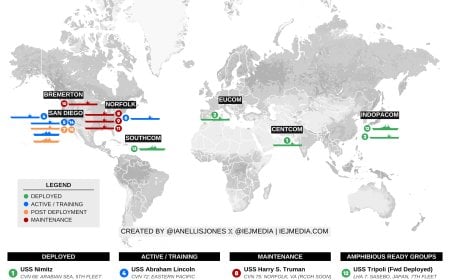
U.S. carrier strike groups are on the move — from the Ford in the Mediterranean to the Iwo Jima Amphibious Ready Group now under SOUTHCOM in the Caribbean. The pattern points to global force consolidation and strategic readiness for simultaneous regional pressure events — not mere exercises. Consolidating Power, Carrier Strike Groups, U.S. Navy, SOUTHCOM, Iwo Jima ARG, Venezuela, Trump, Amphibious Assault, Global Deployment, Deterrence Strategy, Geopolitics, Military Buildup, U.S. Defense Posture, Pattern Nexus, Foreign Policy
Inside this report
- Consolidating Power: Carrier Movements, SOUTHCOM Surge, and the Pattern Behind It
- The Re-Positioning
- Why the Caribbean Matters
 Editor-written summary
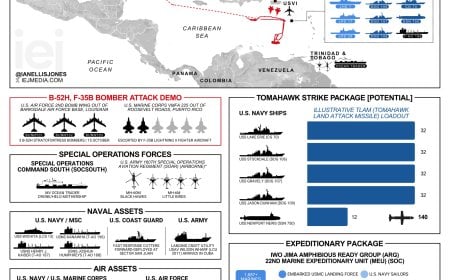
As U.S. Southern Command ramps up its Caribbean deployment, amphibious ships, Tomahawk destroyers, and special operations units signal a shift from maritime interdiction to potential land-based action. Trump’s comments confirm the transition: the sea is “under control” — now land targets are next .Caribbean Surge, U.S. Southern Command, SOUTHCOM, Venezuela, Amphibious Assault, Tomahawk Missiles, Trump, Regime Change, U.S. Military Build-Up, Latin America, Foreign Policy, Military Strategy, Defense Watch, Pattern Nexus
Inside this report
- Caribbean Surge: From Sea-Strikes to Land Options — What the U.S. Is Building
- The Asset Stack
- Why the Shift from Sea to Land?
 Editor-written summary
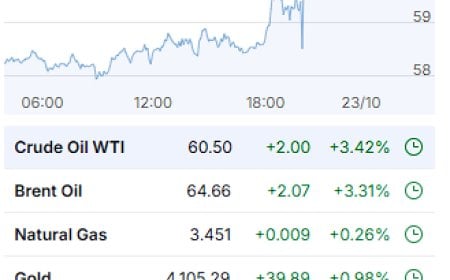
Markets wavered as the Fed faces a data blackout, gold and tech cooled off, and the Trump administration tightened sanctions on Russia while juggling crises abroad. markets, gold, 10-year yield, Fed rate cut, data vacuum, government shutdown, Trump, sanctions, Russia, Ukraine, Vance, Israel, Middle East, Nasdaq, Tesla, Netflix

