

Bond Market
Automatically indexed from the existing article tag.
Theses, forecasts, models, and paths
No published research objects yet
This topic is ready for editors to connect a thesis, forecast, model, or research path.
Latest articles
 Article · related
What If the 6–7% Treasury Yield Trade Is the Trap?
A lot of smart money is starting to position for a 1970s-style inflation repeat where the 10-year Treasury yield spikes toward 6% or 7%. The chart overlay looks convincing. Inflation today can be lined up against the 1970s if the data is shifted and framed the right way. But Pattern Nexus looks at the system constraint, not just the chart. The question is not whether yields can spike. They can. The question is whether the modern economy, the federal refinancing structure, the consumer balance sheet, and the dollar-based global liquidity system can actually survive a sustained 6–7% long-rate environment. This article argues that the more dangerous trade may be the obvious one: expecting the 1970s to repeat cleanly when the system may instead force a spike, break, recession, emergency response, and renewed liquidity cycle.
Published May 27, 2026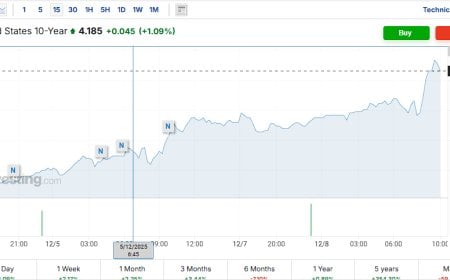 Article · related
GoGoGadget 10-Year: Why Yields Are Rising Into Rate Cuts
The U.S. 10-year just broke above the 4.15% zone even as futures price a near-certain Fed rate cut. This Pattern Nexus breakdown explains why long yields can rise into cuts, what the bond market is signaling about QT, term premium, and collateral stress, and how it fits the 2026 liquidity regime shift.
Published Dec 8, 2025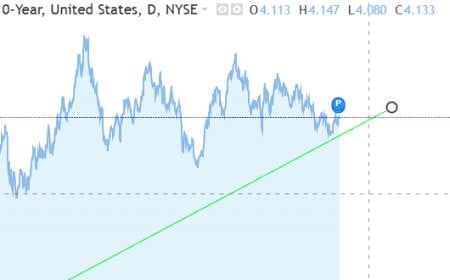 Article · related
The Gravity Zone: How the 10-Year Treasury Revealed the Real Neutral Rate
The 10-year Treasury has been oscillating around a hidden 3–4% neutral zone since 2022, revealing the true equilibrium rate the Fed keeps missing. This article breaks down why long rates refuse to fall, why the market no longer trusts traditional rate cuts, how the Treasury’s trillion-dollar TGA fits into the picture, and why quiet yield-curve management is becoming the new operating system of U.S. monetary policy.
Published Nov 18, 2025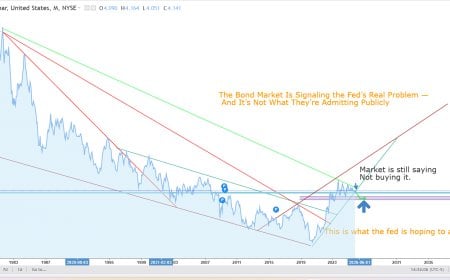 Article · related
The Bond Market Is Exposing the Fed’s Real Problem — And It’s Not Inflation
The 10-year yield reveals the Fed’s real challenge: a shrinking debt-sustainability corridor the market refuses to accept. Here’s why the system can’t stay here.
Published Nov 14, 2025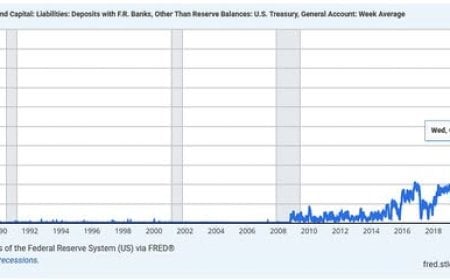 Article · related
The Silent War-Chest: Why the Fed & Treasury Are Hoarding Cash — And Preparing to Control Yields
Overnight repo usage jumps. The TGA surges toward $1T. Washington isn’t “saving.” It’s loading ammunition — to defend the bond market and seize control of yields when disorder hits.
Published Nov 5, 2025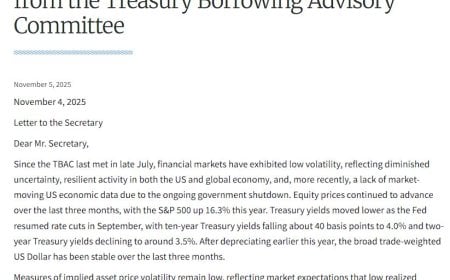 Article · related
The Treasury Just Drew Its Line in the Sand — And It’s at the 10-Year
The U.S. Treasury just made its clearest signal yet: the 10-year yield is the line in the sand. This isn’t just another bond market fluctuation — it's a structural defense of financial stability and government financing capacity. When yields approach critical levels, policy firepower follows. The era of passive markets is over — and the bond market is now the battlefield.
Published Nov 5, 2025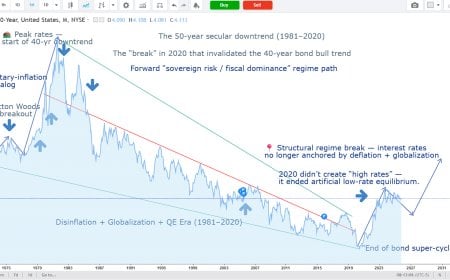 Article · related
The End of the 40-Year Bond Supercycle: Why Rates Didn’t Rise — The Regime Changed
The U.S. 10-year yield didn’t “go up” — the 40-year bond bull ended. This analysis shows how 2020 broke the secular disinflation regime and launched a sovereign-credit repricing cycle mirroring the 1970s.
Published Nov 3, 2025 Article · related
The Reverse Repo Trap: How the Fed Quietly Controls Liquidity & Markets
A deep dive into the Federal Reserve’s overnight reverse repo facility — why trillions parked at the Fed aren't “normal,” how it secretly tightens liquidity, affects Treasury auctions, impacts markets, and signals systemic fragility. Everyone sees the headlines — few see the plumbing.
Published Oct 31, 2025