

Central Banks
Automatically indexed from the existing article tag.
Theses, forecasts, models, and paths
No published research objects yet
This topic is ready for editors to connect a thesis, forecast, model, or research path.
Latest articles
 Article · related
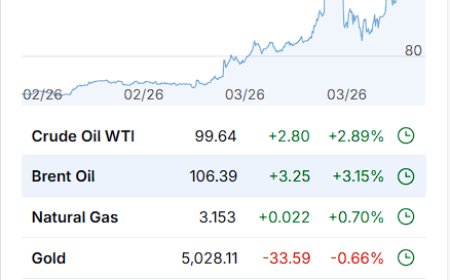
Week Ahead (Mar 16–20, 2026): Central Bank Cluster, War-Risk Premium, and a Market Trading Constraints
Week Ahead (Mar 16–20, 2026): This is a constraint week. Oil risk premium is back, DXY is parked near 100, yields are still restrictive, and central banks have to react without pretending energy isn’t inflationary. Here’s the Pattern X map: what matters, what breaks what, and the if/then triggers for the next 5 sessions.
Published Mar 16, 2026 Trivia Quiz · related
Do You Understand Bank Reserves — or Just the Headline Version?
Most people think banks lend deposits. That’s not how the system works. Test your understanding of reserves, collateral, and Grade-A assets.
Published Jan 4, 2026 Article · related
The Liquidity-Gated Economy: Why Central Banks Control Flow, Not Prosperity
A structural framework explaining modern economies as liquidity-gated systems where central banks regulate monetary flow between upstream credit creation and downstream prices, assets, and inflation.
Published Dec 30, 2025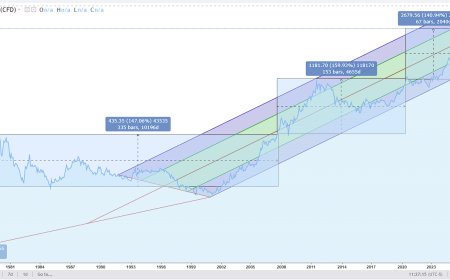 Article · related
Gold Isn’t Breaking Out — It’s Absorbing Policy Failure
Gold’s long-term rise is not a speculative breakout or inflation panic. It reflects repeated policy constraint, failed normalization, and the permanent reintroduction of liquidity to preserve funding stability. This report explains why gold has become system infrastructure inside the modern liquidity regime.
Published Dec 26, 2025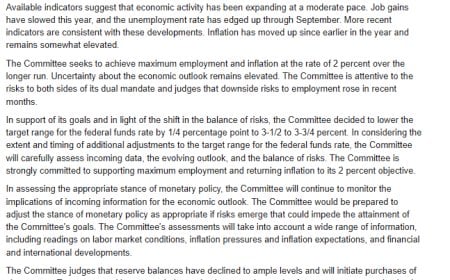 Article · related
December 10, 2025: QT Ends, QE-Lite Begins
The Fed cut rates by 25 bps, acknowledged rising downside risks to employment, and quietly ended QT by initiating short-term Treasury purchases to maintain reserves, marking the start of a new liquidity regime.
Published Dec 10, 2025 Article · related
The Fiscal-Monetary Fusion: Pandemic Money, Inflation Whiplash, and the Militarized Liquidity Regime (2020–2025)
COVID didn’t just trigger stimulus — it fused fiscal and monetary policy into a single war machine. Between 2020 and 2025, governments and central banks ran coordinated mega-deficits, bought their own debt at scale, ignited the first real inflation shock of the QE era, and then slammed rates higher into a fragile, over-financialized system — all while AI, energy constraints, and a new cold war turned liquidity into an explicit weapon.
Published Dec 8, 2025 Article · related
The QE Decade: How Central Banks Took Over the World, Asset Prices Broke Free, and the Digital Dollar Foundations Were Laid (2008–2019)
After the 2008 crisis, the global system didn’t deleverage — it migrated. Between 2008 and 2019, QE, ZIRP, swap lines, and new regulations turned central banks into the core liquidity engine, inflated asset prices, hollowed out safe yields, and quietly laid the foundations for the digital dollar, stablecoins, and the AI–energy megacycle to come.
Published Dec 7, 2025 Article · related
The Housing Collateral Engine: How Shadow Banking, China, and the Fed Turned Mortgages Into Global Money (2001–2008)
After the dot-com crash, the world didn’t deleverage — it rewired. Between 2001 and 2008, China’s WTO entry, Asian reserve accumulation, low Fed rates, and an explosive securitization boom turned U.S. housing into the core collateral engine of the global dollar system. When that engine failed, shadow banking imploded and central banks crossed the Rubicon into unlimited liquidity.
Published Dec 6, 2025 Article · related
Everything Bubble 3 — Why the World Isn’t Collapsing (It’s Expanding Faster Than Our Old Tools Can Measure)
The world isn’t heading toward collapse — it’s undergoing structural expansion. Central banks cannot allow deflation, global collateral must grow, and the modern system is built to inflate, not implode. Everything Bubble 3 is the next phase of systemic survival.
Published Nov 8, 2025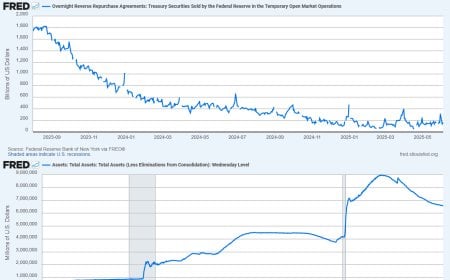 Article · related
Era of Easy Money Ends – How Declining Liquidity Is Shaping Markets
Central banks are pulling back trillions in liquidity after years of easy money. We examine how this liquidity drain – in the US and globally – impacts stocks, the economy, and what it signals for the future.
Published Oct 22, 2025 Article · related
The Illusion of Ownership: How Leverage and Liquidity Redefined the Middle Class
For decades, the idea of homeownership was synonymous with security. But after 2008, that dream quietly shifted from ownership to leverage — from building roots to building returns. This analysis explores how central banks, institutional capital, and modern lending turned the middle class from owners into participants in a liquidity machine, and what that means for those still trying to build lasting wealth.
Published Oct 18, 2025