

economic growth
Automatically indexed from the existing article tag.
Theses, forecasts, models, and paths
No published research objects yet
This topic is ready for editors to connect a thesis, forecast, model, or research path.
Latest articles
 Article · related
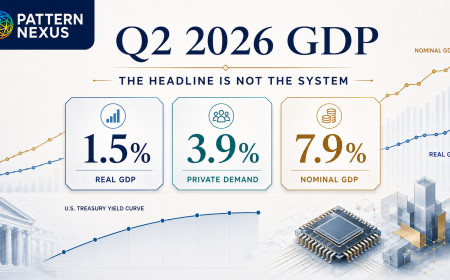
GDP Slowed to 1.5%—But the U.S. Economy Did Not Weaken the Way the Headline Implies
Real GDP slowed to a 1.5% annual rate in Q2 2026, but the private domestic economy accelerated to 3.9% while nominal GDP grew 7.9%. This Pattern Nexus analysis separates the headline from the internal economy and explains what consumer spending, business investment, capital-goods imports, inflation, government accounting, Federal Reserve policy, and the 10-year Treasury signal actually mean.
Published Aug 4, 2026 Article · related
Federal Reserve Board announces it will hold a hybrid public outreach meeting on Thursday, March 26, as part of its review of regulations under the Economic Growth and Regulatory Paperwork Reduction Act (EGRPRA)
Federal Reserve Board announces it will hold a hybrid public outreach meeting on Thursday, March 26, as part of its review of regulations under the Economic Growth and Regulatory Paperwork Reduction Act (EGRPRA)
Published Feb 21, 2026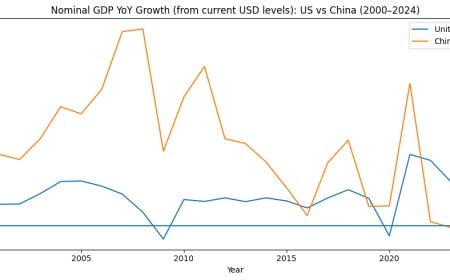 Article · related
Scale Is Destiny: Why China Didn’t Pass the U.S. — and Why That Matters
A data-driven breakdown of U.S. versus China economic growth from 2000–2024, showing why China failed to overtake the United States despite years of projections. Using GDP levels, growth rates, and scale mathematics, this report explains how demographics, housing collapse, trade regimes, and financial infrastructure reshaped the outcome — and why marginal U.S. growth now moves the global system.
Published Dec 24, 2025