

Housing Market
Automatically indexed from the existing article tag.
Theses, forecasts, models, and paths
No published research objects yet
This topic is ready for editors to connect a thesis, forecast, model, or research path.
Latest articles
 Article · related
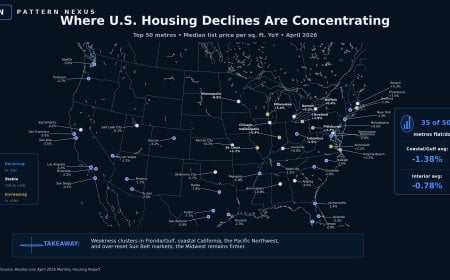
The Coastal Housing Repricing Map: Where the U.S. Housing Plateau Is Starting to Crack
The U.S. housing market is not crashing everywhere. It is repricing where the affordability stack broke first: coastal price towers, insurance-stressed Florida and Gulf markets, high-rate West Coast metros, and over-reset Sun Belt cities where sellers are finally forced to meet buyers where they are. Realtor.com’s April 2026 top-50 metro data shows 35 of 50 major metros flat or down on median list price per square foot. Case-Shiller confirms the same slowdown through repeat-sales data. Pattern Nexus called this structure months ago: not a clean 2008-style collapse, but a fragmented housing plateau where geography, rates, insurance, taxes, liquidity, and cash-flow math decide which markets hold and which markets reprice.
Published May 26, 2026 Article · related
2026 Landlord Outlook: Cautious Optimism, Multifamily Strength, and the New Housing Map
A Pattern Nexus breakdown of Innago’s 2026 landlord survey showing cautious optimism, portfolio expansion plans, multifamily dominance, Midwest and South rotation, and rising AI adoption in rental ownership.
Published Mar 11, 2026 Article · related
Pending Home Sales Confirm the Hard-Asset Rotation — Not a Housing “Surprise”
November pending home sales rose 3.3% month over month and 2.6% year over year, confirming a liquidity-driven rotation within hard assets. This analysis explains why housing strength can coincide with gold and silver weakness, and why “housing is overvalued” misunderstands credit, currency, and easing dynamics.
Published Dec 29, 2025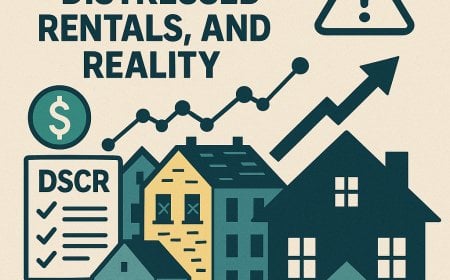 Article · related
DSCR Loans, Distressed Rentals, and Reality: A Field Guide for Small Investors
A deep, non-sugarcoated Pattern Nexus field guide explaining how small investors can use DSCR loans, distressed rentals, and targeted rehabs to scale a real-estate portfolio—and every major risk that can destroy the strategy if executed poorly.
Published Nov 27, 2025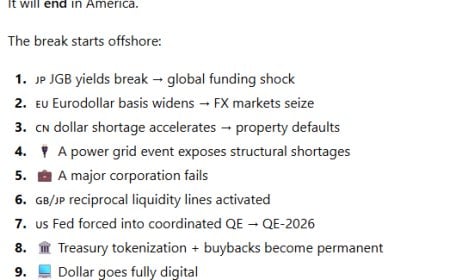 Article · related
What Breaks First? A Speculative Walkthrough of System Stress Beneath 2025
A speculative deep dive into the hidden stress points of 2025—from weak holiday sales and tenant distress to global funding cracks, AI-power strain, and Treasury fragility.
Published Nov 18, 2025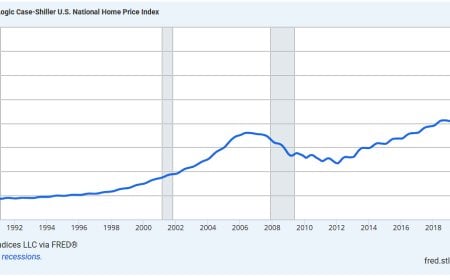 Article · related
The Quiet Crisis: Rising Foreclosures, Falling Rents, and the Stress Building Beneath the U.S. Housing Market
Foreclosures are quietly rising, rents are softening, and household budgets are breaking. A deep Pattern Nexus analysis of October 2025 foreclosure data, tenant stress, and the Great Housing Plateau.
Published Nov 17, 2025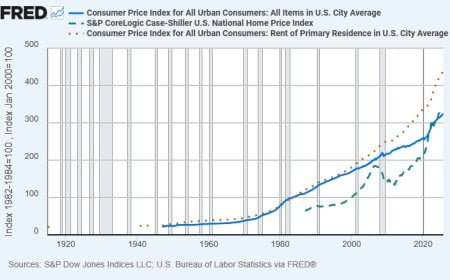 Article · related
How the Fed Quietly Stole 30% of Your Future (And How They’ll Use Stablecoins to Do It Again)
From 2020 to 2022, the Federal Reserve silently transferred 30–40% of your future purchasing power to asset owners via balance-sheet expansion, housing inflation, and the Cantillon effect. The next round of this game will run through stablecoins, CBDCs, and the Argentina playbook—bypassing governments and locking entire generations into asset feudalism.
Published Nov 15, 2025 Article · related
The Systemic Realignment: Digital Sovereignty, Multipolar Liquidity & The End of Old Alliances
The world isn’t becoming multipolar — it's being rewired into competing digital, monetary, and geopolitical corridors. Alliances shift, rails define power.
Published Oct 31, 2025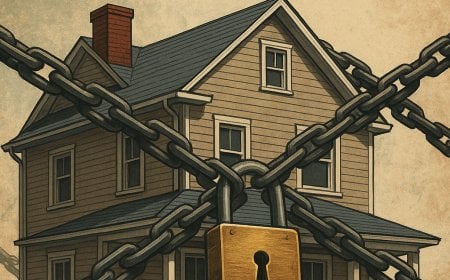 Article · related
The Lock-In Economy: Why America’s Housing Market Remains Frozen
The Lock-In Economy: Why America’s Housing Market Remains Frozen (2025) Meta Description: Rates above 7 percent created a lock-in freeze as homeowners cling to ultra-low mortgages. Here’s how it distorts supply, demand, demographics, and policy—and what could finally break it.
Published Oct 29, 2025 Article · related
🏠 The Great Housing Plateau: Why the American Dream Is No Longer a Ladder
The housing market was once a ladder — a path from one stage of life to the next. Now, for most people, it’s a plateau. The combination of high rates, tight credit, and structural scarcity has transformed homes from symbols of progress into instruments of leverage. But for those who understand the system, real estate remains one of the last tangible ways to grow wealth in a world where everything else is digitized and abstracted.
Published Oct 18, 2025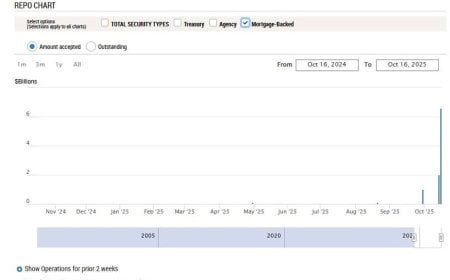 Article · related
🚨 The Fed Just Tapped the MBS Repo Valve — Why That Matters More Than People Think
The Federal Reserve quietly conducted nearly $9 billion in mortgage-backed repo operations after months of inactivity — signaling early liquidity strain in U.S. funding markets. Historically, this is how quantitative easing begins: the Fed provides collateral support before publicly announcing policy shifts. This article examines the data, the 2019 precedent, the QE connection, and what it could mean for 2026.
Published Oct 17, 2025