

Monetary Policy
Automatically indexed from the existing article tag.
Theses, forecasts, models, and paths
No published research objects yet
This topic is ready for editors to connect a thesis, forecast, model, or research path.
Latest articles
 Video · related
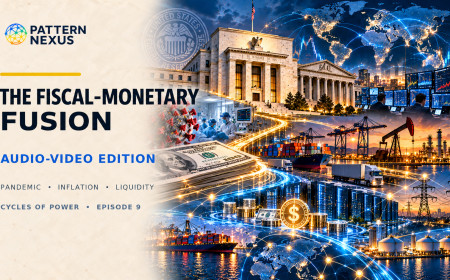
The Fiscal-Monetary Fusion — Audio-Video Edition
Episode 9 of the weekly Pattern Nexus audio-video series turns Part 9 of Cycles of Power into a shorter story about how pandemic stimulus fused fiscal and monetary policy, inflation forced a violent rate reversal, bank stress produced a new collateral-protection template, and sanctions, AI infrastructure, stablecoins, and tokenized Treasuries transformed liquidity into both operating system and geopolitical weapon between 2020 and 2025.
Published Oct 5, 2026 Article · related
Goolsbee Turns AI Data Centers Into a Fed Reaction-Function Test
Chicago Fed President Austan Goolsbee said on September 21, 2026 that policymakers should watch whether AI data-center construction is spilling beyond its sector and pushing aggregate output above capacity. The significance is not that the Fed is targeting AI, but that AI capex is now being discussed as a possible demand shock with implications for inflation and interest-rate policy.
Published Sep 21, 2026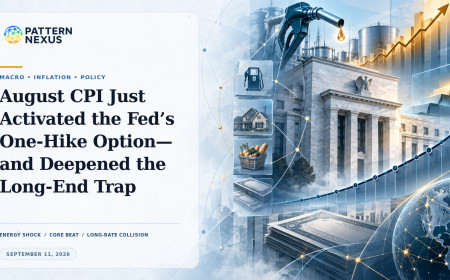 Article · related
August CPI Just Activated the Fed’s One-Hike Option—and Deepened the Long-End Trap
August CPI rose 0.4% on the month and 3.4% from a year earlier, while core CPI rose a hotter-than-expected 0.3% even as its annual rate eased to 2.4%. Pattern Nexus decomposes the report into an energy shock, a narrow communications-and-travel core impulse, and still-slow rent inflation. The result activates the Fed’s one-hike option for September, but it does not yet prove that a broad new inflation cycle has begun. This premium report maps the policy decision, the 80% PN September-hike probability, the long-end trap near 5%, the household cashflow squeeze, the rate-policy-versus-liquidity-plumbing contradiction, and the exact data that would confirm or invalidate the call.
Published Sep 11, 2026 Article · related
Treasury Turns Long-Bond Buybacks Into a Yield-Control Test
Treasury said it will raise maximum liquidity-support buybacks in the 10-to-20-year and 20-to-30-year nominal coupon sectors from $2 billion to at least $4 billion per operation beginning September 9, 2026. Follow-up reporting from AP, Reuters and Axios shows the market treated the move as an attempted long-end yield intervention, but the initial relief faded quickly. The Pattern Nexus read: this is not formal yield-curve control, but it is a live test of whether Treasury plumbing can absorb stress that monetary policy credibility and fiscal math are failing to contain.
Published Aug 22, 2026 Video · related
The Dollar Fortress — Audio-Video Edition
Episode 2 of the Pattern Nexus Audio-Video series explains how Bretton Woods, the Marshall Plan, capital controls, the IMF, the World Bank, and the 1951 Treasury–Federal Reserve Accord forged the first dollar-liquidity regime between 1947 and 1953.
Published Aug 16, 2026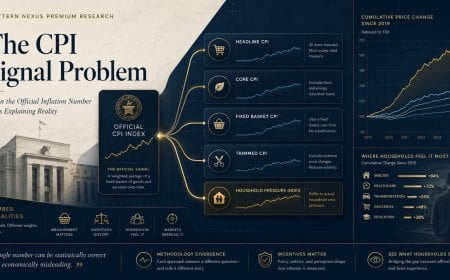 Article · related
The CPI Signal Problem: When the Official Inflation Number Stops Explaining Reality
A Pattern Nexus data analysis audit using official BLS CPI data from 1960 through April 2026 to compare headline inflation against fixed-basket, current-method, and trimmed-basket frameworks.
Published Jun 10, 2026 Article · related
Federal Open Market Committee reaffirms its "Statement on Longer-Run Goals and Monetary Policy Strategy"
Federal Open Market Committee reaffirms its "Statement on Longer-Run Goals and Monetary Policy Strategy"
Published Feb 21, 2026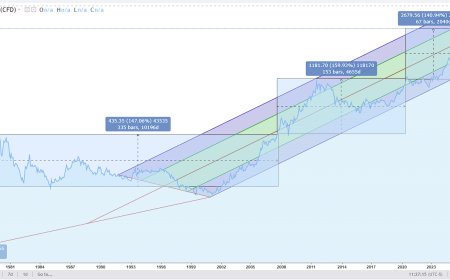 Article · related
Gold Isn’t Breaking Out — It’s Absorbing Policy Failure
Gold’s long-term rise is not a speculative breakout or inflation panic. It reflects repeated policy constraint, failed normalization, and the permanent reintroduction of liquidity to preserve funding stability. This report explains why gold has become system infrastructure inside the modern liquidity regime.
Published Dec 26, 2025 Article · related
The Fiscal-Monetary Fusion: Pandemic Money, Inflation Whiplash, and the Militarized Liquidity Regime (2020–2025)
COVID didn’t just trigger stimulus — it fused fiscal and monetary policy into a single war machine. Between 2020 and 2025, governments and central banks ran coordinated mega-deficits, bought their own debt at scale, ignited the first real inflation shock of the QE era, and then slammed rates higher into a fragile, over-financialized system — all while AI, energy constraints, and a new cold war turned liquidity into an explicit weapon.
Published Dec 8, 2025 Article · related
The Monetary Break: How Nixon, Silver, & the Eurodollar Rewired the Global System (1968–1979)
Between 1968 and 1979, the collapse of the gold window, the rise of the Eurodollar, and the Petrodollar shift transformed the global monetary system. Nixon’s 1971 shock, oil crises, offshore dollar expansion, and financial deregulation rewired the world’s liquidity architecture and created the modern dollar empire.
Published Dec 2, 2025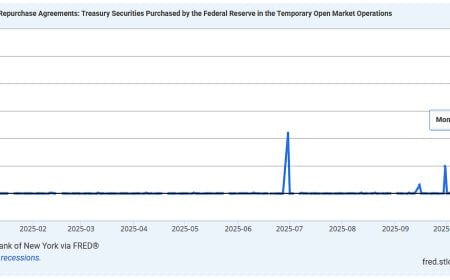 Article · related
The Day QT Died and QE Began: December 1, 2025 — The Quiet Restart of the Liquidity Engine
QT officially ended on December 1, 2025 — but the real story happened in the plumbing. With the RRP buffer nearly gone, SOFR volumes exploding, and the Standing Repo Facility pulling in Treasuries, agencies, and MBS, the Fed quietly shifted from balance-sheet tightening to balance-sheet backfilling. This was the moment the liquidity regime flipped.
Published Dec 2, 2025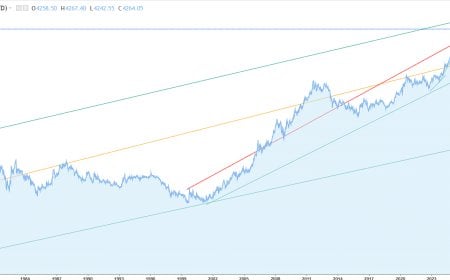 Article · related
Gold Didn’t Moon — It Locked Into a New Liquidity Rail
QT ends tomorrow and the Fed pivots to managing reserves with T-bills and MBS roll-off. Gold already snapped into a new liquidity rail, pricing faster debasement and rising bank stress.
Published Nov 30, 2025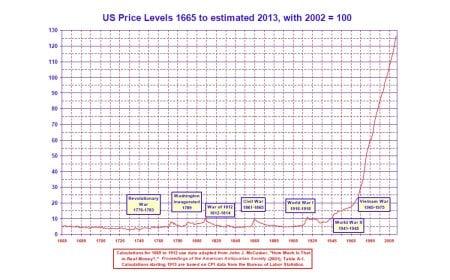 Article · related
From 1665 to QE Infinity: Answering a 2012 Inflation Question
In January 2012 I stared at a 350-year price chart and wondered what all the post-2008 “money printing” would do to inflation. More than a decade, a pandemic, and a historic rate shock later, this is the answer I wish I could have given my 2012 self.
Published Nov 22, 2025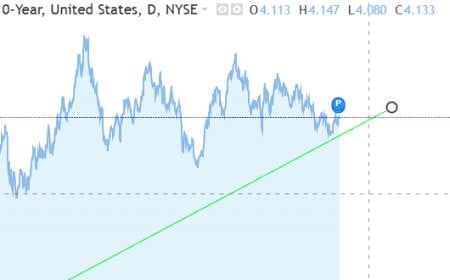 Article · related
The Gravity Zone: How the 10-Year Treasury Revealed the Real Neutral Rate
The 10-year Treasury has been oscillating around a hidden 3–4% neutral zone since 2022, revealing the true equilibrium rate the Fed keeps missing. This article breaks down why long rates refuse to fall, why the market no longer trusts traditional rate cuts, how the Treasury’s trillion-dollar TGA fits into the picture, and why quiet yield-curve management is becoming the new operating system of U.S. monetary policy.
Published Nov 18, 2025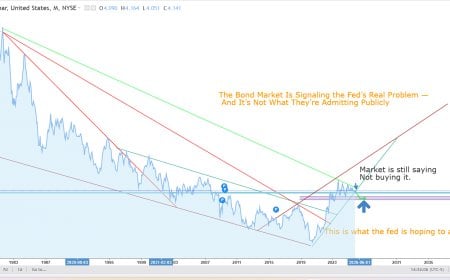 Article · related
The Bond Market Is Exposing the Fed’s Real Problem — And It’s Not Inflation
The 10-year yield reveals the Fed’s real challenge: a shrinking debt-sustainability corridor the market refuses to accept. Here’s why the system can’t stay here.
Published Nov 14, 2025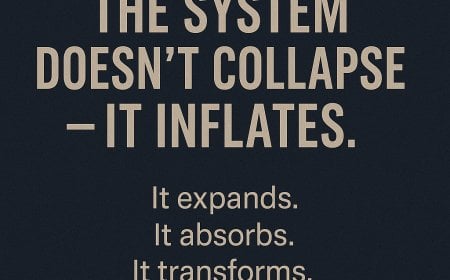 Article · related
Everything Bubble 3 — Why the World Isn’t Collapsing (It’s Expanding Faster Than Our Old Tools Can Measure)
The world isn’t heading toward collapse — it’s undergoing structural expansion. Central banks cannot allow deflation, global collateral must grow, and the modern system is built to inflate, not implode. Everything Bubble 3 is the next phase of systemic survival.
Published Nov 8, 2025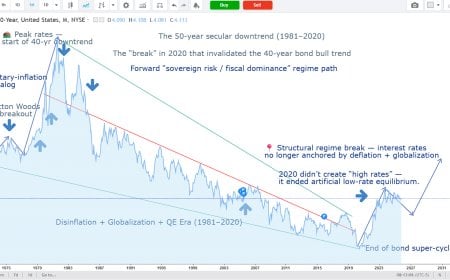 Article · related
The End of the 40-Year Bond Supercycle: Why Rates Didn’t Rise — The Regime Changed
The U.S. 10-year yield didn’t “go up” — the 40-year bond bull ended. This analysis shows how 2020 broke the secular disinflation regime and launched a sovereign-credit repricing cycle mirroring the 1970s.
Published Nov 3, 2025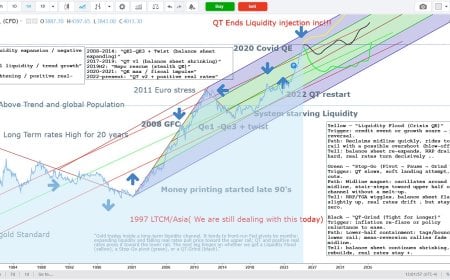 Article · related
Gold Didn’t Moon — It Front-Ran Liquidity (Again)
Gold didn’t spike randomly — it front-ran liquidity, real-rate pivots, and QT stress exactly like we’ve been discussing. Here’s the long-term channel, why it happened, and the three paths forward as the Fed hits its next liquidity decision point.
Published Nov 1, 2025 Article · related
The Systemic Realignment: Digital Sovereignty, Multipolar Liquidity & The End of Old Alliances
The world isn’t becoming multipolar — it's being rewired into competing digital, monetary, and geopolitical corridors. Alliances shift, rails define power.
Published Oct 31, 2025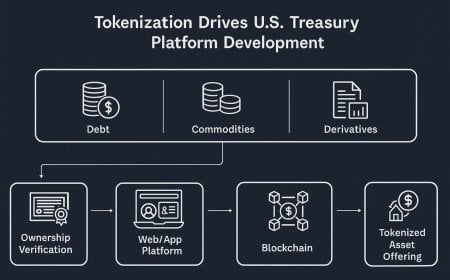 Article · related
The Dollar Isn’t Collapsing — It’s Evolving
The dollar isn’t dying — it’s upgrading. The U.S. converts liabilities into globally demanded collateral (Treasuries), backstopped by the world’s largest official gold reserve and increasingly distributed over programmable rails (stablecoins, tokenized T-bills, institutional blockchains). This essay explains how that liquidity system actually works, why “hard pegs” like a BRICS gold currency would choke elasticity, and how the next easing cycle may flow through digital conduits.
Published Oct 18, 2025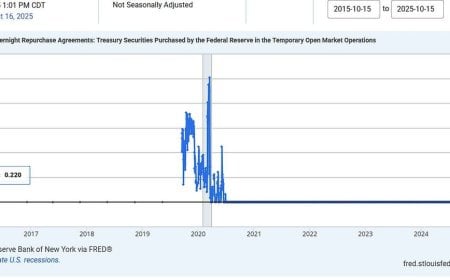 Article · related
The Calm Before the Liquidity Storm: QE 2026 and the Digital Evolution of Money
Federal Reserve Chair Jerome Powell’s recent comments on ending Quantitative Tightening signal that the liquidity cycle is turning again. With repo market stress quietly building, QE 2026 may arrive sooner than most expect. This time, the easing won’t just involve printed dollars — it will merge with the rise of tokenized assets, digital Treasuries, and programmable money.
Published Oct 17, 2025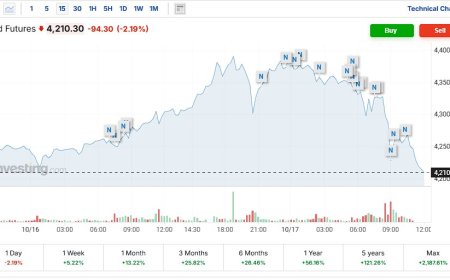 Article · related
Gold’s Rough Day Doesn’t Change the Bigger Picture: A Natural Correction in a Structural Bull Market
Gold is pulling back to $4,210 after its record-breaking rally above $4,400, but this retracement is part of the natural rhythm of the market. Behind the short-term volatility, the long-term structural forces driving gold higher — liquidity stress, repo tightening, QE speculation, and collateral repricing — remain firmly intact.
Published Oct 17, 2025 Article · related
The Liquidity Crunch Nobody’s Talking About: How Repo Stress, Bank Failures, and a “False Surplus” Are Fueling Gold’s Breakout
A hidden liquidity crisis is forming under the surface of global markets. Repo markets are flashing stress, regional banks are reporting fraud-related losses, and gold is breaking all-time highs. This analysis connects the dots — showing how the system is quietly rebalancing through emergency liquidity, fiscal illusion, and a global flight to hard collateral.
Published Oct 17, 2025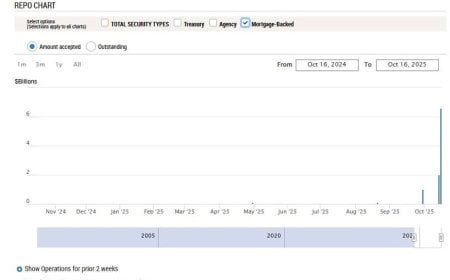 Article · related
🚨 The Fed Just Tapped the MBS Repo Valve — Why That Matters More Than People Think
The Federal Reserve quietly conducted nearly $9 billion in mortgage-backed repo operations after months of inactivity — signaling early liquidity strain in U.S. funding markets. Historically, this is how quantitative easing begins: the Fed provides collateral support before publicly announcing policy shifts. This article examines the data, the 2019 precedent, the QE connection, and what it could mean for 2026.
Published Oct 17, 2025