

power demand
Automatically indexed from the existing article tag.
Theses, forecasts, models, and paths
No published research objects yet
This topic is ready for editors to connect a thesis, forecast, model, or research path.
Latest articles
 Article · related
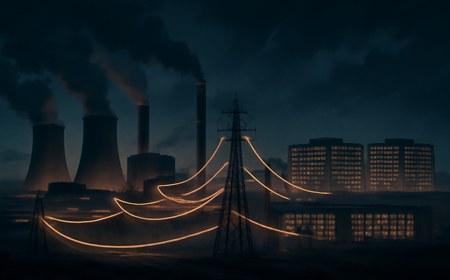
EPA Turns AI Power Demand Into a Fossil-Baseload Deregulation Test
EPA Administrator Lee Zeldin signed a final partial repeal of the 2024 Carbon Pollution Standards for fossil-fuel power plants and paired it with a proposal to rescind remaining greenhouse-gas standards for the sector under Clean Air Act Section 111. EPA frames the action as an energy-abundance and cost-saving measure worth more than $300 billion, while major news reports say environmental groups expect legal challenges. The AI angle is not that EPA regulated AI directly, but that rising data-center and industrial load is becoming a justification for fossil-basaload deregulation.
Published Sep 15, 2026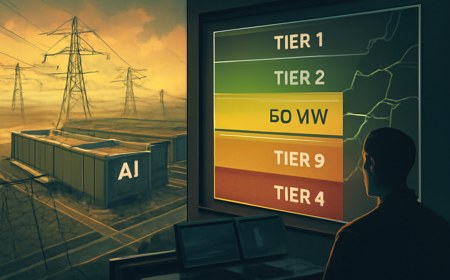 Article · related
PJM Turns AI Data Centers Into Interruptible Grid Load
PJM’s proposed Interim Resource Adequacy Service framework would treat some new 50 MW-plus data centers and other large loads as curtailable unless they secure qualifying capacity. The move follows a 6,831 MW capacity shortfall for the 2028/2029 delivery year and rising forecasts for large-load demand across PJM’s footprint. The system read: AI compute is being recast from passive load growth into a reliability obligation.
Published Aug 19, 2026 Article · related
Texas Turns AI Data Centers Into a Grid-Admission Audit
Texas Gov. Greg Abbott directed PUCT and ERCOT on August 3, 2026 to conduct a comprehensive verification and audit of data centers advancing through ERCOT’s interconnection process before those projects move forward. The order lands amid roughly 474 gigawatts of large-load requests to connect to the Texas grid, with the governor’s office saying about 90% of new power requests are data centers. The move reframes AI-era data centers as strategic infrastructure applicants rather than ordinary load growth.
Published Aug 7, 2026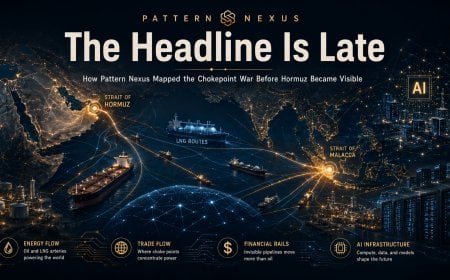 Article · related
The Headline Is Late: How Pattern Nexus Mapped the Chokepoint War Before Hormuz Became Visible
The Iran-Hormuz crisis did not create the Pattern Nexus framework. It exposed it. For months, Pattern Nexus had already been mapping the deeper system beneath the headlines: liquidity plumbing, QT, reverse repo, QE 2026, AI power demand, stablecoin rails, Treasury collateral, Western Hemisphere force posture, energy chokepoints, China’s routing vulnerability, and the shift from globalization to permission. This long-form analysis uses the video transcript as an alignment test, then ties it back into the Pattern Nexus archive to show the real timeline: the headline arrived late because the structure moved first.
Published May 7, 2026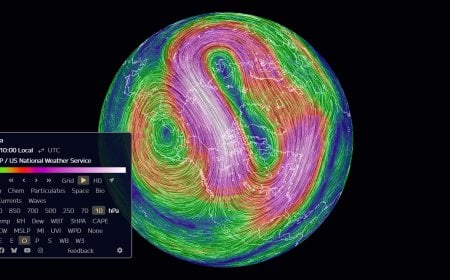 Article · related
Polar Vortex Watch, Part II: Early-Season 10 hPa Deformation and the Nat Gas Risk Trade
An unusually early 10 hPa polar-vortex deformation is unfolding over the Arctic, raising the odds of late-December cold across North America and setting up a higher-volatility trade in natural gas, power demand, and the real economy.
Published Dec 9, 2025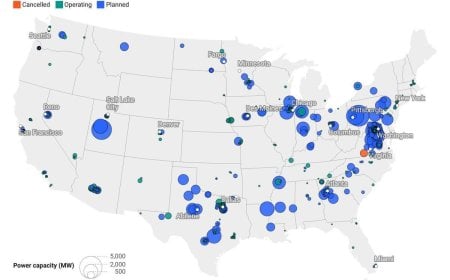 Article · related
America’s New Map of Power: Data Centers, Grid Shortfall, and the AI Industrial Build-Out
A single map of U.S. data centers reveals the real AI-industrial build-out: clustered power demand, a 40–50 GW grid shortfall, forced nuclear restarts, and a new liquidity regime that makes QE-style support inevitable.
Published Nov 13, 2025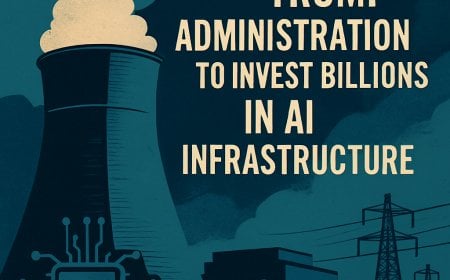 Article · related
AI’s Nuclear Backstop: Trump Admin to Lend “Hundreds of Billions” for Nuclear Power Plants to Meet AI Demand
The Trump administration is preparing massive federal lending for new nuclear reactors to meet accelerating AI-era power demand. Here’s the full breakdown.
Published Nov 11, 2025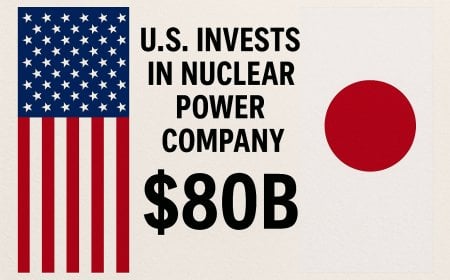 Article · related
U.S. Administration Investments in Nuclear Companies (2025)
In 2025, the U.S. administration under President Donald Trump announced an $80 billion nuclear partnership with Westinghouse, Cameco, and Brookfield to rebuild America’s nuclear capacity and meet soaring AI-driven power demand. Complementary projects by Amazon, X-energy, Google, Microsoft, and the Department of Defense mark a new era of public-private collaboration in nuclear energy, reshaping U.S. energy strategy and global competitiveness.
Published Oct 28, 2025