
Mar 2, 2026 Market Wrap (8:52 PM): Oil Risk Premium, VIX Wake-Up, and De-Escalation Getting Priced Too Early
Equities held together, but VIX jumped, oil stayed bid, and metals kept acting like uncertainty hedges. My read: the market is pricing fast de-escalation in Iran too early. Here’s the systems-level breakdown using the 8:52 PM snapshot.
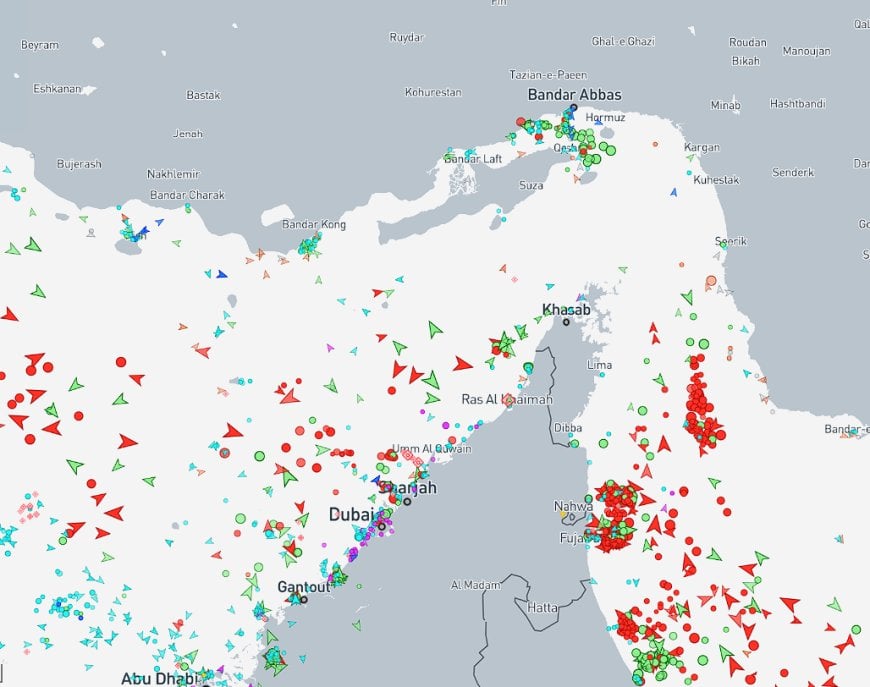

8:52 PM snapshot is classic “risk looks fine” on the surface and “buy protection anyway” under the hood. S&P basically flat, Nasdaq green, Dow slightly red, but VIX is up hard, oil is higher, and gold and silver are still acting like uncertainty hedges. That combo usually means the market is trying to price normalcy while still respecting a tail risk it can’t model cleanly. My thesis: de-escalation in Iran is getting priced too early, and the tell is the physical layer tightening, not relaxing. When insurers step back, carriers suspend transits, and traffic collapses, “headline calm” becomes a trap. The macro bleed-through is immediate: energy feeds inflation expectations, inflation feeds rates, rates feed equity multiples, then credit tightens in places you don’t see until it’s too late.
If the index is calm but VIX is popping and metals stay bid, the market is quietly paying up for “unknown unknowns.”
“De-escalation priced” is not the same as “de-escalation delivered.” Markets front-run the outcome. The world doesn’t.
The Strait-of-Hormuz layer is a control valve. When that valve constrains, inflation expectations and risk parity assumptions get stress-tested fast.
Insurance is the gate. If war-risk cover gets pulled or repriced violently, the “strait” can be open on paper and closed in practice.
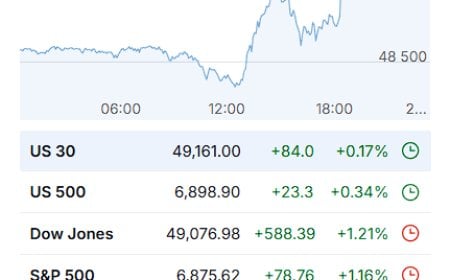
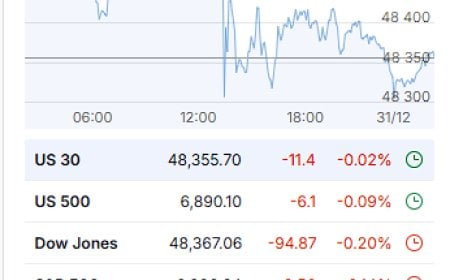
Snapshot:
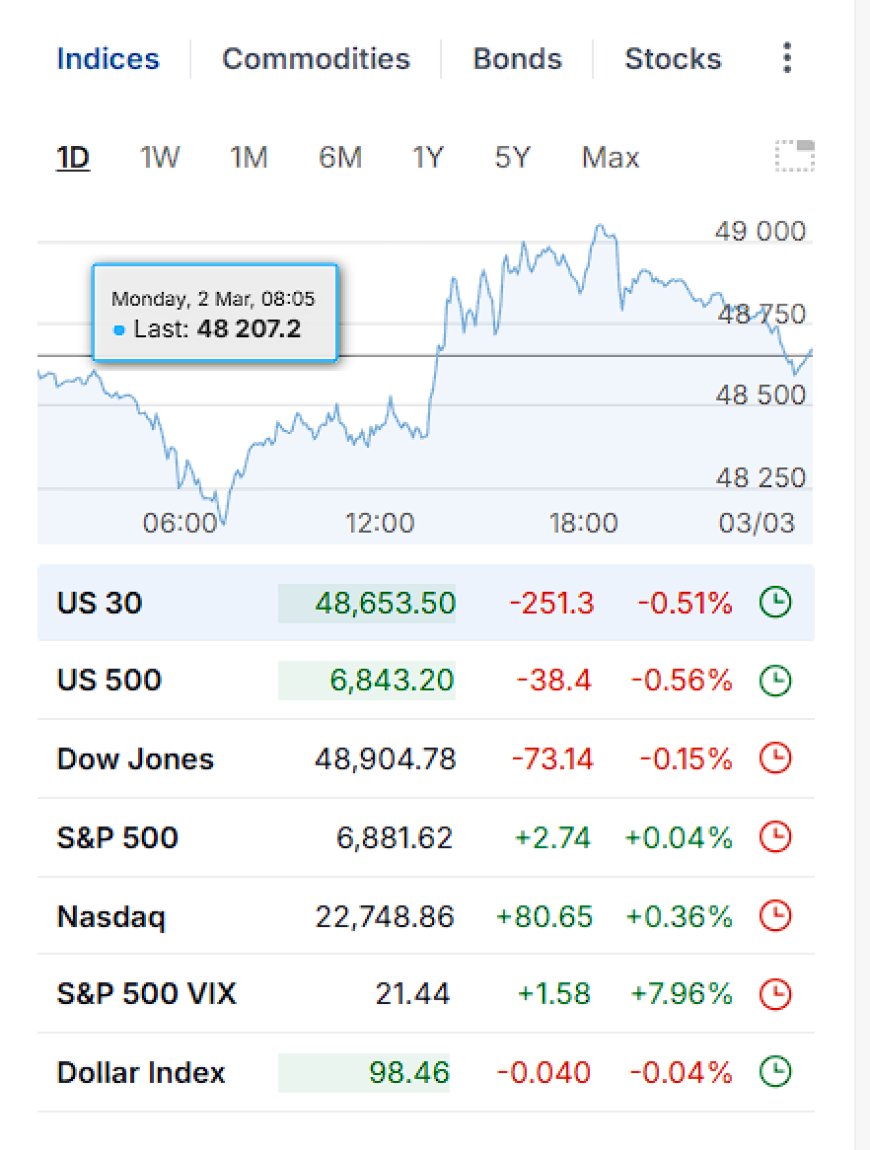
This wrap is built off our screenshots as a point-in-time print. That matters because in a geopolitical tape, the intraday path is the story. Today’s tape was “sell first, stabilize later” while the hedges stayed expensive.
- Index optics held, but volatility didn’t. That’s “stability narrative” sitting on top of real tail hedging.
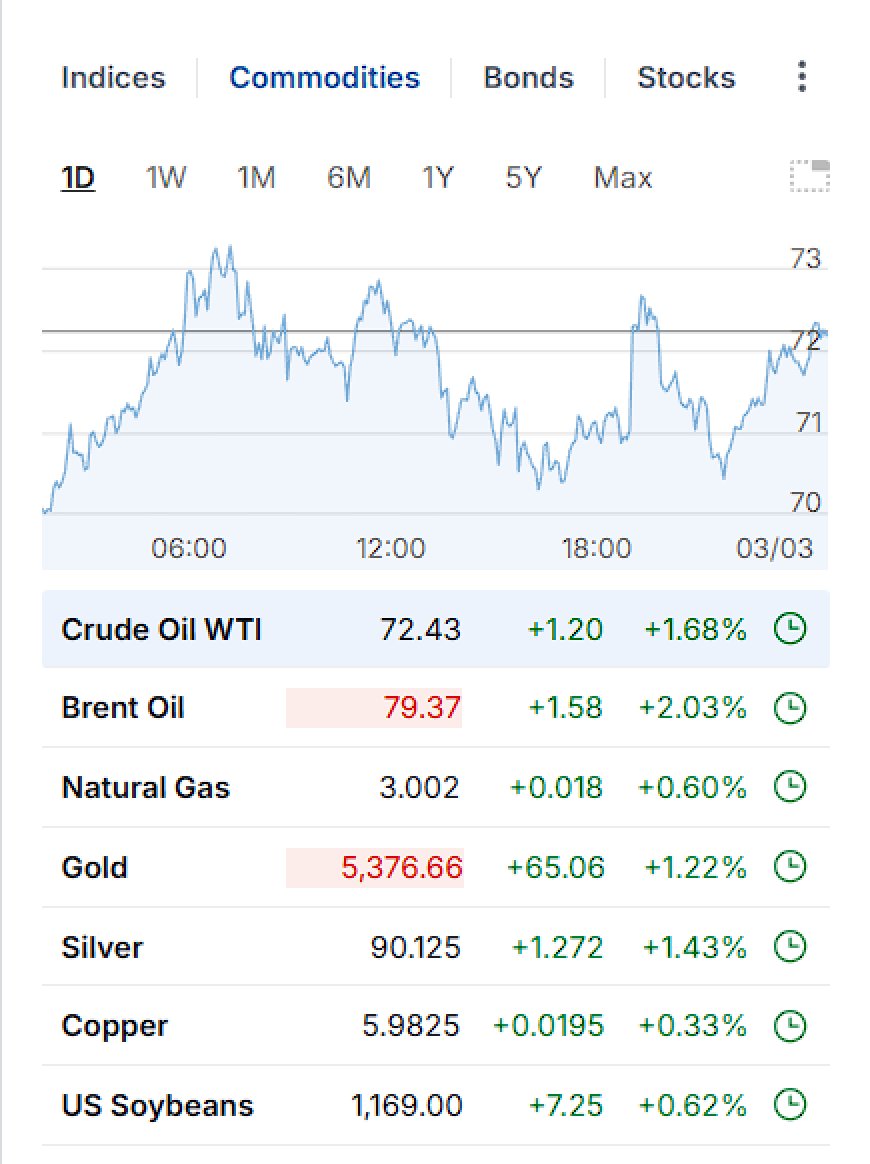
- Oil didn’t “fade the news.” It stayed bid. That’s a risk premium that’s attaching to the physical layer, not the vibe layer.
- Gold and silver stayed in hedge mode. When metals refuse to relax, it’s usually telling you the system doesn’t believe the all-clear.
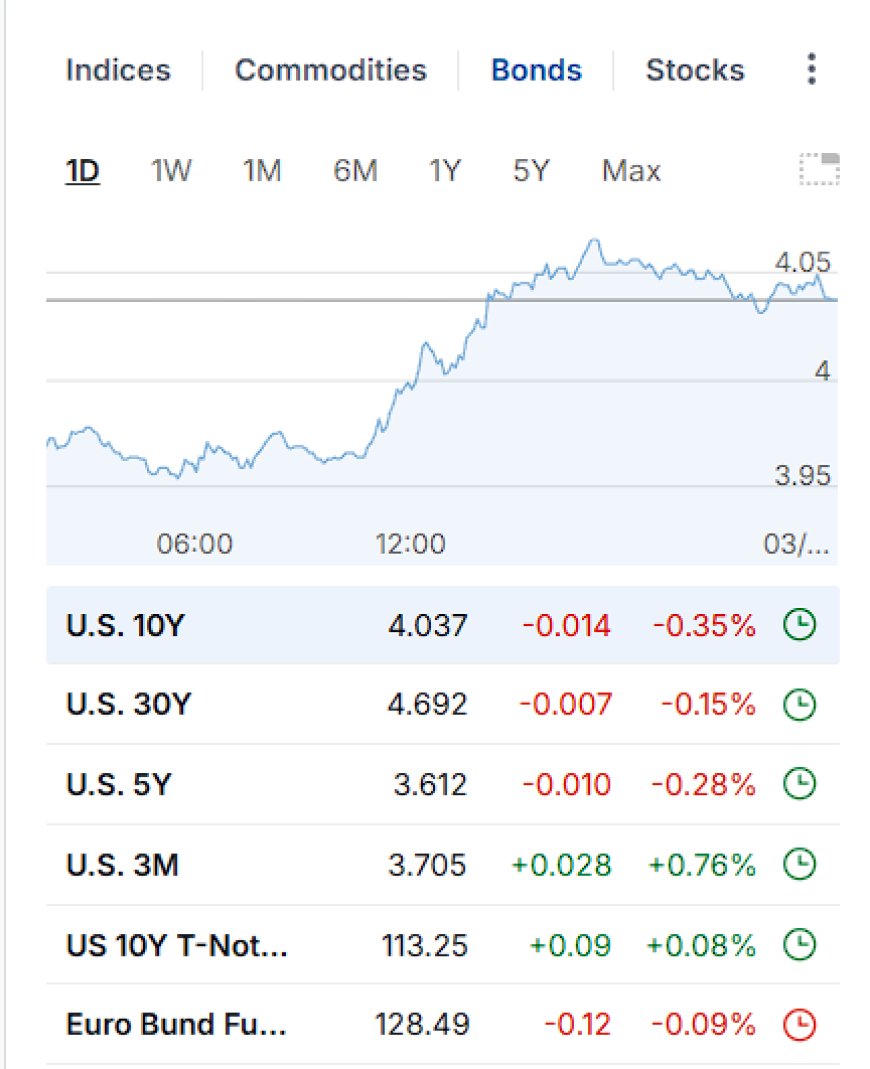
- Rates stayed sticky up front. That’s not a clean “growth is back” signal. It’s constraint still in the pipe.
The Misprice: De-Escalation Assumptions vs Reality Risk
The market is acting like the Iran conflict has a short half-life: a few scary headlines, then a stabilization narrative, then risk-on resumes.
But the risk isn’t just “what leaders say.” The risk is the physical layer: shipping lanes, insurance, refinery and LNG interruptions, and the behavior of participants who actually have to move barrels through choke points. That layer doesn’t pivot on vibes. It pivots on safety and incentives.
Markets can price de-escalation in an hour. Supply chains can’t un-break that fast. If the “risk premium” is attached to shipping behavior and insurability, you don’t get a clean unwind just because a headline says “talks.”
This is why I keep calling it a stability risk: if the conflict expands or simply persists, the macro bleed-through is immediate. Energy feeds inflation expectations, inflation feeds rates, rates feed equity multiples, then credit tightens. The “repricing” starts in oil and vol first because those are the fastest feedback channels.
Physical Layer Update: Strait Traffic, Insurance, Carriers, Congestion
This is the part the market chronically underweights. Not because it’s unimportant, but because it’s hard to model in a spreadsheet. Today, the physical layer didn’t look like “de-escalation.” It looked like gating, congestion, and repricing.
Even without a formal legal closure, the Strait can still be effectively closed if insurers, operators, and crews treat it as a live-fire environment.
1) Maritime threat posture went to “CRITICAL”
UKMTO and the Joint Maritime Information Center elevated the overall maritime risk to CRITICAL, explicitly describing “active kinetic hazard conditions” and confirmed missile and drone attacks against commercial vessels in the Gulf of Oman, Musandam approaches, and UAE coastal waters.
- Confirmed vessel incidents include projectile and drone or missile strikes, onboard fires, injuries, and fatalities.
- Ports and anchorages move into congestion mode when discretionary transits pause, which creates its own second-order collision and navigation risk.
- Significant GNSS and GPS interference is an amplifier. When navigation integrity degrades under aerial threat, one mistake becomes an incident.
2) Traffic collapse is the tell
When transit volumes collapse, that’s not optics, that’s behavior. JMIC’s AIS review cited transits potentially falling to ~28 vessels per 24 hours versus a historical average around ~138, which is roughly an 80% reduction. That is the market’s “de-escalation” narrative colliding with operator reality.
3) Insurance is now the gate
Marine insurers and P&I clubs have issued war-risk cancellation notices tied to Gulf and Iran-adjacent waters, with effective dates clustered around March 5. Practically, that means operators must secure replacement cover or pay sharply higher premiums, and in some cases terms aren’t even being quoted in real time. When insurance stops functioning normally, the Strait becomes a permissions problem, not a geography problem.
If war-risk premiums jump from “small friction” to “primary gating factor,” you don’t need a blockade to get a supply shock. You just need a refusal to transit at scale.
4) Carrier actions: suspensions, surcharges, reroutes
Major carriers have reacted like this is not a one-day headline event. The actions below are the control-system reality check:
- Maersk and Hapag-Lloyd said they were suspending vessel crossings in the Strait of Hormuz until further notice, while other lines issued conflict and war-risk surcharges.
- Maersk also paused Trans-Suez sailings through Bab el-Mandeb and rerouted selected services around the Cape of Good Hope.
- Maersk’s operational updates included suspending reefer and dangerous or special cargo acceptance in several Gulf markets and restricting new bookings on key corridors.
- MSC indicated booking suspensions to the Middle East and instructed vessels in the region to seek shelter areas until further notice.
5) Congestion and backlog: the hidden transmission mechanism
Backlog isn’t just delayed consumer goods. Backlog is a delay in industrial inputs, replacement parts, and energy-adjacent logistics. That’s how inflation shows up later while the market pretends it’s “over.”
- Reports cited at least ~150 ships stranded, including oil and LNG tankers anchored in and around the Strait.
- Container ships are caught in the backup as well, with estimates that roughly 10% of the global container fleet is tied up.
- If this persists, cargo doesn’t vanish. It piles up at ports and hubs in Europe and Asia, and the cost of time becomes the cost of inflation.
Rates + Dollar: Sticky Front-End, Not a “Clear” Regime Shift
Our bond print shows the front end still sitting high while the long end is not screaming higher. Translation: the system is not “relaxed.” It’s still pricing constraint.
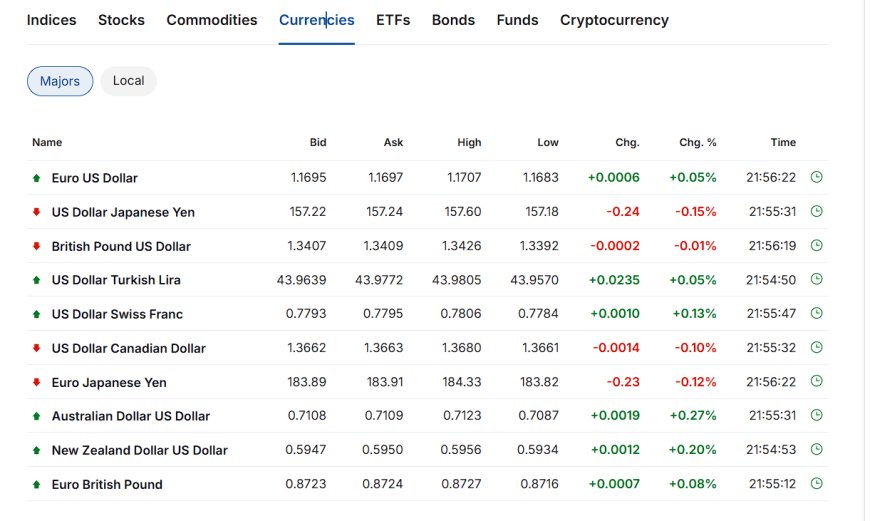
When geopolitical energy risk rises, the clean story would be: dollar rips, long yields jump, equities break. That’s not what this snapshot shows. This is more subtle: the index surface holds, but the hedges stay expensive. That’s exactly how mispricing can persist right until it doesn’t.
This is also why I don’t like lazy “the curve steepened” narratives. The curve “talking” can mean multiple things. What matters is: are we repricing growth optimism, repricing inflation persistence, or repricing tail risk? When oil and war-risk insurance are doing what they’re doing, inflation persistence doesn’t just go away because a press conference happened.
Front-end stickiness says the market still expects policy and inflation friction. If energy stays bid, the “cuts fix everything” story weakens fast.
Equities: Fragmented Liquidity and “Everything Is Fine” Optics
The stock panels show mixed leadership and fragmentation: megacaps can look fine while protection gets bid and energy-adjacent specs go vertical. That’s not stability. That’s dispersion.
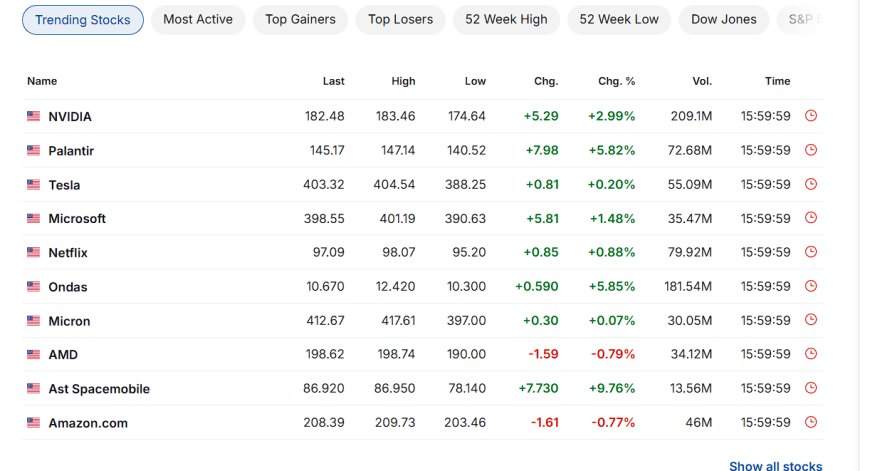
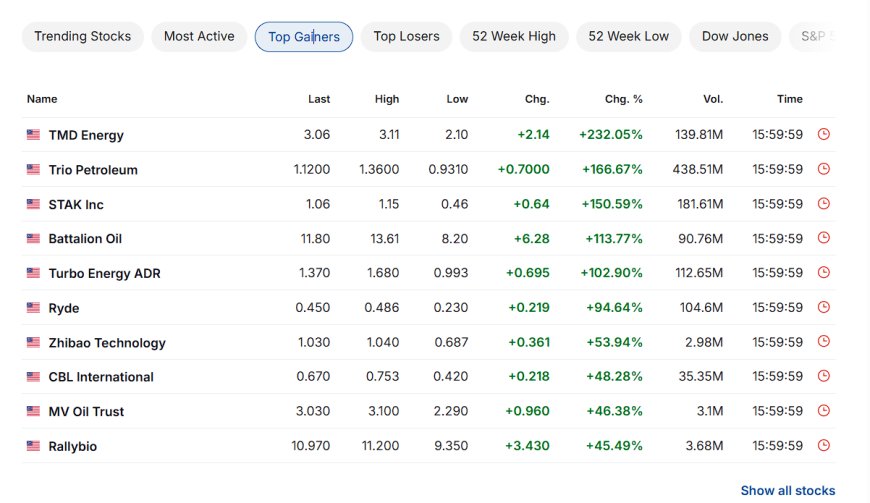
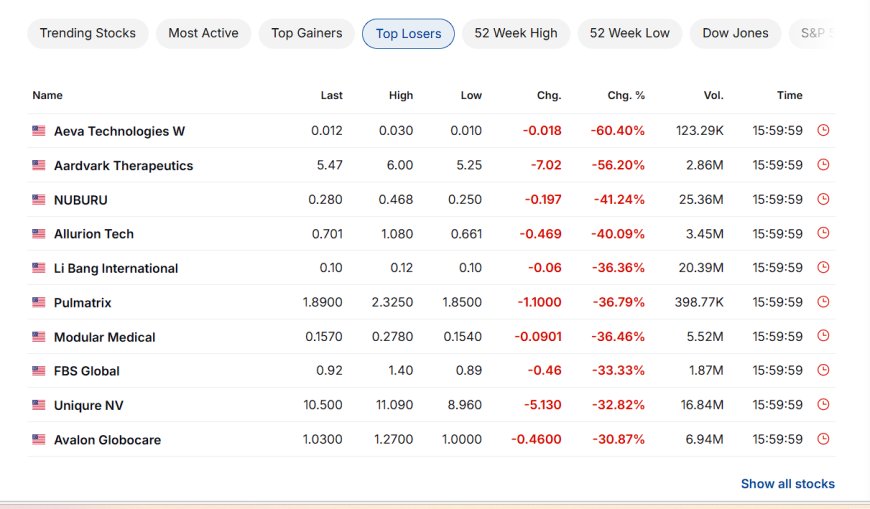
That dispersion is the point. Serious capital hedges and de-risks, while the casino still prints in pockets. It’s a plumbing tape, not a narrative tape. And in plumbing tapes, the slow-moving failure mode is “it looks fine until it suddenly isn’t.”
Pattern Nexus Lens
This is not a “news cycle” problem. It’s a control-systems problem.
The market is trying to run a stability loop while the input conditions are changing in real time. The controller is policy expectations and liquidity assumptions. The plant is the real economy and the global supply chain. The disturbance is geopolitical kinetic risk. And the sensors are not headlines. The sensors are price (oil, vol, metals), throughput (shipping, insurance, port congestion), and the cost of capital (front-end rates, credit spreads).
The index is being treated like the truth. But the hedges are the confession.
1) Why “de-escalation priced” is a trap
Markets front-run outcomes. That’s their job. The problem is when markets front-run a diplomatic narrative while the physical layer still behaves like a war zone. If operators, insurers, and crews are acting like risk is persistent, the unwind is not clean. It’s not even guaranteed.
That’s the core disconnect I’m pointing at: people confuse “the headline got softer” with “the system got safer.” Those are different universes.
2) The physical layer is the real control valve
The Strait is not just a map location. It’s a throughput gate with permissions. The gate is not controlled only by governments. It’s controlled by safety, insurance terms, routing choices, port status, and risk appetite. The Strait can be “open” on paper and functionally closed if the incentives make movement irrational.
- Can you transit safely? Kinetic risk, GPS interference, incident density
- Can you transit legally? Advisories, exclusions, flagged restrictions
- Can you transit insurably? War-risk availability, cancellations, premium spikes
- Can you transit economically? Freight, reroute time, opportunity cost
- Will crews and operators do it? Human risk tolerance is the final gate
3) How the shock transmits into markets
When the physical layer constrains, you get a predictable transmission chain. It’s not complicated. It’s just ugly.
- Oil risk premium stays sticky because supply security becomes probabilistic
- Inflation expectations stop falling because energy is the fastest CPI impulse
- Front-end rates stay elevated because “cuts fix everything” gets less credible
- Equity multiples get capped because the discount rate stops cooperating
- Credit tightens quietly because lenders price uncertainty faster than equity bulls admit
This is why I call it a stability risk. The system can look fine for a while if the market believes the disturbance is temporary. But if the disturbance attaches to throughput constraints, it stops being “temporary noise” and becomes “structural friction.”
4) Why the surface can look calm while the system worsens
Index stability doesn’t mean stability. It can mean concentration and suppression. Megacaps can hold the optics together while the undercarriage reprices through vol, commodities, and dispersion.
That’s exactly what your snapshot looked like: the index didn’t scream, but volatility and hard assets did. That combination is a classic tell for “narrative comfort + real hedging.”
If people truly believed the all-clear, protection would get cheaper and metals would relax. When that doesn’t happen, it’s not optimism. It’s managed exposure.
5) Scenario tree (what matters next)
- Fast de-escalation delivered: shipping normalizes, insurance terms loosen, oil fades, VIX compresses, and the tape stops paying for tail risk
- Persistence: no dramatic escalation needed, just sustained friction. Insurance stays tight, routing stays altered, oil stays bid, vol stays supported, and rates stay sticky
- Expansion: wider incidents or spillover. That’s when the market stops pretending and reprices the full stack (energy, inflation, rates, equities, credit) rapidly
6) What would change my mind
I’m not married to doom. I’m married to signals. Here’s what would make me back off the “priced too early” claim:
- Volatility fades while oil fades for multiple sessions (not one headline)
- Gold and silver stop behaving like uncertainty hedges
- Carrier posture normalizes (bookings, routing, acceptance) and insurance terms stop tightening
- Front-end rates stop acting sticky and the curve move becomes coherent with lower inflation risk, not higher
The market can price peace instantly. The physical layer can’t. Until throughput, insurance, and behavior normalize, “de-escalation priced” is a story the tape tells itself while it quietly keeps paying for protection.
What I’m Watching Next
- Does VIX stay elevated (persistent demand for protection) or fade (confidence returns)?
- Oil behavior: risk premium grind vs spike-and-retrace, and whether Brent holds the psychological levels.
- Metals: if gold and silver stay bid while indices “hold,” that’s continued regime uncertainty.
- Rates: front-end stickiness vs a real long-end repricing, and whether term premium starts to matter again.
- Insurance layer: cancellations, buy-backs, premium jumps, and whether cover availability becomes the primary gating factor.
- Traffic and congestion: AIS transit levels, anchored vessel counts, port status, and GPS interference reports.
- Carrier posture: booking suspensions, conflict surcharges, and reroutes that add days and cost to the global supply chain.
Sources
High-signal anchors for the conflict, energy, shipping, and insurance layer referenced in this wrap.
- Reuters (Mar 2): Iran conflict disrupts global shipping; tankers stranded/damaged; insurers cancel war-risk cover
- Reuters (Mar 2): ~10% of global container fleet caught in Hormuz backup (ONE CEO at TPM)
- Reuters (Mar 1): Carriers reroute around Cape; Maersk/Hapag-Lloyd suspend Hormuz crossings; surcharges and booking pauses
- UKMTO/JMIC Advisory (Update 002): Maritime risk level “CRITICAL,” incident list, transit collapse, GPS interference
- Maersk (Mar 2): Middle East operational update (cargo acceptance and booking restrictions)
- Maersk (Mar 1): Rerouting ME11/MECL via Cape of Good Hope; pausing Trans-Suez/Bab el-Mandeb sailings
- Gard (Mar 1): Notice of cancellation for war risks
- Skuld (Mar 1): General notice of cancellation in respect of certain war risks
- NorthStandard (Mar 1): Notice of cancellation in respect of war risks for certain covers
- London P&I Club (Mar 1): War-risks notice of cancellation (circular)
- Financial Times (Mar 2): Gas prices surge on Iran conflict, LNG disruption risk, inflation channel
- Reuters (Mar 2): Wall Street ends narrowly mixed after strikes; volatile session and risk repricing
- Argus (Mar 2): Projectiles hit ships near Strait of Hormuz (incident detail and vessel-tracking context)
Wat is jouw reactie?
 Vind ik leuk
0
Vind ik leuk
0
 Niet leuk
0
Niet leuk
0
 Liefde
0
Liefde
0
 Grappig
0
Grappig
0
 Wauw
0
Wauw
0
 Verdrietig
0
Verdrietig
0
 Boos
0
Boos
0

Founder of Pattern Nexus. I research markets, macro, geopolitics, AI, history, ancient systems, and the patterns most people overlook. I’m also building Market Radar, a trading scanner designed to read pressure, risk, confirmation, and setup quality before chasing a move. Pattern Nexus is where I connect the dots between data, history, technology, and the bigger system playing out around us.











Opmerkingen (0)