
Market Wrap December 12, 2025: AI Leadership Breaks as Long Yields Stay Bid
A rough session for risk assets as AI-linked leaders sold off, volatility jumped, and the long end refused to rally. With the dollar steady and gold higher, the tape reads like duration repricing and liquidity-fragility, not a simple “risk-off headline.”
Published: December 12, 2025
By: Pattern Nexus
A rough day for stocks: AI leadership cracked, long-end yields pushed higher, the dollar stayed firm, gold diverged up, and crypto bled. This is not random risk-off. This is the market repricing duration and the return-on-capex problem at the same time, with the long end refusing to act like the system’s shock absorber.
Today’s Tape (Snapshot)
Let’s call it what it was: a broad risk reset with tech taking the brunt, vol expanding, and the bond market refusing to “help.” If you’re looking for a clean label like growth scare or inflation scare, you won’t find it here. This is the signature of a system where the surface narrative is easing, but the plumbing is still forcing a repricing underneath.
Equities down, VIX up, long yields up, dollar steady-to-firm, gold up, crypto down. That combination is the tell. It says: capital is still present, but it’s getting more selective, more defensive, and more sensitive to the cost of capital at the long end. That’s what a transition regime looks like.
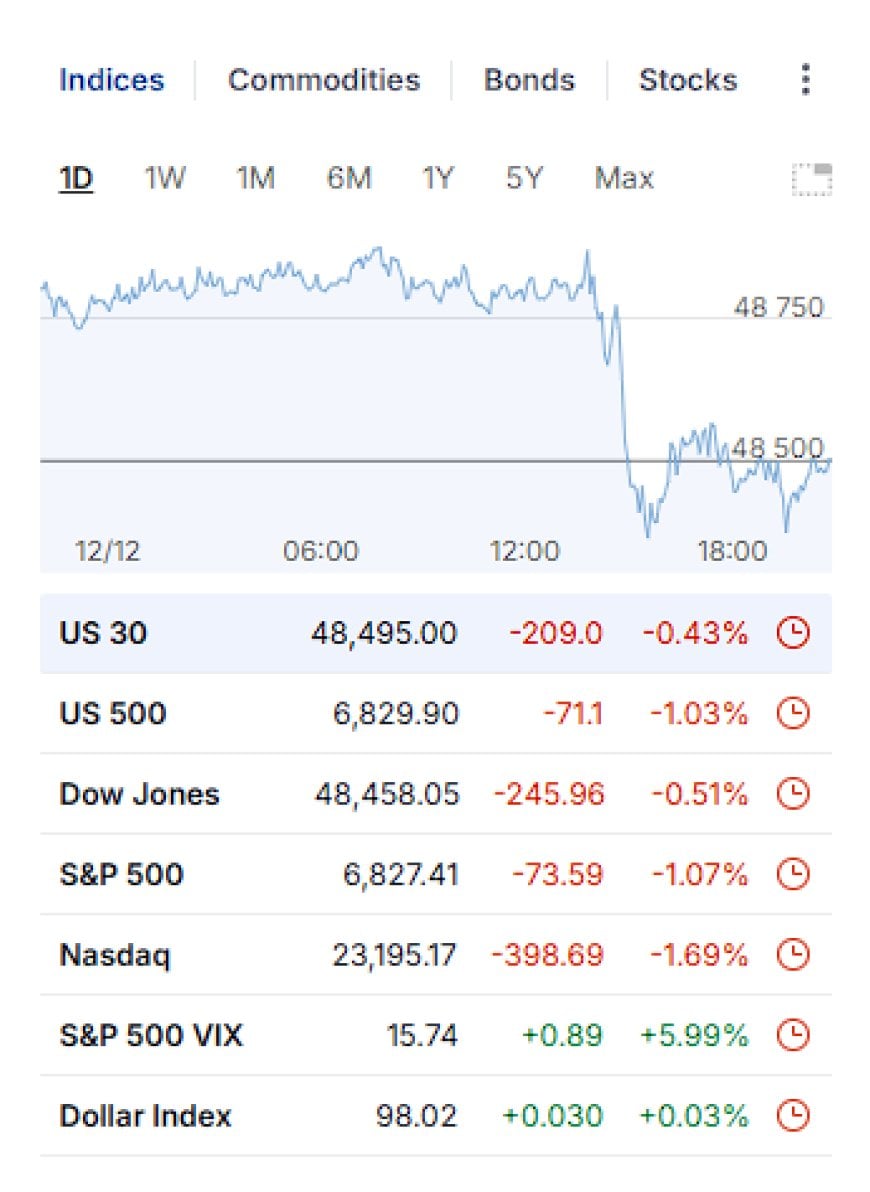
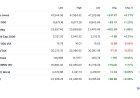
From the snapshot: S&P 500 about -1%, Nasdaq about -1.7%, VIX up roughly +6%, Dollar Index slightly higher. The key point is not the exact print. The key point is that volatility expanded into a tech-led drawdown while the dollar stayed supported. That is not “panic.” That is repricing.
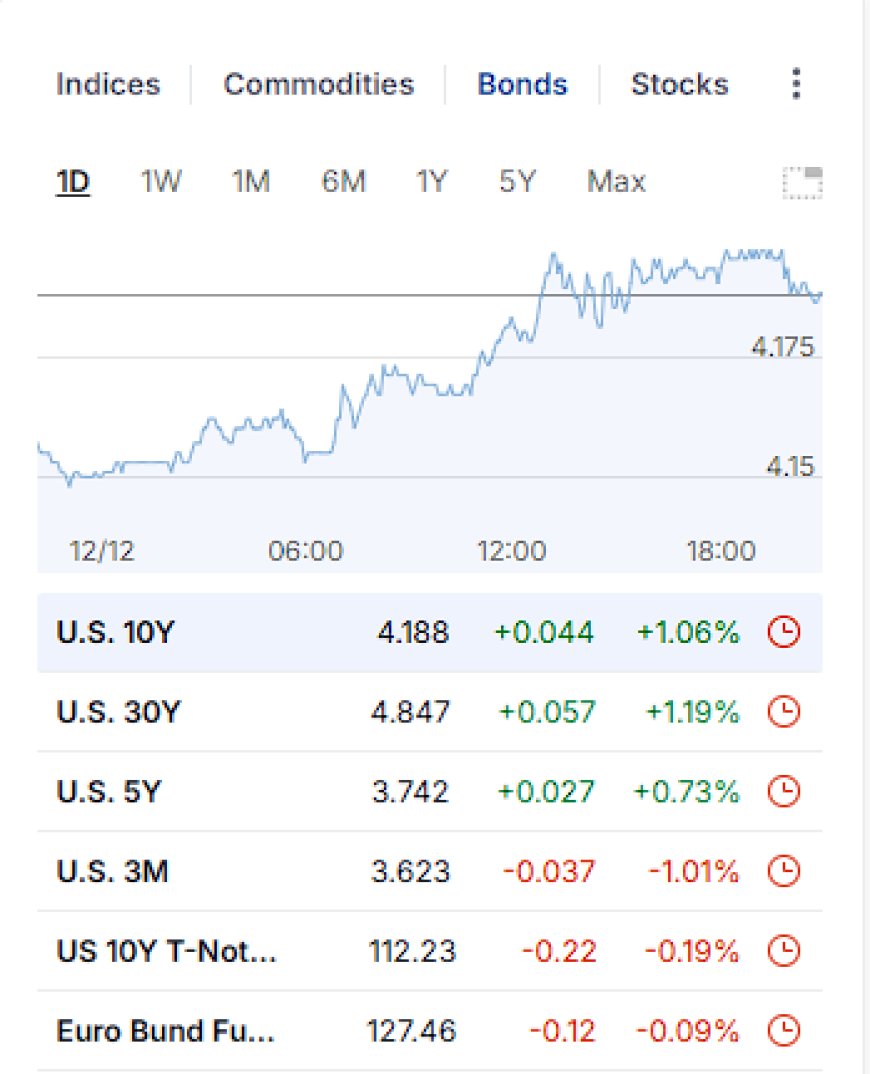
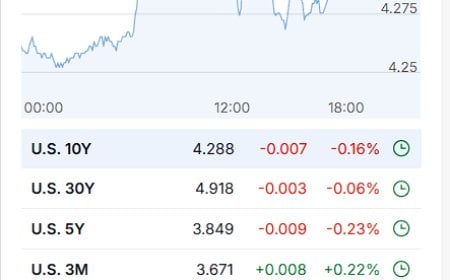
Bonds were not your shock absorber today. The long end rose (10Y around 4.19%, 30Y around 4.85%) while equities fell. That’s the core mechanism behind the tape: valuation compression. Higher discount rates colliding with crowded positioning and a market that’s finally demanding “show me the ROI” instead of “trust me bro, it’s AI.”
Also note the front end nuance: the 3M was down while the 5Y/10Y/30Y were up. That is the exact shape you get when policy relief hits the short end but term premium and duration risk are being repriced independently. In other words: cuts don’t automatically pin the long end. Not in this regime.
Primary Drivers
Broadcom’s margin signal hit the entire AI complex
The market can tolerate a lot, but it won’t tolerate “lower margin growth” when the whole complex is priced like a high-margin inevitability. Broadcom’s guidance and the margin framing re-ignited the question that keeps getting dodged: AI demand is real, but how much of the stack is actually profitable once you account for capex, power, networking, cooling, custom silicon cycles, and the inevitable margin normalization?
This is the difference between “AI is changing the world” and “AI is a clean equity story.” The first is true. The second is conditional. When the tape senses that profitability is being pulled forward less cleanly than the narrative implies, the multiple resets fast, and it resets first in leadership.
Oracle’s data-center narrative amplified the capex realism trade
Oracle keeps showing up as a pressure point because it sits at the intersection of three things the market is suddenly pricing more honestly: leverage, capex scale, and execution timelines. Even when headlines get disputed, the tape is still telling you the market is no longer granting unconditional benefit-of-the-doubt to levered AI buildouts.
This is not “Oracle-specific.” Oracle is just a good proxy for a broader question: how many of these AI infrastructure promises are built on optimistic utilization curves and financing conditions that assume the long end stays friendly? Today’s bond tape says: that assumption is being challenged.
Labor data is wobbling at the margin, keeping the policy path noisy
Weekly jobless claims spiked. Whether it’s seasonal noise or the beginning of something bigger, the market trades direction first and debates the methodology later. The relevance here is not “recession tomorrow.” The relevance is that late-cycle fragility remains present, and that keeps the whole “soft landing” narrative from being a stable anchor.
The Fed cut, but long yields are not obeying the easing narrative
This is the part most people still refuse to process: a policy cut can ease the front end while the long end reprices supply, risk, credibility, and collateral mechanics. Cuts are not a magic spell that forces the 10Y/30Y down. If the market is demanding term premium, it will take it, and equities will feel it immediately through discounting and positioning.
That’s why today matters. It’s not just “stocks down.” It’s the structure: long end up into equity weakness. That’s a real regime tell.
Cross-Asset Read
Rates: this is term premium, not growth optimism
The 10Y and 30Y rising into equity weakness is the key tell. If this were a clean growth re-acceleration, you would see different behavior across cyclicals and the dollar. What you got instead is the market repricing the willingness to warehouse duration. Translation: buyers are demanding more yield to hold long paper, and that immediately compresses high-multiple leadership.
Think of it like this: the system is not “running out of money.” It’s repricing the cost of money at the long end, and that is where the equity discount rate lives.
FX: the dollar staying firm is a collateral regime tell
A stable-to-firm dollar on a risk-off tech unwind is consistent with a system organized around dollar collateral demand. If the world is structurally short clean collateral, the dollar can stay supported without a rosy growth story. That’s why you keep seeing “wrong” combinations that confuse people who only trade narratives.
This is also why I’ve been hammering the Tokenized Reserve Era theme. The direction of travel is toward more financial rails that anchor to dollar collateral, not fewer. That supports the dollar in regimes where traditional macro models expect it to weaken.
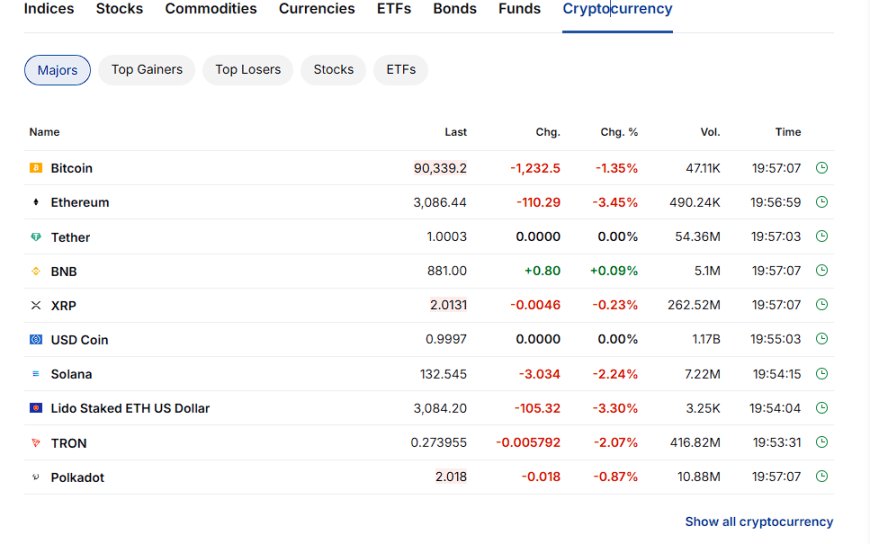
Crypto tracked risk: Bitcoin down roughly 1–2%, Ethereum down roughly 3–4%. Nothing exotic here. When the system is repricing duration and liquidity preference shifts to cash and short-duration collateral, high-beta narratives bleed.
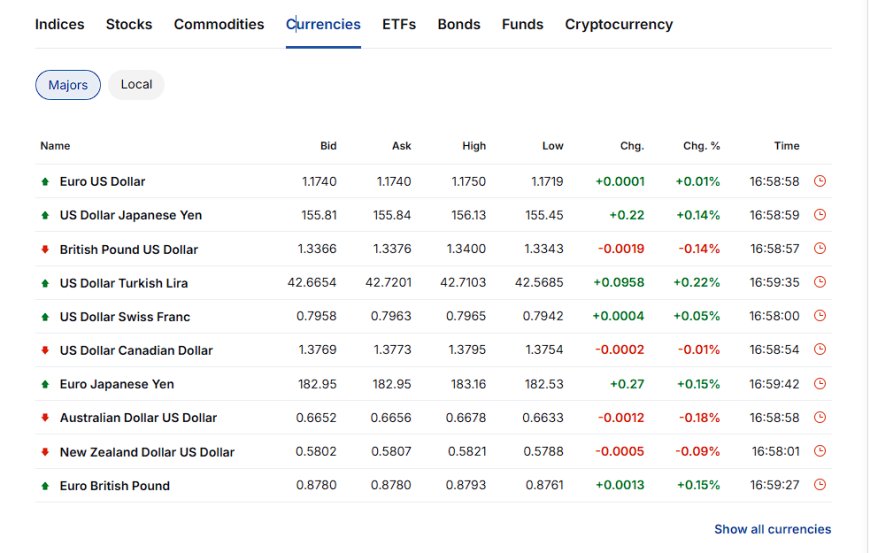
Metals: gold up while risk is down is the credibility hedge
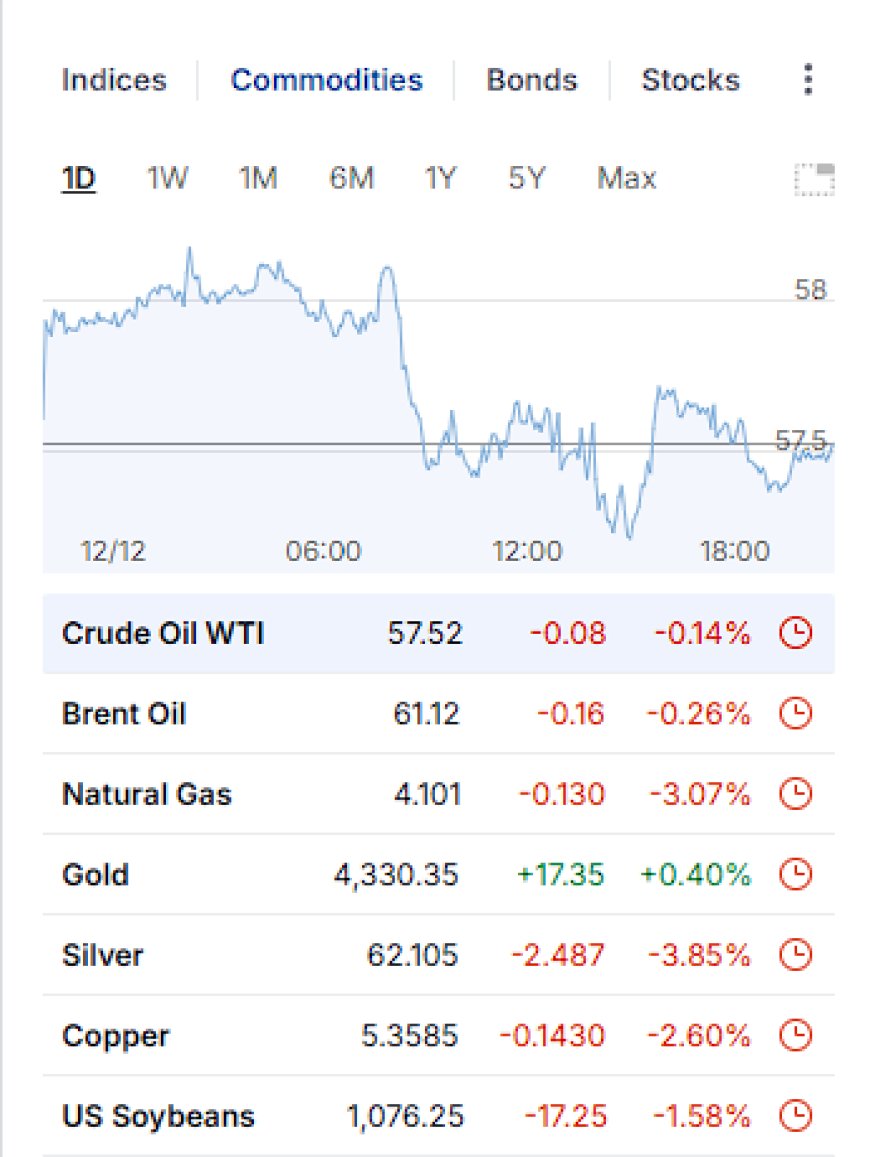
Gold rising while equities sell and the dollar holds is not a simple inflation trade. It’s a credibility hedge. It’s the market buying insurance against the next phase of liquidity management and fiscal dominance optics, while the long end refuses to stay pinned.
This is the divergence people miss: gold is not only about CPI. In this regime it’s about confidence in the policy path and the collateral architecture. If the market believes the “solution” to instability will ultimately involve balance sheet mechanics, gold is going to sniff it out early.
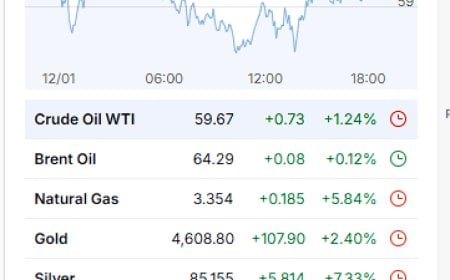
Energy: crude flat, natgas down hard
WTI and Brent were slightly red, but natural gas was materially down in the snapshot.
AI Leadership Breakdown
Today was a leaders-break-first session. When the market decides it needs to reprice the AI stack, it starts at the top: semis, hyperscale capex proxies, and levered infrastructure narratives. The higher the narrative premium, the faster the reset when margins and ROI get questioned.
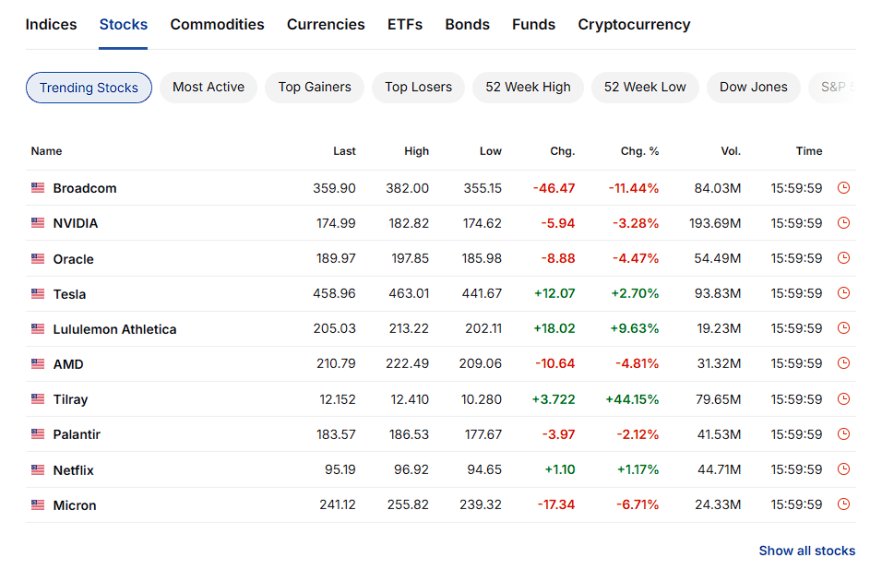
Broadcom was the headline decliner in your bellwether bucket. Nvidia, AMD, Micron, Oracle were also under pressure. The market is rotating from “AI narrative premium” to “AI ROI proof.” That’s not bearish on AI as a technology. It’s bearish on paying infinite multiples for a capex-heavy race where margins will normalize.
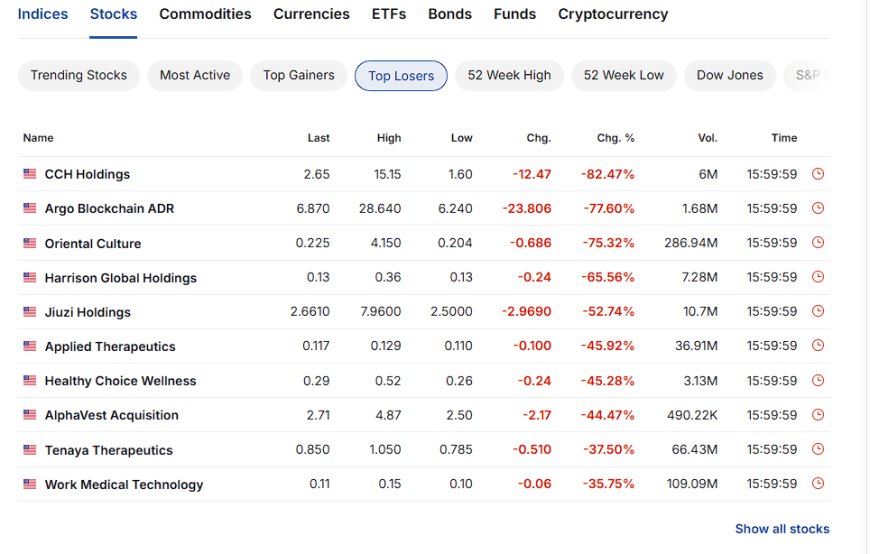
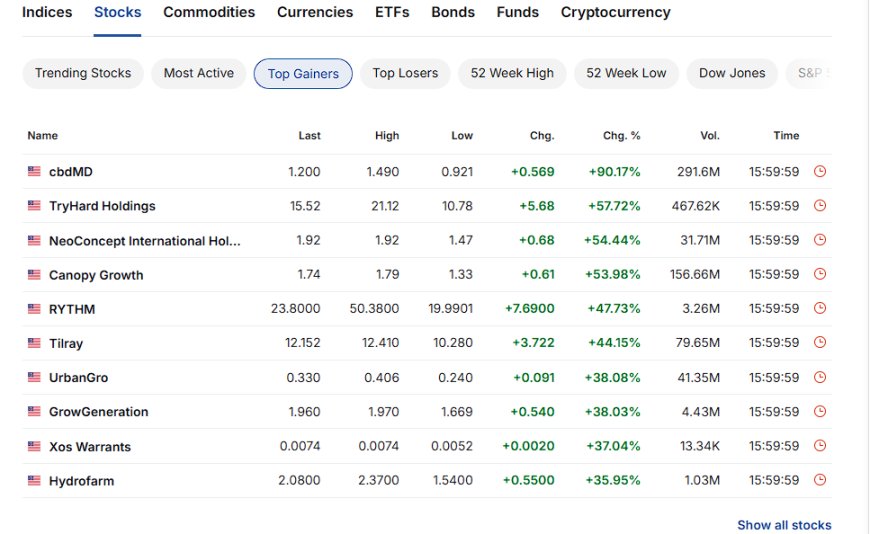
And you can see the counter-rotation at the same time: idiosyncratic winners and speculative pockets catching bids on catalysts, not on macro stability. That’s what a transition tape looks like. Money doesn’t disappear. It relocates.
2012–2025 Context
If you want the cleanest mental model for 2012–2025, it’s this: a long era where liquidity repeatedly overpowered fundamentals, followed by a regime where collateral mechanics and term premium re-entered the chat. Most people are still trading 2013. The market is trading 2026.
2012–2019: the post-crisis liquidity decade
The system learned that balance-sheet policy could suppress volatility and compress risk premia for long stretches. Asset inflation became policy-adjacent. Drawdowns happened, but once conditions tightened enough, pivots appeared and the regime reverted toward suppression.
2020–2021: the shock-response supercharge
Pandemic response accelerated financialization. Massive balance-sheet expansion and fiscal transfers produced the fastest risk-asset repricing cycle of the modern era. This is where “everything trades like liquidity” became the default mental model for an entire generation of participants.
2022–2025: tightening optics, then the shift into liquidity management
This is the period Pattern Nexus was built for: the market gradually realizing tightening was as much about optics and path management as it was about truly draining the system in a clean linear way. Once QT ended functionally, the regime shifted toward active management: collateral, issuance composition, buybacks, and implied backstops.
Today’s tape fits that regime: the front end can loosen, but the long end can still demand compensation, and tech multiples can still compress when the long end refuses to cooperate.
Pattern Nexus Lens
This is a next-stage liquidity cycle day, not a QT vs QE day. QT is over in the operating reality that matters. The market trades the management layer now: collateral availability, issuance mix, buybacks, and implied backstops. That’s why semantic debates about “what counts as QE” are dead. Flows matter. Collateral matters. Term premium matters.
The Pattern Nexus takeaway from today’s alignment is simple: equities down, vol up, long yields up, dollar firm, gold up. That’s what it looks like when the system is forced to reprice duration and credibility simultaneously.
Translation for the audience
Rate cuts don’t automatically rescue the stock market. If long-term rates rise anyway, the cost of capital stays high where it matters. That hits high-multiple leadership first. Gold rising into that mix is the market hedging policy credibility and expecting that the eventual response will involve balance-sheet or fiscal mechanics, not just “growth.”
Why this matters into 2026
The AI-industrial flywheel is real, but it’s also a capital-structure stress test. The market is differentiating between companies selling picks and shovels with real margins, and companies funding multi-year infrastructure bets with leverage and optimistic utilization curves while the long end stays hostile.
What To Watch Next
Rates
Watch whether the 10Y can sustain above the 4.15–4.20 zone while equities try to stabilize. If yields stay elevated, rallies will be narrower, leadership will be more selective, and the “easy risk-on” tape won’t return cleanly.
AI complex
Watch semis and AI infrastructure proxies for a second-leg move. If leadership fails to reclaim key support levels quickly, the market is telling you this is a de-rating phase, not a one-day shakeout.
Dollar and gold together
If the dollar remains firm while gold continues higher, it reinforces that this is not a simple inflation story. It’s a confidence and collateral story. That combination is rare in the old macro playbook. It’s increasingly common in this regime.
Policy plumbing headlines
Treasury buyback cadence, issuance composition, and funding-market signals matter more than “are we doing QE.” The market trades flows and collateral constraints, not semantic debates. If the long end remains stubborn, watch for messaging shifts and operational adjustments that functionally relieve pressure without admitting it.
你的反应是什么?
 喜欢
0
喜欢
0
 不喜欢
0
不喜欢
0
 爱
0
爱
0
 有趣
0
有趣
0
 哇
0
哇
0
 悲伤
0
悲伤
0
 愤怒
0
愤怒
0

Founder of Pattern Nexus. I research markets, macro, geopolitics, AI, history, ancient systems, and the patterns most people overlook. I’m also building Market Radar, a trading scanner designed to read pressure, risk, confirmation, and setup quality before chasing a move. Pattern Nexus is where I connect the dots between data, history, technology, and the bigger system playing out around us.













评论s (0)