
Pattern Nexus Weekly Wrap-Up: Markets Reprice the December Fed Pivot as Global Tensions Escalate (Week of Nov 15–21, 2025)
Markets aggressively repriced a December Fed rate cut as U.S. equities surged, bond yields fell, and global tensions escalated across Ukraine, Asia, and the Caribbean. Inside the Pattern Nexus Weekly Wrap-Up for November 15–21, 2025.
Pattern Nexus Weekly Wrap-Up
Week of November 15–21, 2025
A week defined by monetary recalibration, market whiplash, and geopolitical maneuvering as major powers reposition and global risk sentiment fractures. This is the Pattern Nexus read on what actually mattered.
Markets & Finance
A dovish lean from the Fed’s core, plus a late-week risk squeeze, turned what looked like another grind into a sharp repricing of the entire curve.
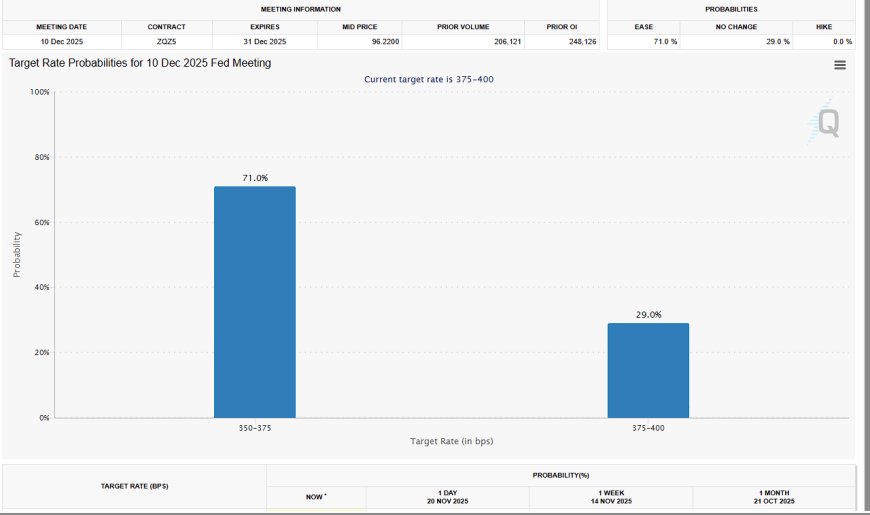
The anchor for everything this week was the December 10, 2025 Fed meeting. Fed funds futures moved from “maybe” to “probably” on a December cut as traders digested John Williams’ comments that policy could begin normalizing “in the near term” without derailing the disinflation path.
That shift matters. It’s not just about one cut — it is the market saying: “The Fed is finally converging toward the real neutral rate.” We are now in a regime where every data point is filtered through this lens: does it reinforce the cut path, or force the Fed to push back?
On the surface, risk assets liked the answer. After chopping sideways for most of the week, U.S. indices launched higher into Friday’s close as positioning flipped from cautious to chase-y.
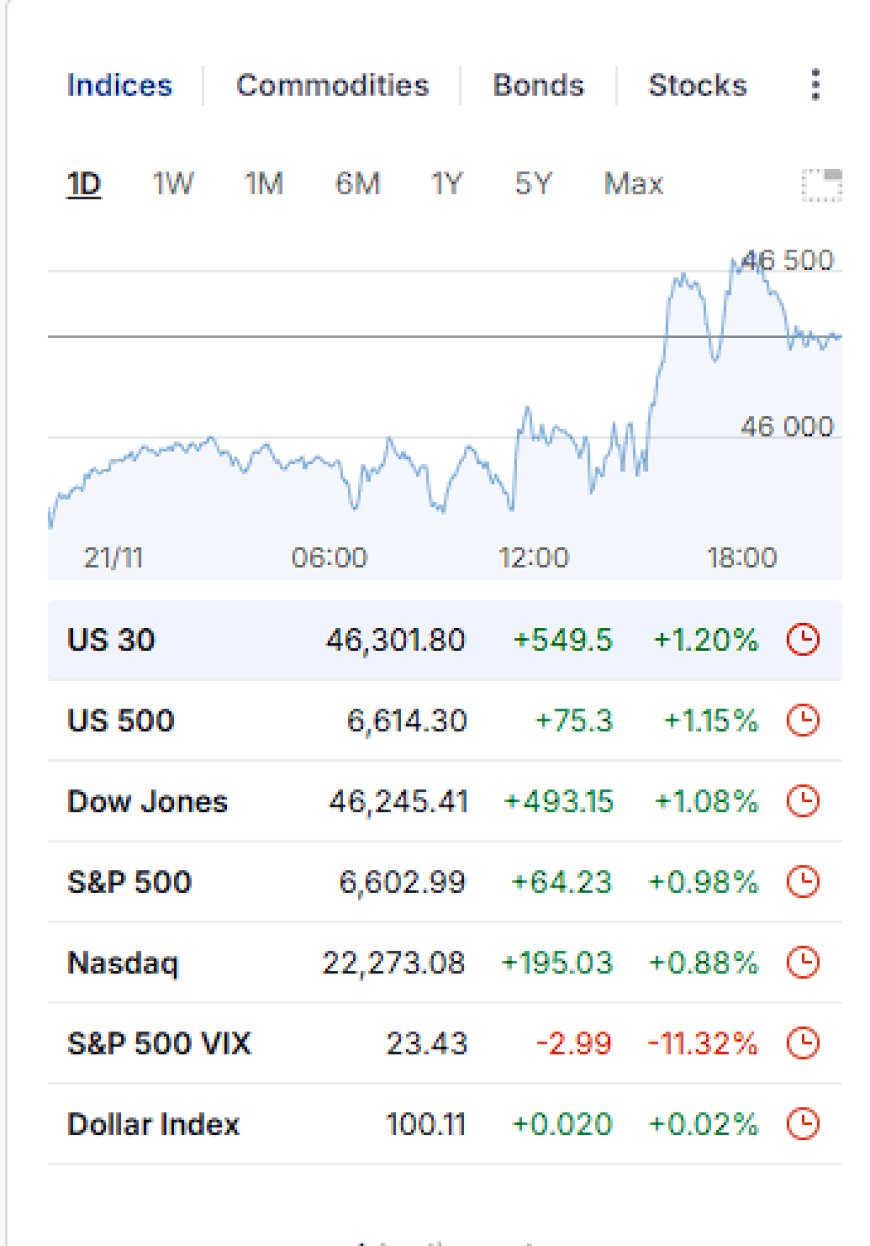
Under the hood, however, this was not a “growth is booming” rally. It was a duration + liquidity trade. The bid rotated toward quality, megacap tech, and rate-sensitive names, while more speculative pockets saw violent dispersion.
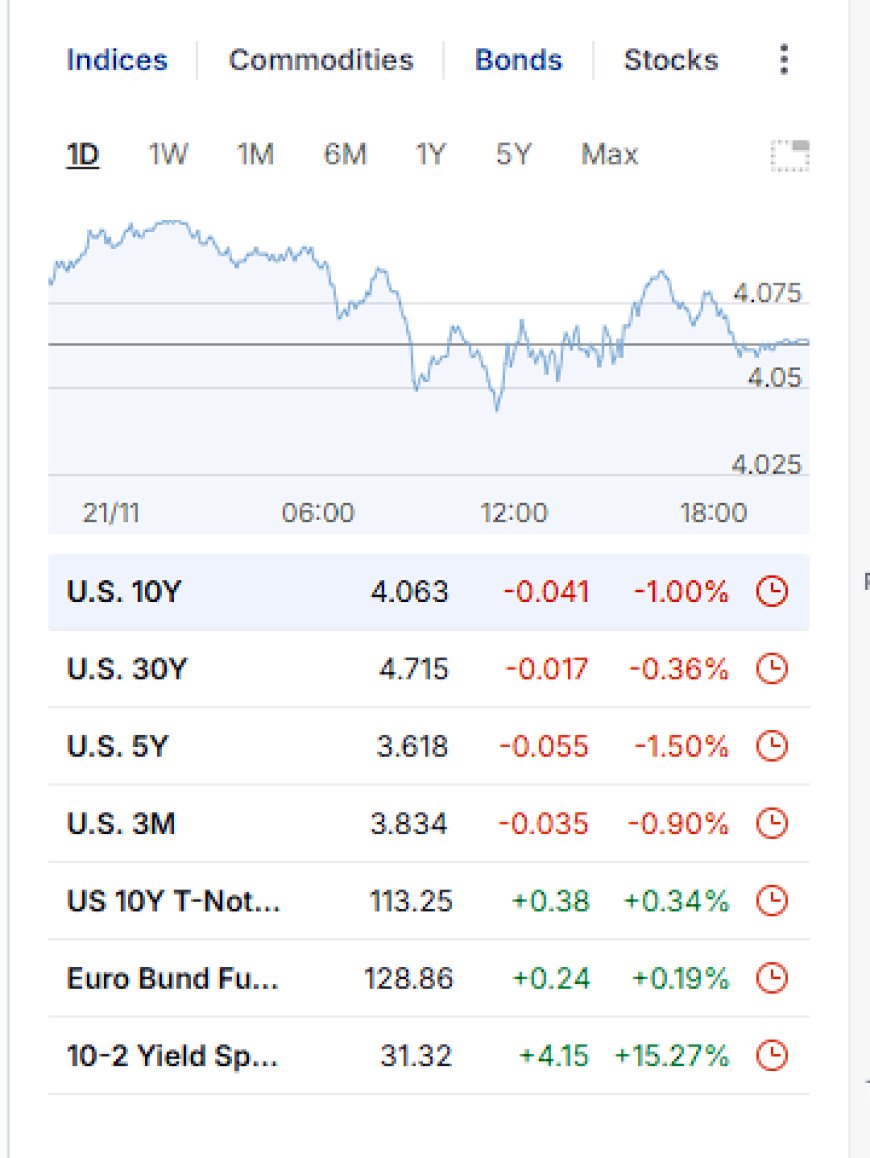
That’s a very different signal than “everything is fine, growth is re-accelerating.”
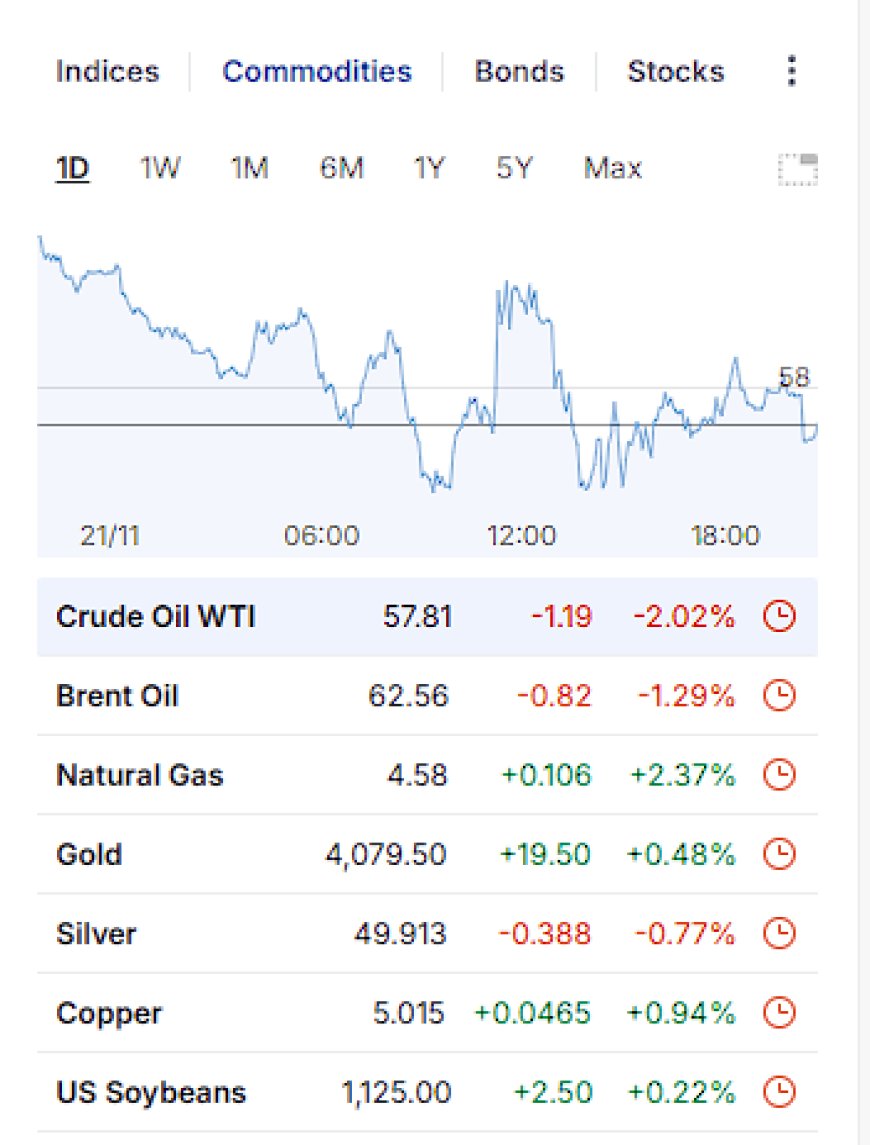
The structural down-channel remains intact, which quietly supports the Fed’s ability to ease.
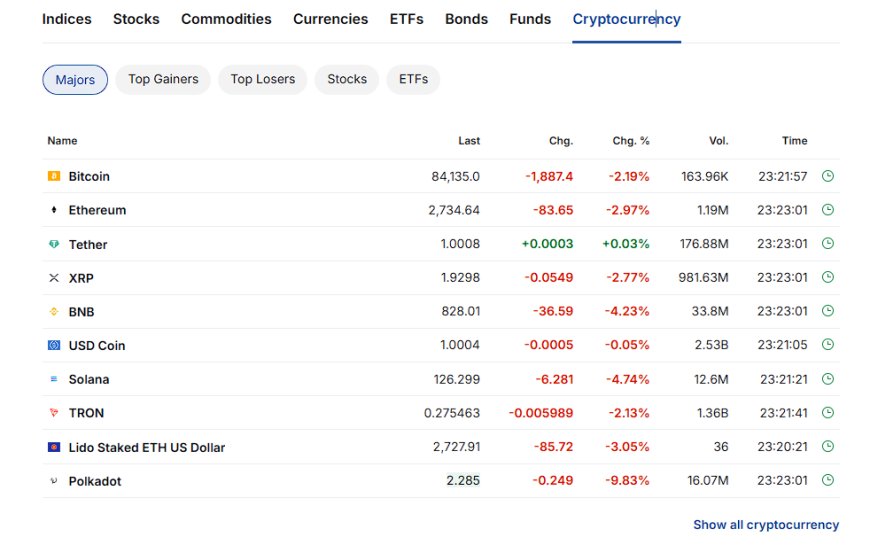
Crypto told a similar tale. The space is still very much alive, but this week was about de-risking at the margin rather than euphoric chase.
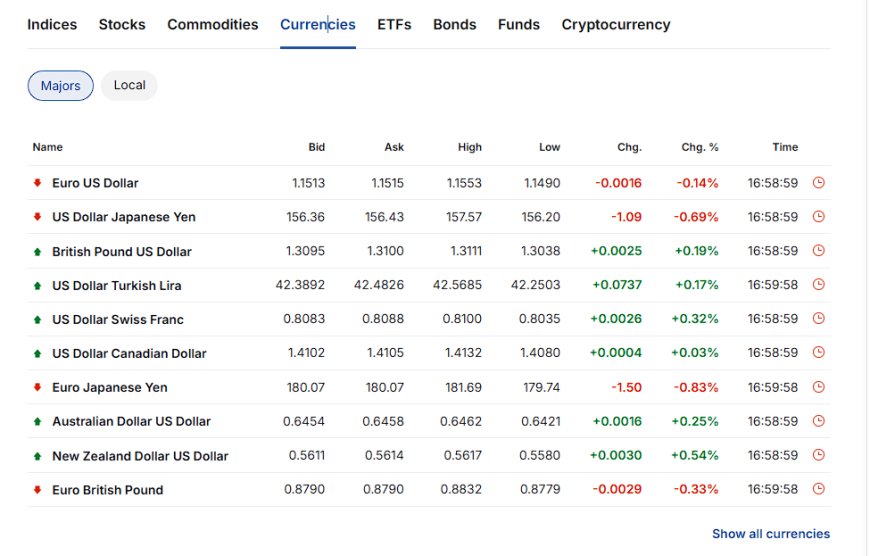
FX markets added another layer: modest dollar strength, especially versus the yen and select EM pairs, as yield differentials and risk aversion re-asserted themselves.
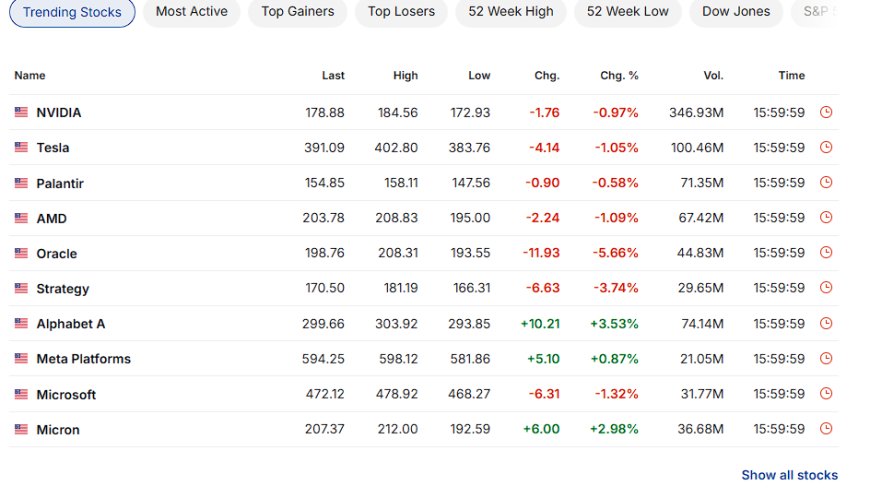
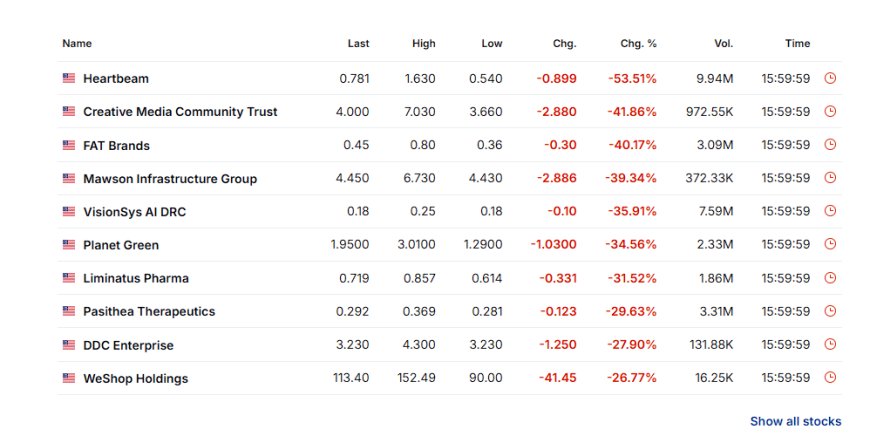
Equities beneath the index level were a tale of two tapes. Megacap tech and structured AI winners remain the “gravity wells” of the market, but even there, leadership is fragmenting.
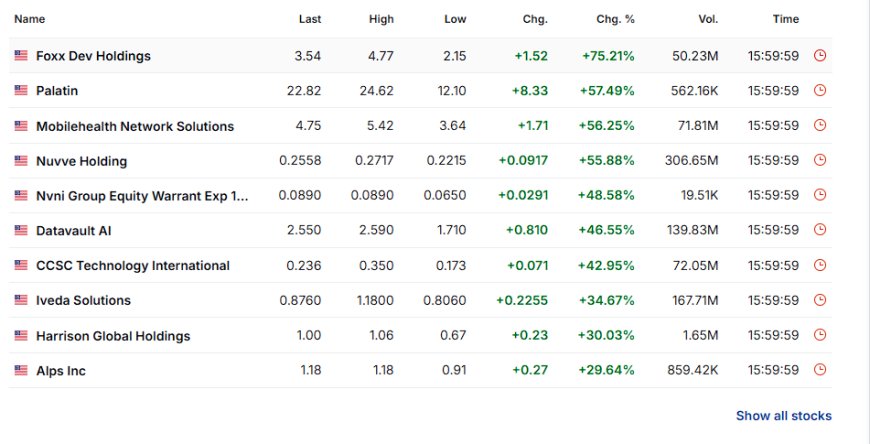
Further down the cap spectrum, you can see exactly where liquidity is still willing to play roulette — and where the air simply came out of the balloon.
U.S. Economic Data & The Fed
The U.S. economy continues to deliver its contradictory 2025 signature: resilience on the surface, weakness underneath. Manufacturing PMI slipped to 51.9—its lowest in four months—dragged down by tariff-driven price pressure and bloated inventories.
Services, by contrast, remained strong. The services PMI rose to 55.0, and overall composite output hit 54.8. Consumer sentiment improved slightly—moving from “historically depressed” to simply “deeply skeptical.” Inflation components of the PMI report remained uncomfortably warm.
This is why Fed messaging fractured this week. Doves say, “We can cut without reigniting inflation.”
Hawks say, “Not with input costs accelerating again.”
Geopolitics & International Affairs
Washington is demanding that Kyiv sign a 28-point peace framework requiring territorial concessions, force reduction and a pledge to reject NATO membership. U.S. officials reportedly gave Kyiv one week to comply—backed by threats to withhold intelligence and weapons.
In Asia, China reignited its “wolf-warrior” diplomacy at Japan after PM Sanae Takaichi pledged support for Taiwan in the event of a Chinese attack. Chinese embassies invoked WWII grievances and threatened “devastating consequences.”
Climate disasters piled on: Jamaica continues reeling from Hurricane Melissa, suffering damage equal to 28–32% of GDP and more than 75 deaths across the region. A leptospirosis outbreak added new stress.
Meanwhile, the COP30 summit deadlocked as the EU refused to sign a draft agreement that lacked a firm fossil-fuel phase-out clause. Brazil urged unity; emerging nations demanded climate finance.
Australia braced for Tropical Cyclone Fina, while Bangladesh suffered a deadly 5.7 earthquake.
U.S. Politics
Marjorie Taylor Greene detonated a political grenade this week, announcing her resignation effective January 5, 2026. Her clash with Trump over the Epstein files ended with the former president withdrawing support and calling her exit “great news for the country.”
Congress also sidestepped a government shutdown with a stop-gap bill, but fiscal brinkmanship remains the default mode in Washington.
Banking & Global Finance
U.S. banks quietly backed away from a proposed $20B bailout facility for Argentina, instead discussing a much smaller $5B bridge loan. Private lenders doubt Buenos Aires’ capacity to deliver reforms after Javier Milei’s election.
Fed Vice Chair Philip Jefferson warned that rapid AI adoption could become a new systemic-risk vector— citing market concentration, unpredictable second-order effects, and algorithmic failures as rising concerns.
Climate & Environment
As the Caribbean demands reconstruction financing, the global climate system shows no signs of cooldown. COP30’s stalemate over fossil-fuel language highlights the widening gulf between climate ambition and geopolitical reality.
Looking Ahead
- Markets: All eyes on PCE inflation, consumer spending and next week’s Fed appearances.
- Geopolitics: Kyiv’s response to the U.S. peace framework may reshape the entire conflict arc.
- Politics: Washington enters its pre-midterm tension cycle—expect noise.
- Climate: Cyclone Fina and Caribbean recovery remain high-risk variables.
Sources
- Reuters – U.S. manufacturing slows in November as high prices curb demand
- Reuters – U.S. threatens to cut intel, weapons to press Ukraine into peace deal
- ABC News – Rep. Marjorie Taylor Greene to resign from Congress
- Reuters – Currency markets update
- Reuters – COP30 climate summit deadlocked over fossil fuel transition
- Reuters – U.S. banks shelve US$20 billion bailout plan for Argentina
- Reuters – China’s ‘wolf‑warrior’ diplomacy targets Japan
- Reuters – Latin America and Caribbean trade forecast to grow despite tariffs
- Reuters – Hurricane Melissa leaves massive toll in Jamaica
- Reuters – Leptospirosis outbreak in Jamaica after Hurricane Melissa
你的反应是什么?
 喜欢
0
喜欢
0
 不喜欢
0
不喜欢
0
 爱
0
爱
0
 有趣
0
有趣
0
 哇
0
哇
0
 悲伤
0
悲伤
0
 愤怒
0
愤怒
0

Founder of Pattern Nexus. I research markets, macro, geopolitics, AI, history, ancient systems, and the patterns most people overlook. I’m also building Market Radar, a trading scanner designed to read pressure, risk, confirmation, and setup quality before chasing a move. Pattern Nexus is where I connect the dots between data, history, technology, and the bigger system playing out around us.











评论s (0)