
The Hidden Boom: The U.S. Is Quietly Building the Largest Industrial Expansion Since WWII — And It’s Creating $100K+ Careers Overnight
America is entering the largest industrial construction boom since WWII — LNG, data centers, chip fabs, tunnels — creating massive $100K+ trade opportunities.
The Hidden Boom: The U.S. Is Quietly Building the Largest Industrial Expansion Since WWII — And It’s Creating $100K+ Careers Overnight
LNG terminals, data centers, chip fabs, biomanufacturing plants, and billion-dollar tunnels are breaking ground all over the map. Behind the noise about recessions and rate hikes, America is quietly launching a generational construction super-cycle — and it’s starving for skilled hands.
The Setup: A “Soft” Economy Hiding a Hard-Asset Boom
Scroll financial Twitter and you’d think nothing is being built. Recession talk. Rate fears. Housing fatigue. Headlines about layoffs in tech and media. On the surface, it feels like the economy is grinding sideways or slowly deflating.
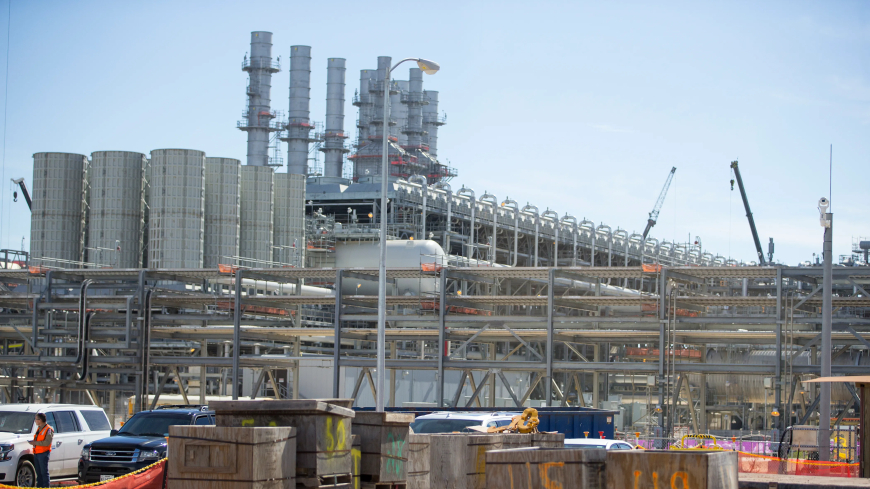
But underneath the macro noise, another story is playing out — in concrete, rebar, welds, and cranes. The U.S. is in the early innings of the largest industrial construction wave since the post-WWII era: LNG export terminals along the Gulf Coast, chip fabs in the Midwest and Sunbelt, biomanufacturing hubs, hyperscale AI data centers, and multi-billion-dollar rail and tunnel upgrades that will quietly define how energy, data, and goods move for the next generation.
This isn’t “someday” capital. It’s funded, permitted, and in many cases already breaking ground. Industry data shows that even in a “mixed” 2025 environment, large-scale megaprojects are propping up national construction starts — with individual months seeing multiple billion-dollar facilities begin work at the same time. On the jobs side, contractors are turning down work not because the money isn’t there, but because they don’t have enough people to staff it.
Meanwhile, most people’s mental model of construction is stuck in 2008: housing boom, housing bust, and the assumption that everything with a hard hat attached is cyclical, low-paying, and risky. That model is breaking. Quietly, but decisively.
While everyone debates soft landings and inflation prints, a quiet revolution is happening where it matters most: in the physical infrastructure that will run AI, energy, logistics, and manufacturing for the next 30 years.
And that build-out has a problem — one that turns into an opportunity for anyone under 40: the projects are real, but the workforce to actually build them is missing. The constraint isn’t money, or political will, or even permitting in many cases. The constraint is how fast the industry can recruit, train, and retain people who can show up, learn, and execute.
Mapping the Megaproject Wave
Let’s put some concrete names and dollar amounts on this “hidden boom.” The list below is not conceptual wishlists or PR slides — it’s real projects that are under construction or in advanced stages with financing and permits locked in. In other words: jobs, not vibes.
LNG and Energy Export – Gulf Coast Build-Out
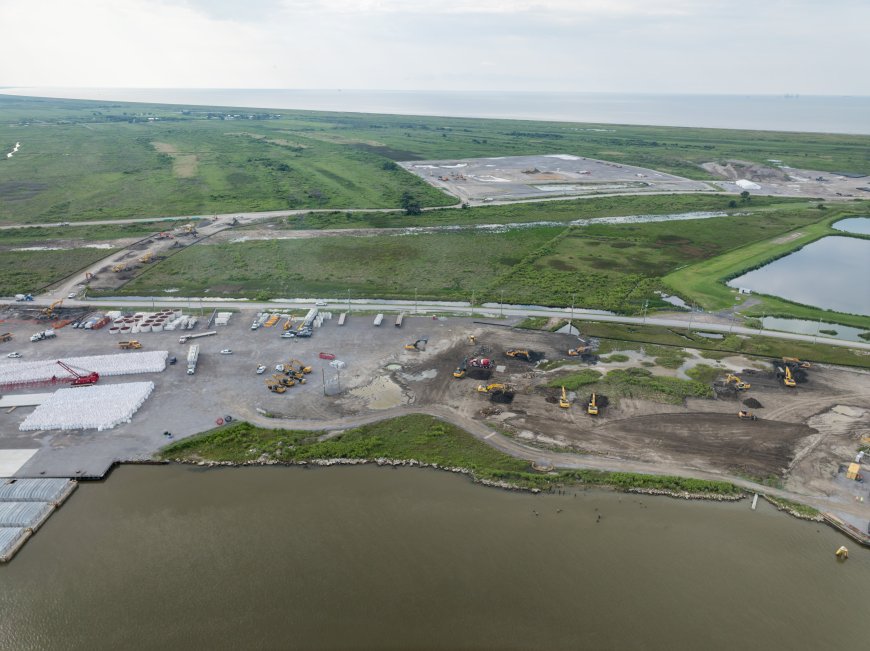
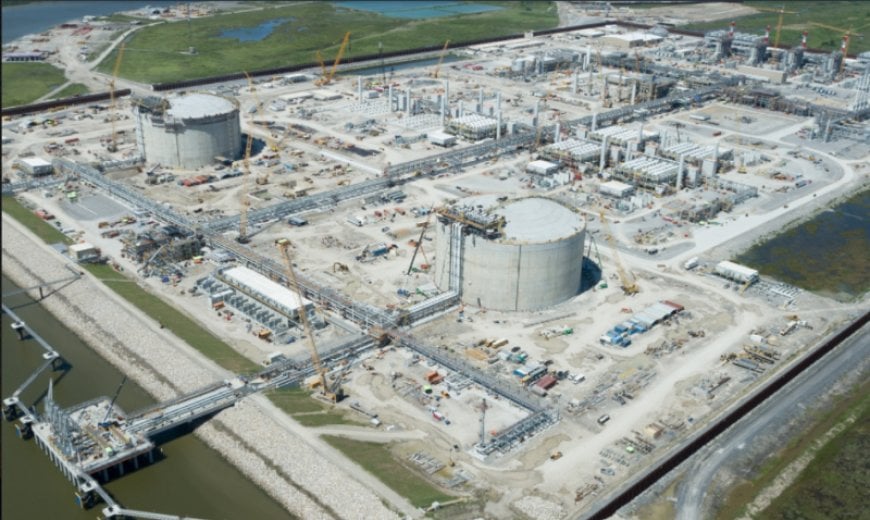
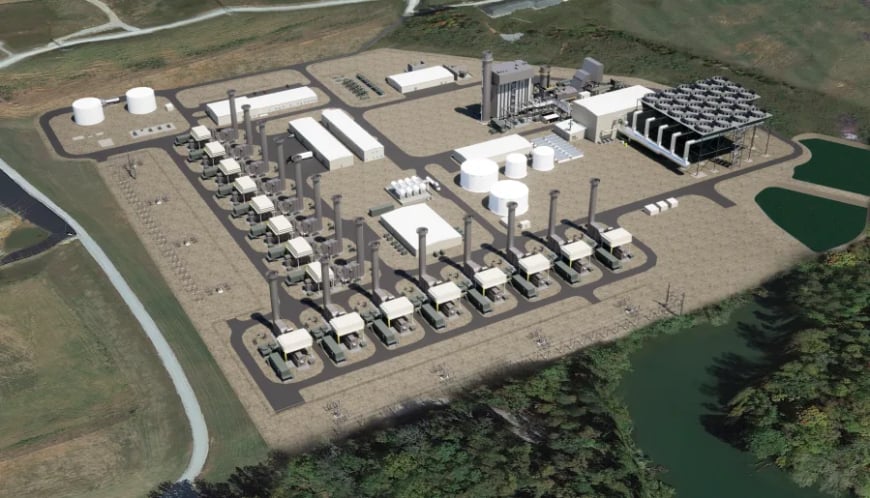
- $15.1B Calcasieu Pass / CP2 LNG Export Terminal & Pipeline – Cameron Parish, Louisiana Massive Gulf Coast LNG expansion tying into global gas markets. Multi-year work for civil, mechanical, electrical, and pipeline trades, ranging from foundations and pile driving to cryogenic piping and sophisticated control systems.
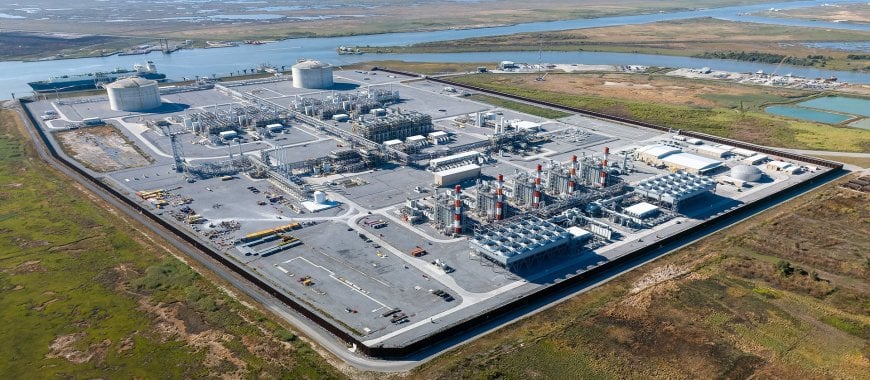
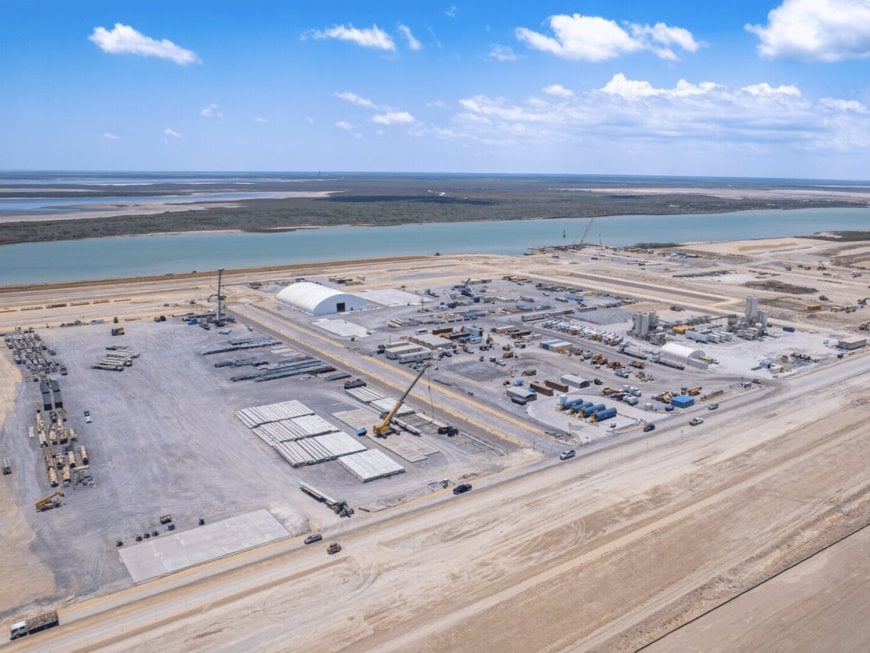
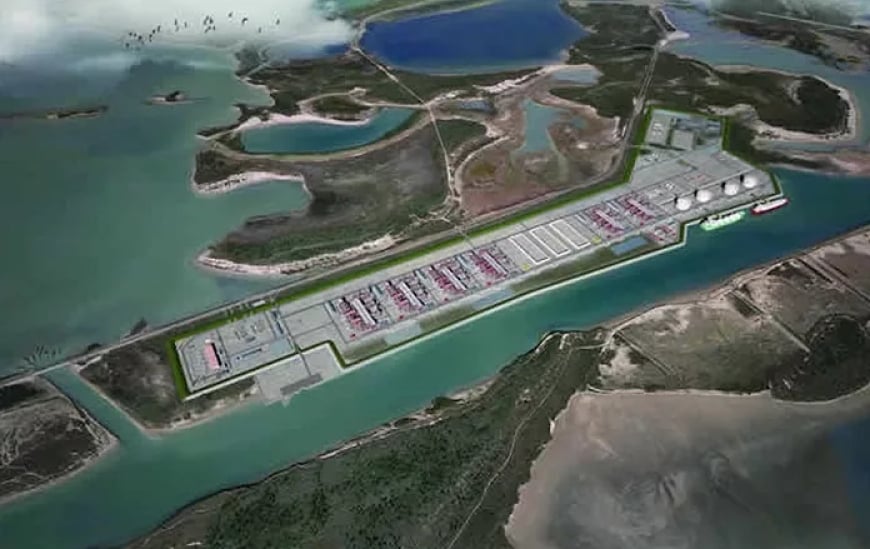
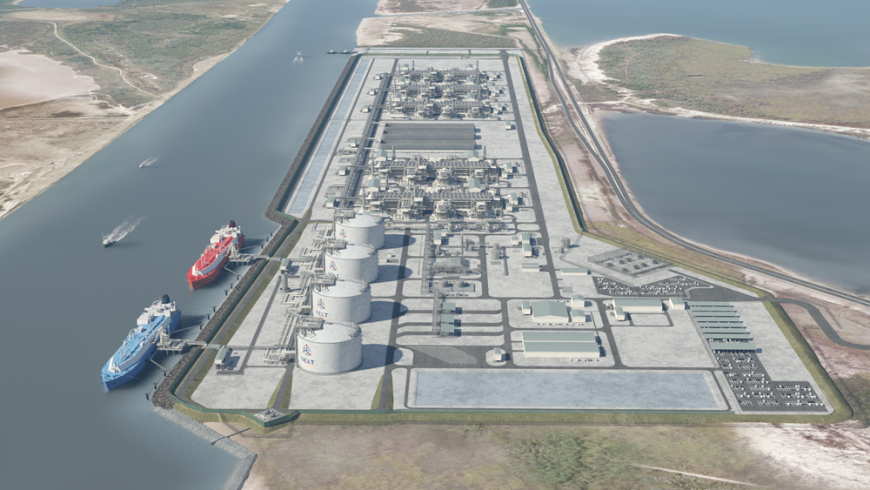
- $9B Rio Grande LNG Phase 2 – Brownsville, Texas Additional trains and infrastructure on top of the existing terminal footprint, locking in years of skilled work for welders, pipefitters, operators, and maintenance technicians as the facility moves from build to long-term operation.
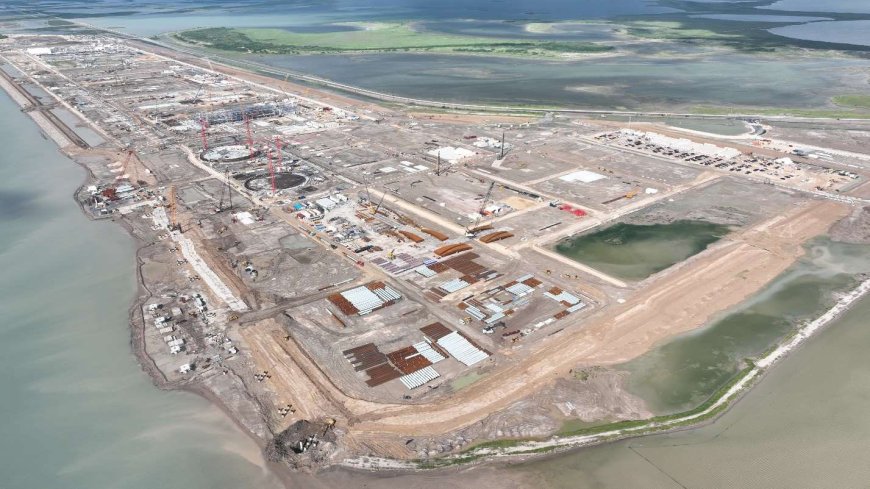
- $5.1B Woodside Louisiana LNG Facility – Sulphur, Louisiana Flagged as one of the largest non-building starts in the country. It pulls in earthwork contractors, marine construction, large-diameter pipe crews, high-voltage electricians, and controls specialists in one place for years at a time.
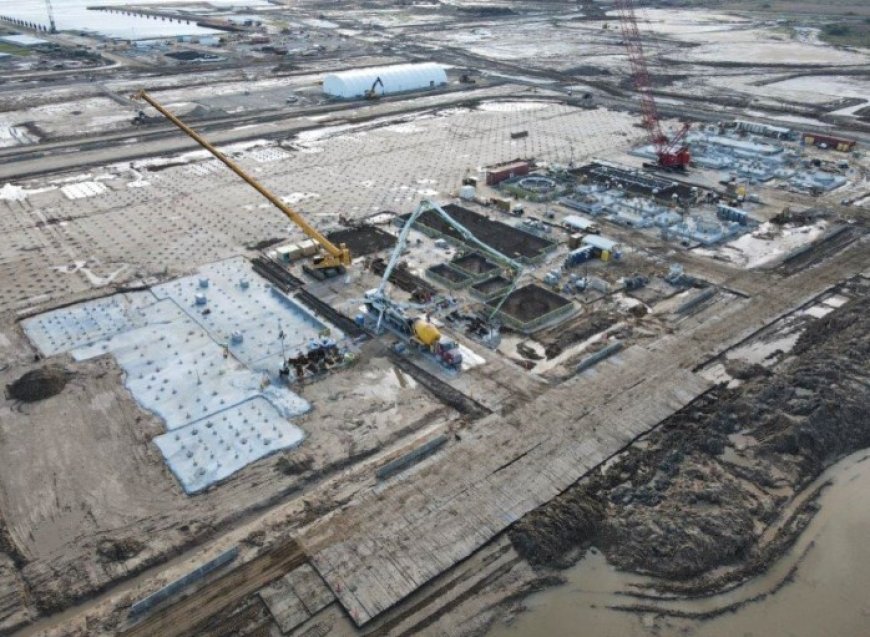
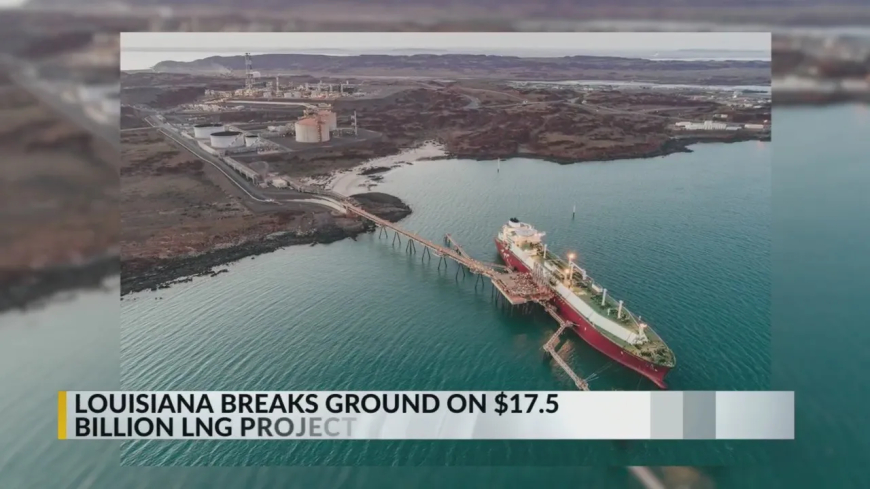
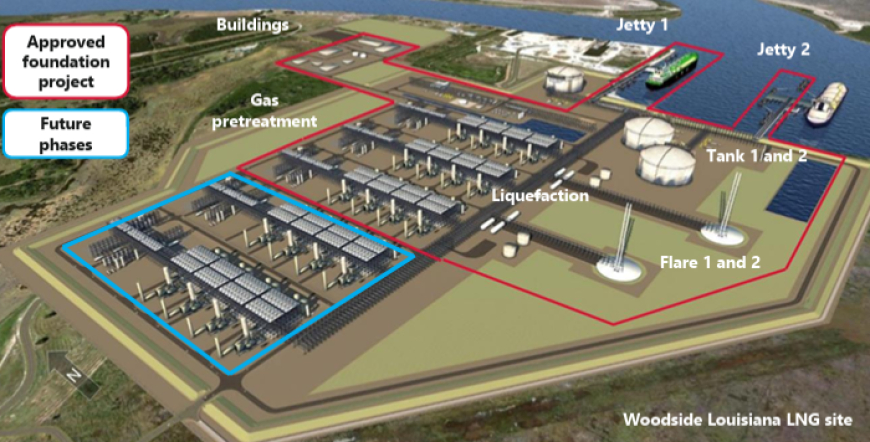
- $2.9B Cheniere Corpus Christi LNG – Gregory, Texas Expansion of an existing LNG export hub, deepening demand for industrial trades, dock work, and grid-tied infrastructure.
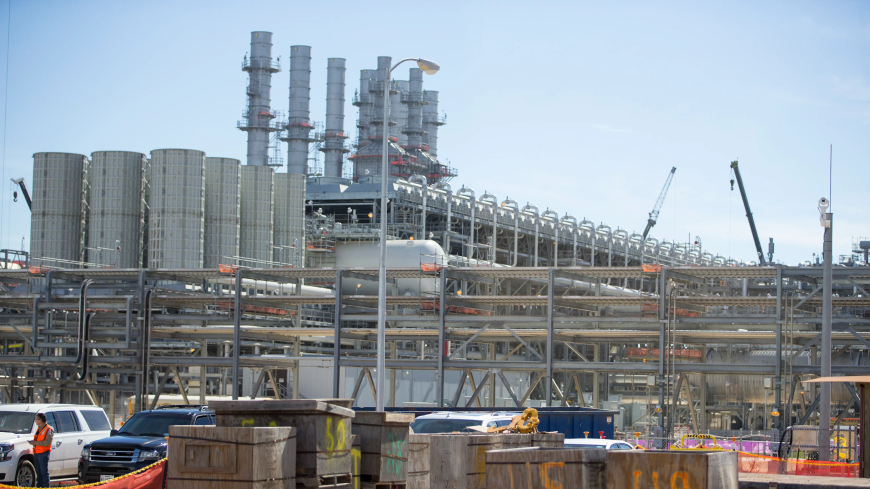
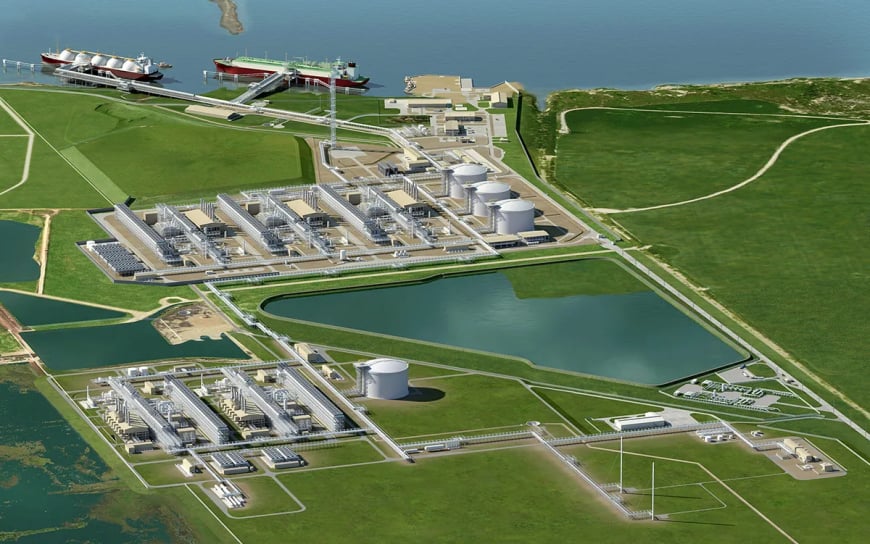
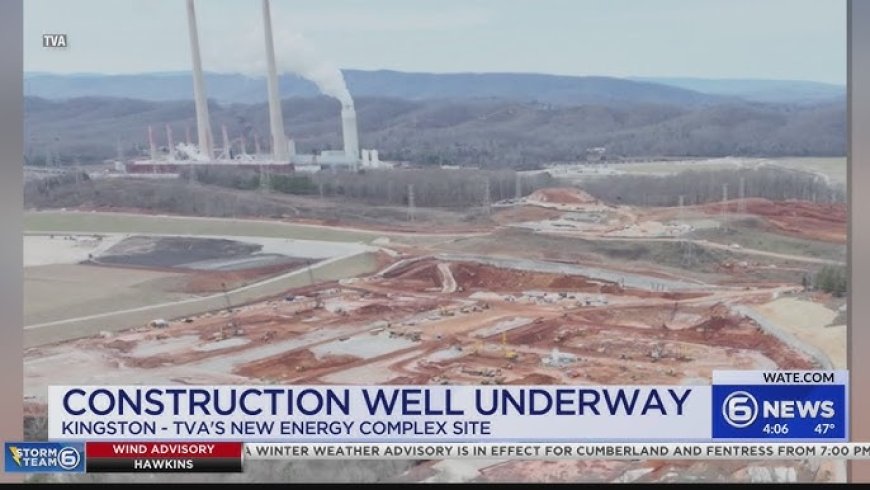
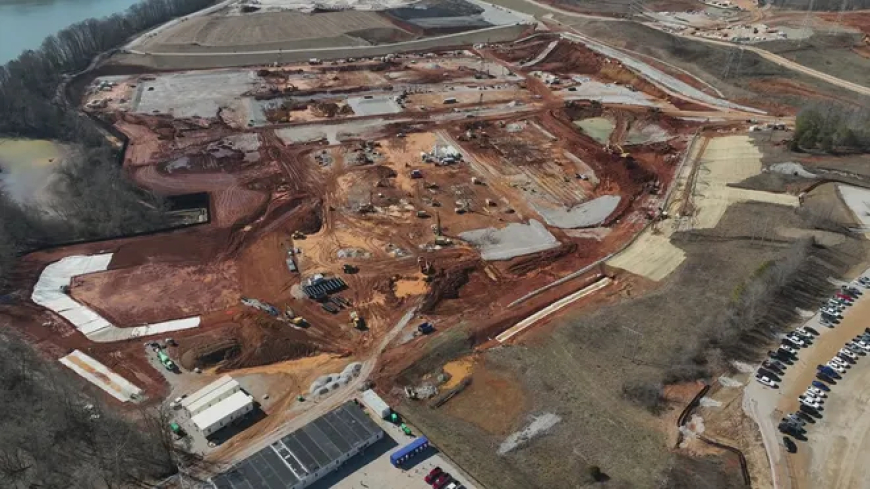
- $1.8B Kingston Energy Complex + Battery Storage – Kingston, Tennessee A template for the grid-scale storage build-out that will follow everywhere data centers and renewables cluster, combining civil, electrical, and high-voltage specialty work.
AI and Cloud Data Centers – The New Digital Industrial Plant
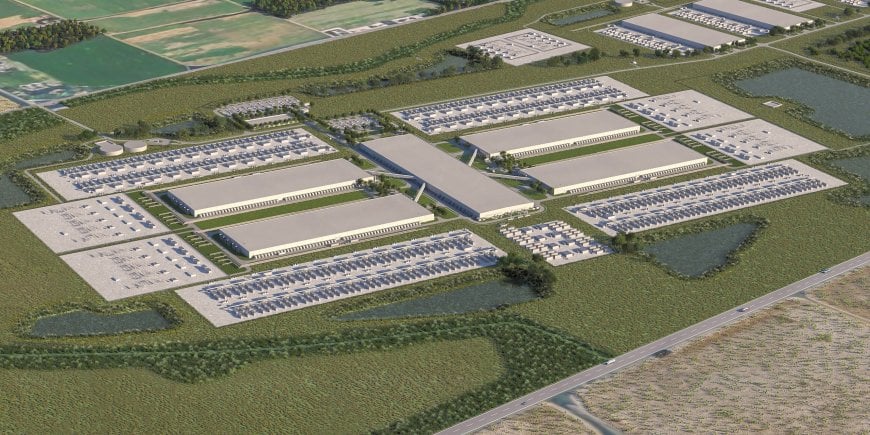
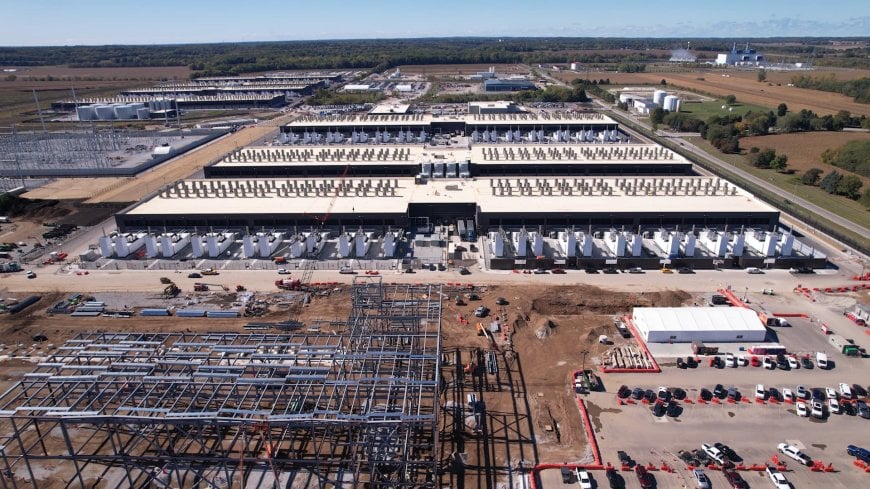
- $7.5B Meta Hyperion Data Centre – Richland, Louisiana A hyperscale campus feeding AI workloads and video, with heavy power, cooling, and steel demands. Behind every server rack is an army of electricians, sheet-metal workers, pipefitters, controls techs, and commissioning teams.
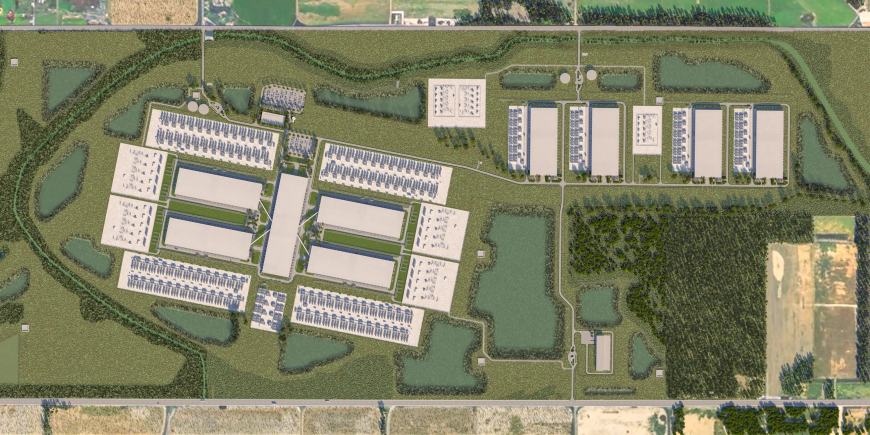
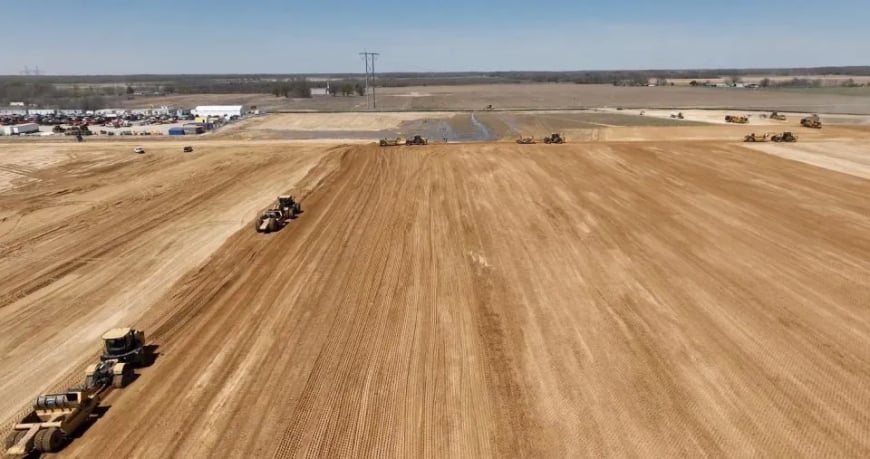
- Multi-billion-dollar Microsoft, Amazon, and CoreWeave AI campuses Growing across the Midwest, Pacific Northwest, and Southeast. These projects layer new substations, transmission lines, backup generation, and specialized mechanical systems on top of standard data center builds, making them some of the most trades-intensive projects per square foot in the entire construction ecosystem.
Pharma and Biomanufacturing – The New “Medicine Fabs”
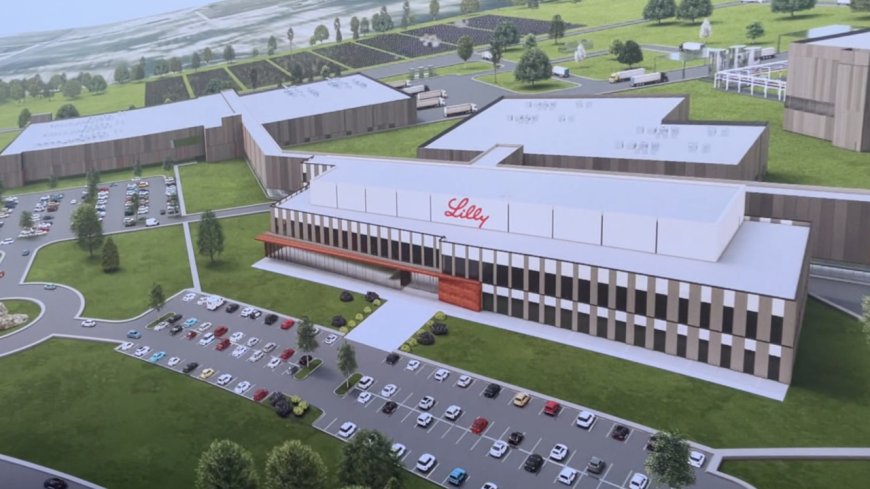
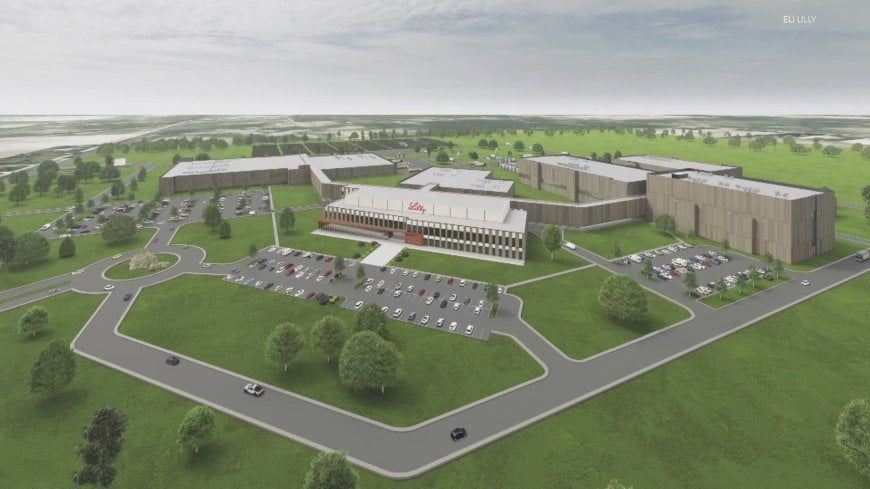
- $1.7B+ Eli Lilly Manufacturing Facility – Lebanon, Indiana Part of a broader multi-billion-dollar “medicine manufacturing” strategy across Indiana and North Carolina, including a foundry-style complex where molecules are produced with the same precision culture that chip fabs brought to silicon.
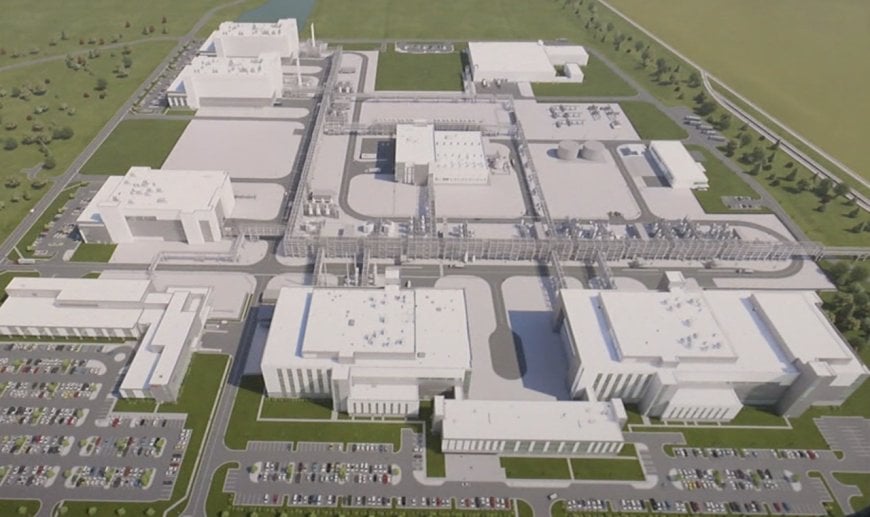
- Large-scale biotech manufacturing hubs From firms like Gilead and others, with clean rooms, process piping, stainless systems, and highly skilled MEP requirements. These jobs blend traditional trades with strict quality-control and documentation standards.
Chips, EVs, and Advanced Manufacturing
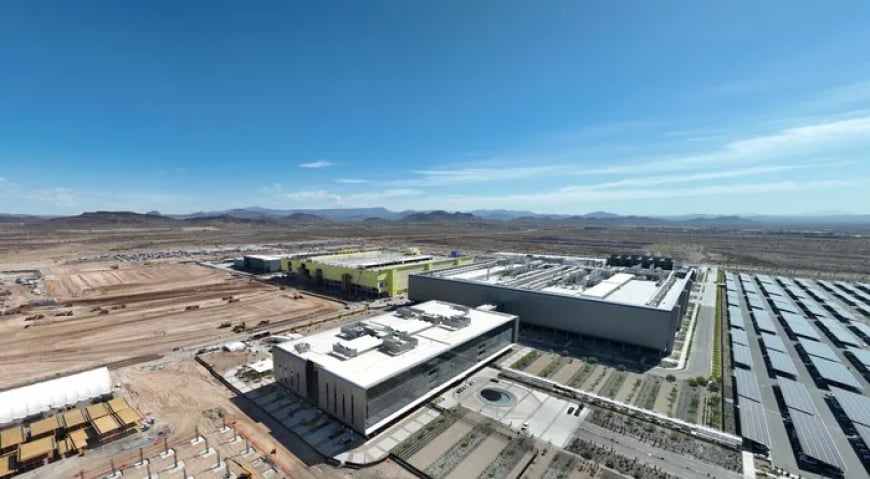
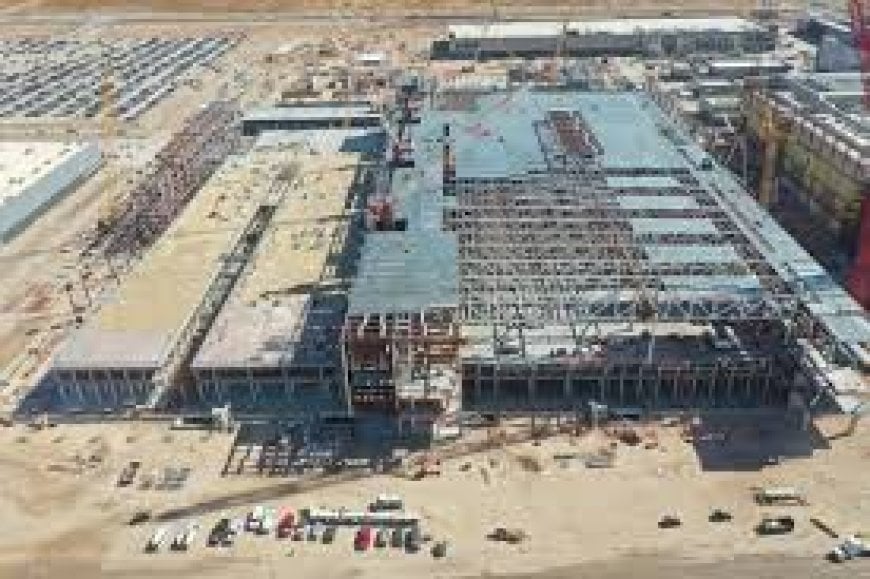
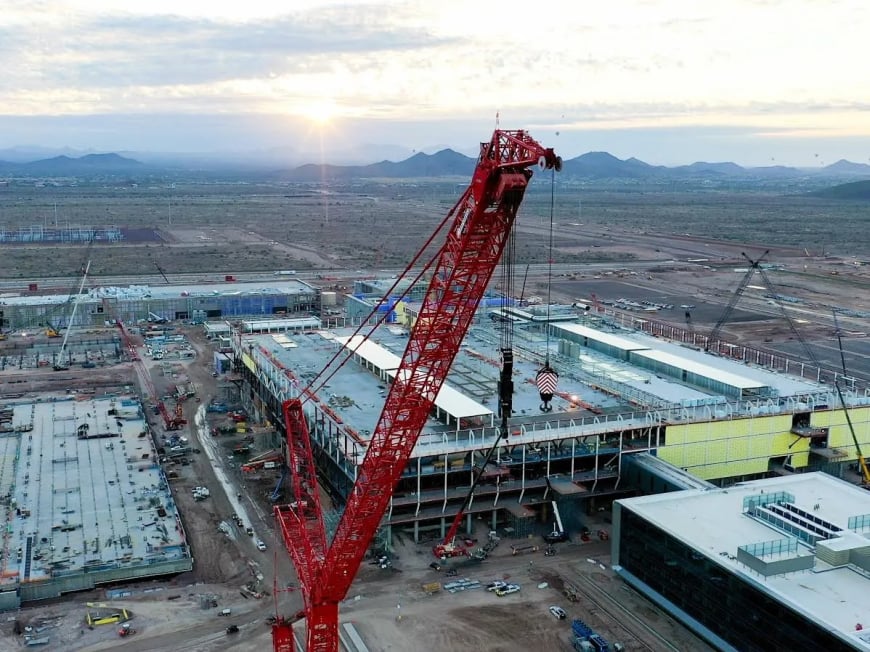
- $20B+ Intel “Silicon Heartland” – Ohio Fabs, substations, and support buildings spread over a mega-campus footprint. Each fab is a universe of mechanical and electrical complexity: ultra-pure water, air handling, chemical distribution, and backup power configured at a density few other industries match.
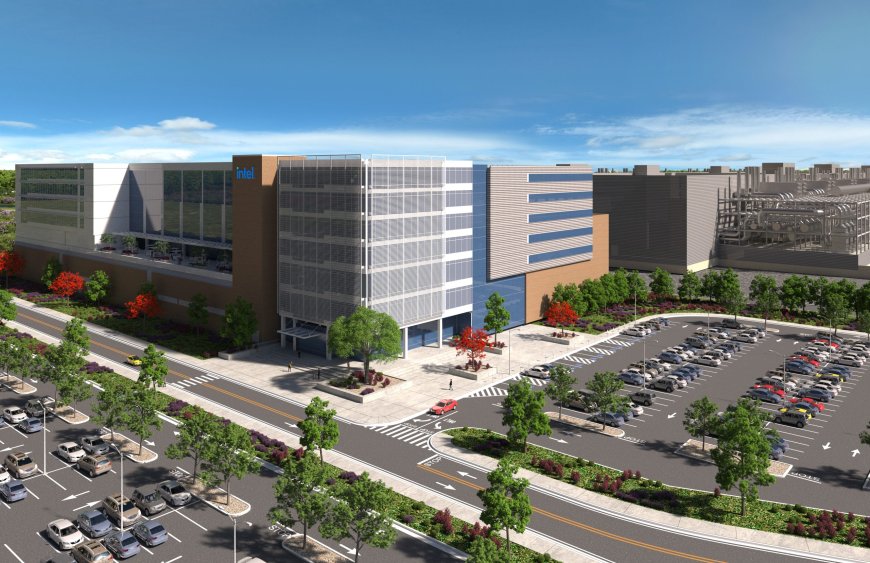
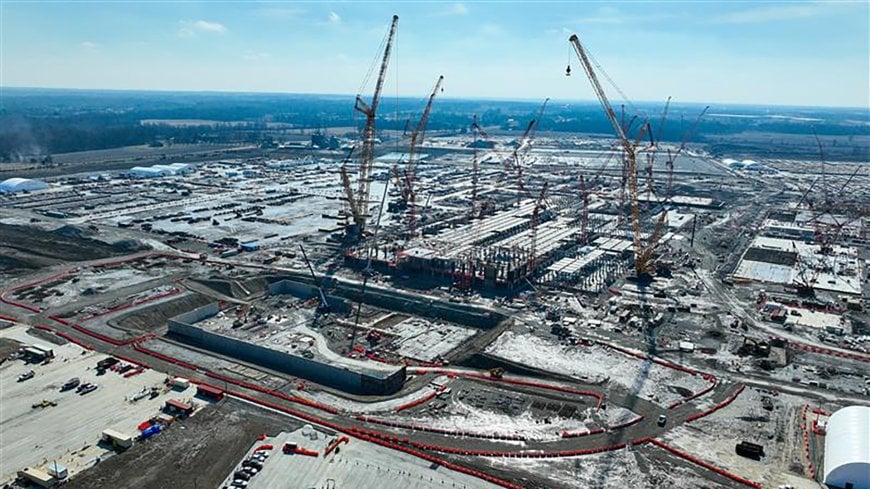
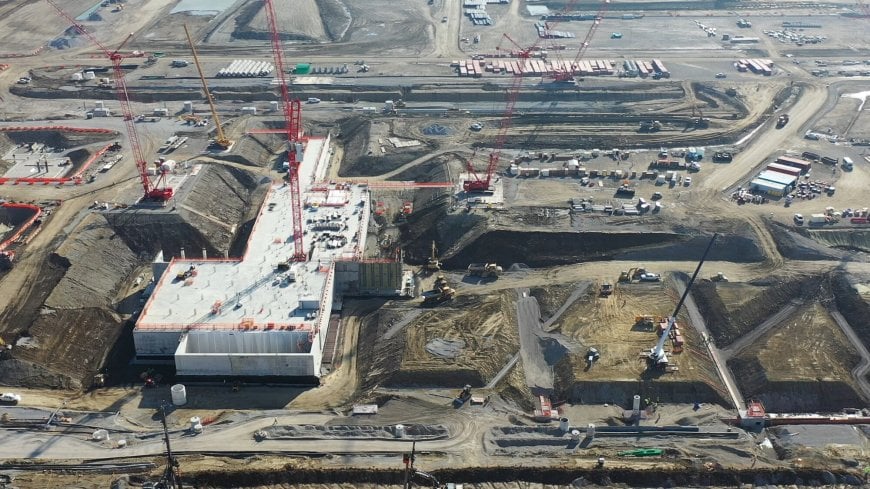
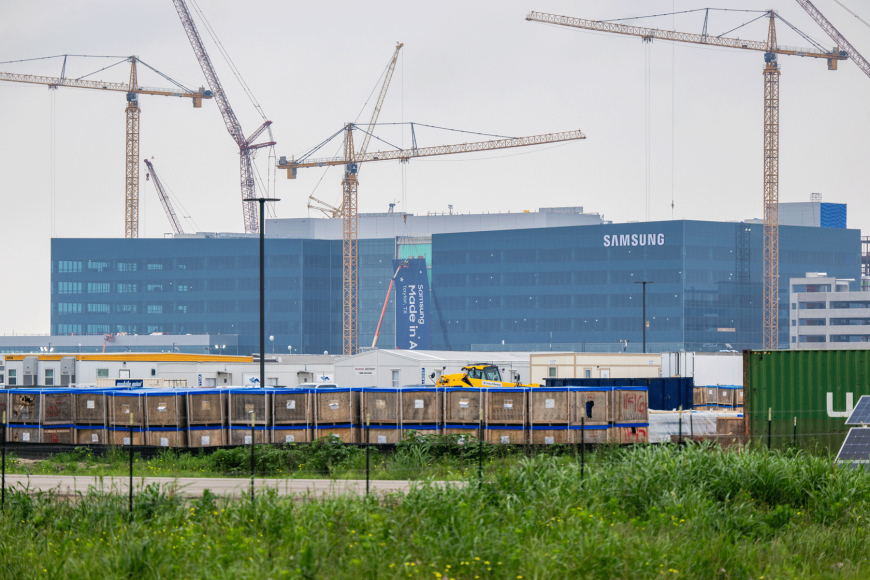
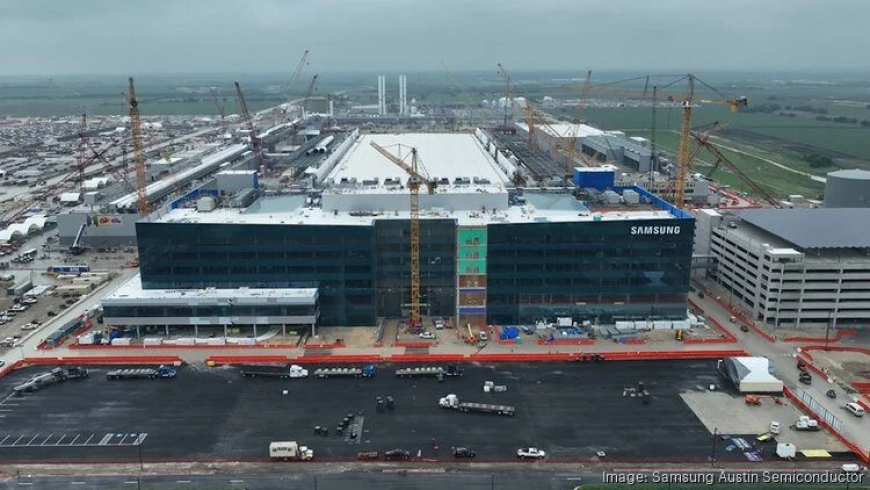
- $18B Samsung Fab Expansion – Taylor, Texas More clean rooms, power upgrades, and process utilities feeding a growing semiconductor cluster in Central Texas.
- TSMC Arizona Fab 2 and 3 Already in a multi-year construction cycle, with additional phases meaning sustained demand for high-end mechanical and electrical work, plus specialized commissioning.
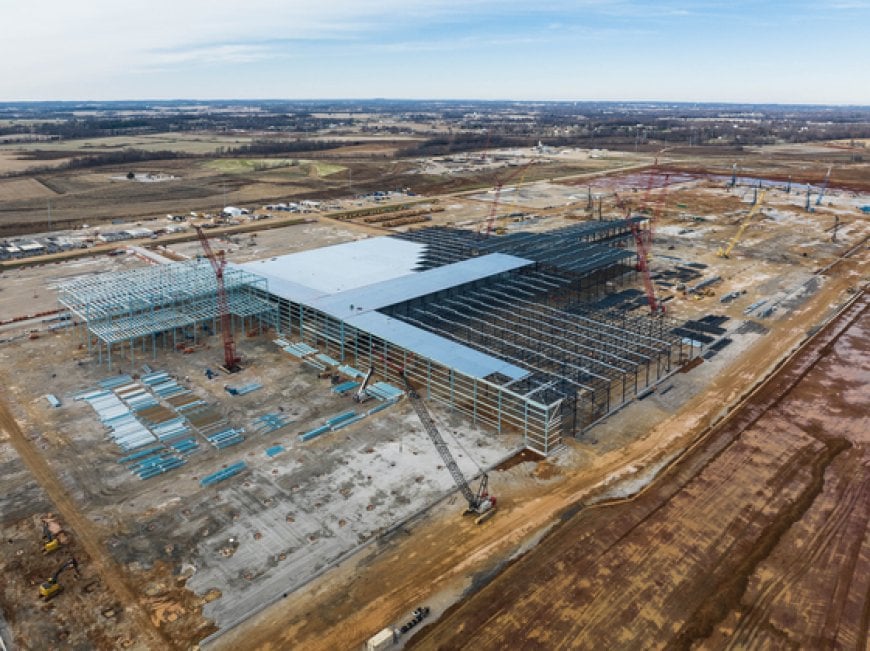
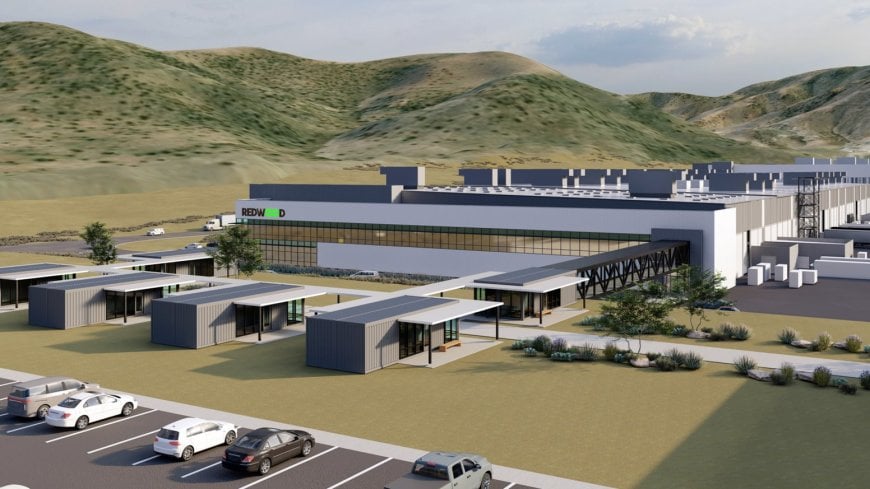
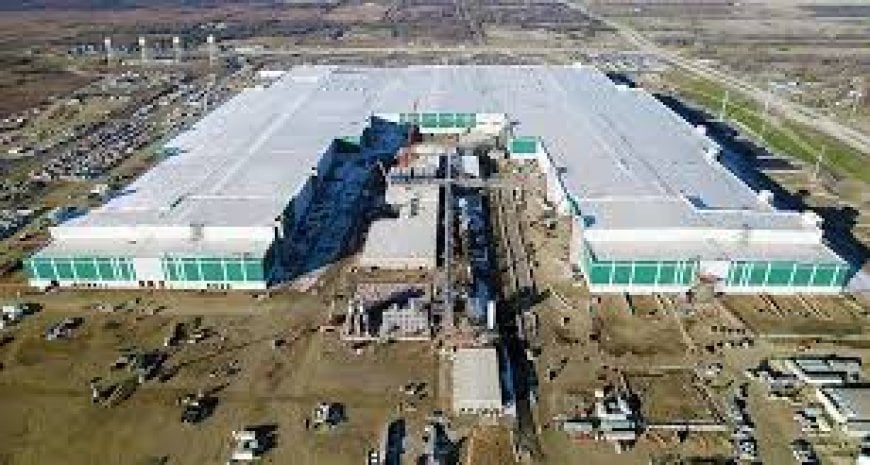
- Battery and EV plants Facilities aligned with automakers and battery firms (Ford, SK, LG, Panasonic, Redwood, and others), re-industrializing parts of the Midwest and South with gigafactories, cathode/anode production, and recycling hubs.
Tunnels, Rail, and Civic Infrastructure
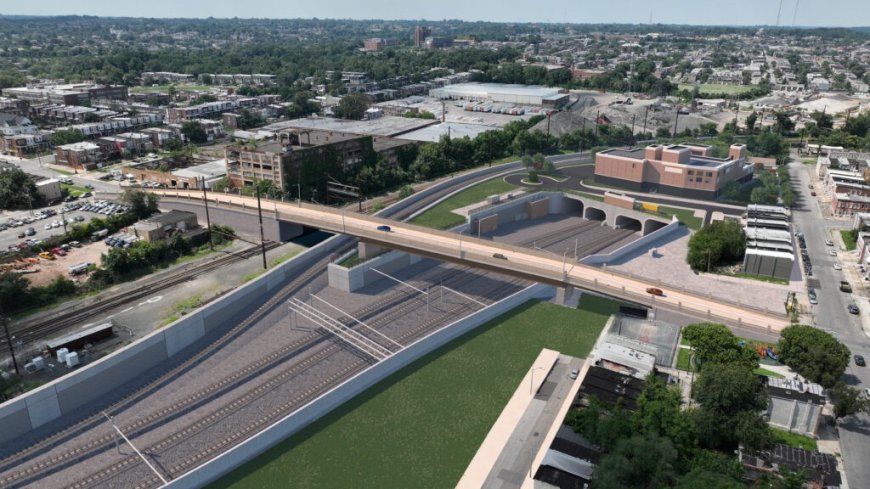
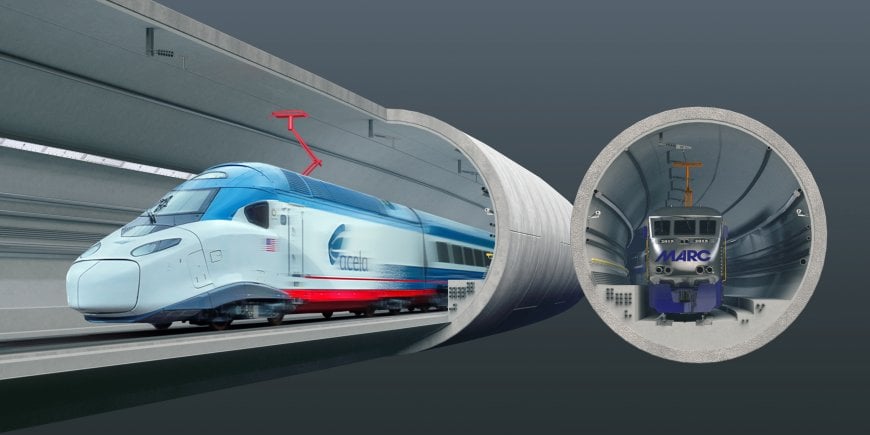
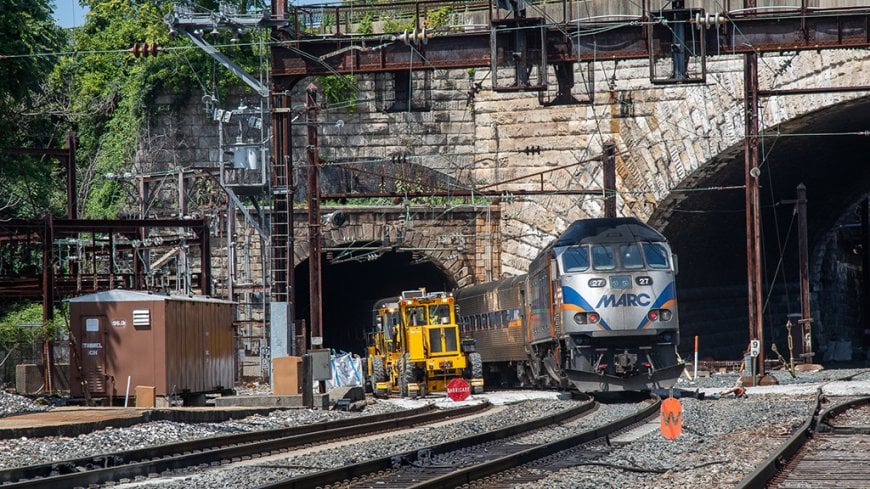
- $5.9B Frederick Douglass Tunnel Program – Baltimore, Maryland Replacing a Civil War-era bottleneck on the Northeast Corridor. The program is expected to span nearly a decade and support tens of thousands of direct and indirect jobs in tunneling, rail systems, electrical, signaling, and station upgrades.

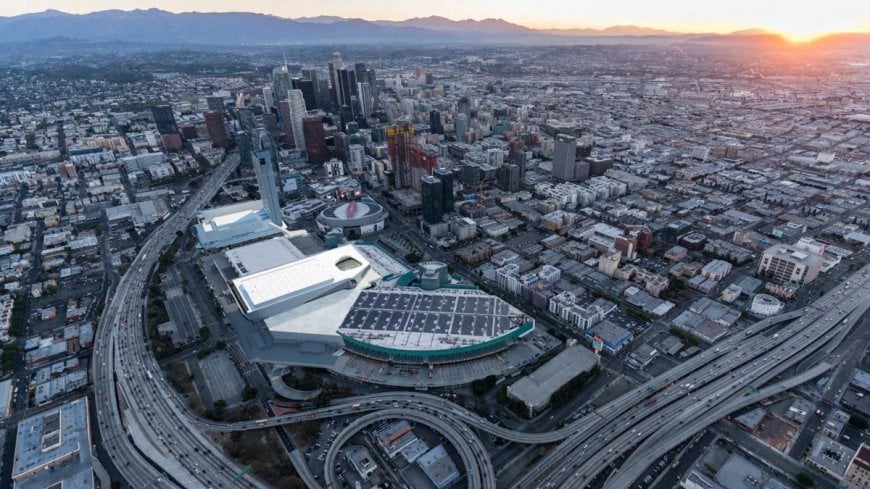
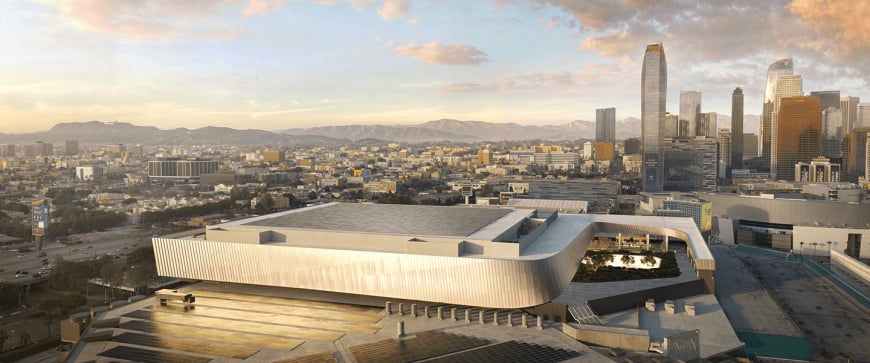
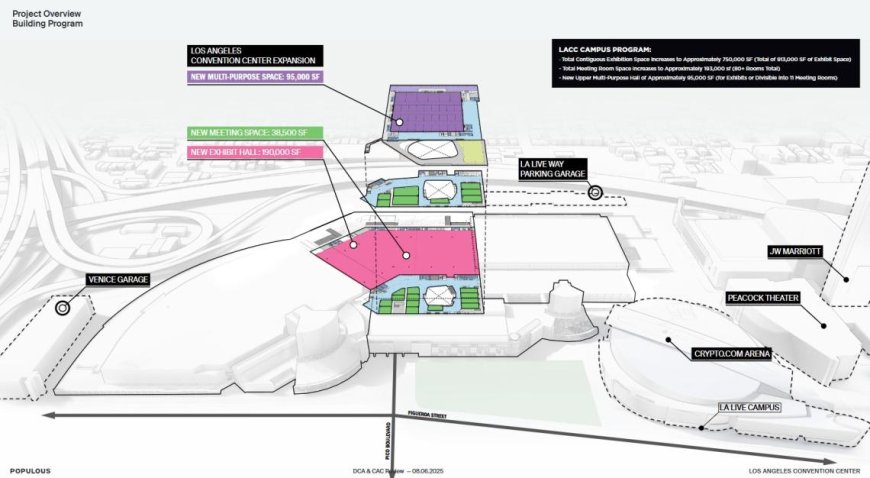
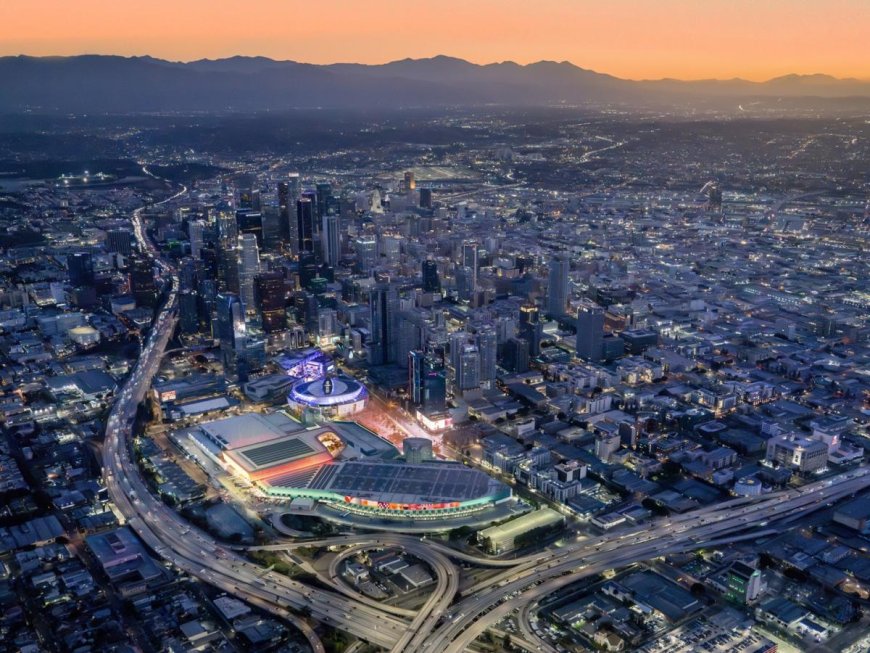
- $1.9B Los Angeles Convention Center Expansion – Los Angeles, California A full modernization blending structural upgrades, new exhibition halls, seismic retrofits, and major MEP packages into a complex downtown site.
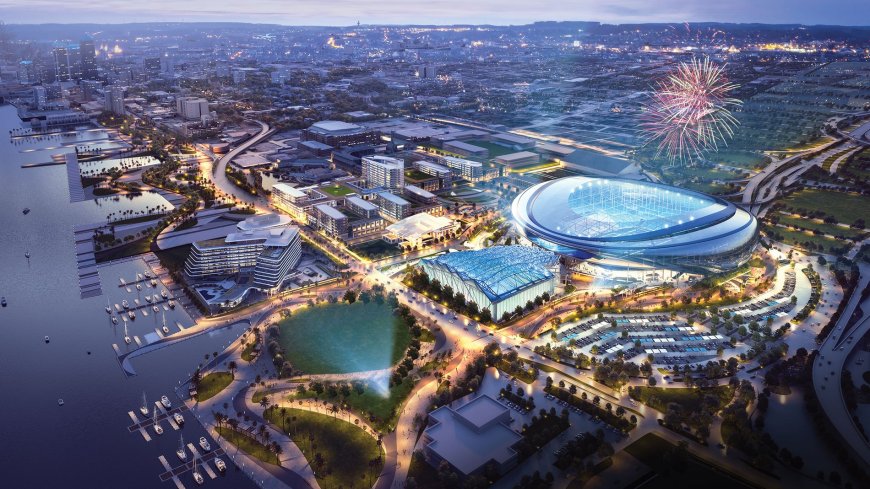
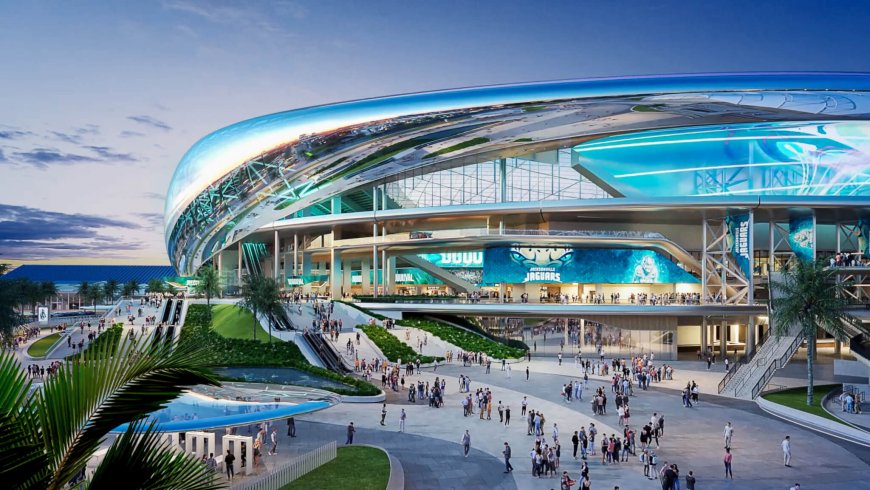
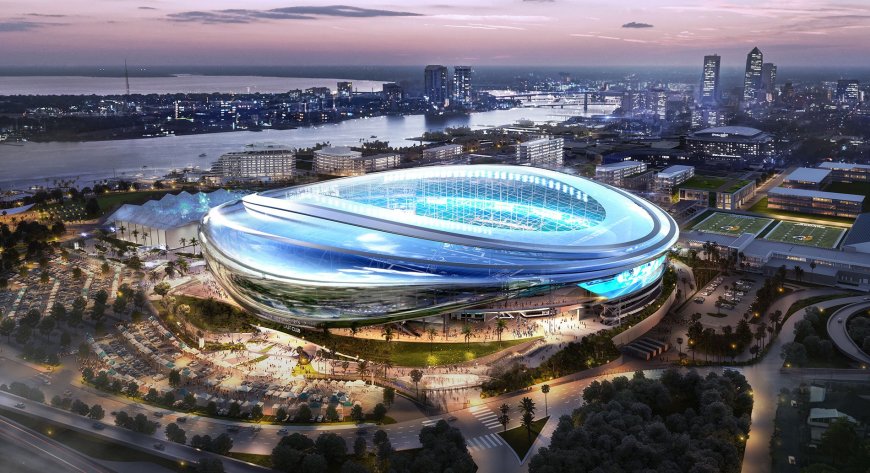
- $1.4B Jacksonville Jaguars Stadium Rebuild – Jacksonville, Florida Pile driving and foundation work already underway as part of a broader sports and entertainment district upgrade, with spin-off work for adjacent infrastructure, hotels, and mixed-use space.
Residential, Mixed-Use, and Conversions
- $214M Andare Residences – Fort Lauderdale, Florida A 45-plus-story tower right on the water, combining luxury residential, amenity decks, structured parking, and flood-resilient design requirements.

- $165M 6 East 43rd Office-to-Residential Conversion – New York City A classic example of the office-vacancy era being recycled into housing, with heavy structural, plumbing, fire protection, and electrical rework inside an existing shell.
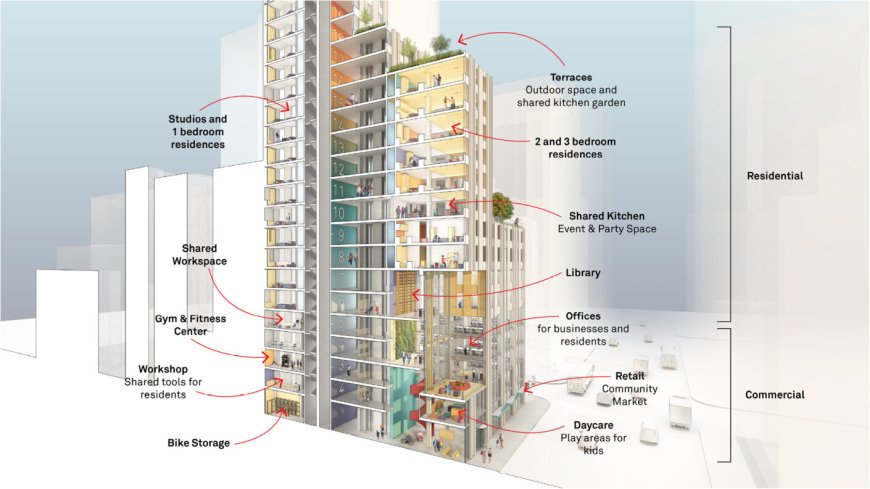
- $132M Jefferson Bonnie Brae Workforce Housing – Denton, Texas Over 400 units with dedicated affordable components — and a blueprint for how multifamily will be built in college and job-growth markets where people still need to live near work.

This is not an exhaustive list. It’s a snapshot. At any given moment, major project trackers show hundreds of $100M+ projects and dozens of $1B+ projects either breaking ground or in late-stage planning. The point is not memorizing names; it’s recognizing the pattern: a sustained, capital-backed build-out of America’s hard infrastructure.
Why This Build-Out Is Happening Now
You don’t get a construction wave like this by accident. It’s the convergence of multiple policy and market forces that all point in the same direction: rebuild, reshore, and rewire.
- Post-COVID reshoring – Supply chain shocks exposed how fragile offshore dependencies were for critical manufacturing (chips, medicine, defense). Governments and companies both decided that some categories simply have to be produced closer to home, even if it costs more.
- Massive federal spending – The big legislative packages of the early 2020s (infrastructure, chips, and energy) all explicitly subsidize hard assets: roads, bridges, green energy, chip fabs, and grid upgrades. That money is now flowing out of PDFs and into contracts.
- AI and data-center arms race – The AI-industrial flywheel needs square footage, cooling, transformers, and new power plants, not just GPUs. Every new cluster of AI data centers drags along transmission lines, substations, and sometimes entirely new generation assets.
- Energy realignment – Europe’s gas crisis and Asia’s demand made U.S. LNG exports a strategic asset, driving multi-terminal expansion on the Gulf and East coasts. Energy is no longer just a commodity; it’s leverage in geopolitics.
- Demographics and retirements – A wave of retirements among boomers in both trades and engineering collides with this capex spike, amplifying labor scarcity and putting upward pressure on wages and benefits.
All of this adds up to one thing: the projects aren’t optional. They are structural. They exist because the old system — the globalized, just-in-time, fossil-heavy industrial map — is being re-architected in real time. When projects are optional, they can be postponed. When they are structural, they get built slower or more expensively, but they still get built.
Which means if the labor doesn’t show up, wages get bid up until somebody picks up a hard hat.
The Labor Crunch: 439,000 Workers Needed Just to Stand Still
Industry groups keep screaming the same number and most of the country shrugs. Estimates suggest that the U.S. construction sector must attract roughly 439,000 net new workers in 2025 alone just to meet demand — and nearly 500,000 more in 2026 if spending accelerates.
That’s not growth in the sense of “nice to have.” That’s replacement plus keeping the existing pipeline from stalling out. Retirements, career changes, and burnout mean the industry has to sprint just to stay in place.
Wage data backs this up. Analyses of construction pay over the last several years show exactly what you’d expect in a shortage: construction wages have risen faster than the U.S. average, especially in high-skill specialties and booming regions. In some states, median hourly construction wages now rival or beat what many college grads make in their first white-collar jobs.
Translation: the projects are funded, the money is real, and the constraint isn’t demand. The constraint is bodies — especially people who can safely operate equipment, pull wire, weld pipe, or run a crew.
For anyone willing to move toward that constraint instead of away from it, the upside is straightforward: you get paid more because you’re solving the bottleneck the entire system is built on.
$100K+ Trade Pathways: Not a Slogan, an Actual Pay Table
This is where the narrative breaks away from the old “blue-collar equals low-pay” meme. Using federal data and independent analysis, you can rank the best-paid construction jobs in the country, and the numbers aren’t subtle.
Some highlights:
- Elevator and Escalator Installers/Repairers – Median annual wage around $106,000+. Median means half make more. Skilled union hands in high-cost metros can push well beyond that once overtime, night work, and specialized troubleshooting are factored in.
- Construction Supervisors / Managers – Often in the $90,000–$130,000+ range depending on region and project type, especially on large industrial or infrastructure jobs where coordination and schedule control are everything.
- Boilermakers, Pile-Driver Operators, Power-Line Installers – Regularly land in the high-five to low-six figures, with overtime and per diem sending total compensation past $100K. These are jobs that exist almost entirely because of large industrial and infrastructure spending.
- Electricians – National median around the low $60Ks, but that’s the middle. Experienced journeymen in strong union markets can comfortably hit $100K+ with overtime, especially on megaprojects, industrial work, or prevailing-wage public jobs.
On top of base wages, construction roles tend to offer unusually high rates of:
- Benefits – health, dental, and pension in union shops, often with retiree coverage.
- Per diem – tax-advantaged daily allowances on travel jobs that can effectively add thousands of dollars per month.
- Overtime multipliers – 1.5x–2x base pay on long shifts, weekend work, and night crews.
- Self-employment upside – a large share of construction workers are self-employed, running small crews or specialized service businesses once they’ve built experience and a reputation.
Put that together and the idea that “trades are stuck at $25/hour forever” doesn’t line up with reality. For people willing to show up, learn, and stick it out through the early years, the income profile looks a lot more like “engineer or mid-level tech” than the stereotype most people carry around from decades ago.
Why This Is a Once-in-a-Generation Shot for Gen Z
If you’re 17–30 right now, you are standing in a strange fork in history.
- White-collar automation is accelerating — especially anything that looks like predictable desk work.
- Four-year degrees are more expensive than ever and less clearly tied to secure income.
- The physical build-out of AI, energy, and manufacturing is starving for bodies and raising wages to compensate.
The construction super-cycle offers something rare in modern economies:
- A path to six-figure earnings in your 20s without a degree.
- Skills that are locally scarce and globally portable.
- Work that is extremely hard to automate: welding, conduit bending, crane operation, layout, troubleshooting.
- A front-row seat (and paycheck) in the AI–energy–industrial build-out most people only read about.
There’s also a cultural angle: for an entire generation told that all the “good jobs” require a bachelor’s degree, the trades feel invisible. Yet on the ground, you’ll meet 26-year-old linemen, elevator mechanics, and pipefitters clearing six figures while their degree-holding peers are still fighting entry-level bottlenecks or paying off debt.
AI will absolutely reshape construction — with robots, layout automation, prefabrication, and digital twins — but those tools need human operators, supervisors, and problem-solvers. You’re not competing with AI here; you’re using it as leverage.
The window won’t stay wide open forever. As the message slowly spreads and more people pivot into the trades, the wage spike will flatten. The people who move first — in the next 3–5 years — are the ones who will be sitting on top of crews, running foreman-level responsibilities, or even owning small subcontracting companies when the rest of the world wakes up.
How to Plug In: Practical On-Ramps Into the Boom
This isn’t an abstract macro chart. It’s a real “what do I do on Monday?” opportunity. Here’s how someone starting from near zero can plug into the boom and move toward the bottleneck instead of away from it.
Pick a Trade That Lines Up With the Megaproject Map
The biggest leverage is in trades that intersect with LNG, heavy industrial, chips, and data centers. These projects need people who can handle power, pressure, and precision:
- Industrial electrician or instrumentation tech
- Pipefitter / welder (especially TIG, stainless, high-pressure)
- Ironworker / structural steel
- Operating engineer (cranes, heavy equipment)
- Elevator installer (dense urban cores and high-rise markets)
You don’t have to pick perfectly. What matters is choosing a lane that actually lives where the capex is, and then committing long enough to become very good at it.
Go Where the Work Is Clustered
There are clear geographic clusters, and being flexible on location multiplies your options:
- Gulf Coast – LNG, petrochem, ports, shipyards.
- Texas and Arizona – chips, EVs, logistics, data centers.
- Midwest – battery plants, automotive retooling, Intel’s Ohio build-out.
- Mid-Atlantic and Northeast – rail tunnels, bridges, hospitals, office conversions.
- Southeast – stadiums, ports, industrial parks, data centers.
If you live in one of these regions already, you’re ahead. If you don’t, even a temporary move for a multi-year project can reset your entire financial trajectory.
Use Apprenticeships and Unions as a Free College
Instead of paying $30–60K for a degree, apprenticeships pay you to learn:
- Apply to union apprenticeship programs (IBEW for electrical, UA for pipefitters, Ironworkers, Operating Engineers, and others).
- Use community college or trade schools only when they actually connect to employers or unions at the other end.
- Stack certs that matter: OSHA 10/30, NCCER, specific equipment tickets.
The game is not collecting random certificates. The game is connecting each step — schooling, apprenticeship, on-the-job learning — into a continuous path that ends in journeyman status and beyond.
Treat It Like a Career, Not a Job
The real compounding happens when you:
- Stick with one trade long enough to hit journeyman and then foreman level.
- Learn reading prints, basic project management, and digital layout tools (Trimble, BIM viewers, project-management platforms).
- Move from “hand” to “lead” to “super” — that’s the track that pushes income into the deep six-figure range on large jobs.
Plenty of people drift in and out of construction treating it as a temporary gig. The opportunity is captured by those who treat it like an asset: a stack of skills, credentials, and relationships that compound with every project they touch.
PatternNexus View
In earlier Pattern Nexus work we’ve talked about the Liquidity Composite Index and how liquidity pulses drive asset prices, the AI-Industrial Flywheel that links compute demand to energy and capex, and the Great Housing Plateau, where shelter costs and rate regimes freeze traditional construction cycles.
This industrial construction boom is where those threads converge:
- Liquidity and fiscal programs are being channeled into tangible, long-duration assets.
- AI isn’t just a line item on a tech company’s income statement; it’s being poured into steel, copper, and concrete in the form of data centers and power plants.
- Housing may plateau in some markets, but industrial and infrastructure work provide a counter-cycle — a place where labor and materials stay bid even when homebuilding stumbles.
From a systems perspective, this looks less like a one-off “stimulus” and more like the front end of a structural regime shift: America rebuilding its industrial base around energy, AI, and resilient supply chains. The people who ride that shift from the ground level will not just earn strong wages — they’ll be positioned to own businesses and direct capital when the cycle matures.
PatternNexus Framework
- Macro Signal – Construction starts are choppy at the surface but supported by mega-projects that anchor regional economies for a decade at a time.
- Labor Signal – Hundreds of thousands of additional workers needed in 2025 and 2026. Labor is the bottleneck, not funding.
- Income Signal – Top trade roles clear $100K at the median with strong benefit stacks; wages are rising faster than many white-collar tracks that people still assume are “safer.”
- Risk/Resilience Signal – These jobs sit in sectors that are hard to offshore and hard to automate, especially at the install, maintenance, and supervisory level.
- Societal Signal – A culture that undersupplied blue-collar training for decades is colliding with an industrial revitalization that can’t function without those skills.
Put together, this isn’t “learn to code” versus “learn to weld.” It’s a hybrid reality: AI and robotics will be everywhere — including on jobsites — but the people who can bridge the physical and digital layers will capture disproportionate upside. The future belongs to the ones who can talk to both a PLC and a project superintendent.
FAQ: Construction Careers in the 2025–2035 Super-Cycle
Do I really need no college at all?
Many high-earning trade paths do not require a four-year degree. You’ll usually need a high school diploma or GED, a clean enough record to pass background checks, and the ability to pass drug tests and apprenticeship entrance exams. That’s it. Extra schooling helps if it’s tightly connected to an employer or apprenticeship.
How long until I can realistically earn $100K?
On a solid path (union apprenticeship or strong non-union employer), it’s realistic to hit six-figure total compensation in 4–6 years, especially if:
- You’re willing to travel for large industrial jobs.
- You say yes to overtime and night shifts.
- You move into crew-lead or foreman roles as soon as you’re ready.
Isn’t construction dangerous or unstable?
It can be dangerous if corners are cut — but serious contractors and union programs are obsessive about safety, training, and PPE. The bigger risk isn’t physical; it’s treating the work like a short-term job instead of an up-skilled career. The stability comes from stacking certifications, relationships, and experience across multiple projects and employers.
What if there’s a recession?
Recessions can slow residential and commercial work, but long-cycle industrial and infrastructure projects often keep going because they’re tied to multi-year contracts, federal funding, or strategic energy security. Being in the right sectors (LNG, power, chips, data centers, tunnels) gives you more insulation than, say, speculative housing or strip-mall build-outs.
Is this only for guys in their 20s?
No. Women are a fast-growing segment of the construction workforce, and many trades accept apprentices in their 30s, 40s, or even later. The common thread is work ethic, willingness to learn, and the ability to handle physical tasks — not age or gender. The more the industry diversifies, the more resilient it becomes.
Sources
Key data and project references in this article are drawn from:
- Associated Builders and Contractors (ABC) – construction workforce shortage and annual labor gap estimates. https://www.abc.org
- Construction Coverage – research on construction wages and occupations, including “The Best-Paying Construction Jobs in the U.S. [2025 Edition]”. https://constructioncoverage.com/research/best-paying-construction-jobs
- Dodge Construction Network / industry trade coverage – reporting on large U.S. commercial and industrial projects, including LNG facilities, stadiums, hospitals, and other megaprojects. https://www.constructiondive.com
- Company and economic development releases – press materials and announcements from project owners and state development agencies for LNG terminals, chip fabs, battery plants, data centers, and biomanufacturing facilities.
- Pattern Nexus prior work on liquidity, AI-industrial dynamics, and housing cycles, including:
- Liquidity Composite Index
- AI-Industrial Flywheel
- Great Housing Plateau
All dollar figures and project scopes are approximate and rounded; individual projects may expand in scope or cost as new phases are announced.
Jaká je vaše reakce?
 Líbí se
0
Líbí se
0
 Nesouhlasím
0
Nesouhlasím
0
 Láska
0
Láska
0
 Vtipné
0
Vtipné
0
 Wow
0
Wow
0
 Sm sad
0
Sm sad
0
 Rozčílený
0
Rozčílený
0

Founder of Pattern Nexus. I research markets, macro, geopolitics, AI, history, ancient systems, and the patterns most people overlook. I’m also building Market Radar, a trading scanner designed to read pressure, risk, confirmation, and setup quality before chasing a move. Pattern Nexus is where I connect the dots between data, history, technology, and the bigger system playing out around us.



















Komentáře (0)