
Mar 5, 2026 Market Wrap (8:40 PM): VIX Won’t Relax, Gold Leads, and the Hormuz “Control Valve” Stays Partially Closed
Indexes tried to hold together, but the hedges kept talking: VIX stayed bid, gold/silver stayed firm, and the Gulf shipping/insurance layer remains the real constraint. My read: markets are still trying to price “normal” while paying up for tail risk.
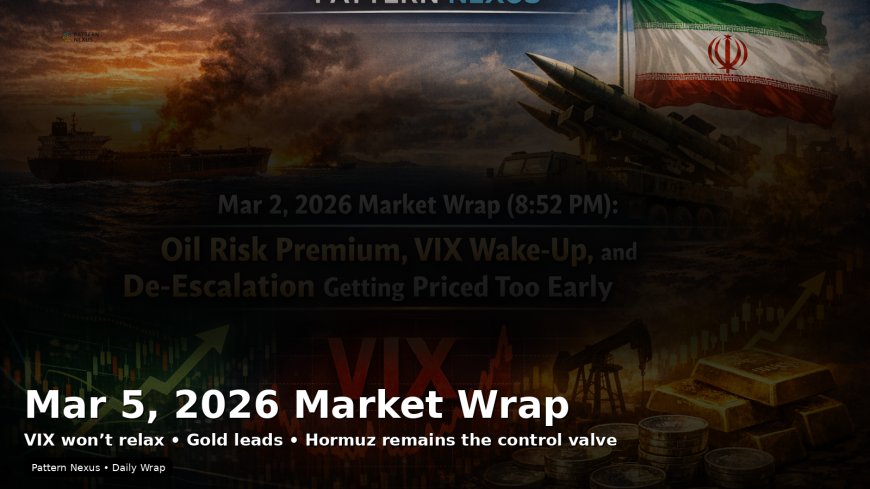
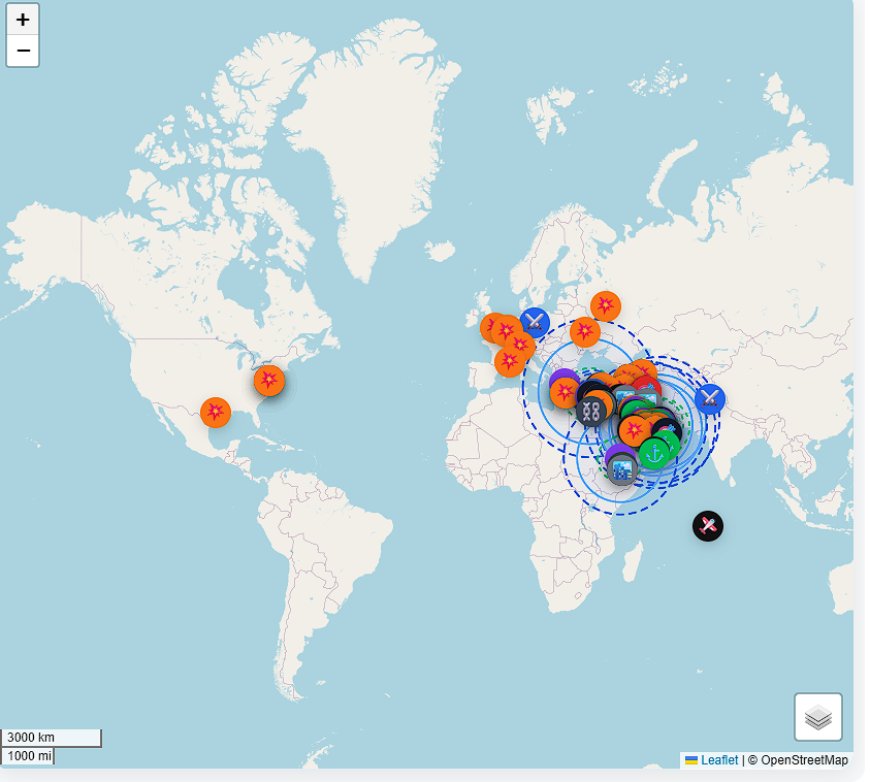

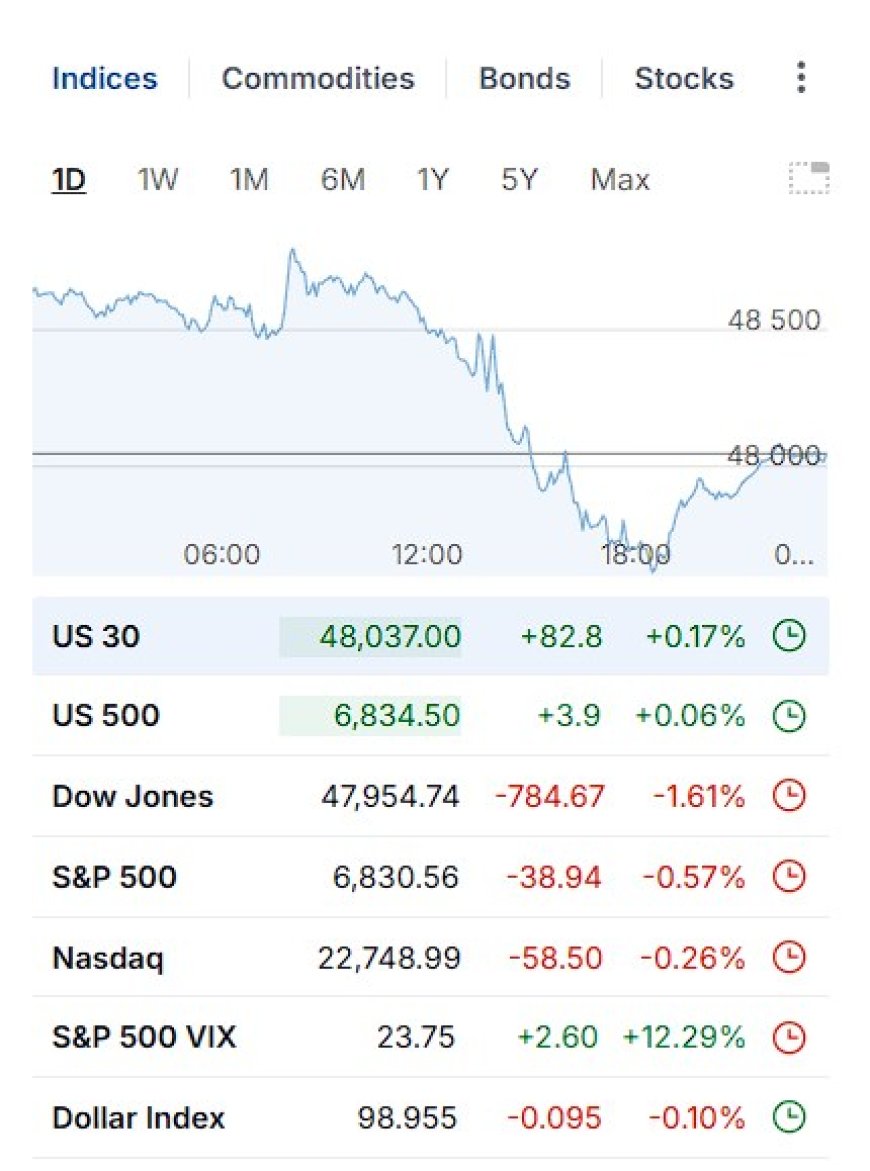
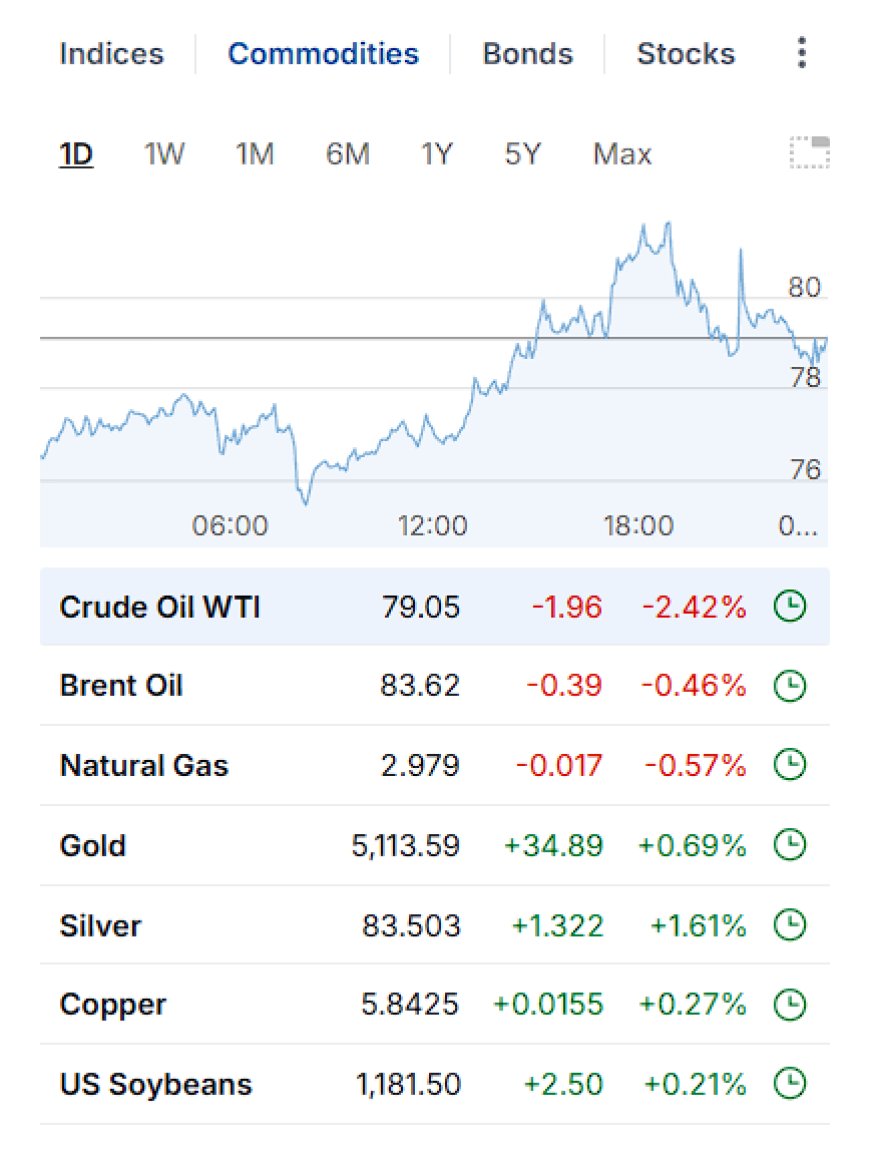
Tonight’s print is the “two-layer market” in a nutshell: the index can be relatively contained, while the hedges refuse to get cheap. Dow is hit harder than Nasdaq, VIX is still elevated, gold and silver are higher, and the dollar isn’t screaming. Oil gave back into the evening, but the bigger point is this: the risk premium is no longer only a headline story. It’s embedded in behavior (shipping, insurance, routing decisions, and what participants are willing to move through the Gulf). That’s why “de-escalation priced” keeps failing to translate into “risk removed.”
If the index is contained while VIX stays elevated and metals stay firm, you’re looking at “stability optics” sitting on top of active tail-risk pricing.
The market can “price peace” in minutes. The physical layer can’t. The constraint is shipping + insurance + routing, not vibes.
When energy is a control input, the Strait-of-Hormuz layer acts like a valve. Partial closure doesn’t need a full “blockade headline” to stress the system.
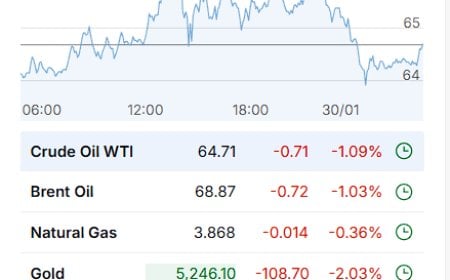
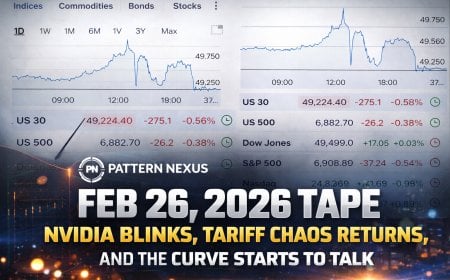
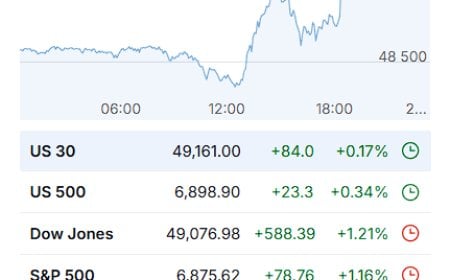
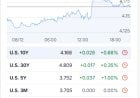
Snapshot: The Screens (8:40 PM)
This wrap is built from your point-in-time screenshots. In a geopolitical tape, the intraday path matters as much as the close.
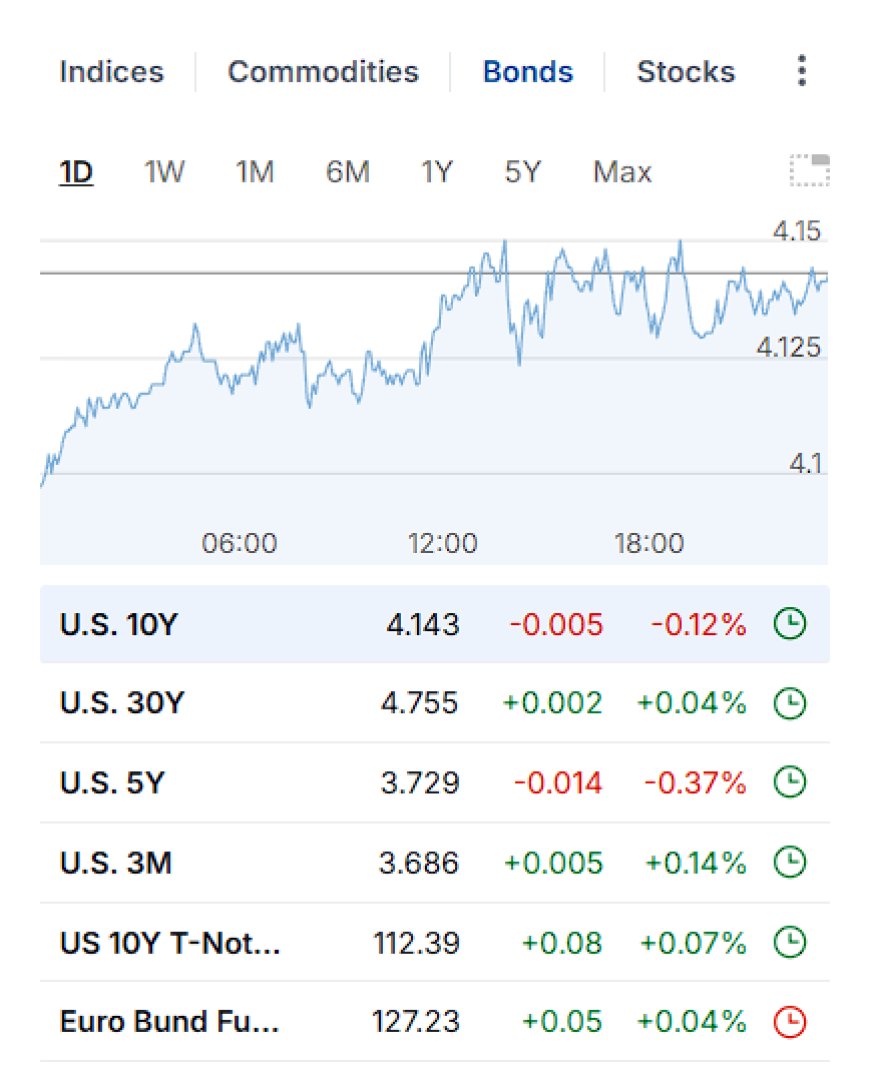
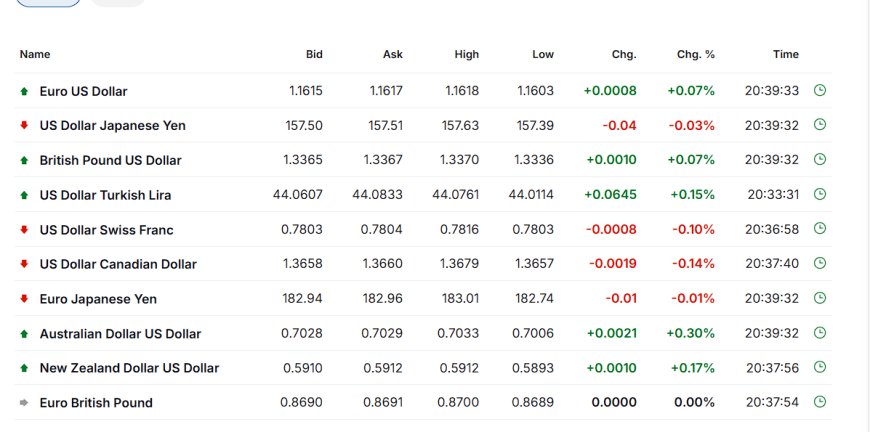
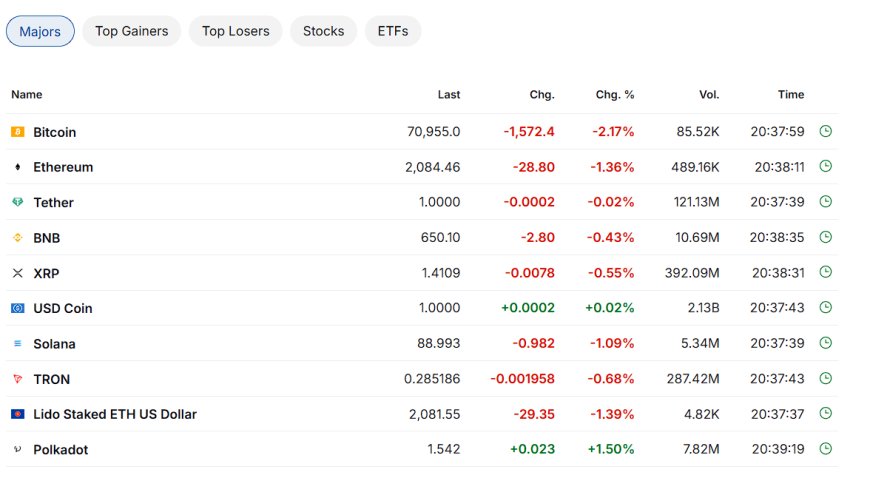
What Changed Today: The “Hedge Layer” Stayed Loud
The clean “risk-off” picture would look like: equities down hard, dollar up hard, yields up hard, credit widening fast. That’s not what we have. Instead, we have a more dangerous regime: the surface stays relatively contained while protection stays expensive and hard assets refuse to soften.
That’s why I keep hammering the same point: the market is still trying to price a quick normalization outcome, but it’s not confident enough to stop paying for tail protection. That’s a fragile equilibrium because it only works until a new constraint shows up in the physical layer.
VIX elevated + gold/silver firm + dollar not screaming = the market is hedging a disruption it cannot confidently map. That’s not “calm.” That’s “contained anxiety.”
Oil, Metals, and the Risk Premium That Won’t Die
Oil is choppy because the market is trying to solve two opposing forces at once: “supply risk premium” versus “demand shock / growth scare.” The mistake is thinking a pullback means the premium is gone. In this regime, the premium is increasingly a behavioral premium, not just a price chart.
Here’s the model: if ships won’t transit, insurers won’t quote clean coverage, and cargo owners won’t accept routing risk, then throughput gets constrained even without a formal closure headline. That’s why metals are acting like the honest narrator. Gold and silver staying firm is the market admitting the uncertainty is structural, not just a headline.
Silver’s strength matters in particular because it’s not only fear-hedge behavior, it’s also “industrial scarcity” narrative behavior. When both narratives can bid at once, you’re looking at a system that’s simultaneously pricing risk and pricing future buildout constraints.
Rates + Dollar: Not a Panic Tape, Not a Relief Tape
Rates staying relatively steady while VIX stays high is a classic sign of a tape that’s being managed by competing expectations: “inflation risk from energy” versus “growth risk from disruption.”
On the Fed side, this is exactly where the market gets ahead of itself. If inflation is sticky and energy stays a constraint, the “cuts fix everything” story can get delayed fast. That’s why I treat front-end stickiness as a warning flag. It’s not screaming, but it’s not relaxing either.
The dollar being mixed-to-soft matters too. In a true liquidation, DXY tends to spike as funding stress shows up. If DXY isn’t spiking while VIX is elevated, it suggests this is still more “repricing and hedging” than “forced unwind.”
Equities: Dispersion, Microcap Energy Optionality, and Air Pockets
This is not a unified tape. It’s dispersion. Mega-cap can hold together while the internals show stress and weird pockets go vertical. That’s what your screens show.
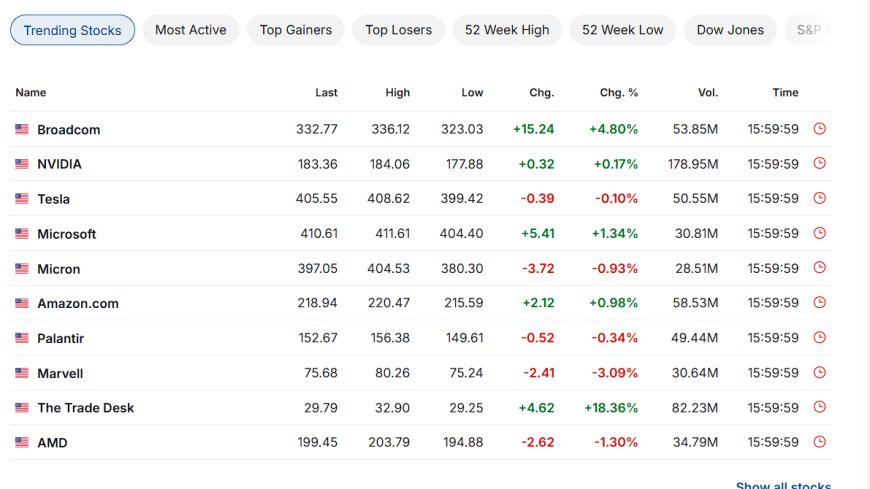
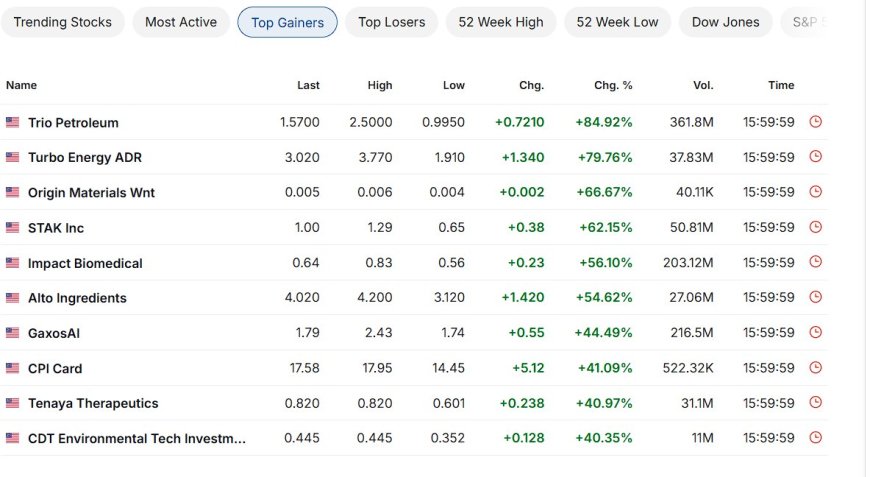
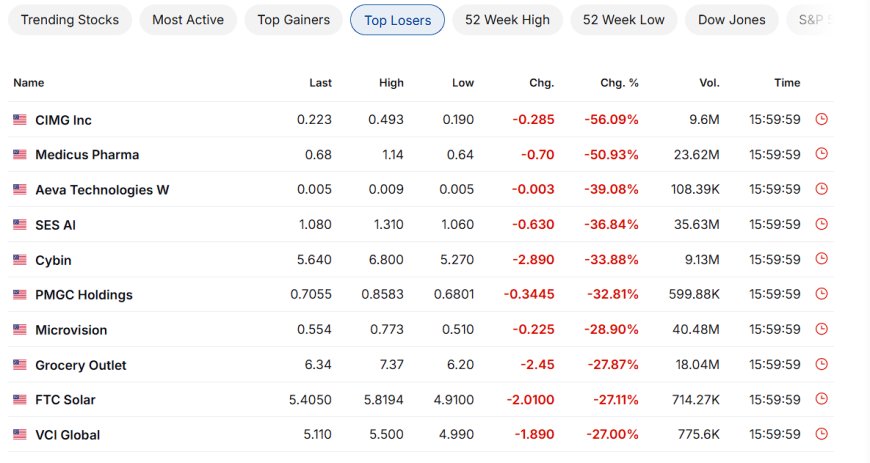
This is why I call it a plumbing tape: serious money is hedging and rationing risk while the casino still plays in pockets. Dispersion can persist longer than people think, and then it breaks fast when the constraint finally hits the broad index.
China Lens: Energy Security + Oil Flow Control
Here’s the part the market keeps underpricing: this conflict isn’t just “regional.” It sits on top of Asia’s energy dependency stack. And in that stack, China is the gravity well.
Columbia’s estimate is blunt: roughly 45–50% of China’s crude imports transit the Strait of Hormuz. That’s not a headline risk. That’s a throughput dependency. If the valve tightens, the shock doesn’t stay local — it transmits into freight, insurance, inflation expectations, and policy reaction.
The Strait doesn’t need to be “closed” to function like closure. The valve tightens when operators won’t transit, insurers won’t quote, crews refuse the run, or routing becomes economically irrational. That is a behavioral blockade, and markets historically misprice it until it shows up as persistent inflation pressure.
Why China is the pivot actor
- Demand gravity: Asia is structurally dependent on Middle East grades; refinery configurations and import reliance make substitution slower than headlines imply.
- Exposure math: A large share of China’s seaborne crude flows through Hormuz, meaning “regional shipping risk” becomes “China macro risk” very quickly.
- Policy posture: Beijing has already framed this as energy-security risk and has publicly urged protection of Hormuz transits — that’s the diplomatic precursor to action.
China’s response ladder (what “securing oil flows” actually means)
Most people imagine “China sends warships.” That’s not step one. China has a full ladder of actuators, and they usually climb it in the least escalatory order.
- Financial backstop: state-directed insurers / reinsurance support to keep voyages insurable when private cover cancels or prices go nonlinear.
- Procurement reroute: shift marginal barrels via Russia, Central Asia, West Africa; increase use of “on-the-water” storage, bonded inventory, and flexible blending.
- Diplomatic pressure: direct leverage on Tehran (economic partner) plus “all sides” de-escalation pressure framed as maritime safety.
- Convoy logic: expand escort patterns (anti-piracy precedent) into Gulf approaches; not “offensive,” but “merchant protection.”
- Hard security overlay: ISR sharing, UAV coverage, air-defense coordination with Gulf partners, private security scaling, port protection.
- Escalation edge case: China treats interference with Chinese-flagged / China-bound energy shipments as a red-line and openly projects force to guarantee passage.
The dangerous part: deconfliction failure
If China escalates from diplomacy into “escort/convoy,” you add a new risk: multiple militaries operating in the same constrained maritime box. Even if everyone claims “defensive,” a crowded battlespace increases misidentification, signaling mistakes, and retaliatory chain reactions.
China “securing flows” can reduce the oil premium at the margin, but it can also raise the systemic tail risk by increasing the number of armed actors inside the valve. The tape can look calmer while the system becomes more brittle.
Scenario Matrix: Where This Can Go
These aren’t predictions in the fortune-teller sense. They’re pathways. The market price is the weighted average of pathways, and right now it keeps overweighting “fast normalization.”
Scenario A: Persistent Friction (most likely if strikes continue but no formal closure)
- Physical layer: transits continue but with interruptions; insurers price aggressively; rerouting and convoy behavior grows.
- Market signature: VIX stays supported, gold/silver stay firm, oil oscillates but holds a floor, equities show dispersion not collapse.
- Macro spillover: “cuts fix everything” narrative gets delayed as energy re-enters inflation expectations.
Scenario B: Escalation Without Closure (more vessel hits, higher interference, higher insurance stress)
- Physical layer: fewer willing operators; cover cancellations accelerate; freight spikes; delays become the story.
- Market signature: oil up, vol up, dollar starts to firm, credit quietly tightens, “safe” equities hold longer than internals.
- China angle: Beijing shifts from “urge protection” to “necessary measures” with visible escort/underwriting actions.
Scenario C: Effective Partial Closure (behavioral blockade)
- Physical layer: the Strait is legally open but functionally constrained; flows move, but at materially lower throughput.
- Market signature: oil risk premium becomes sticky; inflation expectations rise; rates stop cooperating; multiples compress.
- China angle: strong incentives for convoy + insurance backstop; heightened risk of multi-military congestion.
Scenario D: Containment + Credible Normalization (the “market wants this” path)
- Physical layer: incident frequency collapses; insurers restore cover; transits normalize; freight relaxes.
- Market signature: VIX compresses, metals fade, oil gives back premium, equities broaden.
- Reality check: this pathway requires the physical layer to confirm — not just a diplomatic headline.
If Scenario A persists, markets can “look fine” while the system degrades. If Scenario B/C emerges, repricing usually starts in oil + vol, bleeds into rates, then hits equities + credit. The market is currently treating B/C as a tail — but it keeps paying for it anyway.
Risk Dashboard: Signals That Matter
If you want to know which scenario we’re moving toward, stop watching vibes and start watching constraints. The physical layer leaves fingerprints.
1) Shipping + Insurance (the real valve sensors)
- War-risk premium behavior: is cover returning, or are cancellations spreading?
- P&I club notices: are terms tightening, exclusions expanding, or transit guidance escalating?
- Transit counts: do crossings keep falling on high-risk days (behavioral blockade evidence)?
- Freight rates: VLCC/LR2 spikes and reroute surcharges are “constraint inflation.”
2) China-specific triggers (watch these like a hawk)
- Language shift: “urge restraint” → “ensure energy security” → “take necessary measures” → “protect Chinese shipping.”
- Escort visibility: announcements, task-group repositioning, convoy patterns, port-call signaling.
- State insurance moves: explicit backstops that override private-market cancellation behavior.
- Refinery behavior: run cuts, drawdowns, emergency stock use, and substitution bids.
- Diplomatic leverage: China pressure on Tehran framed as keeping the waterway open.
3) Market tells (the hedge layer)
- VIX staying bid while indexes “hold” = denial with a hedge.
- Gold/silver staying firm = uncertainty is structural, not a one-day headline.
- DXY behavior: if it starts rising while equities soften, funding stress is entering the system.
- Credit spreads: they widen before the index breaks. Watch them early.
If the physical layer stays constrained, the market can’t “narrative” its way out of the risk premium. China is the pivot because its demand gravity forces action. The big swing variable is whether China stays in diplomacy + underwriting, or climbs into convoy/escort logic — because that changes both the oil premium and the tail risk.
Pattern Nexus Lens
Think of the system as three stacked layers that update at different speeds. The narrative layer updates instantly (headlines, statements, “talks”), the market layer updates quickly (options repricing, sector rotation), and the physical layer updates slowly (shipping routes, insurance coverage, port operations, refinery/LNG throughput).
Most market mistakes happen when people treat the narrative layer as if it automatically rewrites the physical layer. It doesn’t. The physical layer is the hard constraint. It’s the boundary condition that determines how much “normal” the system can actually output.
In this conflict, the Strait-of-Hormuz region functions like a control valve for global energy and shipping throughput. You don’t need a formal closure headline for the valve to effectively tighten. All you need is a combination of: (1) credible strike risk, (2) degraded navigation / interference, (3) insurers repricing or withdrawing war-risk cover, (4) operators deciding the expected value is negative.
That’s why the market’s behavior tonight makes sense: equities can pretend “contained,” but volatility and metals refuse to confirm the story. The market is paying up for protection because it knows the constraint is not fully under financial control.
This is “stability optics + tail-risk pricing.” As long as the physical layer stays partially constrained, the risk premium can keep reappearing even after pullbacks. The unwind only gets clean when shipping + insurance normalize, not when headlines say “calmer.”
What I’m Watching Next
- VIX: does it stay elevated above the low-20s band, or finally compress?
- Oil: does the pullback hold, or do we reprice higher on new shipping/insurance constraints?
- Metals: gold/silver behavior versus equity “optics.” If metals stay bid, uncertainty is still structural.
- Rates: front-end stickiness (inflation risk) versus long-end growth scare (disruption risk).
- Dollar: if DXY starts rising while equities soften, funding stress may be entering the tape.
- Shipping/insurance layer: any sustained normalization in transits, cover availability, and freight rates.
- Crypto: BTC around ~$70K is a sentiment line. Breaks tend to spill into broader risk posture.
Sources
High-signal anchors for the conflict / shipping / insurance / macro layer referenced in this wrap.
- Reuters (Mar 5): Wall Street closes down as conflict enters day 6; oil/inflation worries
- Reuters (Mar 2): Shipping disruption; tankers damaged/stranded
- Reuters (Mar 4): Gulf shipping crisis deepens; tankers stranded
- Reuters (Mar 2): Marine insurers cancel war-risk cover; freight/shipping costs surge
- JMIC Advisory Note (Mar 1): Risk level CRITICAL; incidents and guidance
- UKMTO Advisory (Feb 28 update): Elevated military activity and interference guidance
- Reuters (Mar 4): Marsh meets U.S. officials on restoring Gulf maritime trade
- Reuters (Mar 5): U.S. labor market holding steady; productivity strong
- Reuters (Mar 5): Barkin on sticky inflation and risk outlook
Qual é a sua reação?
 Curtir
0
Curtir
0
 Não gostei
0
Não gostei
0
 Amor
0
Amor
0
 Engraçado
0
Engraçado
0
 Uau
0
Uau
0
 Triste
0
Triste
0
 Bravo
0
Bravo
0

Founder of Pattern Nexus. I research markets, macro, geopolitics, AI, history, ancient systems, and the patterns most people overlook. I’m also building Market Radar, a trading scanner designed to read pressure, risk, confirmation, and setup quality before chasing a move. Pattern Nexus is where I connect the dots between data, history, technology, and the bigger system playing out around us.










Comentários (0)