
Markets Navigate Volatility as Japan Bubble Fears Rise and U.S. Shutdown Threatens SNAP – Nov 3, 2025
Markets enter November balancing AI-driven optimism, rising bond yields, and weak breadth. Japan’s Nikkei echoes 1980s bubble risks while the U.S. shutdown threatens SNAP food benefits for 41M+ Americans if funding lapses into December.
Markets Strain as Shutdown Deepens, SNAP Crisis Emerges, and Japan’s Bubble Ghosts Return — Nov 2025
Markets are trying to look forward. The system keeps pulling them back to reality. Bond markets aren’t buying the optimism narrative, Japan is flirting with echoes of its 1980s mania, and the U.S. shutdown — now well past the “temporary” phase — just forced emergency intervention to partially fund food benefits for November, with December hanging by a thread. This isn’t about events — it’s about infrastructure stress, political entropy, and a system increasingly defined by fragility.
Bond Market Still Calling the Bluff
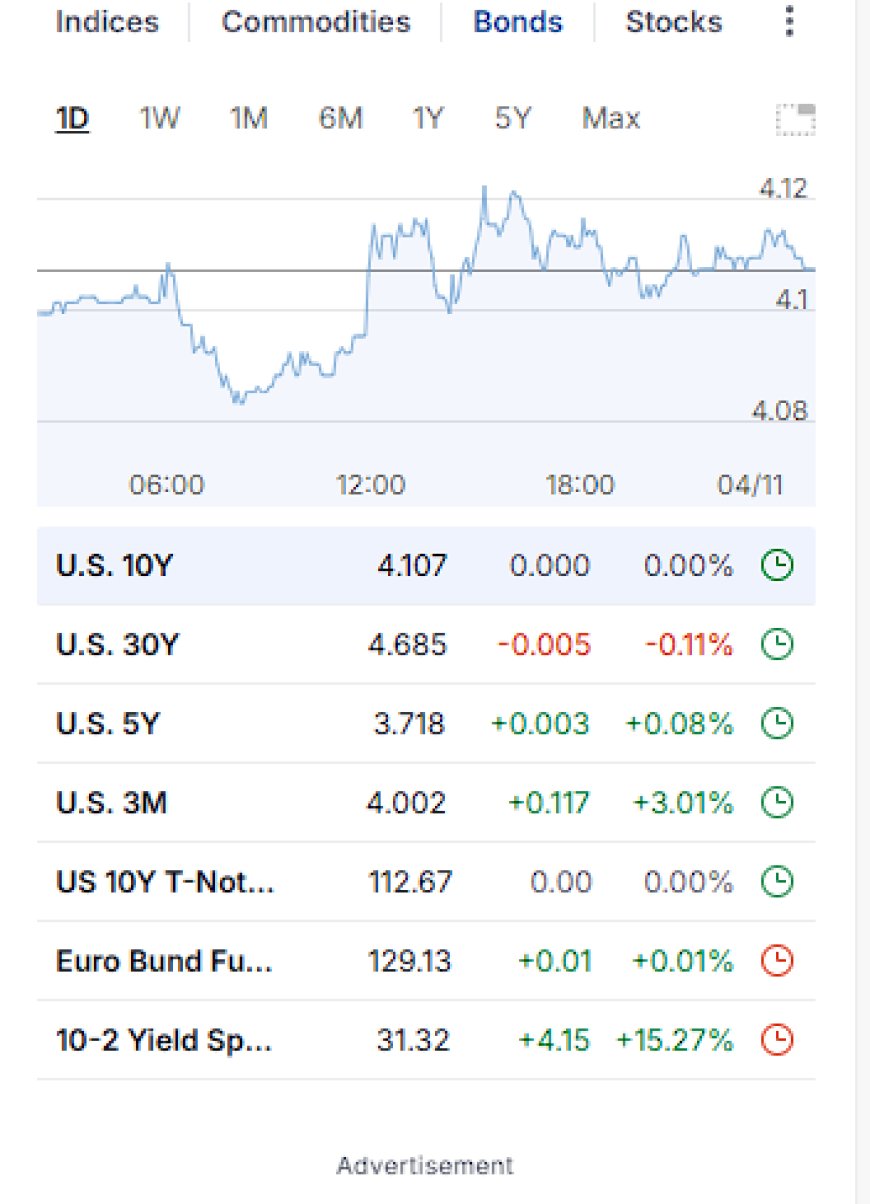
The Fed cut 25 bps on Oct. 29 and spent the press conference telling markets not to celebrate. The market listened — then ignored them — then snapped back. The U.S. 10-yr yield attempted to fall through 4.0%, failed, and is grinding back above 4.10%, erasing much of October’s rally.
Tech remains the psychological anchor, but breadth keeps decaying and volatility is creeping higher — a sign liquidity is more brittle than the headlines suggest. We’re not pricing euphoria — we’re pricing indecision, stress, and credit-curve uncertainty.
Japan’s Shadow Memory of the 1980s
Japan’s Nikkei finally cleared its 1989 peak earlier this year — a level once considered mythical. But when a central bank that spent a decade trying to ignite inflation says there are signs of overheating, that matters.
For reference:
Japan’s 1980s bubble mania recap — Reuters
BOJ warns of overheating — Reuters
This isn’t the late-80s. Corporate governance, demographics, and capital flows are different. But speculative behavior rhymes, and policy makers remember the aftermath — decades of stagnation.
Shutdown Reality Check: From Threat to Impact
The U.S. shutdown that began Oct. 1 is no longer a “Washington drama.” It is now a structural stress event. Food assistance for more than 41 million Americans was set to lapse Nov 1. Only emergency court rulings forced partial distributions: households will receive about 50% of normal SNAP benefits for November.
Not full benefits. Not guaranteed beyond November.
- Federal judges order emergency SNAP funding — AP
- USDA: Only partial SNAP funding — ABC News
- USDA limits emergency taps — Washington Post
Several states warned food banks are already strained. Texas, Florida, and others haven’t committed stop-gap funds — putting holiday-season food security at real risk.
Meanwhile, prediction markets are telling a different story than cable news:
- ~40% probability shutdown runs past Nov 16 — Polymarket
- ~56% odds it lasts beyond 40 days — Kalshi
Courts & States Are Now Backstopping Washington
This isn’t “politics.” It’s system function failure. Two court rulings forced USDA to release contingency funds. New York declared a state of emergency to support food banks and allocated $65M.
New York emergency food assistance — Reuters
The federal government is now being backstopped by courts and governors — the same dynamic we see in financial crises. Safety nets are showing seams. December benefits are not guaranteed if the shutdown continues.
The Real Risk: Consumer Floor Cracking
Markets are pretending this is noise. It isn’t. Lower-income consumers are already the pressure valve in this cycle — credit usage up, delinquencies inching, savings exhausted.
Lower-income consumer strain — Reuters
A shutdown-induced delay or reduction in food benefits is not “sentiment risk” — it’s real-time consumption drag, social destabilization, and political volatility.
We saw this playbook in 2018-19, but the system had slack. This time, labor heat, energy pricing, sovereign debt constraints, and political fragmentation all amplify each other.
Outlook: A Market Priced for Innovation, Not Dysfunction
AI-led dreams vs. government credit stress and household fragility. Japan’s speculative memory vs. America’s fiscal gridlock. We are pricing the future as if the plumbing can’t break — while the plumbing is already groaning.
If December arrives without resolution, SNAP becomes the first major social-infrastructure fracture of this cycle — and markets will not be able to ignore that.
This is not “headline risk.” It’s structural stress signaling.
Sources
మీ ప్రతిస్పందన ఏమిటి?
 ఇష్టం
0
ఇష్టం
0
 ప్రతికూలం
0
ప్రతికూలం
0
 ప్రేమ
0
ప్రేమ
0
 కలుకలు
0
కలుకలు
0
 అబ్బా
0
అబ్బా
0
 దురద
0
దురద
0
 కోపంగా
0
కోపంగా
0

Founder of Pattern Nexus. I research markets, macro, geopolitics, AI, history, ancient systems, and the patterns most people overlook. I’m also building Market Radar, a trading scanner designed to read pressure, risk, confirmation, and setup quality before chasing a move. Pattern Nexus is where I connect the dots between data, history, technology, and the bigger system playing out around us.















కామెంట్లు (0)