
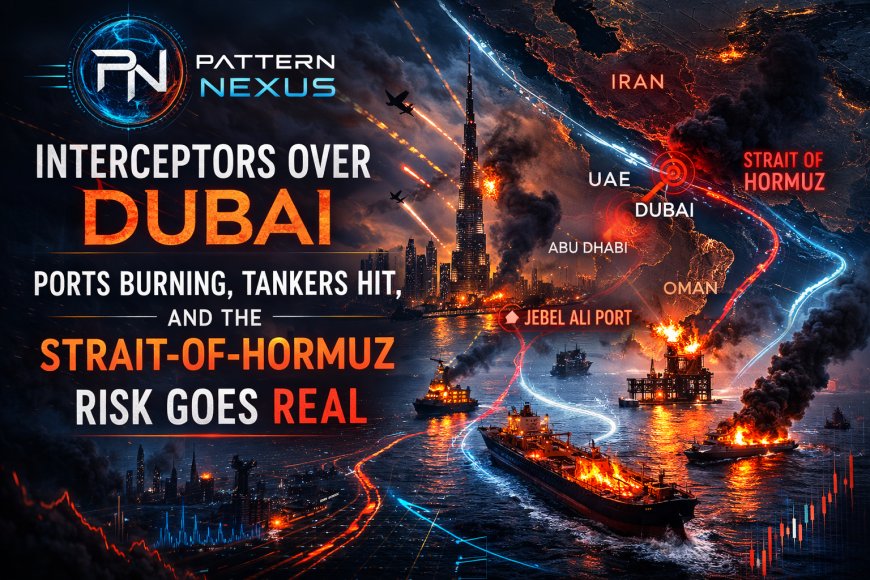
Interceptors Over Dubai: Ports Burning, Tankers Hit, and the Strait-of-Hormuz Risk Goes Real
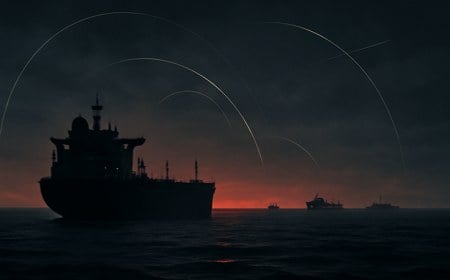
Dubai and Abu Dhabi absorb debris impacts as Iranian retaliation widens. Tankers are hit, ports pause operations, ships anchor by the hundreds, and the Strait-of-Hormuz risk shifts from theory to live-fire reality.

Update: New Escalation Signals (2:50pm CST March 1)
What’s Confirmed vs What’s Noise
I’m going to keep this grounded: confirmed where it’s confirmed, “reported” where it’s only circulating, and clearly labeled when it’s still fog. If you’re reading this in real time, internalize the rule: early reporting is always partial, often wrong, and almost always behind what people are watching live.
The second rule is even more important: the words used by governments and militaries are designed for policy space. “No damage” often means “no mission-impacting damage.” “No casualties” often means “not confirmed or not cleared for release.” “Intercepted” does not mean “no debris,” and it does not mean “no secondary fires.” Interception is a physics event, not a magic spell.
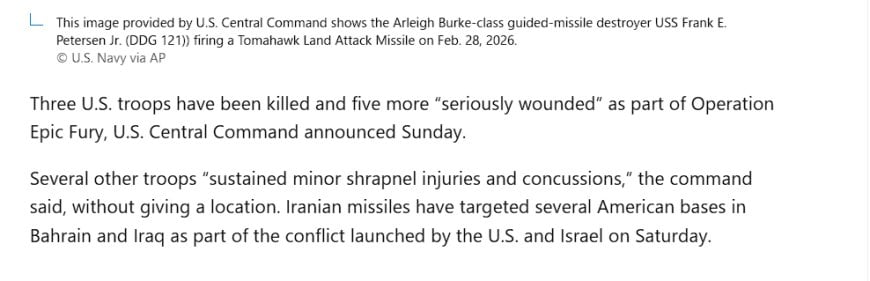
First: confirmed U.S. casualties. U.S. Central Command’s public update (timestamped March 1) states three U.S. service members killed in action and five seriously wounded, with “several others” sustaining minor shrapnel injuries and concussions, and with further details withheld until notifications are complete. That’s the cleanest hard data point on U.S. losses available right now.
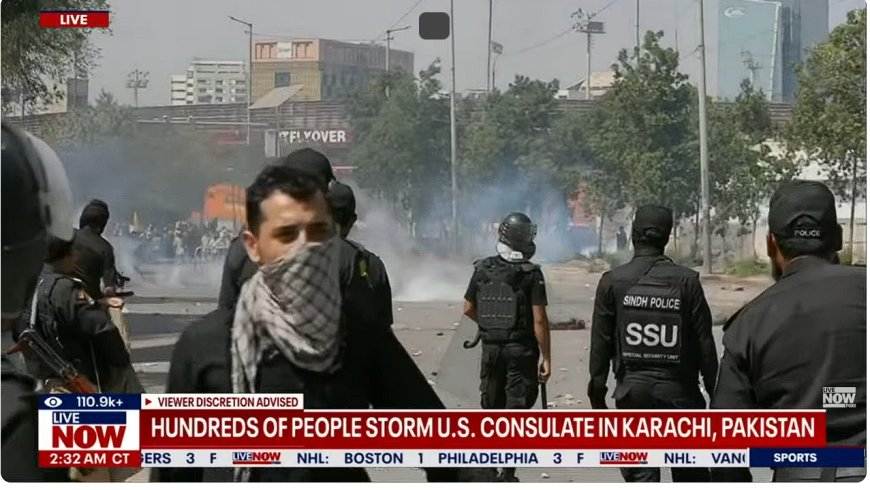
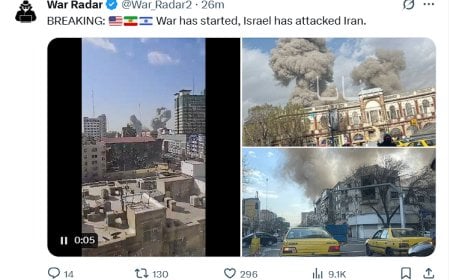
Second: civilian and commercial impacts are no longer hypothetical. Reporting describes debris and shrapnel falling into dense urban environments, damaging civilian infrastructure and injuring people. This is the point where “regional conflict” stops being a map and starts being lived experience inside places that built their entire identity around stability, global tourism, and frictionless commerce.
- U.S. casualties have been publicly confirmed by CENTCOM (3 KIA, 5 seriously wounded, additional minor injuries).
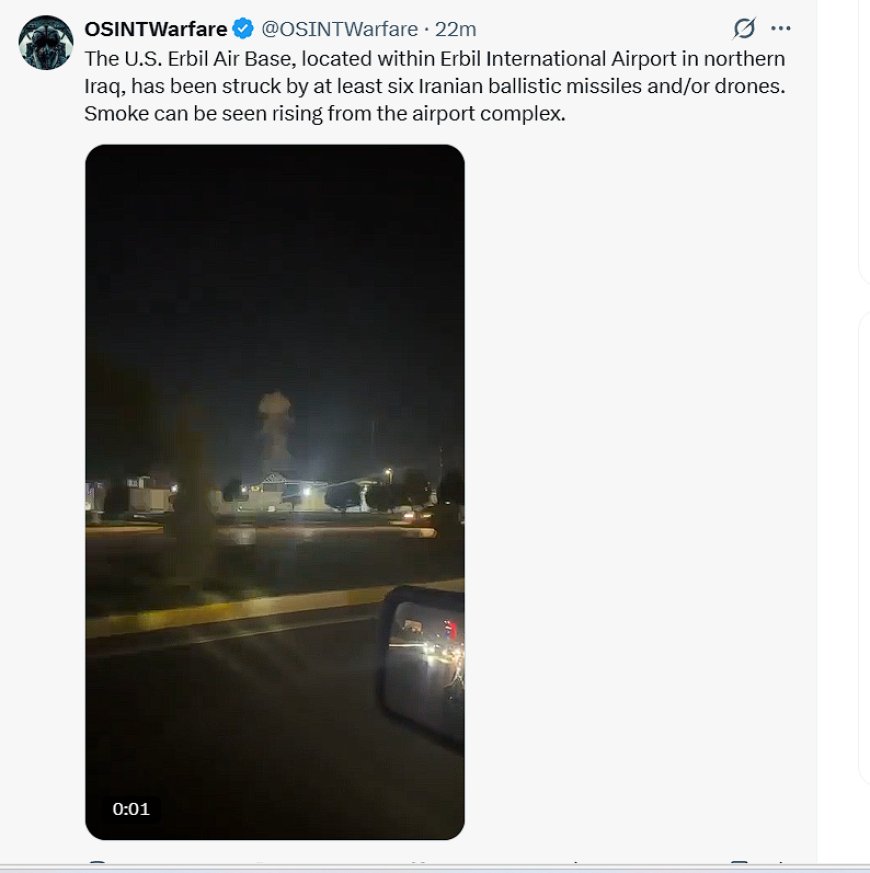
- Impacts in Gulf cities are being reported as debris/shrapnel events tied to intercepts, with injuries and damage in civilian and commercial zones.
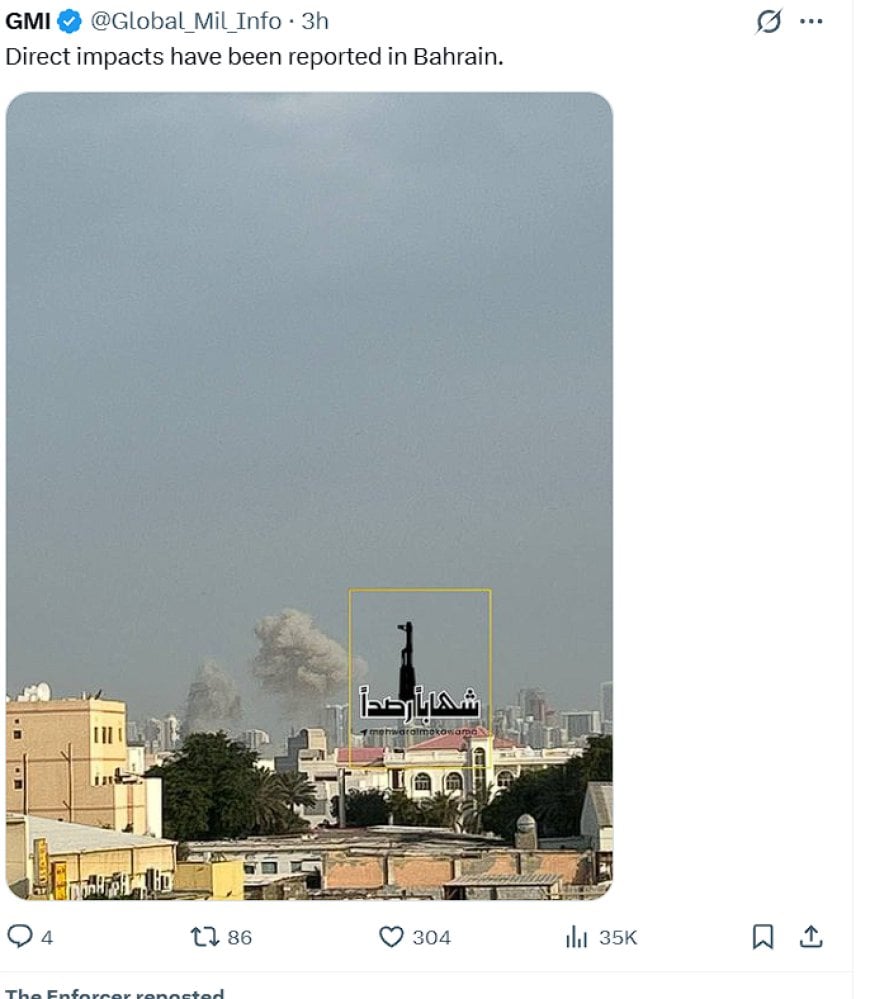
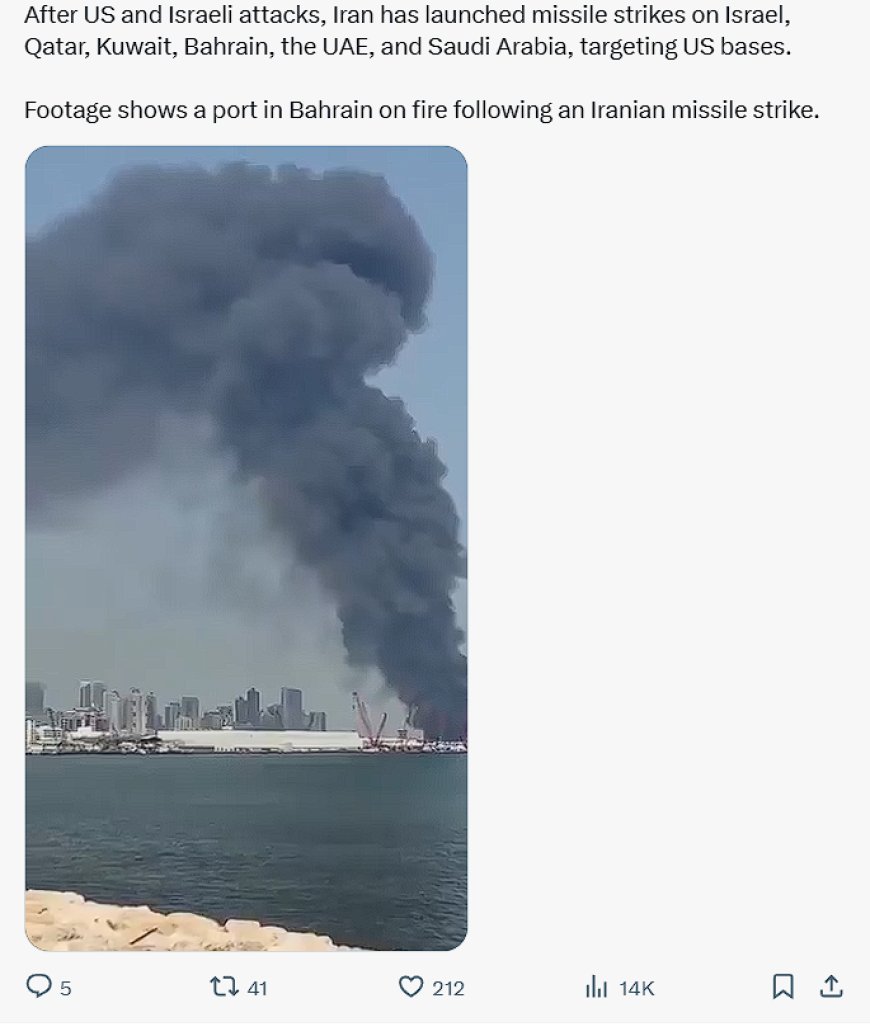
- Ports and port-adjacent infrastructure are inside the threat envelope, and at least one major hub reported pausing operations as fires/smoke/impacts entered the picture.
- Tankers have been hit/damaged near Oman/UAE waters, with injuries and evacuations reported by maritime authorities and major wires.
- Hundreds of vessels are anchoring rather than transiting, and insurers/operators are repricing war-risk in real time.
Interceptors Over Dubai: The Psychological Threshold
People in Dubai have not historically lived under missile intercepts and aerial engagements above their skyline. That changed. And it matters more than the rhetoric, because this is the moment a “safe hub” becomes a “contested node.”
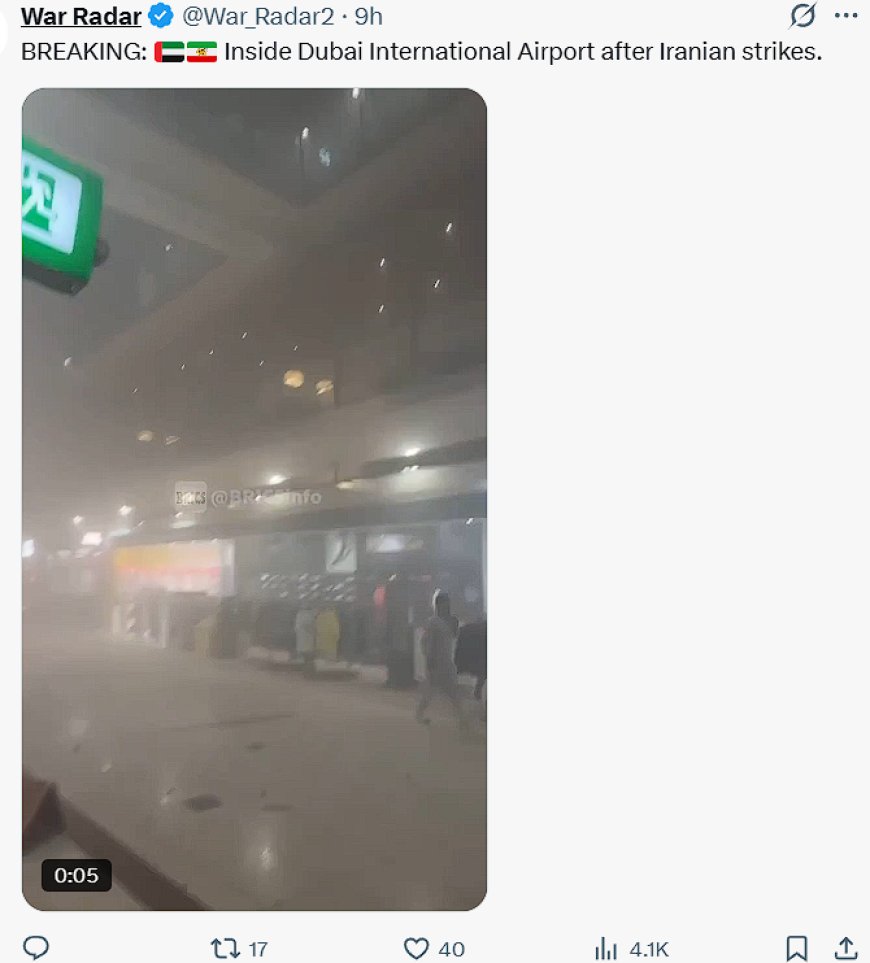
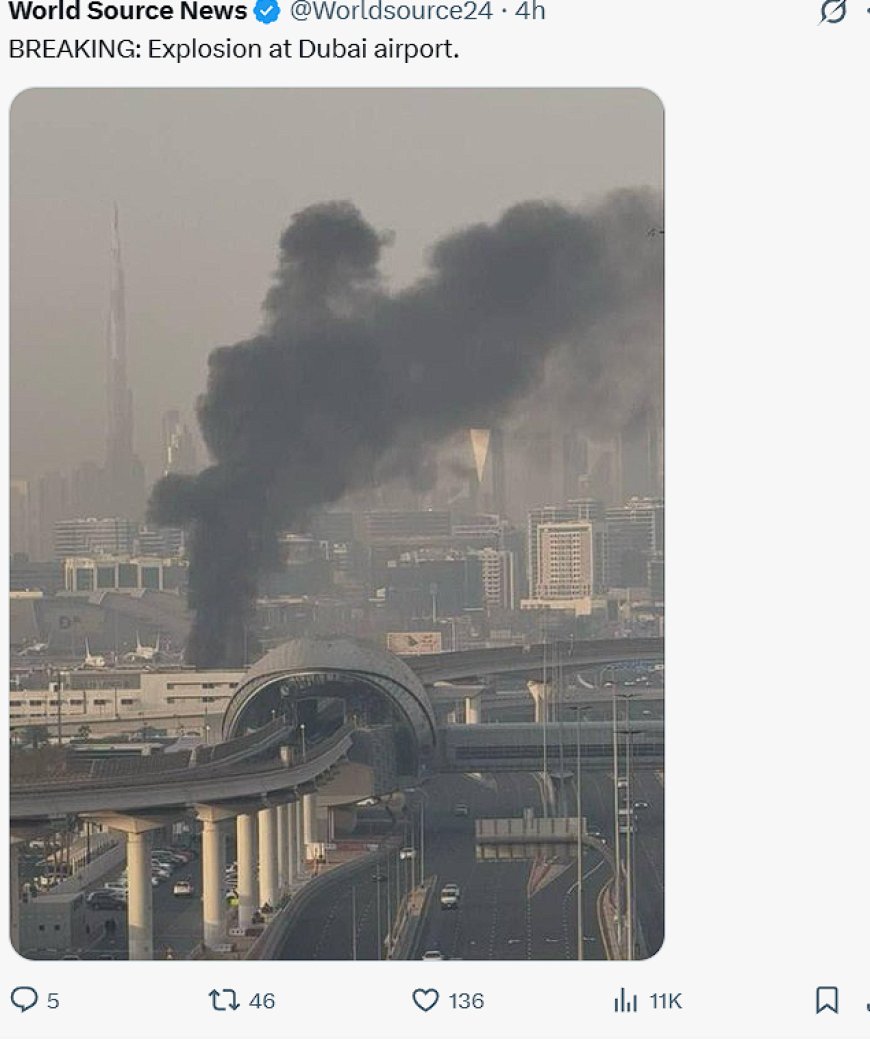
Reporting describes debris/shrapnel impacts damaging hotels and tower complexes, with injuries in civilian zones. It also describes damage around marquee landmarks and high-visibility infrastructure: hotel fires, impacts in luxury tourism districts, and airport-adjacent disruption. Whether the intent was direct targeting or secondary effects of intercepts, the outcome is the same: the population experiences war overhead.
That’s why this stage of escalation is a threshold. When debris is hitting homes, ports, and airports, you’re not looking at “posturing.” You’re looking at spillover mechanics. Cities start shifting behavior: remote work directives, event cancellations, supply runs, traffic thinning, and a quiet, almost uncanny “the aura broke” effect.
This matters because Dubai’s role is not cultural symbolism, it’s function. Dubai is a logistics and finance bridge. It’s a tourism engine. It’s a global transit node. When that node experiences threat conditions, the system reacts in predictable ways: risk committees meet, routes get rerated, insurers reprice, and the “frictionless” brand gets punctured.
Ports, Tankers, and the Strait: The War Touches the Pipes
The most important development is not the loudest headline. It’s that the conflict is now touching shipping and logistics. Once ports pause and hulls start getting tagged, the war has entered the plumbing.
People underestimate how quickly “soft closure” happens. You don’t need an official press conference announcing closure of a chokepoint. You only need enough uncertainty that insurers, operators, and charterers can’t price the risk, and then a critical mass of vessels chooses to wait. The system freezes itself to avoid catastrophic loss.
- Oman’s Duqm commercial port was hit by drones, with injuries reported, and a separate drone incident was reported near fuel tanks (no casualties reported in that specific incident).
- A Palau-flagged tanker (Skylight) was attacked near Oman’s Musandam peninsula with four injured and the crew evacuated, according to Oman’s Maritime Security Centre and major wire reporting.
- Additional tankers were reported damaged across UAE/Oman adjacent waters, including projectile/explosion events and debris damage tied to the wider campaign environment.
Important nuance: even amid claims of “closure,” a lack of internationally confirmed “formal closure” does not prevent practical closure. If operators hear credible VHF claims of closure, if AIS/navigation reliability degrades, if insurers spike war-risk premiums, and if a few high-profile incidents tag tankers, the result is the same: traffic slows, then stalls.
This is how chokepoint crises actually manifest. Not as a clean on/off switch, but as an ugly gradient where each additional incident amplifies caution. One ship waits. Then ten. Then a hundred. Then you have an anchored fleet and an unpriced risk regime.
Escalation Ladder: Bases, Carriers, and the Strait
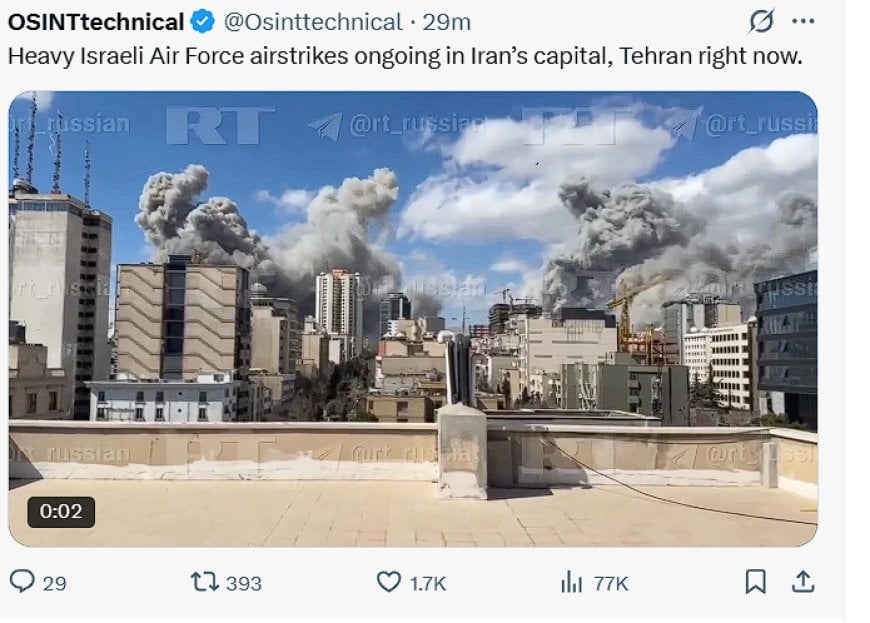
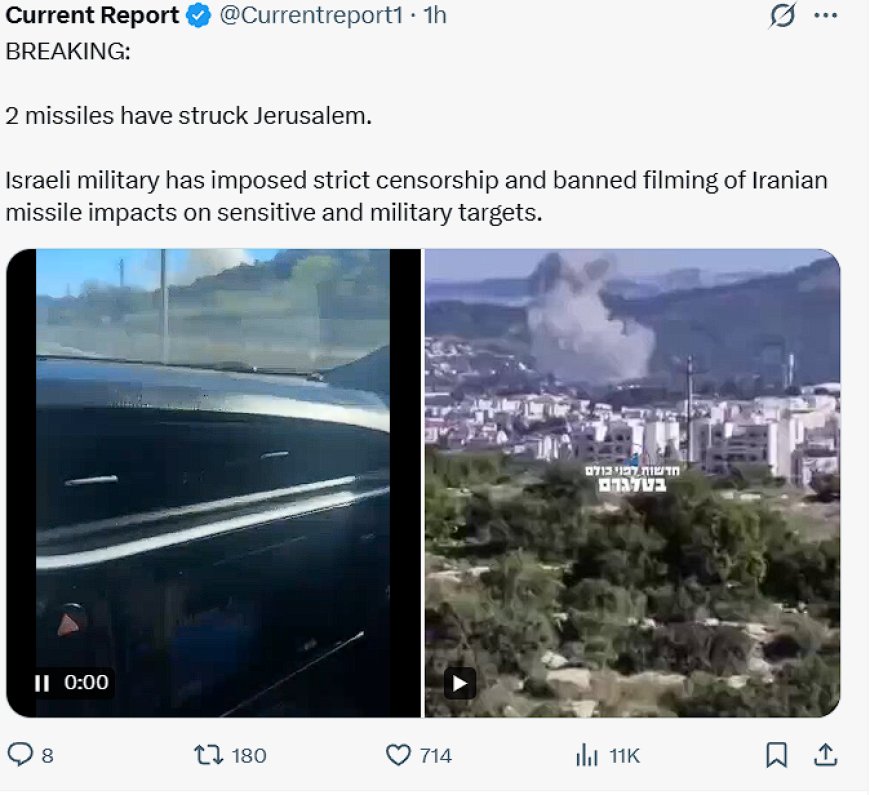
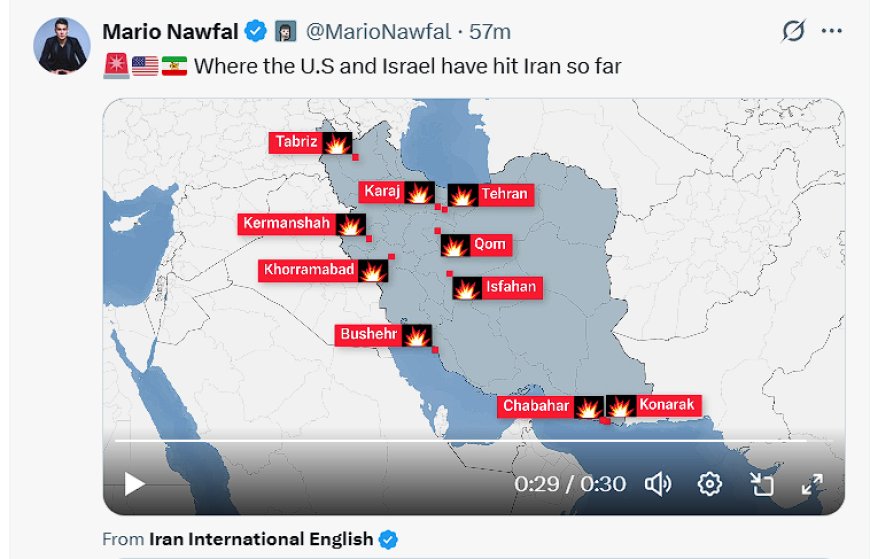
Once you’re in major combat operations, the ladder has a gravity of its own. Bases get hit. Retaliation expands. Then the war moves from military targets to leverage targets. In this region, leverage targets are ports, tankers, pipelines, export terminals, and the Strait itself.
The U.S. casualty confirmation is not just a human tragedy, it’s a policy constraint. When losses move from “reported” to “officially confirmed,” decision-makers lose room to de-escalate quietly. Domestic politics harden. Public expectations shift. Messaging becomes narrower. Options compress.
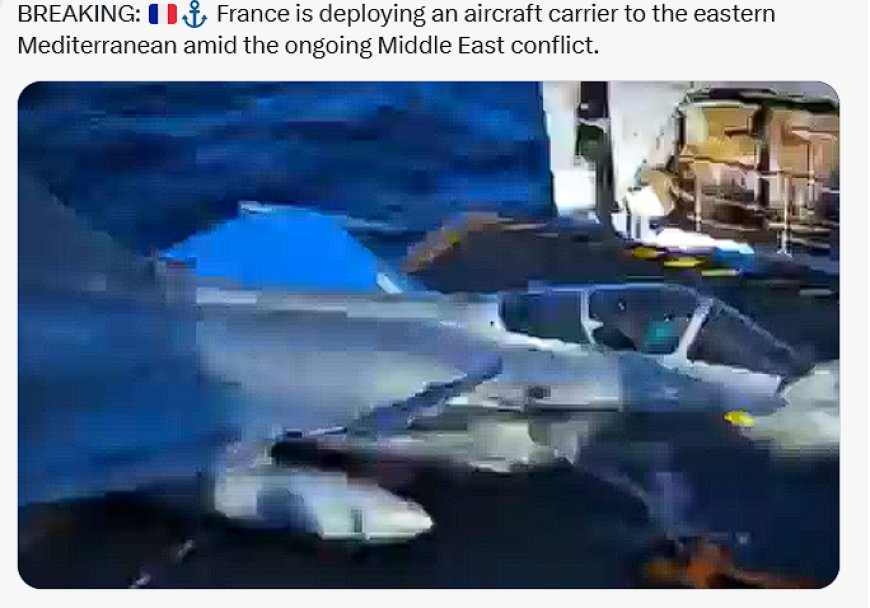
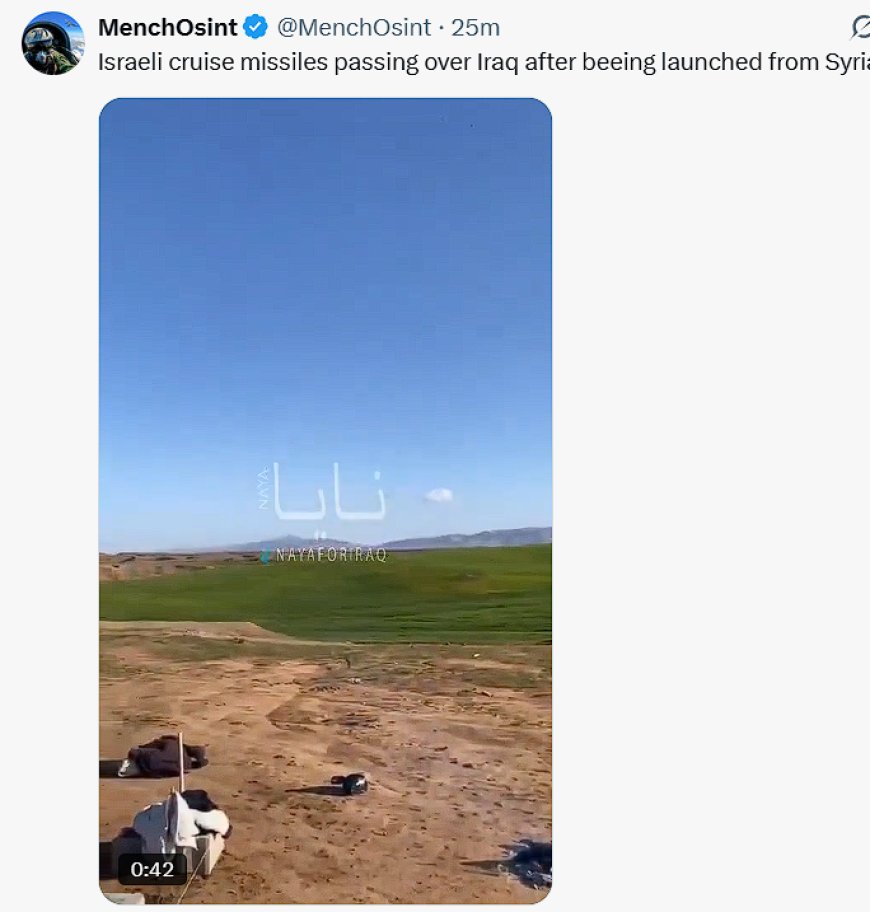
That’s exactly how this should be handled: claim, counterclaim, and then “what’s confirmed.” If a carrier is actually hit, you will not need to guess. The entire world will feel it in minutes. Until then, treat attempted as the operative word, and track distance, intercept reports, and confirmation standards.
Offshore Energy Targets: What We Can and Can’t Verify
Now to the question everyone is asking: are offshore platforms and energy infrastructure being hit? There are viral clips and OSINT posts claiming drones struck an Emirati oil platform. As of this write-up, I still cannot point to clean official confirmation from UAE authorities or ADNOC that an offshore platform was directly hit in the specific incident described in those viral social posts.
What we do have, clearly: energy-adjacent infrastructure is being pulled into the battlespace through ports, bunkering, and transit. Even “only” port smoke, a fire in an industrial zone, or a damaged bunkering vessel matters because it’s the same ecosystem. Shipping fuel supply, port operations, and crew safety policies are upstream constraints on energy delivery.
Reuters previously reported ADNOC stated operations were continuing without interruption on Feb 28. Those facts can coexist with limited damage, debris events, minor fires, or isolated strikes that do not materially disrupt production. The market won’t wait for perfect confirmation, though. Once the idea “platforms can be hit” becomes believable, the risk premium starts moving first.
The Asia linkage is real and underappreciated. EIA has repeatedly noted that the majority of Hormuz crude flows head to Asian markets, with China among the largest destinations. Add to that: China has been a dominant buyer of Iran’s shipped oil under sanctions-era dynamics. If Hormuz throughput gets impaired, it doesn’t just change prices. It changes strategy, bargaining power, and the “how long can this last” calculus for multiple states at once.
The Downstream: Why This Becomes a Markets Event
If Iran starts targeting oil infrastructure at scale, or if the Strait becomes intermittently unusable, you’re not just talking about “higher oil.” You’re talking about war-risk insurance spikes, rerouting delays, refinery feedstock disruptions, airspace shutdowns, second-order supply shocks, and the kind of volatility that bleeds into rates, credit spreads, and liquidity conditions. That’s the transition from a war headline to a macro input variable.
Shipping is already reacting. Major carriers and logistics networks do not wait for perfect information. They respond to risk committees, underwriters, and the basic operational truth that one bad transit can cost a ship, a crew, and a company. Once reroutes start (Suez pauses, Bab el-Mandeb pauses, Cape diversions), the world pays the tax in time, cost, and reliability.
Pattern Nexus Lens
FAQ
Sources
- CENTCOM statement (Operation Epic Fury Update, March 1, 2026): https://www.centcom.mil/MEDIA/STATEMENTS/Statements-View/Article/4418506/operation-epic-fury-update/
- Reuters (Debris impacts; injuries; damage around hotels/airports; smoke/fires near Jebel Ali; DP World pauses port operations, March 1, 2026): https://www.reuters.com/world/middle-east/several-loud-blasts-heard-over-dubai-doha-second-day-witnesses-say-2026-03-01/
- Reuters (Duqm port hit; tanker Skylight attacked off Musandam; Oman Maritime Security Centre details, March 1, 2026): https://www.reuters.com/business/energy/oil-tanker-hit-off-oman-coast-after-drones-strike-duqm-port-2026-03-01/
- Reuters (Three tankers damaged; UKMTO explosion report; MARAD warning; war-risk repricing context, March 1, 2026): https://www.reuters.com/business/energy/three-tankers-damaged-gulf-us-iran-conflict-escalates-2026-03-01/
- Reuters (Hundreds of ships anchor; tanker clustering beyond the Strait; navigation/closure uncertainty, March 1, 2026): https://www.reuters.com/business/energy/hundreds-ships-drop-anchor-middle-east-gulf-us-war-iran-escalates-data-shows-2026-03-01/
- Reuters (Global shipping response: reroutes/surcharges; Suez and Bab el-Mandeb pauses; conflict spillover into lanes, March 1, 2026): https://www.reuters.com/world/global-shipping-companies-divert-vessels-around-cape-of-good-hope-after-strikes-on-iran-2026-03-01/
- Reuters (ADNOC says operations continuing without interruption, Feb 28, 2026): https://www.reuters.com/business/energy/adnoc-says-operations-continuing-without-interruption-2026-02-28/
- Reuters (How US-Iran tensions could shape world markets; oil price and inflation sensitivity framing, Feb 28, 2026): https://www.reuters.com/business/how-us-iran-tensions-could-shape-world-markets-2026-02-28/
- Reuters (China’s reliance on Iranian oil flows, Jan 13, 2026): https://www.reuters.com/business/energy/chinas-heavy-reliance-iranian-oil-imports-2026-01-13/
- USNI News (Operation Epic Fury casualty reporting and context, March 1, 2026): https://news.usni.org/2026/03/01/3-u-s-service-members-killed-5-seriously-wounded-in-operation-epic-fury
- EIA (Strait of Hormuz chokepoint math; flows and destinations): https://www.eia.gov/todayinenergy/detail.php?id=65504
- EIA (Hormuz flows to Asia and destinations): https://www.eia.gov/todayinenergy/detail.php?id=39932
- OSINTWarfare post claiming Emirati oil platform strike (unverified OSINT): https://x.com/OSINTWarfare/status/2028124461606551788
Яка ваша реакція?
 Подобається
0
Подобається
0
 Неподобання
0
Неподобання
0
 Любов
0
Любов
0
 Смішно
0
Смішно
0
 Ух ти
0
Ух ти
0
 Сумно
0
Сумно
0
 Злий
0
Злий
0

Founder of Pattern Nexus. I research markets, macro, geopolitics, AI, history, ancient systems, and the patterns most people overlook. I’m also building Market Radar, a trading scanner designed to read pressure, risk, confirmation, and setup quality before chasing a move. Pattern Nexus is where I connect the dots between data, history, technology, and the bigger system playing out around us.











Коментарі (0)