
Week Ahead (Mar 16–20, 2026): Central Bank Cluster, War-Risk Premium, and a Market Trading Constraints
Week Ahead (Mar 16–20, 2026): This is a constraint week. Oil risk premium is back, DXY is parked near 100, yields are still restrictive, and central banks have to react without pretending energy isn’t inflationary. Here’s the Pattern X map: what matters, what breaks what, and the if/then triggers for the next 5 sessions.
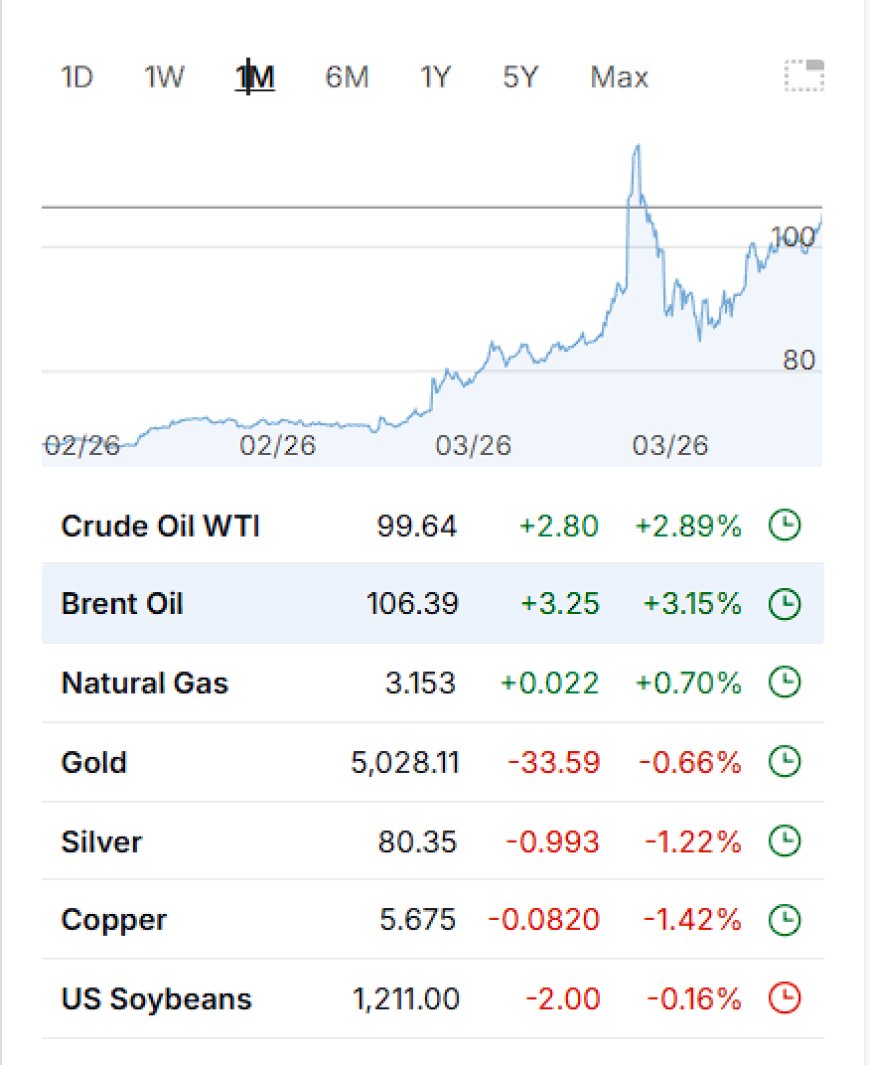

This is a constraint week. Central banks meet into an energy shock. The Fed is the anchor, but it’s not alone: BoJ, ECB, BoC, BoE, SNB, and RBA are all on the board. If oil risk premium stays embedded, policy gets boxed. If policy gets boxed, yields stay restrictive. If yields stay restrictive, credit becomes the silent tightening mechanism. The market will try to trade “relief headlines.” Ignore that. Watch the sensors: DXY, Brent/WTI, VIX, and the long end.
This week is not “bull vs bear.” It’s constraint vs slack. Watch the sensors.
Energy shocks don’t need a recession to tighten credit. They tighten margins first.
Central banks can talk in hours. Shipping and insurance don’t normalize in hours.
Triple witching Friday = mechanical volatility. Don’t confuse mechanics with “truth.”
Starting Conditions
Before we even touch the calendar, here’s the setup:
- Policy stack: Fed (Mar 17–18), BoJ (Mar 18–19), ECB (Mar 18–19), BoC (Mar 18), BoE (Mar 19), SNB (Mar 19), RBA update (Mar 17).
- Energy stack: war-risk premium is back in the market’s bloodstream. This is not just price, it’s behavior (shipping/insurance).
- Funding stack: when DXY presses key pivots during stress, it’s capital choosing dollars as clean collateral.
- Vol stack: when protection stays bid, equity rallies become more fragile and more mechanical.
Control Valves
Pattern X rule: identify the valves first. A valve is a chokepoint that forces the rest of the system to adapt.
- Valve 1: Energy throughput (price is the output, behavior is the input).
- Valve 2: Funding preference (DXY + duration demand).
- Valve 3: Cost of capital (front end vs long end, and whether cuts are even plausible).
- Valve 4: Credit liquidity (redemptions, marks, spreads, “quiet gating”).
If oil stays sticky, the Fed can’t “save the tape” without risking inflation optics. If the Fed can’t save the tape, yields stay restrictive. If yields stay restrictive, credit becomes the tightening mechanism.
Catalyst Calendar
This is the week in one sentence: global central banks meet into a war-driven inflation impulse.
Monday (Mar 16)
- China activity data: Jan–Feb industrial output, retail sales, and investment prints set the global growth tone.
- Market focus: “growth resilience” vs “energy shock drag.”
Tuesday (Mar 17)
- Fed meeting begins (day 1, no decision yet).
- RBA cash rate update scheduled (Australia becomes the first policy reaction test in this cluster).
- Earnings lens: consumer and discretionary names matter more than “AI hype” on a constraint tape.
Wednesday (Mar 18)
- Fed decision + press conference + SEP (this is the weekly anchor event).
- US PPI release (pipeline inflation check into the energy shock).
- Bank of Canada rate decision (oil-sensitive economy + currency reaction).
- BoJ meeting day 1 (yen sensitivity stays high).
Thursday (Mar 19)
- ECB meeting day 2 + press conference (Europe’s policy box: energy + growth).
- BoE rate decision (UK inflation expectations re-price fastest during energy spikes).
- SNB monetary policy assessment (Switzerland adds another policy signal).
- BoJ meeting day 2 + statement (yen and global rates spillovers).
Friday (Mar 20)
- Triple witching (expect volume + mechanical flows, especially into the close).
- Interpretation: if you see a violent move Friday, separate “dealer mechanics” from “new information.”
What the Market Will Actually Trade
Not speeches. Not vibes. These four things:
- Fed credibility: does Powell acknowledge the “oil box” or try to talk past it?
- Inflation path: PPI is a pipeline tell. If it re-accelerates, cuts get pushed out again.
- Energy behavior: not just price, but whether risk premium stays embedded.
- Credit stress: any new restrictions, marks, spread widening, or “gates” become the real story fast.
If/Then Triggers
This is the part that keeps you from getting chopped by narratives.
- If Brent stays sticky and the corridor premium doesn’t unwind then central banks lean hawkish or delay cuts, even if growth softens.
- If DXY breaks and holds above the key pivot region then global dollar-funded stress shows up in “random places” and equities become more fragile.
- If VIX stays elevated on green days then you’re in “managed exposure,” not a clean risk-on regime.
- If credit headlines turn from “contained” to “restrictions/marks” then downside can go nonlinear quickly.
Relief rallies are common in this regime. The only ones that matter are the ones where the sensors clear at the same time (oil fades, DXY cools, vol compresses, yields relax). If that doesn’t happen, rallies are just breathers.
Pattern X Map
Pattern X is simple: track the constraint chain and the reaction chain.
Constraint chain: Shipping/energy risk → inflation expectations → policy box → yields → equity multiples → credit liquidity.
Reaction chain: Central bank language → market pricing → dealer positioning → mechanical volatility → perception gap.
Most people get destroyed by the perception gap. They trade the story. The system trades the constraints.
Scenarios
Base case: Sticky premium, policy box stays active
Oil stays elevated, central banks hold, language turns more “uncertainty / vigilance.” Markets chop. Risk rallies fail faster. Credit stays the silent limiter.
Stress case: New incident chain, risk premium re-prices higher
Energy gaps, vol spikes, DXY firms, long end gets messy. This is the scenario where “one more flush” happens fast because there’s less slack in the system.
Relief case: Actual easing in the sensors
Not a headline. Actual sensor easing: oil fades, DXY cools, vol compresses, yields relax. That’s when the tape clears and positioning can rebuild.
What I’m Watching Next
- Fed SEP: inflation and rate-path framing into an energy shock
- US PPI: pipeline inflation confirmation
- Oil behavior: does premium persist or unwind?
- DXY: does funding preference strengthen or relax?
- Vol: does protection stay bid even on green days?
- Credit: any new restrictions or valuation marks
- Friday mechanics: triple witching flow distortions
FAQ
Why do you keep saying “constraints”?
Because constraints force behavior. Narratives don’t. Shipping, insurance, and funding preference are real constraints.
Does the Fed still matter if geopolitics drives oil?
The Fed matters as the controller, but it can’t fix a physical bottleneck. It can only change the cost of capital and expectations.
What’s the cleanest “all clear” signal?
Oil fades, DXY cools, VIX compresses, yields relax. One without the others is not an all clear.
Is retail sales on the calendar this week?
Census has been updating schedules and lists some upcoming retail months as “to be announced.” Treat timing as flexible until the official release date is posted.
Sources
High-signal anchors for the schedule and the week-ahead framing.
- Federal Reserve: 2026 FOMC calendar (Mar 17–18)
- ECB: Governing Council meeting calendar (Mar 18–19)
- Bank of Japan: Upcoming Monetary Policy Meeting Dates (Mar 18–19)
- Bank of England: MPC dates (Mar 19)
- Bank of Canada: Interest rate announcement (Mar 18)
- RBA: Cash rate target page (next update Mar 17)
- SNB: Event schedule (Monetary policy assessment Mar 19)
- BLS: PPI release timing (Feb 2026 PPI on Mar 18)
- Triple witching calendar reference (Mar 20)
- Reuters: China Jan–Feb activity prints (context)
- Investopedia: Week-ahead market focus (Fed, PPI, key earnings)
- Reuters: Energy shock shifting central bank expectations
- Census: Advance Monthly Retail Trade release schedule (TBA notes)
آپ کا ردعمل کیا ہے؟
 پسند کریں
0
پسند کریں
0
 نہ پسند
0
نہ پسند
0
 محبت
0
محبت
0
 مزاحیہ
0
مزاحیہ
0
 واہ
0
واہ
0
 اداس
0
اداس
0
 غصہ
0
غصہ
0

Founder of Pattern Nexus. I research markets, macro, geopolitics, AI, history, ancient systems, and the patterns most people overlook. I’m also building Market Radar, a trading scanner designed to read pressure, risk, confirmation, and setup quality before chasing a move. Pattern Nexus is where I connect the dots between data, history, technology, and the bigger system playing out around us.















تبصرے (0)