
Market Wrap – January 20, 2026: Bloodbath in Cash, Futures Try to Find a Floor
U.S. cash markets finally priced the Greenland tariff shock and wider geopolitical tension: Dow -1.8%, S&P -2.1%, Nasdaq -2.4%, crypto cracked, and vol jumped, even as futures tried to stabilize into the close.

Yesterday’s shock was the warning shot. Today was the cash-session adjustment: your “real” portfolios finally had to mark the geopolitical risk to market.
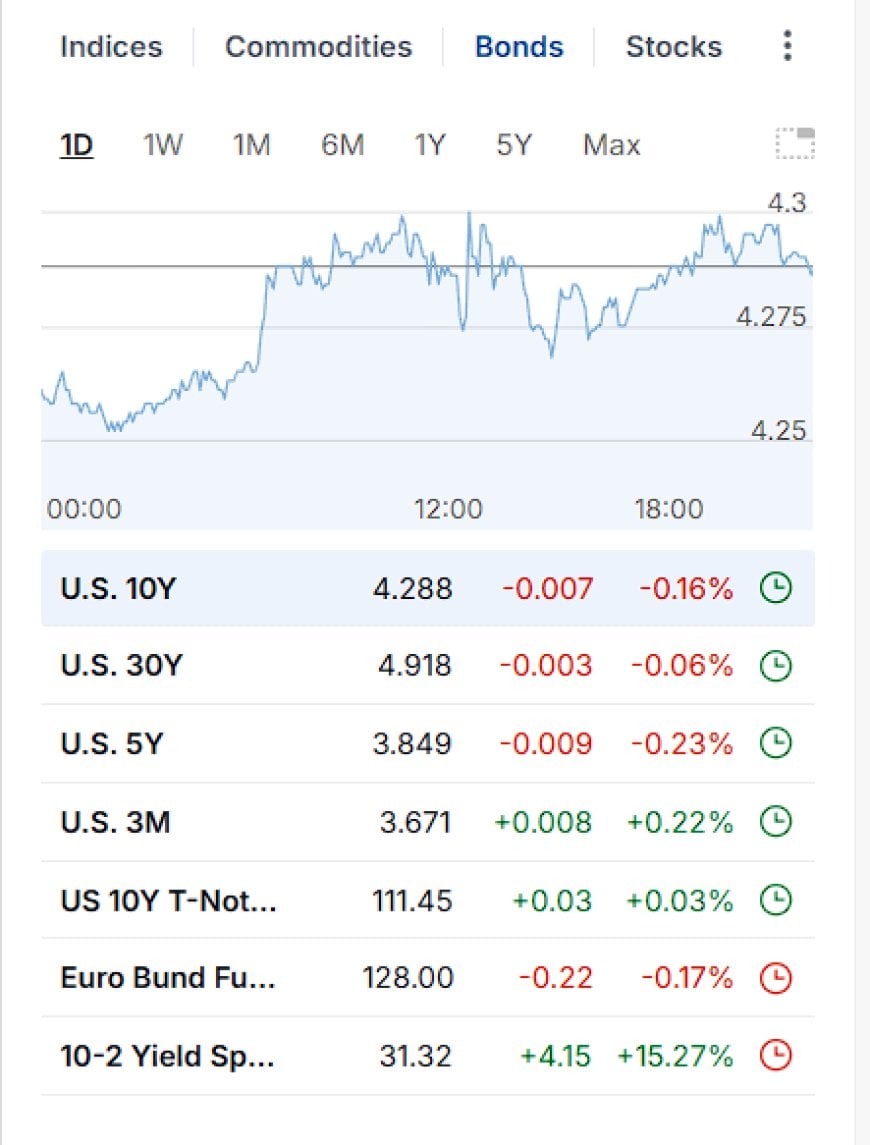
Notice what didn’t move: long-end yields barely budged. That tells you this wasn’t a “rates shock” – it was pure risk-premia repricing across equities and crypto.
When one person can move the whole stack – tariffs, Fed succession chatter, carrier posture – you’re not trading “fundamentals” anymore. You’re trading a control system with a name.
Scoreboard: Cash Bloodbath, Futures Green Tint
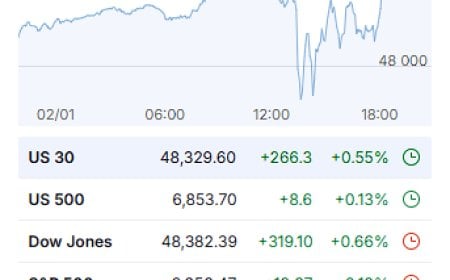
If you’re looking at your dashboard and wondering why “US 30” and “US 500” are slightly green while everything else is bleeding out, here’s the translation: those top lines are futures stabilizing after the damage, while the Dow/S&P/Nasdaq rows are showing you the actual cash-session beatdown.
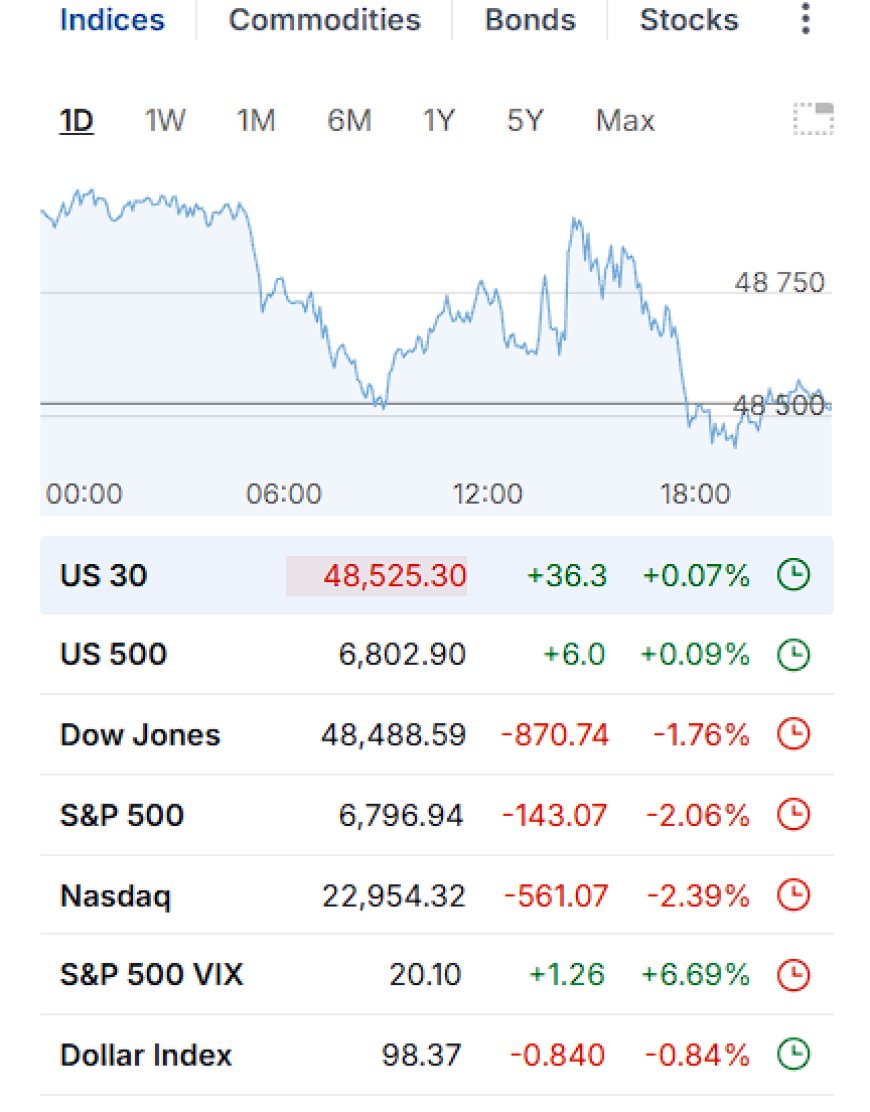
US 30 (futures): 48,525.30 (+36.3, +0.07%)
US 500 (futures): 6,802.90 (+6.0, +0.09%)
Dow Jones: 48,488.59 (-870.74, -1.76%)
S&P 500: 6,796.94 (-143.07, -2.06%)
Nasdaq: 22,954.32 (-561.07, -2.39%)
S&P 500 VIX: 20.10 (+1.26, +6.69%)
Dollar Index (DXY): 98.37 (-0.840, -0.84%)
That’s a classic “everything down together” equity day. Growth, big tech, and cyclicals all took hits. The important tell is that the VIX pushed over 20 while the dollar backed off. You were not watching a clean “rates tantrum”; you were watching a risk-off move driven by political and geopolitical uncertainty.
Cross-Asset Check: Metals Hold, Crypto Cracks
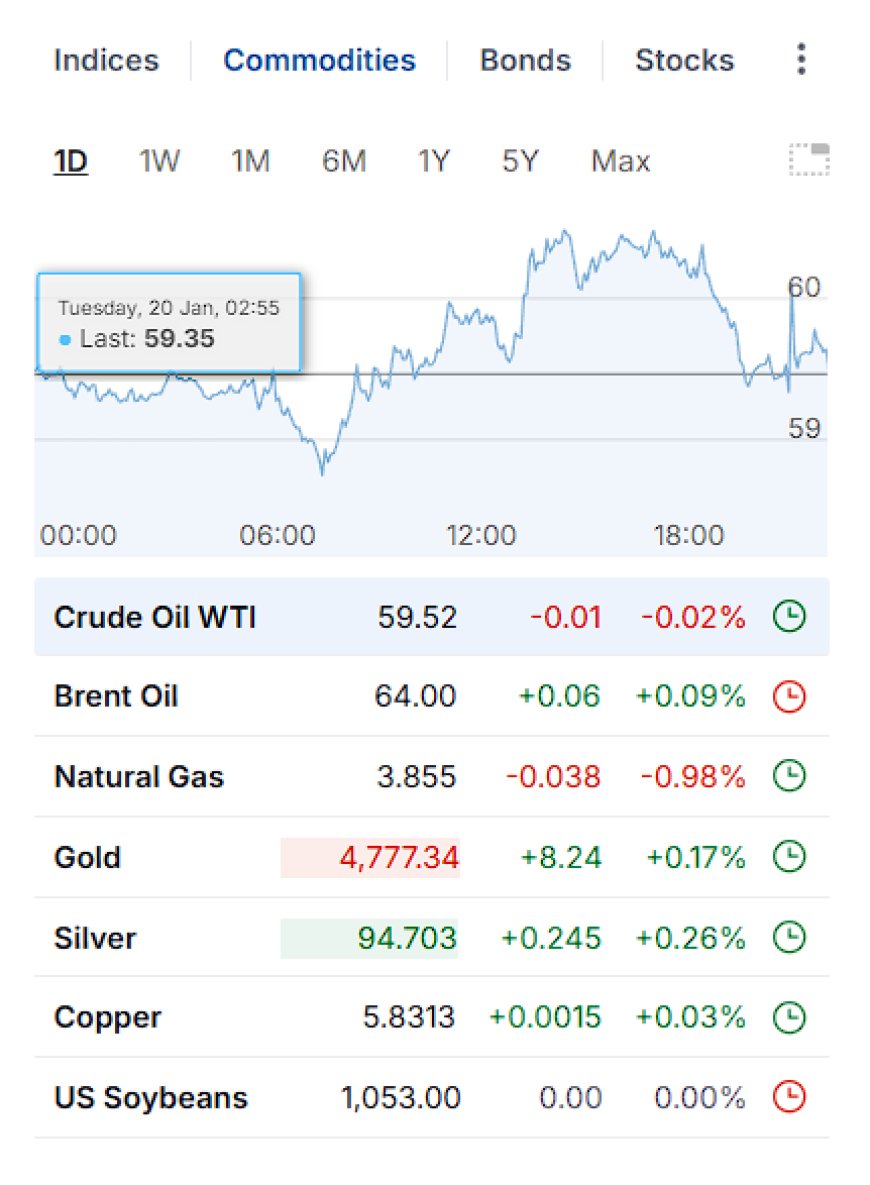
WTI: 59.52 (-0.01, -0.02%)
Brent: 64.00 (+0.06, +0.09%)
Natural Gas: 3.855 (-0.038, -0.98%)
Gold: 4,777.34 (+8.24, +0.17%)
Silver: 94.703 (+0.245, +0.26%)
Copper: 5.8313 (+0.0015, +0.03%)
Soybeans: 1,053.00 (flat)
After yesterday’s blast higher in gold and silver, you might have expected a giveback. Instead, metals held the line or inched higher. That’s the market telling you the safety bid is still there. Oil basically went sideways – no fresh headline on the energy side, just a slow grind around the same risk premium.
U.S. 10Y: 4.288 (-0.007, -0.16%)
U.S. 30Y: 4.918 (-0.003, -0.06%)
U.S. 5Y: 3.849 (-0.009, -0.23%)
U.S. 3M: 3.671 (+0.008, +0.22%)
Long-end yields barely moved. That’s your tell that this was not a fresh inflation or Fed shock. Instead, term premium and growth expectations held roughly where they were, while the equity and crypto sides did the heavy adjusting.
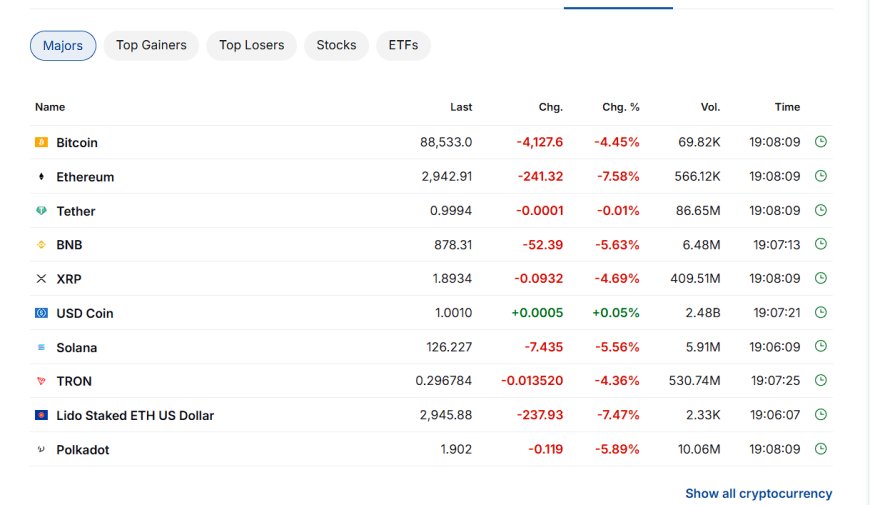
Bitcoin: 88,533.0 (-4,127.6, -4.45%)
Ethereum: 2,942.91 (-241.32, -7.58%)
BNB: 878.31 (-52.39, -5.63%)
XRP: 1.8934 (-0.0932, -4.69%)
Solana: 126.227 (-7.435, -5.56%)
TRON: 0.296784 (-0.013520, -4.36%)
Lido Staked ETH: 2,945.88 (-237.93, -7.47%)
Polkadot: 1.902 (-0.119, -5.89%)
If you wanted to see where the fear really was, it was in the crypto screen. High-beta, leverage-heavy, and sentiment-driven – exactly the stuff that gets hit when people decide they don’t want to be long “policy risk” overnight.
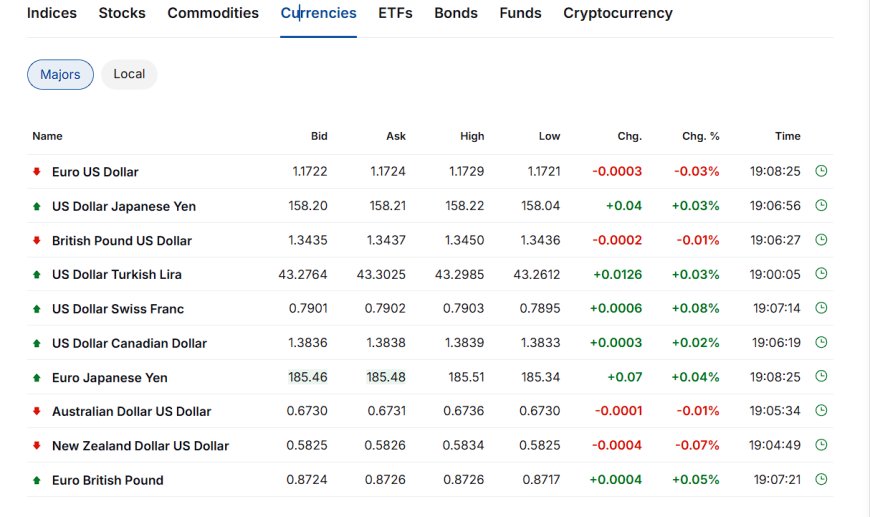
FX stayed relatively contained. Euro, yen, and Swiss barely moved in percentage terms. That’s another hint that what you saw today was more an equity/crypto positioning flush than a full-blown global panic.
Drivers: Tariff Clock, EU Response, Geopolitics
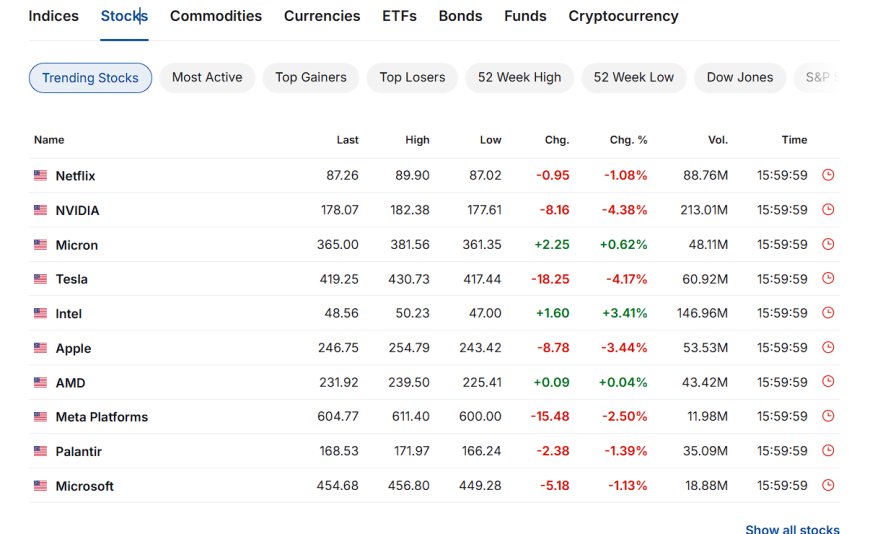
Under the hood, your usual leaders bled: NVIDIA, Tesla, Apple, Meta, Palantir – all down meaningfully. Micron and Intel managed to hold some green, but that was the exception, not the rule. The microcap tape looked like a war zone on both sides, with 150–190% movers among the gainers and -40% to -60% prints on the losers list.
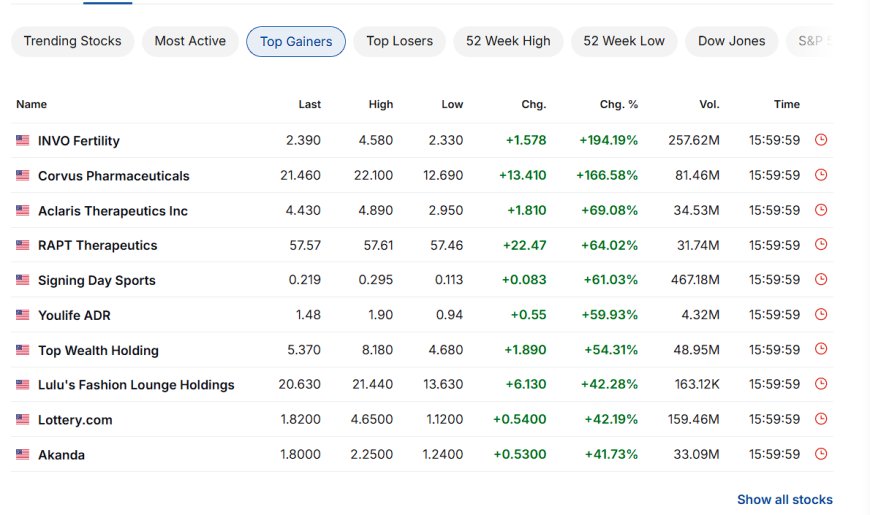
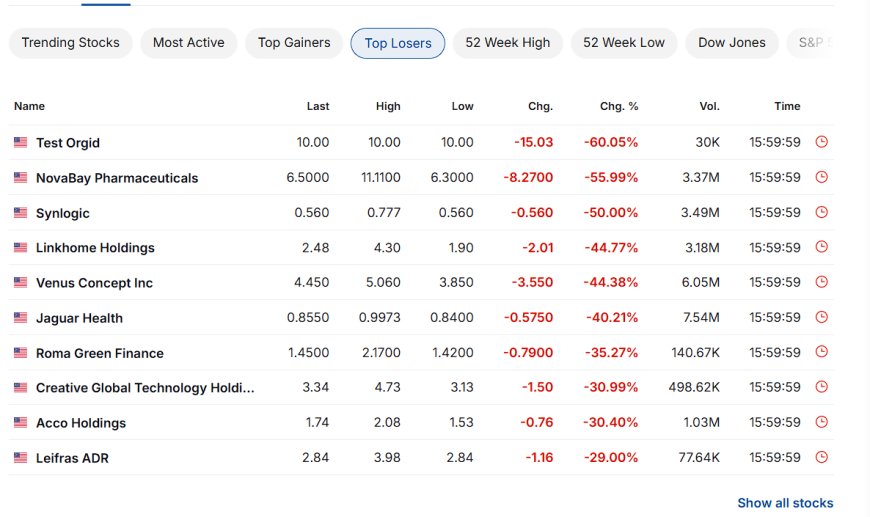
But you don’t need to squint at tickers to understand the driver stack. It’s the same one we’ve been drilling in the last wraps – just more concentrated now that cash is open:
- Greenland tariff clock: the market is now treating the Feb 1 → June 1 tariff ladder as real, not theater. Every day that passes without de-escalation keeps that clock in your risk premia.
- EU retaliation posture: discussion of broad tariff packages and anti-coercion tools is now part of the baseline. That means investors have to price a two-way trade war channel, not just a one-sided threat.
- Iran / force posture: carrier moves, regional withdrawals, and sanctions all sit in the background as a second shock source. Even when nothing “explodes” on the headline, it affects how willing people are to hold risk over nights and weekends.
- Fed independence / Powell probe: the bond market didn’t make a new move today, but that storyline still hangs over the term premium. It’s part of why the market is jumpy when new political shocks hit.
Put simply: you’re not just trading earnings multiples – you’re trading whether policymakers escalate or de-escalate. Today the market voted “too much headline heat,” and took risk down across the board.
Pattern Nexus Lens
Today is what it looks like when the control system I keep writing about steps in and yanks the throttle. One actor leans on tariffs, another preps countermeasures, another moves carriers, another questions central bank independence. None of that shows up in a tidy macro model, but it all hits the same place: your perception of risk and your willingness to hold exposure.
The important detail is that the plumbing didn’t break. Liquidity still flowed; futures, FX, and metals still did their job. The system simply re-priced risk lower. That’s the difference between “crash” and “controlled burn.” Right now, you’re watching a controlled burn – but it’s happening closer to the treeline than most people are comfortable admitting.
Don’t overcomplicate what you saw: the market is marking geopolitical and governance risk to market, not blowing up on a datapoint. If the tariff clock cools and the Iran/Fed narratives calm down, this looks like a violent reset. If they escalate, this is just the first leg.
FAQ
Why does it feel like Trump is “pulling the strings” on the market?
Because in this regime, a single statement can change the whole risk stack: tariffs, allies, Fed leadership, and military posture are all connected. When one person can move those levers with words, price action follows the control layer, not the economic calendar.
Why did crypto get hit harder than gold or silver?
Metals are acting as safety valves; crypto is still trading like high-beta tech with leverage on top. When institutions de-risk on policy shocks, they trim the speculative side first and keep the stuff that actually hedges regime risk.
Should you read today as the start of a crash?
Not automatically. Today was a clean, aggressive repricing of risk premia, not a liquidity seizure. The next couple of days will tell you whether this was a one-off flush or the start of a new branch in the regime tree. Watch the tariff headlines, EU response, and whether gold/silver keep acting like an alarm.
Sources
Market levels are taken directly from Investing.com screenshots; narrative context builds on prior Pattern Nexus wraps covering the Greenland tariff clock, EU retaliation tools, Iran posture, and Fed independence risk.
- Investing.com — Market snapshots (indices, commodities, bonds, FX, crypto)
- Pattern Nexus — Market Wrap, January 16, 2026 (weekly driver stack)
- Pattern Nexus — Market Wrap, January 19, 2026 (Greenland tariff shock)
Aká je vaša reakcia?
 Páči sa mi to
0
Páči sa mi to
0
 Nehodnotiť
0
Nehodnotiť
0
 Láska
0
Láska
0
 Zábavné
0
Zábavné
0
 Wow
0
Wow
0
 Smútiť
0
Smútiť
0
 Rozhněvaný
0
Rozhněvaný
0

Founder of Pattern Nexus. I research markets, macro, geopolitics, AI, history, ancient systems, and the patterns most people overlook. I’m also building Market Radar, a trading scanner designed to read pressure, risk, confirmation, and setup quality before chasing a move. Pattern Nexus is where I connect the dots between data, history, technology, and the bigger system playing out around us.







Komentáre (0)