
Stablecoins là Đề xuất Kho bạc Mới: Sự Xây Dựng Im Lặng của Một Đường Ray CBDC Tư Nhân
Stablecoins không phải là một trò hề tiền điện tử. Chúng đang được hình thành thành các công cụ thanh toán đô la được quy định, được hỗ trợ bởi trái phiếu kho bạc Hoa Kỳ, tạo ra một hệ thống CBDC khu vực tư nhân mà không gọi nó là CBDC. Khung Pattern Nexus này giải thích cơ chế, luật pháp, dòng chảy và kết cục.
Stablecoins are not “crypto dollars.” They are being engineered into regulated dollar settlement instruments whose growth mechanically increases demand for short-term U.S. Treasuries. This is how the United States builds a global digital dollar rail without issuing a retail CBDC — and without needing permission from foreign governments.
Core Thesis: Stablecoins are being transformed into Treasury-backed settlement tokens. Their expansion strengthens dollar dominance, converts U.S. debt from a liability into a strategic asset, and creates a parallel monetary system that nullifies weak sovereign regimes over time — quietly, legally, and voluntarily.
What Stablecoins Actually Are
A stablecoin is not an asset. It is a liability. Specifically, it is a digital IOU denominated in U.S. dollars that lives on a blockchain and promises redemption at par.
The token itself has no intrinsic value. The system rests entirely on:
- The composition of reserves
- The liquidity of those reserves
- The operational ability to redeem at scale
At a structural level, a stablecoin issuer is a narrow bank without lending authority: accept dollars, issue tokens, hold reserves, redeem on demand.
Key framing: Stability is not a promise. It is an ongoing liquidity test conducted by the market in real time.
Why “Stable” Coins Move
Stablecoins trade slightly above or below $1 because markets price immediacy. The question is not “is it backed?” The question is “can I convert right now, at scale, without friction?”
Movement reflects:
- Banking hours and wire cutoffs
- Issuer redemption capacity
- Jurisdictional access to fiat rails
- Capital controls and FX stress abroad
- Arbitrage balance sheet constraints
Important: A stablecoin can be fully solvent and still trade at a discount. Price is a referendum on speed, not trust alone.
Scale Changes Everything
Stablecoins were ignorable when they were small. They are not ignorable at $300+ billion.
At this scale, they intersect directly with:
- U.S. Treasury bill issuance
- Money market fund flows
- Repo collateral demand
- Bank deposit competition
- Global dollar settlement needs
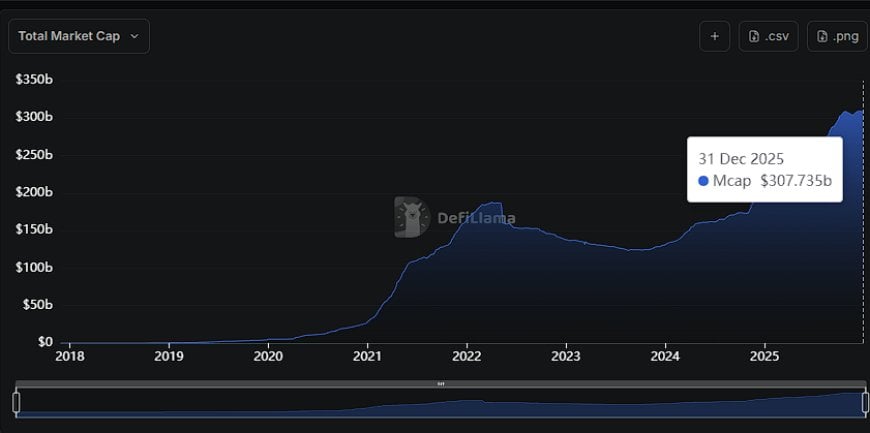
Total stablecoin market cap. This is effectively a shadow digital dollar aggregate operating outside the traditional banking system.
Once stablecoins reach this size, regulators are forced to engage — not to stop them, but to shape them.
Issuer Concentration and Systemic Risk
The market is highly concentrated. A handful of issuers dominate supply.
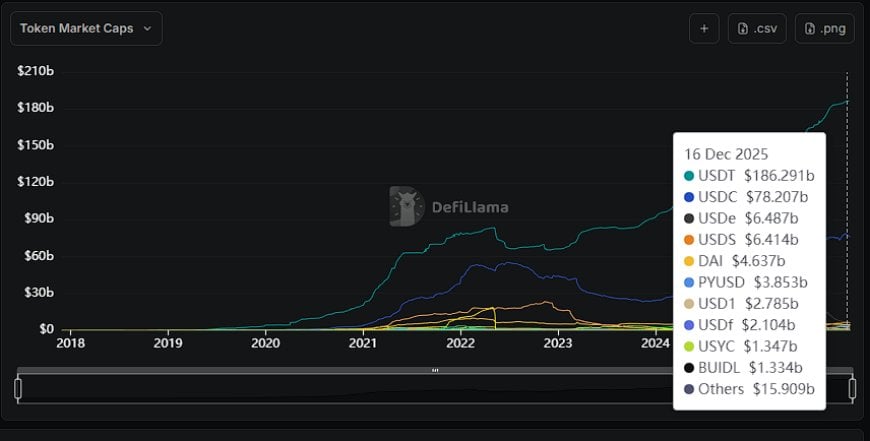
Issuer concentration turns private balance sheets into macro-relevant infrastructure.
This concentration explains why regulation targets issuers rather than protocols. Control the issuer, and you control the rail.
Flows as a Liquidity Signal
Stablecoin inflows behave like a global stress indicator.
Inflow spikes coincide with:
- Currency crises
- Capital flight
- Local banking instability
- Sanctions and payment restrictions
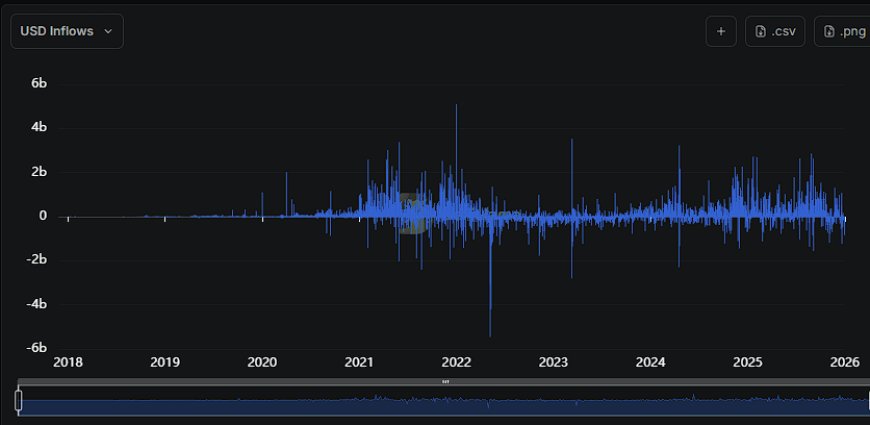
Stablecoin flows act as a real-time measure of global dollar demand under stress.
The Treasury Collateral Engine
This is the core mechanical insight.
If stablecoins are required to be fully backed by high-quality liquid assets, those assets converge on U.S. Treasuries.
Cash does not scale. Risk assets are unacceptable. Long duration introduces volatility.
What remains:
- T-bills
- Overnight Treasury repo
- Treasury-only money market funds
Stablecoin adoption mechanically converts into short-end Treasury demand. This is balance sheet math, not ideology.
The GENIUS Act Explained Mechanically
The GENIUS Act does not attempt to stop stablecoins. It formalizes them.
Its mechanical objectives:
- Force 1:1 reserve backing
- Constrain reserve quality
- Mandate disclosure and audits
- Prevent interest-bearing tokenized deposits
This preserves bank funding models while allowing stablecoins to dominate settlement.
How the Anti-CBDC Position Actually Works
The Anti-CBDC stance blocks a public Federal Reserve wallet. It does not block digital money.
Instead, the system is outsourced:
- Private issuers distribute tokens
- Banks provide on/off ramps
- Regulation controls the perimeter
Outcome: CBDC-like functionality without the political backlash of a CBDC label.
How This System Circumvents Governments
This is where the framework becomes geopolitical.
Stablecoin adoption does not require permission from weak or authoritarian regimes. All that is required is:
- An internet connection
- A smartphone
- Access to a wallet
Once accessed, individuals and businesses gain:
- Direct exposure to U.S. dollar settlement
- Indirect exposure to U.S. Treasury collateral
- Exit from local monetary debasement
Governments can fight this rhetorically, but not structurally. Adoption is voluntary, rational, and driven by survival incentives.
Treasuries: From Liability to Strategic Asset
This system flips the conventional debt narrative.
U.S. Treasuries cease to be viewed purely as liabilities and become:
- Collateral for global settlement
- Backing for digital dollars
- Infrastructure for international trade
As adoption grows, the world absorbs U.S. debt voluntarily — not through coercion, but through utility.
Failure Modes and Control Points
This system is not without risk.
- Issuer runs remain possible
- Concentration increases fragility
- Compliance expands surveillance
- Banking partners remain choke points
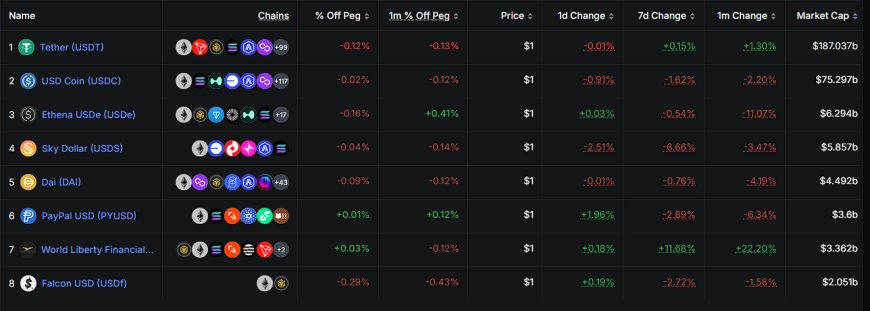
Peg deviations are stress signals, not noise.
The Endgame Architecture
The direction is clear:
- Tokenized dollars dominate settlement
- Treasuries underwrite the system
- Weak monetary regimes hollow out
- The U.S. finances itself globally
Pattern Nexus Lens
This is not a crypto story. It is a monetary control transition.
Stablecoins turn:
- U.S. debt into infrastructure
- Dollars into global software
- Settlement into a strategic weapon
The quiet truth: The world is choosing U.S. Treasuries and digital dollars because the alternative systems are worse — and no approval is required.
FAQ
Can governments stop this?
They can slow it locally. They cannot stop it globally.
Is this inflationary?
It exports inflation pressure outward while stabilizing domestic funding.
Why does this favor the U.S.?
Because the U.S. issues the collateral that backs the system.
Phản Ứng Của Bạn Là Gì?
 Thích
0
Thích
0
 Không Thích
0
Không Thích
0
 Yêu
0
Yêu
0
 Hài hước
0
Hài hước
0
 Wow
0
Wow
0
 Buồn
0
Buồn
0
 Giận dữ
0
Giận dữ
0

Founder of Pattern Nexus. I research markets, macro, geopolitics, AI, history, ancient systems, and the patterns most people overlook. I’m also building Market Radar, a trading scanner designed to read pressure, risk, confirmation, and setup quality before chasing a move. Pattern Nexus is where I connect the dots between data, history, technology, and the bigger system playing out around us.















Các bình luận (0)