
Energy Isn’t Spiking, Utilities Are: AI Baseload, Gas Turbines, and the Reprice of Energy Services
CPI “energy” is splitting into two stories: gasoline is deflating while electricity and utility gas inflate. This is a structural load + grid constraint regime, increasingly driven by data centers/AI and met by gas turbines, capex pass-through, and delivered-fuel premia.
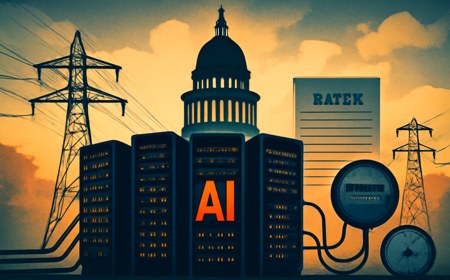
![[HERO_IMAGE_ALT: Grid + compute + turbines at dusk]](https://patternnexus.com/uploads/images/202601/image_870x_6967d6acad363.jpg)

CPI “energy” is now two different economies: transport fuels are cyclical, utilities are structural.
When new load is inelastic (compute), higher prices do not reduce demand. They transfer the bill.
Gas turbines are not a “preference.” They are the fastest firm-power bridge when interconnect and transmission cannot keep up.
The CPI Split: Gasoline Down, Utilities Up
The headline “energy” number is no longer the story. The internals are. In the latest CPI print, energy is modest at the top-line, while electricity and utility gas services are running hot and gasoline is negative year-over-year. That is a regime signal, not noise.

Here’s the important conceptual shift: energy commodities behave like markets, energy services behave like infrastructure. Markets can clear by price. Infrastructure clears by constraint. If you’re constrained, the price you pay isn’t only the commodity, it’s the congestion, the hedges, the capex recovery, the reliability premium, and the cost of getting electrons to your node.
Energy services inflation is the grid telling you demand is becoming structural and less elastic. Gasoline can fall and the grid can still reprice higher if load growth is local, dense, and persistent.
PPI First, CPI Later: The Pass-Through Pipeline
Producer prices often move first because producers buy the inputs. Consumers see the effects later through invoices, rates, and services. That sequencing matters in utilities because a meaningful share of costs are either regulated pass-through or embedded in rate base and recovered over time.

The mechanic is simple: energy input moves → hedges reset → procurement costs rise → utility revenue requirements rise → rate cases and riders flow through → CPI energy services prints higher. When you add grid capex (substations, transformers, transmission upgrades) and reliability investments, the pass-through can persist even if the underlying commodity cools.
- Commodity price is what most people watch.
- Delivered price is what utilities actually pay (basis, transport, congestion, contracts).
- Service price is what households see (tariffs, riders, capex recovery).
In a constrained grid, lower gasoline does not guarantee lower utility inflation. You can see “energy relief” at the pump while the grid reprices upward for years.
The New Baseload: AI Load Is Not Consumer Demand
The critical change is not philosophical. It’s electrical. AI and data-center demand behaves like industrial baseload: it runs 24/7, it is dense, it clusters geographically, and it is relatively insensitive to price at the margin because uptime is the product.

This is why the CPI split matters. Gasoline is discretionary and cyclical. Compute is an always-on throughput machine. If your system adds large, inelastic load faster than transmission, interconnect processes, and generation build-outs can respond, you do not get “balanced price discovery.” You get constraint pricing and build-now solutions.
Grid operators have been explicit: load forecasts are being revised upward and localized growth hotspots are driving planning complexity. This is not a normal “the economy is hot” story. It’s a “power density is changing” story.
Why Gas Turbines Keep Showing Up
When demand arrives faster than the grid can expand, the system reaches for what can be deployed quickly with firm output. In the near term, that is usually natural gas. Not because gas is “cleanest” or “best,” but because it is dispatchable, available, and financeable on timelines that match the buildout.
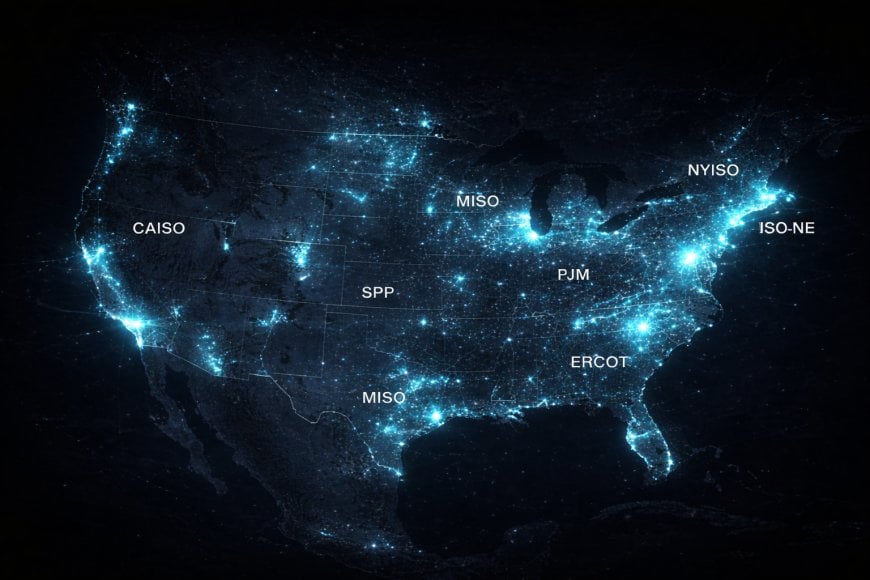
The turbocharger effect is behind-the-meter generation and co-location. If interconnect timelines are years and your business model needs capacity now, you build the plant next to the load. That shifts the constraint from “grid access” to “fuel supply and equipment availability.”
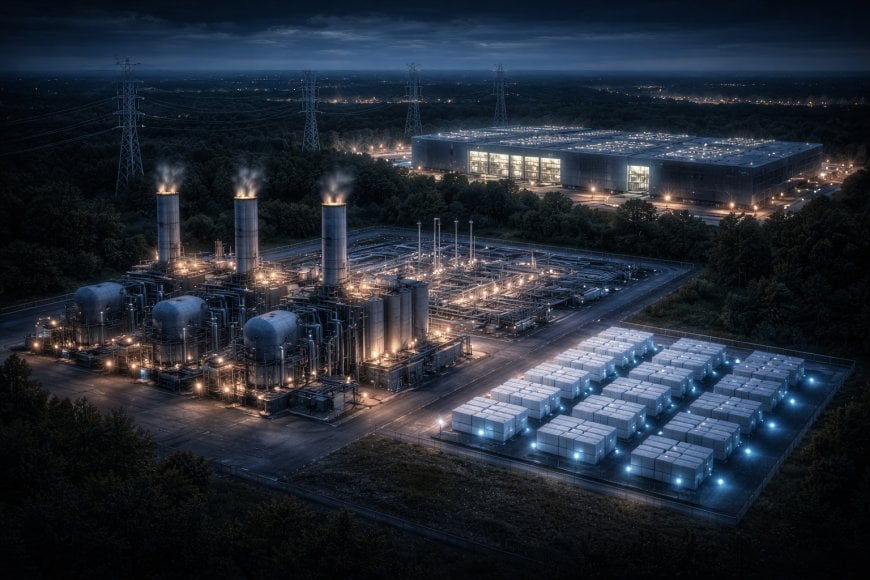
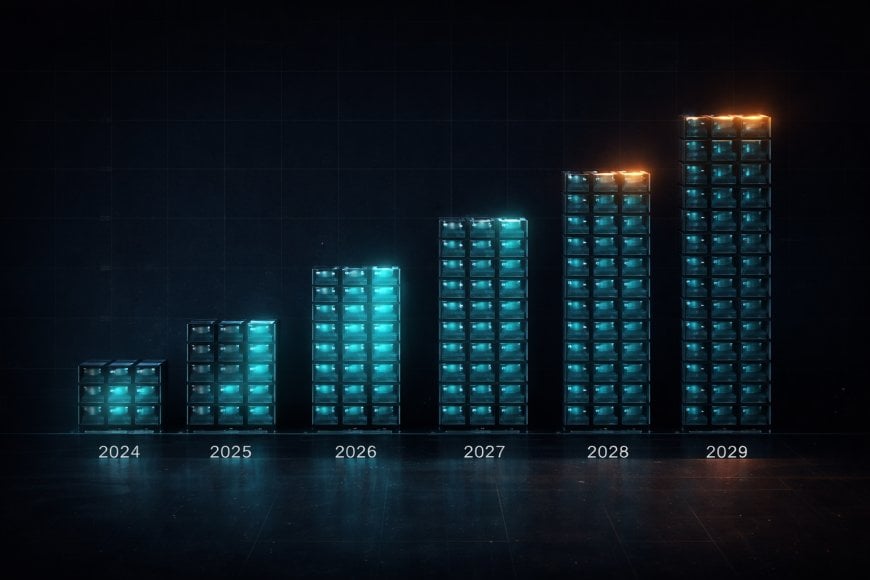
Then comes the supply chain tell: turbine slots and backlog. If OEMs are booked for years, that is not a short-lived cycle. That is the market pricing a multi-year firm-power wave.
CPI utility gas is not just “Henry Hub.” It’s basis, transport, hedging, and reliability. When power plants and data centers cluster, delivered pricing can rise even when the headline commodity looks calm.
Implications and What to Watch
This split changes how you interpret inflation and policy. If energy services are structurally bid, the CPI can keep pressure even while the public sees relief at the pump. That can mislead both voters and models because the most visible price (gasoline) stops being representative of the system’s energy cost.
It also changes the market map. The “energy trade” becomes less about crude headlines and more about power markets, grid buildout, and firm capacity procurement. The choke points are equipment (transformers, switchgear, turbines), interconnection rules, and fuel delivery.
Monthly CPI electricity and utility gas, PPI energy, grid operator large-load queue updates, FERC rule actions on co-located loads, and turbine backlog commentary. When those all move together, you’re watching the infrastructure layer reprice, not a temporary commodity spike.
Pattern Nexus Lens
This is an infrastructure control story disguised as an inflation story. The grid is a permissioned system: interconnection rules, transmission topology, fuel corridors, reliability standards, and regulated recovery. When compute demand becomes a first-class load driver, it competes at the control layer, not the commodity layer.
In prior decades, “energy inflation” mostly meant oil. In the next decade, “energy inflation” increasingly means the price of reliable electrons delivered to constrained nodes, plus the institutional machinery required to keep the system stable. That’s why energy services can stay elevated while gasoline falls.
The market is repricing “power reliability” as a scarce good. AI doesn’t just consume electricity. It turns reliability into an input cost that propagates through the entire tariff stack.
FAQ
Why can gasoline fall while electricity and utility gas rise?
Gasoline is a traded consumer fuel with cyclical demand and fast price discovery. Electricity and utility gas are delivered services shaped by constraints, procurement, hedging, and regulated pass-through. Different pricing mechanisms, different inflation behavior.
Is AI really big enough to matter yet?
At the system level, what matters is not only total energy share but the nature of the load: 24/7, dense, clustered, and inelastic. That profile stresses interconnect, transmission, and local generation adequacy even before it becomes “huge” nationally.
Why do gas turbines show up so often in these buildouts?
Because they are dispatchable firm power with known engineering, permitting pathways, and financing structures that can be deployed on timelines that match rapid load buildouts. When the grid can’t deliver quickly, co-location and behind-the-meter builds become the shortcut.
What would disconfirm this thesis?
A sustained decline in utility electricity and utility gas CPI while large-load queues continue to expand and turbine backlogs remain full would weaken the pass-through argument. Conversely, if load forecasts are revised down materially and interconnect bottlenecks clear rapidly, constraint inflation should ease.
Sources
Official inflation releases (CPI/PPI) plus primary planning/reliability documents and reporting that substantiates large-load growth, interconnection pressure, and the firm-power response.
- BLS — CPI News Release (Dec 2025)
- BLS — PPI News Release (Nov 2025)
- IEA — Energy and AI (Executive Summary)
- NERC — 2024 Long-Term Reliability Assessment
- ERCOT — System Planning and Weatherization Update (Dec 2025)
- ERCOT — Electric System Constraints and Needs Report (Dec 2025)
- FERC — Fact Sheet on PJM Rules for Large Loads Co-Located with Generation (Dec 2025)
- Utility Dive — 944 MW Behind-the-Meter Gas Plant for a Data Center (Aug 2025)
- GE Vernova — Press Release on Gas Turbine Contracts/Backlog (Dec 2025)
- Reuters — Gas Turbine Slot Scarcity and Demand Signal (Dec 2025)
คุณมีปฏิกิริยาอย่างไร?
 ชอบ
0
ชอบ
0
 ไม่ชอบ
0
ไม่ชอบ
0
 รัก
0
รัก
0
 ตลก
0
ตลก
0
 ว้าว
0
ว้าว
0
 เศร้า
0
เศร้า
0
 โกรธ
0
โกรธ
0

Founder of Pattern Nexus. I research markets, macro, geopolitics, AI, history, ancient systems, and the patterns most people overlook. I’m also building Market Radar, a trading scanner designed to read pressure, risk, confirmation, and setup quality before chasing a move. Pattern Nexus is where I connect the dots between data, history, technology, and the bigger system playing out around us.

















ความคิดเห็น (0)