
Market Wrap-Up 12/30/2025: Metal Whiplash, Quiet Index Drift, and the Year-End Liquidity Tell
Stocks drifted lower in holiday-thin trade while commodities stayed unstable: gold and silver rebounded after margin-driven turbulence, oil stayed pinned, yields held near 4.13%, and crypto remained resilient. Full Pattern Nexus breakdown with charts, news, and liquidity lens.
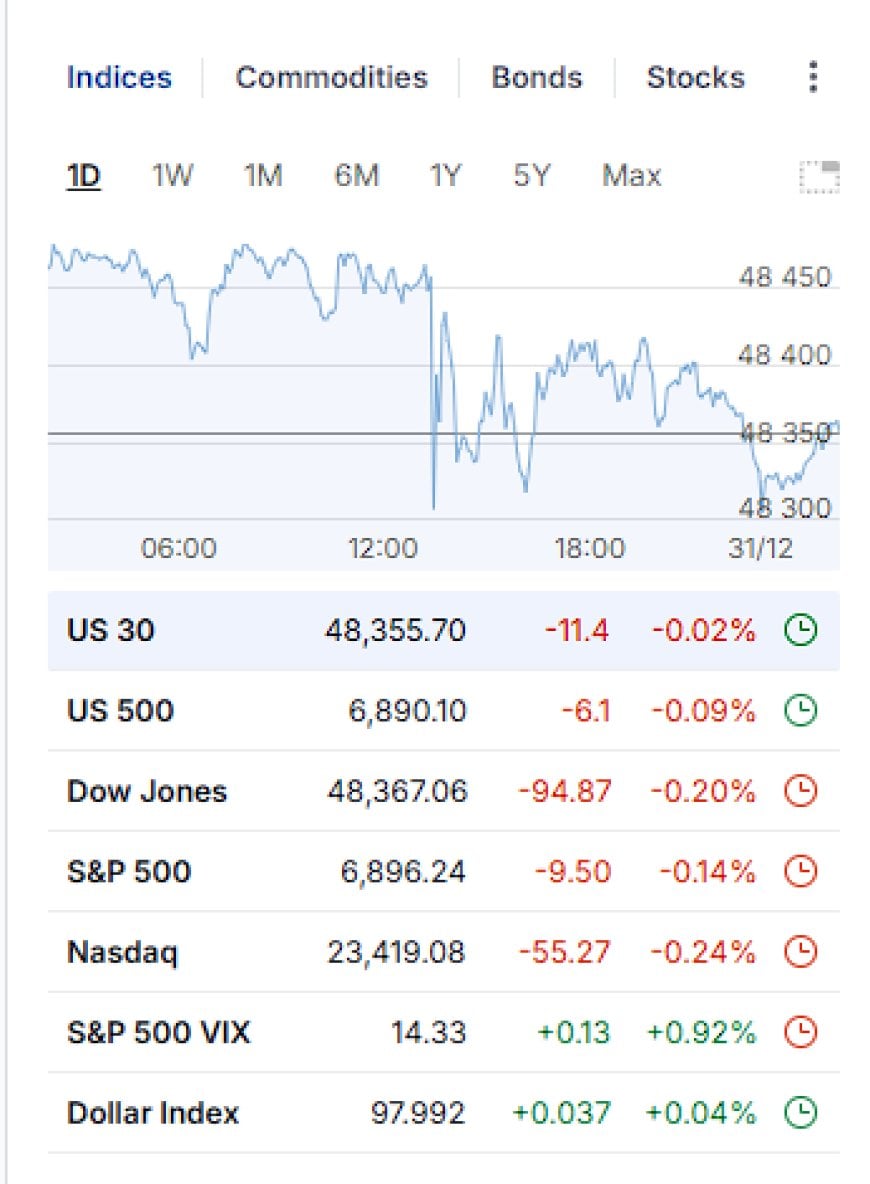
Today’s tape looked calm in equities and noisy in commodities. That combination matters. When metals whip while indexes barely move, you’re watching the funding layer reset under the surface.
Quick Read: Equities drifted in thin trade, yields held near ~4.13%, oil stayed pinned, crypto stayed firm, and metals continued to trade like collateral instruments. The story today is not direction. It’s year-end plumbing: dispersion, margin sensitivity, and selective liquidity.
Indices
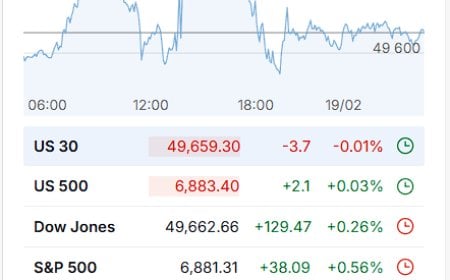
U.S. equities finished modestly lower, consistent with holiday-thin volume and year-end positioning. our snapshot shows controlled drift rather than a risk event: US 30 near 48,356 (slightly down), US 500/S&P 500 near 6,896 (down), and Nasdaq near 23,419 (down). Volatility ticked higher with the VIX around 14.33, and the Dollar Index was slightly firmer.
This is typical late-December tape behavior: liquidity thins out, price action becomes more “microstructure” than macro, and leadership fragments. The key tell is the absence of panic pricing: if this were a true risk-off pulse, the drawdown would accelerate and volatility would gap, not simply grind higher while indices barely move.
Signal: Small index declines + slightly higher VIX = positioning digestion, not liquidation. The market is conserving risk, not abandoning it.
Commodities
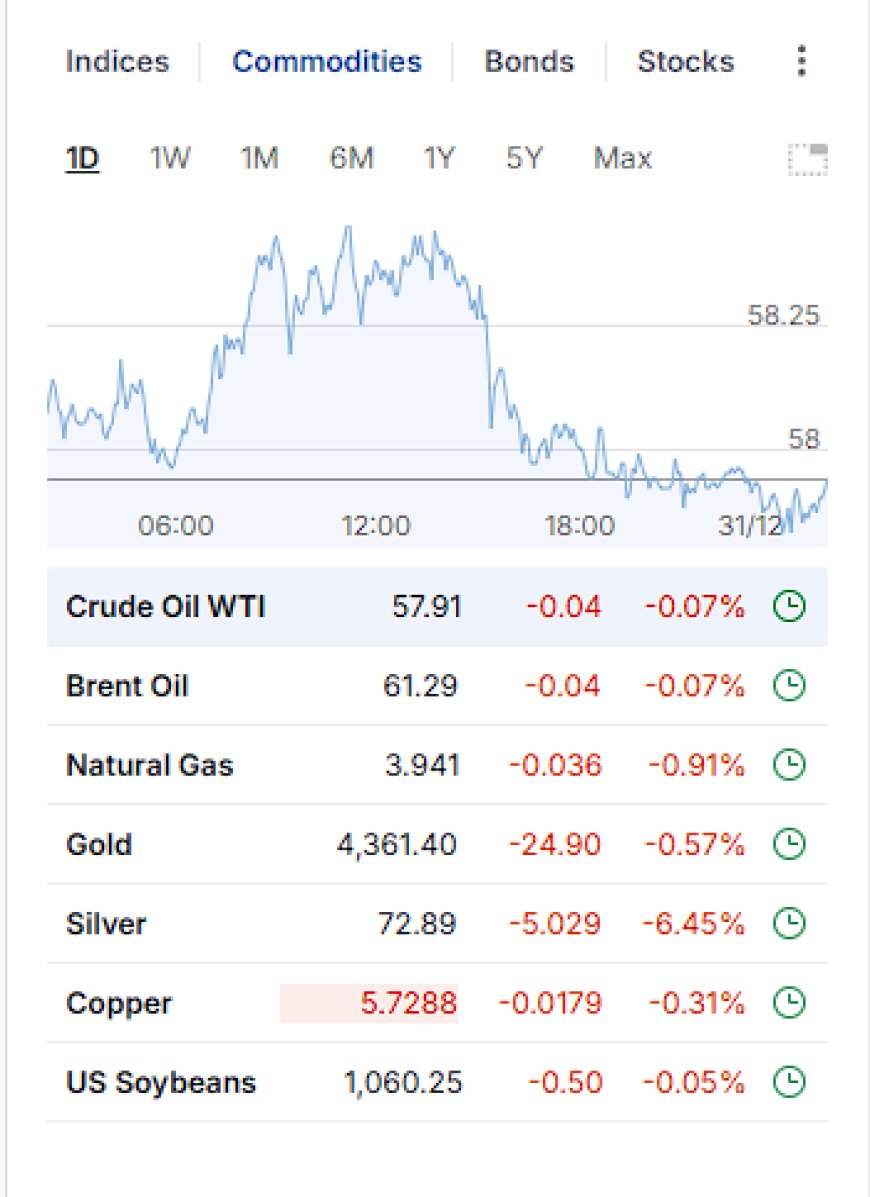
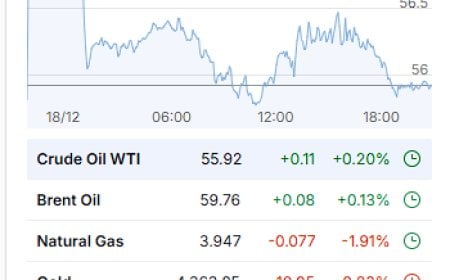
Commodities remained the most information-dense part of the tape. Oil stayed pinned (WTI ~57.91, Brent ~61.29). Natural gas was softer. Copper eased. The headline, again, was metals behavior: gold and silver moved like collateral instruments instead of clean macro indicators.
Gold was down on the day (around 4,361, off roughly half a percent), while silver took another sharp hit (around 72.89, down ~6.45%). That kind of motion is not “normal price discovery.” It’s a funding-layer reset: margin sensitivity, leverage compression, and forced flow that pushes crowded positioning through thin order books.
Now zoom out one layer: the metals complex just went through a margin-and-volatility feedback loop that’s bigger than today’s candle. After the exchange raised margin requirements, Monday’s tape turned into forced deleveraging. Today’s action is the market trying to find a stable clearing level after a mechanical squeeze-out. That is why metals can look irrational day-to-day while the macro thesis remains intact month-to-month.
This is the critical distinction: a margin-driven move is mechanical, not philosophical. The thesis doesn’t have to die for the market to dump. Sometimes the market is simply meeting a collateral call. That’s why metals can dump violently while bonds stay calm and equities only drift.
Oil is telling a different story than metals. The market is balancing geopolitical premium against surplus math and demand repricing. The year-end level matters because it becomes the base narrative heading into 2026. When the forward balance leans surplus, rallies get capped, even if headlines try to inject premium.
Commodity Tell: Metals are behaving like collateral (whiplash), while oil behaves like a surplus-bounded macro input (pinned). That split is the system showing where pressure actually is.
Bonds
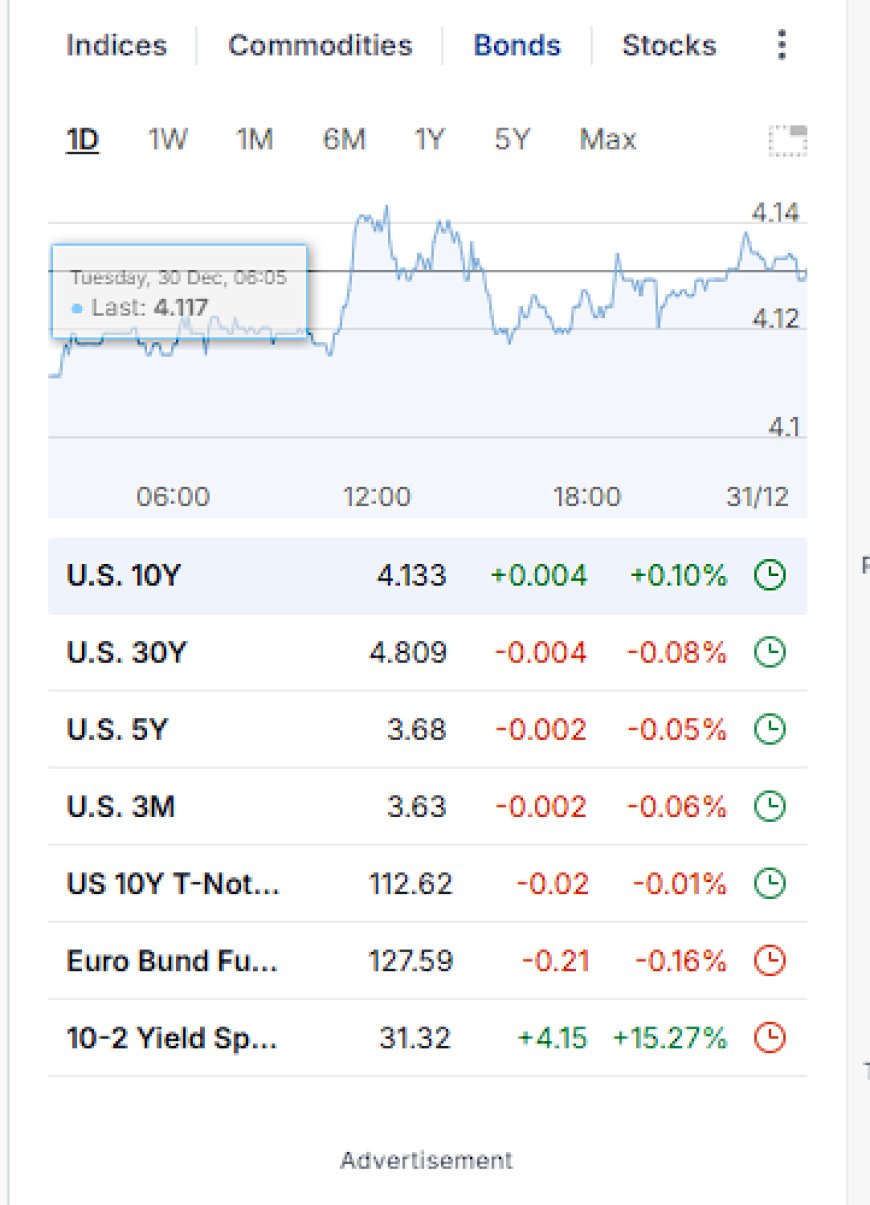
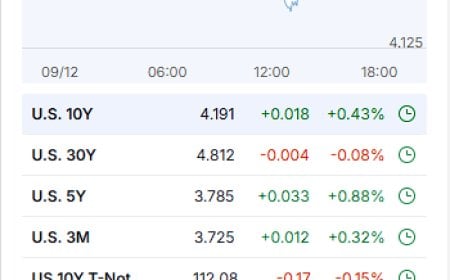
Rates stayed controlled. Our snapshot has the 10-year around 4.133%, the long bond near 4.809%. The important point is not the single-day tick. It’s the stability. Bonds are not pricing stress.
Bond stability is the anchor of today’s interpretation. When commodities whip and equities drift, you look to rates for the verdict. Rates did not deliver a stress signal. That implies the system is repricing positioning at the edges rather than repricing the entire macro regime.
Also note the policy backdrop bleeding into price action: traders are parsing the Fed’s internal split and the “two-sided problem” into 2026 (sticky inflation risk versus a slowing labor impulse). In that setup, the bond market becomes the lie detector. Today it didn’t scream recession and it didn’t scream inflation breakout. It screamed “reset and wait.”
Rates Lens: If the bond market isn’t panicking, the tape isn’t “cracking.” It’s rebalancing.
Cryptocurrency
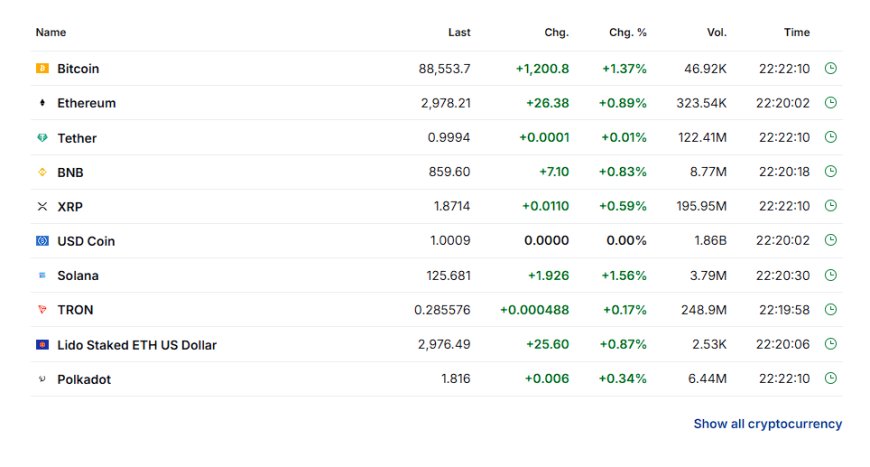
Crypto held firm despite equity drift and commodity turbulence. Bitcoin was green (near 88,554, +1.37%) and Ethereum was positive (near 2,978, +0.89%). That divergence matters because it implies risk capital is not exiting the system. It’s rotating.
The cleaner interpretation is not “crypto decoupling.” It’s “liquidity seeking beta where it can still run.” Year-end conditions often concentrate flows into fewer vehicles with the highest responsiveness to liquidity expectations.
Keep the lens consistent: if the system were truly tightening at the funding layer, you would see stress show up in the most reflexive risk vehicles first. Instead, crypto is holding together while metals are being forced through collateral mechanics. That tells you where the constraint is: margin structure and positioning, not total system liquidity.
Currencies
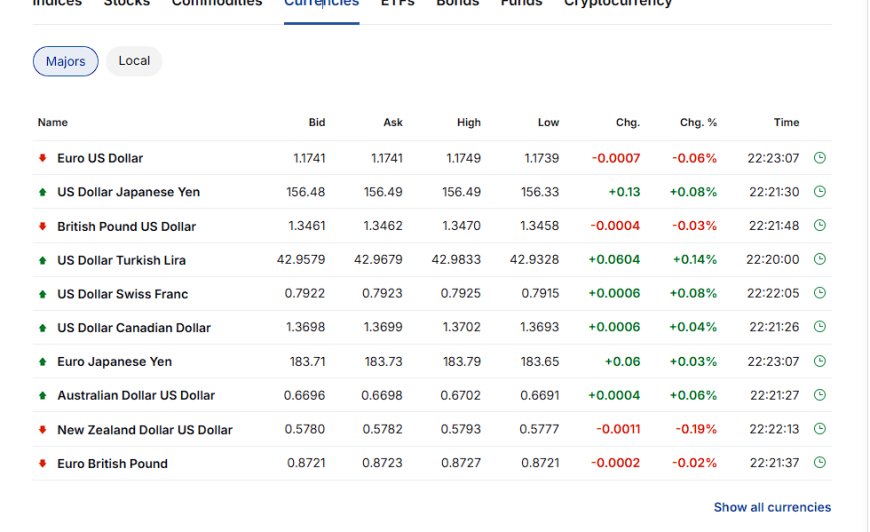
FX was orderly. EURUSD was slightly lower around 1.174, USDJPY slightly higher around 156.48, and GBPUSD marginally softer. That profile reads as year-end drift, not global stress.
The bigger context remains the policy path markets are pricing for 2026. FX tends to confirm macro changes quietly before they show up loudly elsewhere. Today’s prints don’t scream anything. They confirm stability.
Trending Stocks
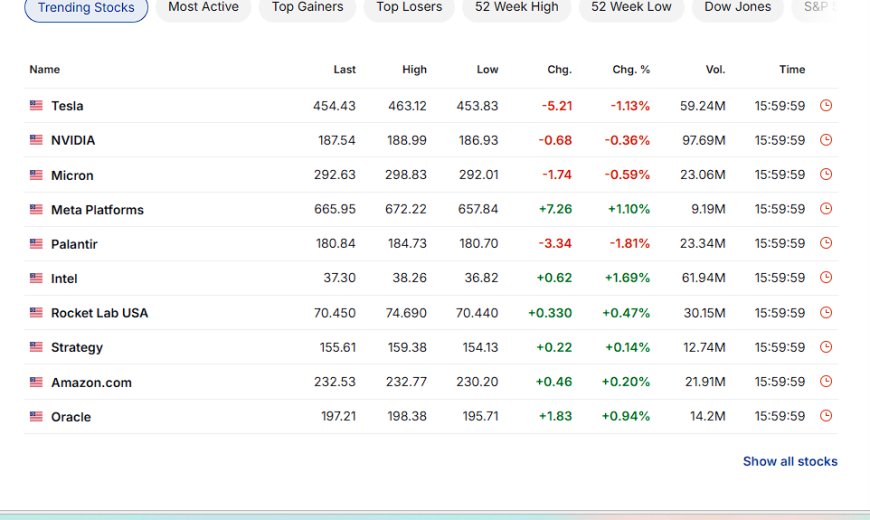
Single-name performance shows leadership fragmentation. Tesla and Nvidia were modestly red, while Meta was green and other names showed mixed behavior. That supports the “rotation not liquidation” framing: investors aren’t dumping everything, they’re re-weighting exposure and trimming crowded leadership into year-end.
News-wise, the standout narrative is the market’s continued AI dominance as a weighting factor while leadership rotates under the hood. When index moves are small, people assume nothing happened. The internals are the story: who gets trimmed, who gets accumulated, and where liquidity is allowed to express.
Top Gainers
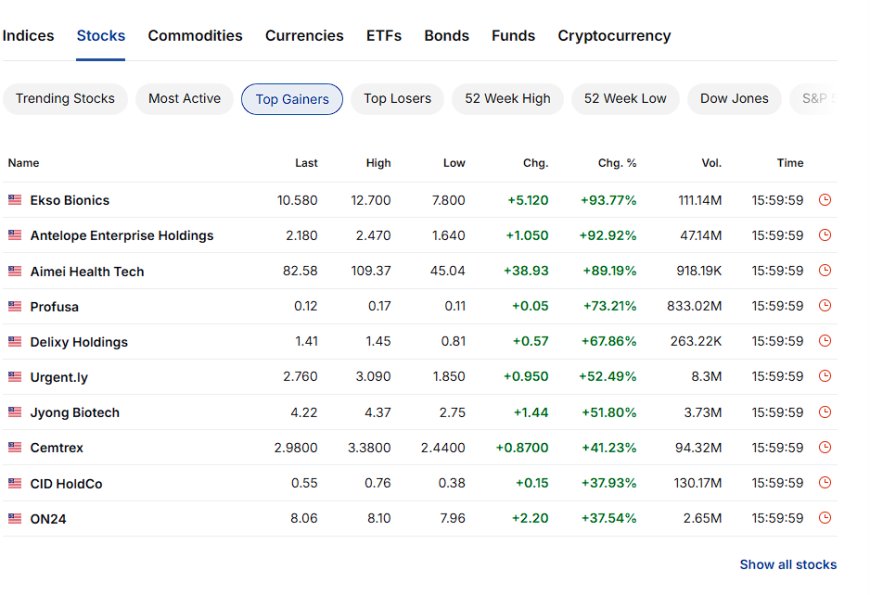
The gainers list is pure year-end microstructure. Multiple names up 40–90%+ is what thin liquidity looks like when flows concentrate and order books are shallow. This does not mean risk-on is back. It means marginal capital is being expressed through small-cap vehicles that can move violently on limited volume and positioning.
In the Pattern Nexus framing, this is a useful tell: if the system were truly risk-off, you would not see this many explosive gainers clustered in micro/liquidity-sensitive names. You’d see broad compression and fewer outliers.
Top Losers
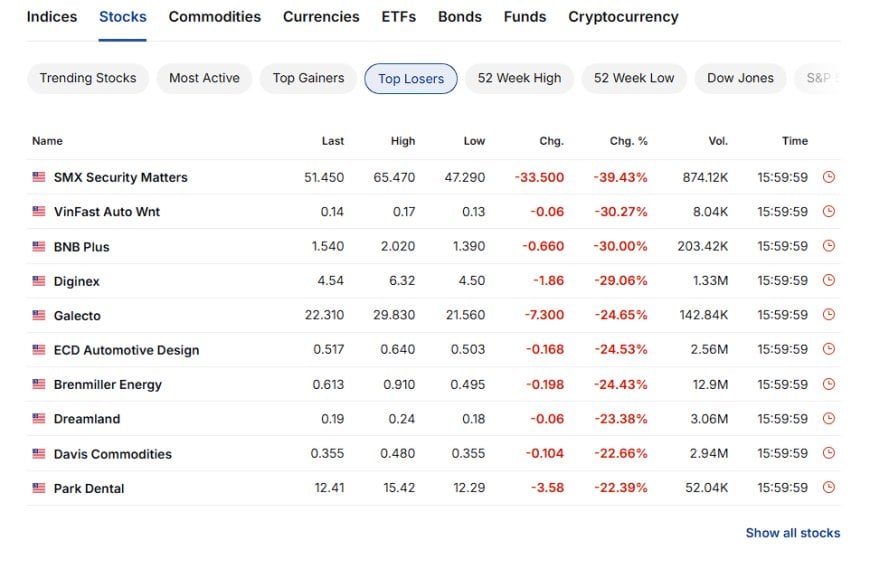
The losers list completes the picture: high dispersion. When you get simultaneous explosive gainers and heavy losers, you’re not watching fundamentals. You’re watching liquidity, positioning, and year-end cleanup.
These are the names that get punished when the market is more selective: weak balance sheets, fragile structures, and low liquidity get repriced hard even if the indices barely move.
Market Recap
December 30 delivered a classic year-end tape with one major exception: commodities are not calm. Equities drifted lower in controlled fashion, rates stayed stable, crypto stayed firm, FX stayed orderly, while metals kept expressing the underlying collateral reset.
If you want the one-line version: this wasn’t a directional day. It was a diagnostic day. Metals and microcaps showed you where the system is most sensitive. Bonds showed you the system isn’t breaking.
News of the Day
• U.S. stocks edged lower as 2025 approached the finish line, with volume thin and most large investors largely done repositioning.
• Commodities were again the real story: gold and silver resumed upside after the prior session’s margin-driven shock, highlighting how mechanical the metal tape has become during this surge.
• The Fed backdrop remains messy: minutes and commentary are being read through a split lens (inflation still above target, growth and confidence softening), which keeps markets focused on the path into January and early 2026.
• Oil stayed relatively steady near year-end lows, reinforcing the “pinned” regime where headline risk struggles to beat forward surplus math.
Context Note: The metals whiplash is the point. A market can be bullish over the year and still violent day-to-day when margin frameworks tighten into thin liquidity.
Pattern Nexus Lens
Today fits the Pattern Nexus template for “quiet index, loud plumbing.” When equities barely move but commodities whip, you’re looking at funding mechanics and collateral recalibration, not mood.
The metals complex is the tell. Silver’s instability is not about industrial demand alone. It’s about leverage, margin, and forced flow. That is how the system behaves when positioning outruns liquidity. Gold participates because gold is not just an asset; it functions as a funding instrument inside modern collateral chains, which means its volatility can become self-referential when requirements change.
Oil staying pinned is the other tell. It says the market is not buying a sustained inflation impulse from energy. The forward balance sheet is doing the work: surplus expectations cap rallies even when headlines try to inject premium.
Then look at the stabilizers: bonds and FX. Rates are not pricing stress. FX is not pricing panic. That combination is why this is a year-end reset, not a macro rupture.
Where does that leave the setup? A transition regime into 2026: liquidity is still present, but it is increasingly selective. You can have crypto green and indices flat-to-down. You can have microcaps ripping while metals collapse. That is not contradiction. That is discrimination.
Core Thesis: 12/30 wasn’t a “market move.” It was the system showing its sensitivity map: metals and microcaps react first, bonds confirm whether the system is stressed. Bonds stayed calm. The repricing is real, but it’s localized to leverage and collateral, not the entire macro structure.
Tomorrow (12/31) Watchlist
Tomorrow is not about “new information.” It’s about final prints and final positioning. With one trading day left in the year, the tape can be distorted by window dressing, tax mechanics, and mechanical rebalancing. That makes tomorrow one of the easiest days to misread if you treat it like a normal session.
What to watch:
- Metals follow-through: does silver stabilize into the close, or does it keep showing forced-flow behavior into year-end settlement behavior?
- Oil pinning behavior: does crude remain range-bound, reinforcing the “surplus-capped” regime into 2026?
- Rates as lie detector: any sudden yield jump in thin trade matters more than normal because it often reflects dealer balance sheet and collateral conditions, not a sudden macro revelation.
- Dispersion: are microcaps still printing extreme gainers/losers? If yes, the market is still trading “liquidity pockets,” not a unified narrative.
Year-End Rule: Don’t confuse thin-volume volatility with real regime change. Let the funding layer (rates + collateral conditions) confirm it first.
Year-End / Into 2026 Thesis
This is the year-end tell: indexes calm while the collateral-sensitive assets get violent. That is almost always a sign that the system is re-pricing how risk is funded, not whether risk exists.
Here is the Pattern Nexus framing into the turn:
1) The collateral map is being redrawn.
Margin changes in metals don’t just move metals. They move collateral demands, leverage decisions, and the willingness of participants to carry exposure into January. In a thin tape, this creates the illusion of “macro change” when the driver is actually mechanical.
2) Oil is the anchor test.
If crude can’t lift materially even with headline risk, that’s a forward-balance-sheet statement. It suggests the market is pricing 2026 as a slower-demand regime where supply math matters more than narrative.
3) Rates are the system’s heartbeat.
If the 10-year stays controlled while commodities thrash, the system is not breaking — it is reallocating. If yields were to gap on no news into year-end, that’s when you start treating it as plumbing stress rather than positioning stress.
4) Risk is getting selective, not disappearing.
Crypto holding while metals whip and indices drift is not “magic.” It’s liquidity expressing in the most reflexive vehicles while collateral constraints force compression elsewhere. That’s a discrimination regime: fewer winners, sharper losers, and bigger dispersion.
Base case into January: the market exits 2025 with a visible sensitivity to margin and collateral changes. That increases the odds of sharp, short-lived volatility events early in January even if the broader 2026 trend remains intact. The lesson is simple: watch the funding layer first, and treat violent tapes in collateral instruments as signals about leverage — not instant verdicts on the whole macro thesis.
End-of-Year Tell: If the market were truly de-risking, you would see it in rates, not just in collateral-sensitive assets. So far, rates are controlled. That means this is repositioning, not systemic unwind.
Sources
What's Your Reaction?
 Like
0
Like
0
 Dislike
0
Dislike
0
 Love
0
Love
0
 Funny
0
Funny
0
 Wow
0
Wow
0
 Sad
0
Sad
0
 Angry
0
Angry
0

Founder of Pattern Nexus. I research markets, macro, geopolitics, AI, history, ancient systems, and the patterns most people overlook. I’m also building Market Radar, a trading scanner designed to read pressure, risk, confirmation, and setup quality before chasing a move. Pattern Nexus is where I connect the dots between data, history, technology, and the bigger system playing out around us.















Comments (0)