
The Pivot Is Here: Rate Cuts, QT Ending, and the Setup for QE 2026 — The Melt-Up Phase Has Begun
The Federal Reserve cut rates to 3.75%–4.00% and scheduled the end of QT for December 1, 2025. Liquidity is turning, market plumbing is tight, and the setup for renewed balance-sheet expansion in 2026 is forming. This is the melt-up window — where asset holders move first, and inflation follows. Understand the cycle now to position for the next wave.

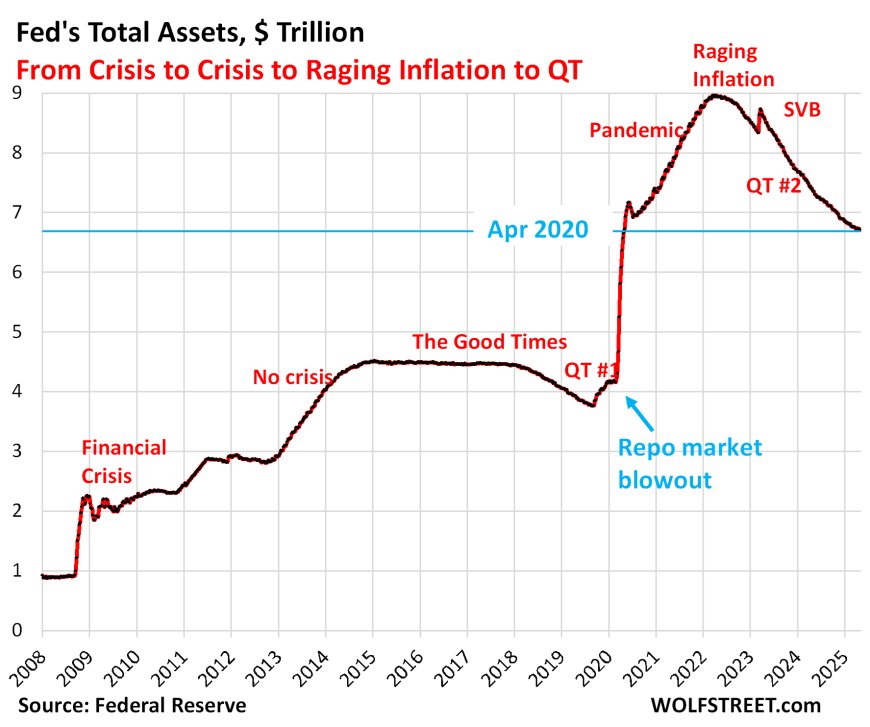
QE → QT → Back Again: Why the Money Printer Is Warming Up (Updated Oct 30, 2025)
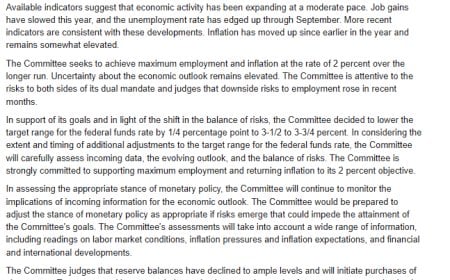
As of October 30, 2025, the Federal Reserve has officially pivoted: the policy rate was cut to 3.75%–4.00% on Oct 29 and QT is scheduled to end on December 1, 2025. With reserves tight and market plumbing flashing signals (repo usage), the next leg of this cycle points toward renewed balance-sheet expansion—what most people will simply call QE.
FOMC Statement – Oct 29, 2025 • Reuters – Fed to end QT Dec 1 • FRED: Fed Total Assets (WALCL)
1) Foundations: What QE & QT Actually Do
Quantitative Easing (QE)
QE is balance-sheet expansion. The Fed creates reserves and buys Treasuries/MBS, pulling down term premia, pushing investors out the risk curve, and lubricating credit creation. In practice, liquidity first inflates assets—equities, real estate, gold—before it shows up in broader CPI, especially if banks subsequently lend.
Fed – Balance Sheet: Recent Trends
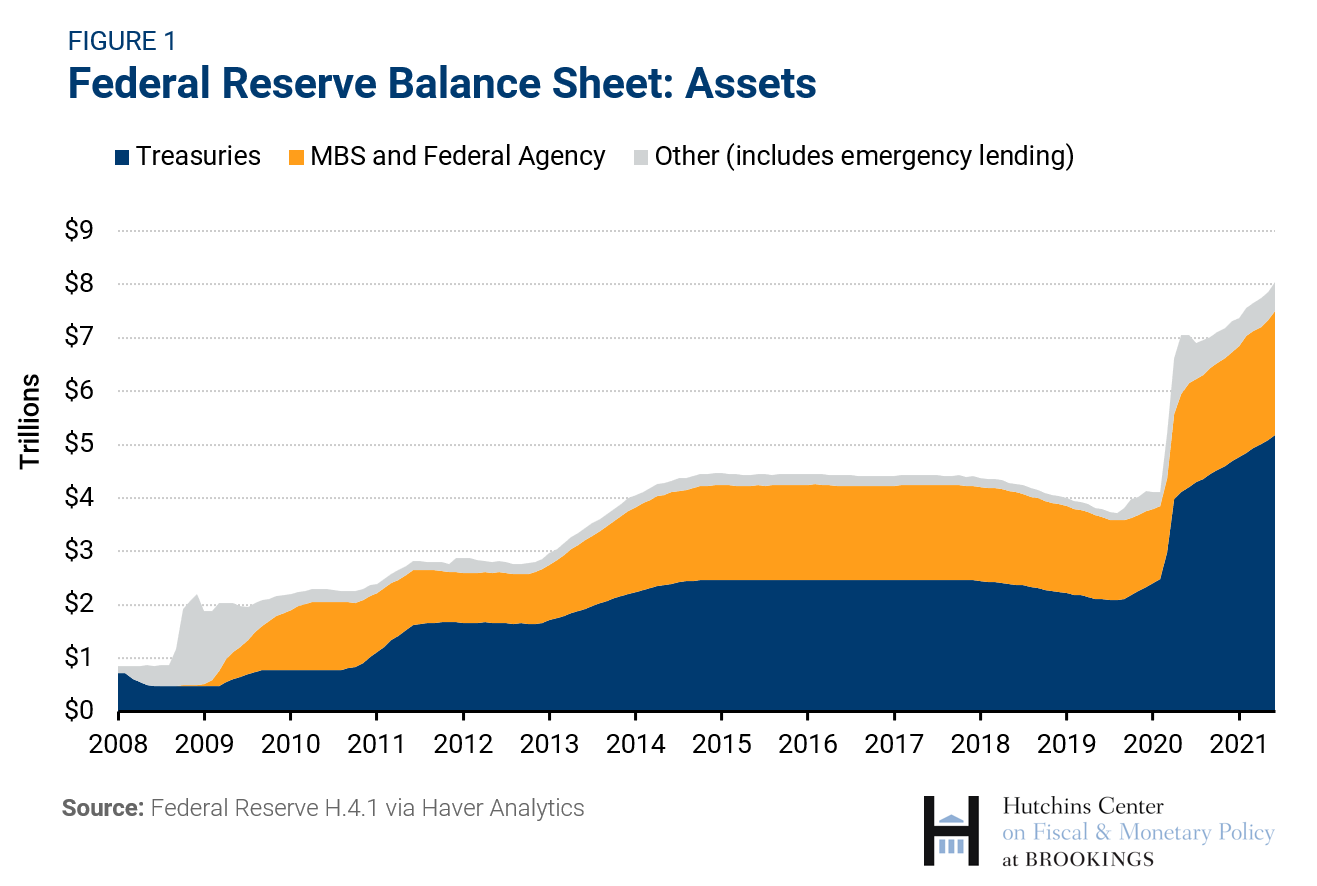
QE swells the balance sheet via Treasuries and MBS—mechanically dull, systemically massive (Brookings).
Quantitative Tightening (QT)
QT is balance-sheet reduction. The Fed lets holdings roll off (or sells), draining reserves and tightening liquidity beyond what the policy rate alone can do. QT since 2022 shaved the sheet from a ~$9T peak to roughly $6.59T as of Oct 29, 2025.
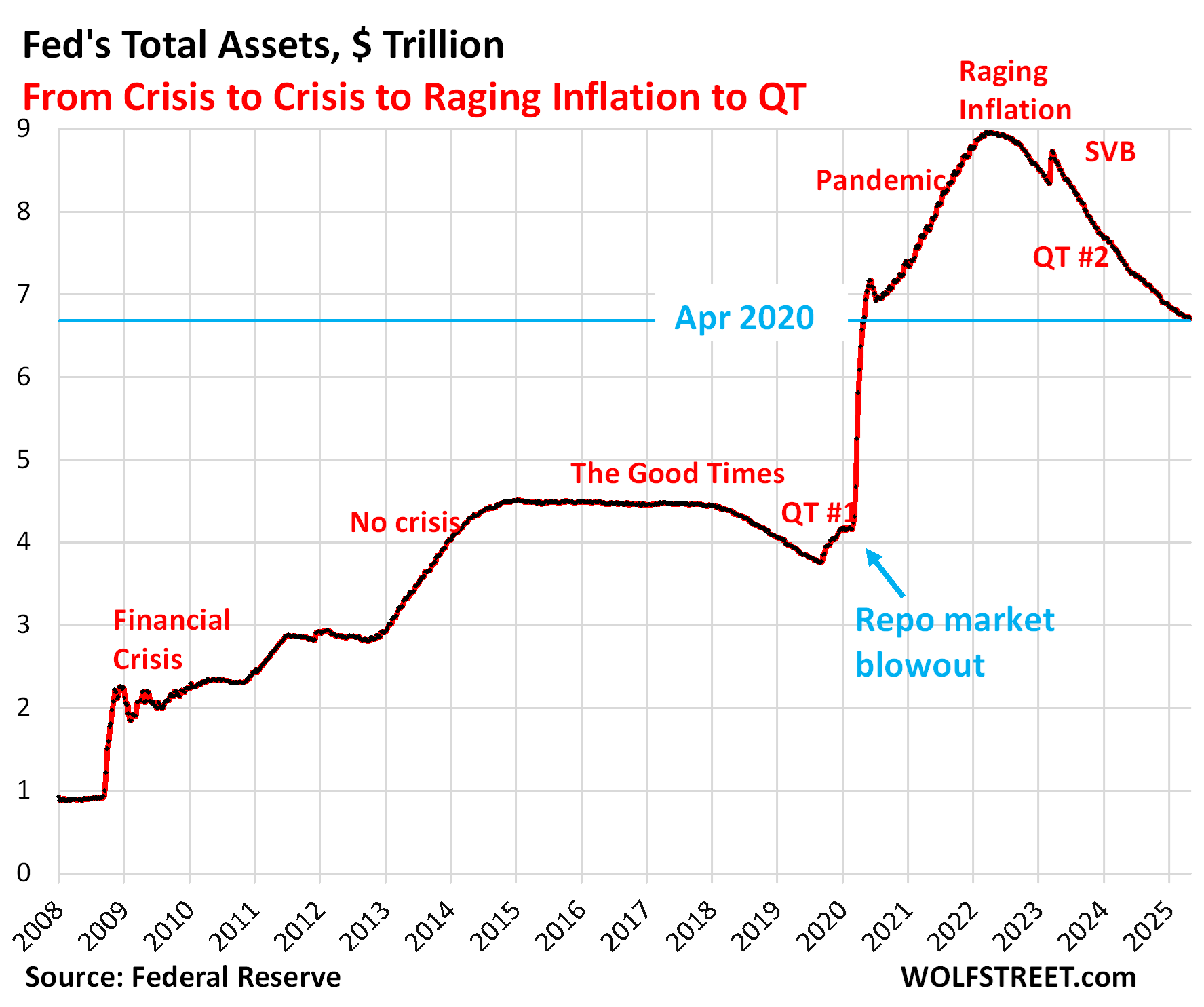
QT’s downtrend: balance sheet rolled off aggressively from the pandemic peak (WolfStreet).
2) Where We Are Now (Late October 2025)
Policy rate: The Fed cut 25 bps to 3.75%–4.00% (Oct 29, 2025).
Fed press release • Reuters wrap
QT status: The Fed announced QT will end on Dec 1, 2025; Treasuries will be fully reinvested, and MBS paydowns will be redirected into Treasuries over time.
Reuters – Policy details
Fed balance sheet today: ~$6.587T (week ended Oct 29, 2025) per FRED (WALCL).
FRED – WALCL (latest print)
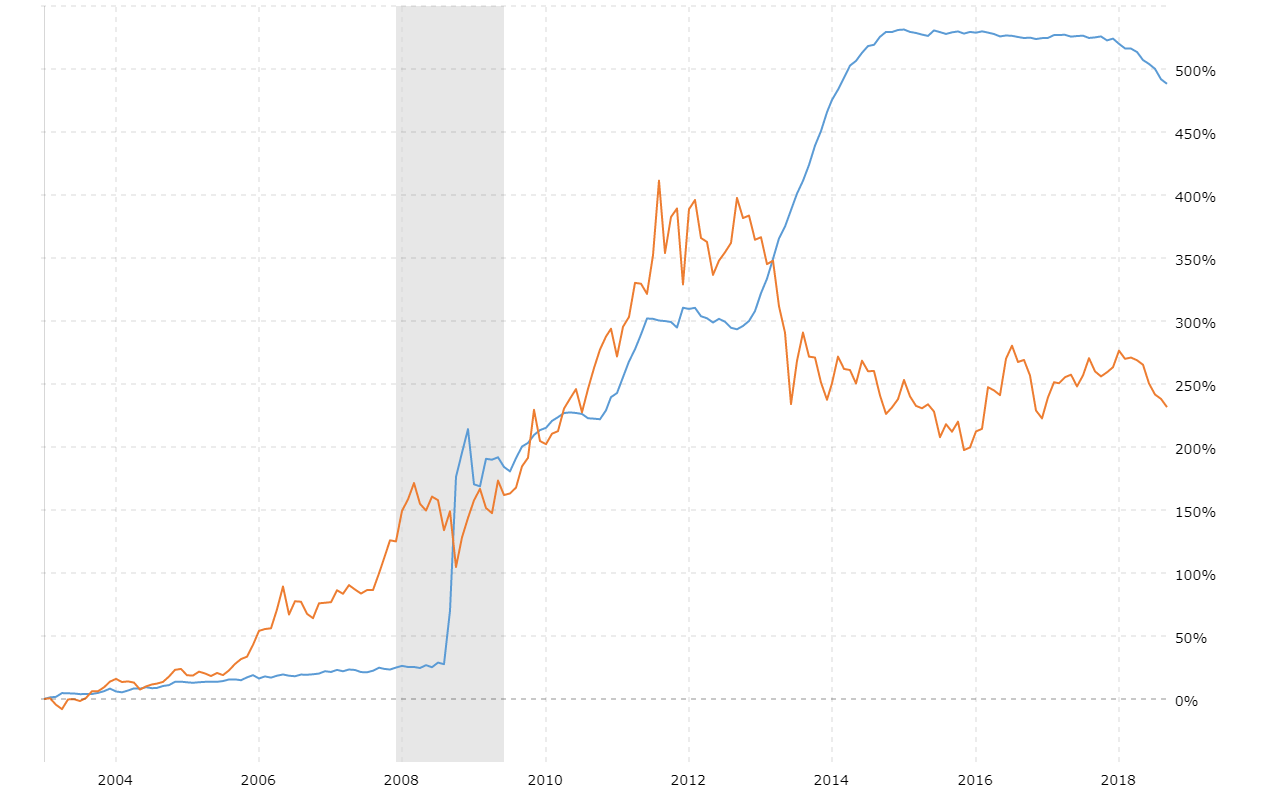
Liquidity maps to real-asset repricing: balance sheet vs. gold is a useful long-view heuristic (Macrotrends).
3) The Sequence Ahead (Why 2026 Sets Up for QE)
- Rate cuts first (already started) to reduce the front-end cost of money and stabilize growth.
- End QT (Dec 1 scheduled) to stop draining reserves and protect “ample reserves.”
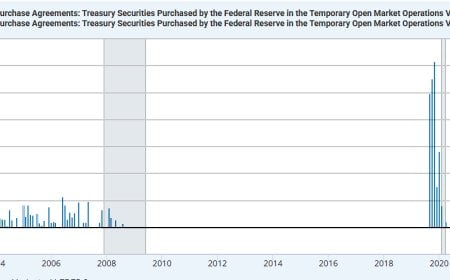
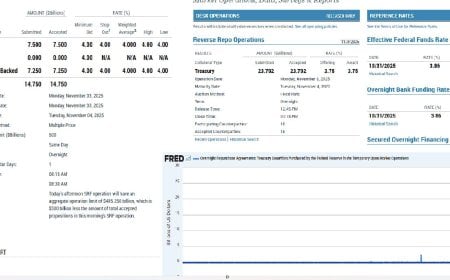
- Repo stress and tight money-markets signal plumbing constraints; more balance-sheet flexibility becomes necessary.
- QE (or QE-by-another-name) resumes in 2026 if conditions demand: reinvestments, terming out T-bill reinvestments, outright LSAPs if needed.
Powell hint that QT is near completion • FT – SRF usage spike shows tight liquidity

When the rate tool runs out of room, the balance sheet becomes the primary lever (Reuters graphic).
4) Why It Matters (Transmission & Distribution)
- Liquidity flows to assets first: easing → lower yields → portfolio rebalancing → equities/RE/PMs rerate.
- Then CPI (maybe): if banks lend and credit creation accelerates, consumer-price inflation follows with a lag.
- Distributional effects: asset-holders capture gains early; wage-only households bear inflation later. The wealth gap widens unless income growth catches up.
Fed – Balance sheet channels • FRED – WALCL

Plumbing: as reserves trend toward lower bounds of “ample,” QT ends to avoid losing rate control (FedGuy).
5) Mechanics & Market Plumbing (Oct 2025 Read)
- Standing Repo Facility (SRF): usage hit multi-day highs in October, confirming tightness in secured funding as QT pressed on.
- Treasury supply: heavy issuance keeps duration supply elevated; balance-sheet flexibility helps digest waves without disorderly funding spikes.
- Reserves: “Somewhat above ample” is the Fed’s stopping rule for QT. We’re there.
FT – Banks tap SRF amid strains • Reuters – QT cessation rationale
6) Caveats (What Could Delay/Distort)
- Sticky inflation: If inflation re-accelerates, QE could be delayed; the Fed may pause cuts or even tighten.
- Financial stability shocks: Acute stress can accelerate balance-sheet expansion via facilities—without calling it “QE.”
- Policy uncertainty: Mixed data, fiscal shifts, and geopolitics can scramble timing even if the end-state is the same.
Reuters – December cut now in doubt
7) My Straight-Talk Summary (Oct 30, 2025)
Liquidity is the lever. The Fed pulled the first lever (cut) and scheduled the second (end QT). The third lever—balance-sheet expansion—lines up for 2026 if conditions require. This is the melt-up window: assets front-run liquidity, dollars dilute later. If you wait for the QE press release, you’re late.
Position for liquidity—not headlines.
Bonus Visuals
Long view of the sheet: QE surges vs QT decline cycles (WolfStreet).
Liquidity vs. gold: illustrative of “scarcity assets” repricing under expansionary regimes (Macrotrends).

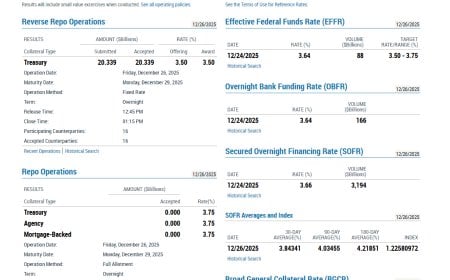
Money-market tightness resolves when the balance sheet stops shrinking and facilities support collateral needs (Reuters).
Sources
- Federal Reserve – FOMC Statement (Oct 29, 2025)
- Reuters – Fed to end QT on Dec 1
- FRED – WALCL (Total Assets) (2025-10-29 print ≈ $6.587T)
- Financial Times – SRF usage surge
- Reuters – December cut in doubt
- Fed – Balance Sheet: Recent Trends
This cycle didn't surprise me — I’ve been writing about this liquidity sequence for over a year. If you want the full signal trail, read my earlier breakdowns:
Related Reading on QE, QT & Liquidity
- Fed Cuts Again — End of QT, Exactly as I Called It
- QT Is Over: The System Just Crossed Its Reserve Floor
- The Calm Before the Liquidity Storm (QE 2026)
- The Calm Before the Liquidity Storm (Setup)
- Fed, MBS & Repo Operations — The QE-2026 Liquidity Cycle
- Inflation at 3.0: Illusion of Stability & the Inevitable Liquidity Pivot
- Era of Easy Money Ends — How Declining Liquidity Shapes Markets
- The Fed’s October Pivot: Liquidity Cycles & the Digital Dollar Frontier
- Liquidity Crunch: Bank Stress, Gold Surge & the ‘False Surplus’
- The Everything Bubble — When Money Outruns Production
- Gold vs the 10-Year: Why Rate Cuts & Real Yields Flag the Next Inflation Wave
- Gold, CBDCs & the Digital Return to Real Money
- Can You Print Money? How Money Creation Really Works
- Why the Dollar Isn’t Weaker — From Store-of-Value to System Utility
Explore all macro posts here: Macro & Markets • Systems & liquidity frameworks: Systems & Patterns
What's Your Reaction?
 Like
0
Like
0
 Dislike
0
Dislike
0
 Love
0
Love
0
 Funny
0
Funny
0
 Wow
0
Wow
0
 Sad
0
Sad
0
 Angry
0
Angry
0













Comments (0)